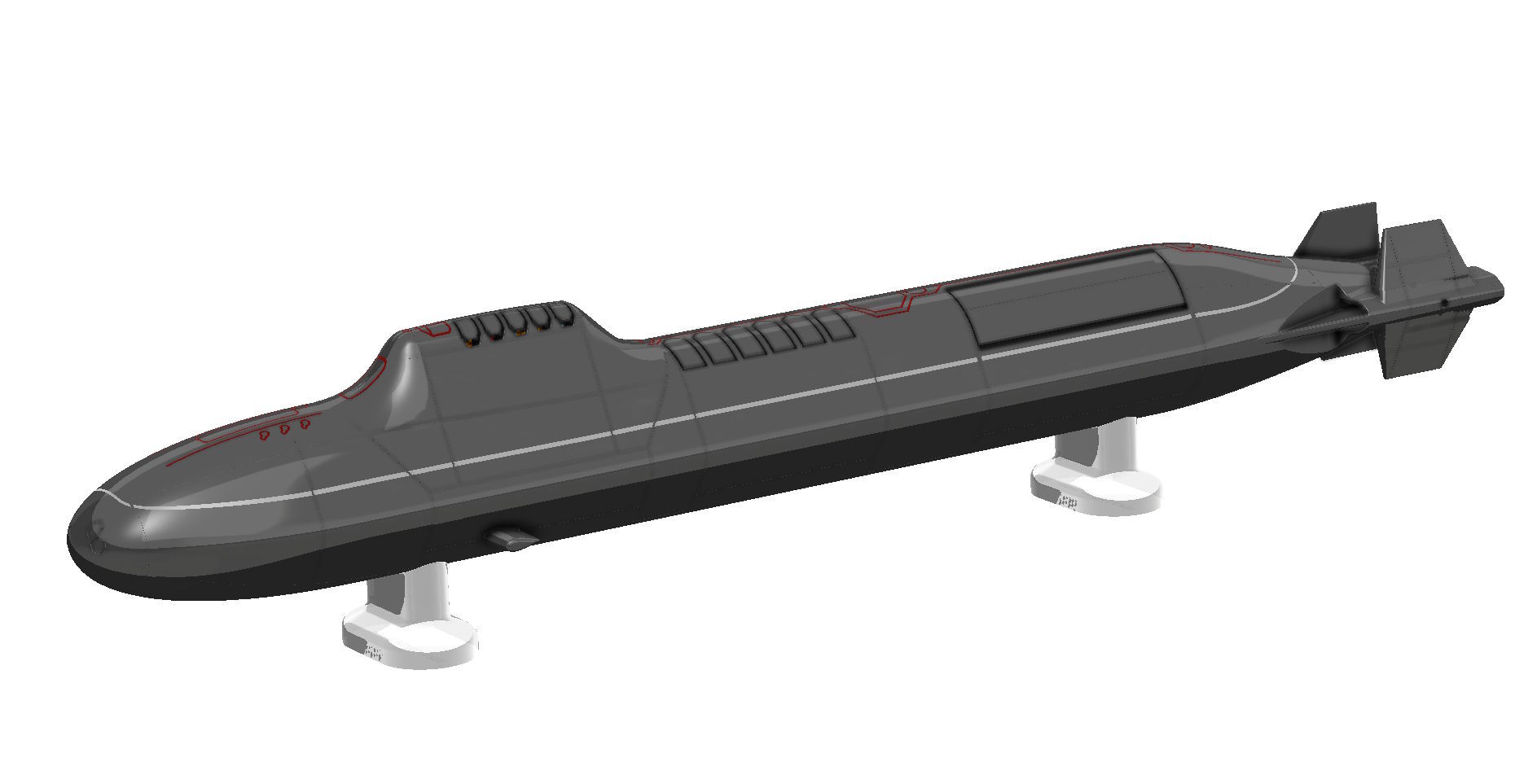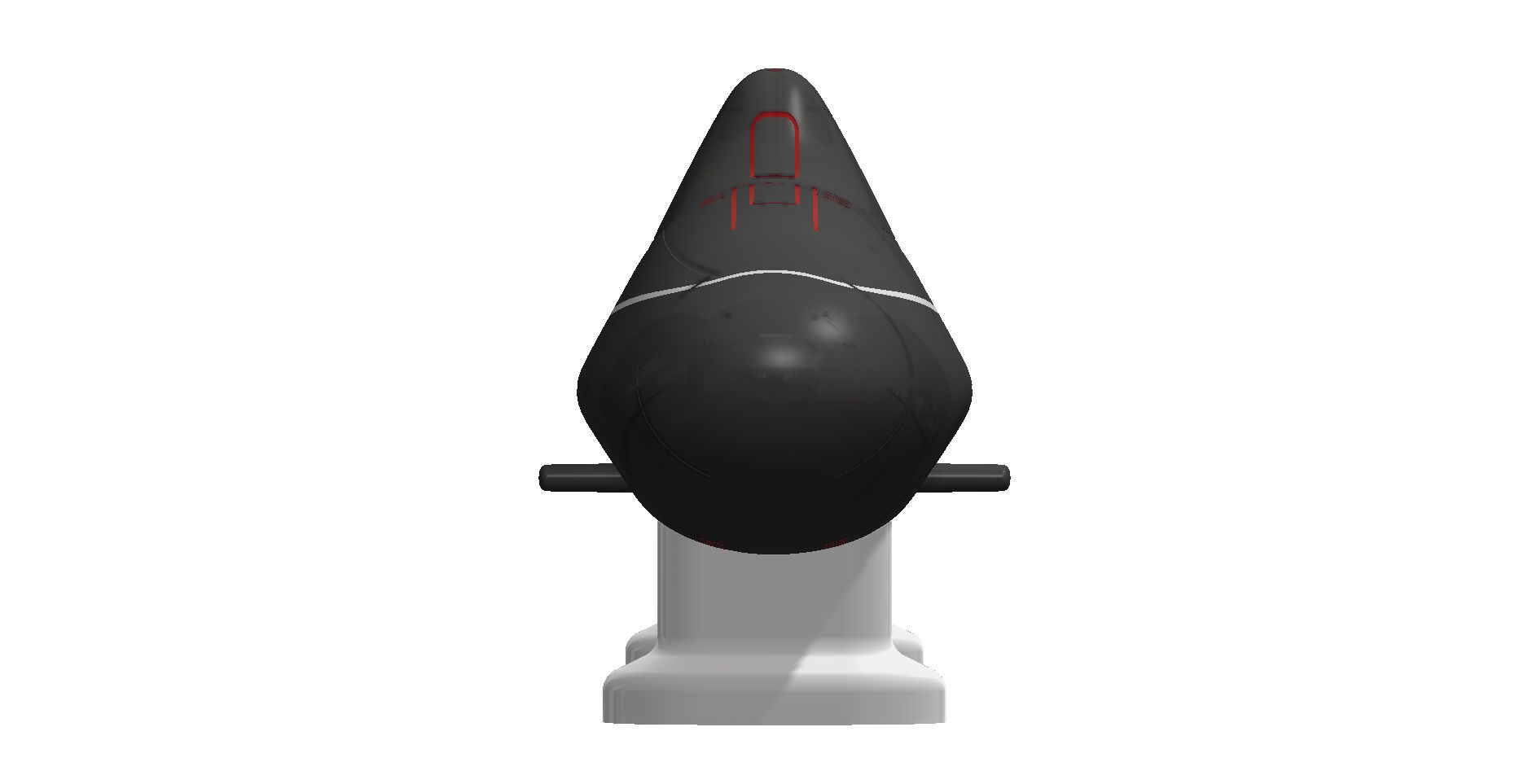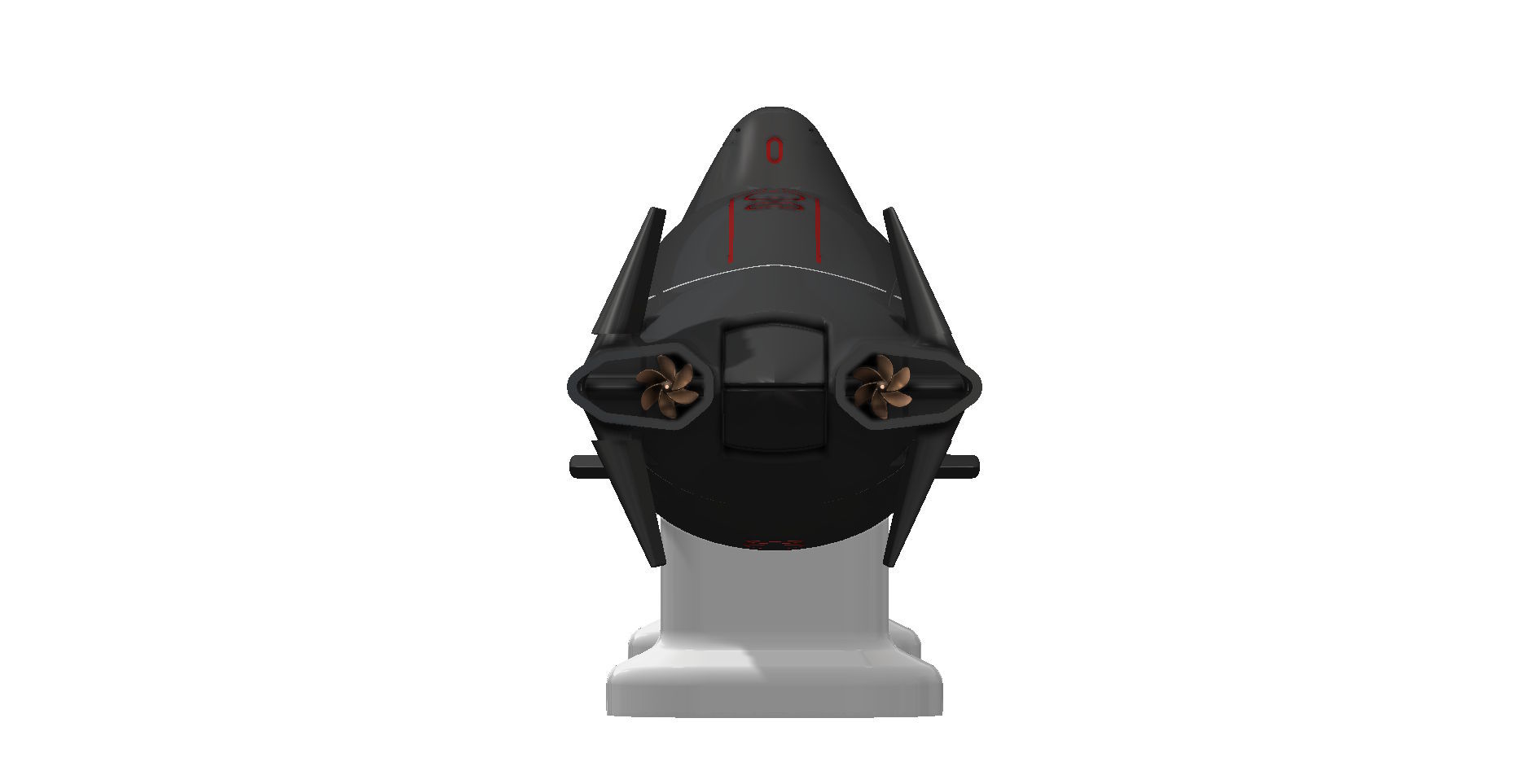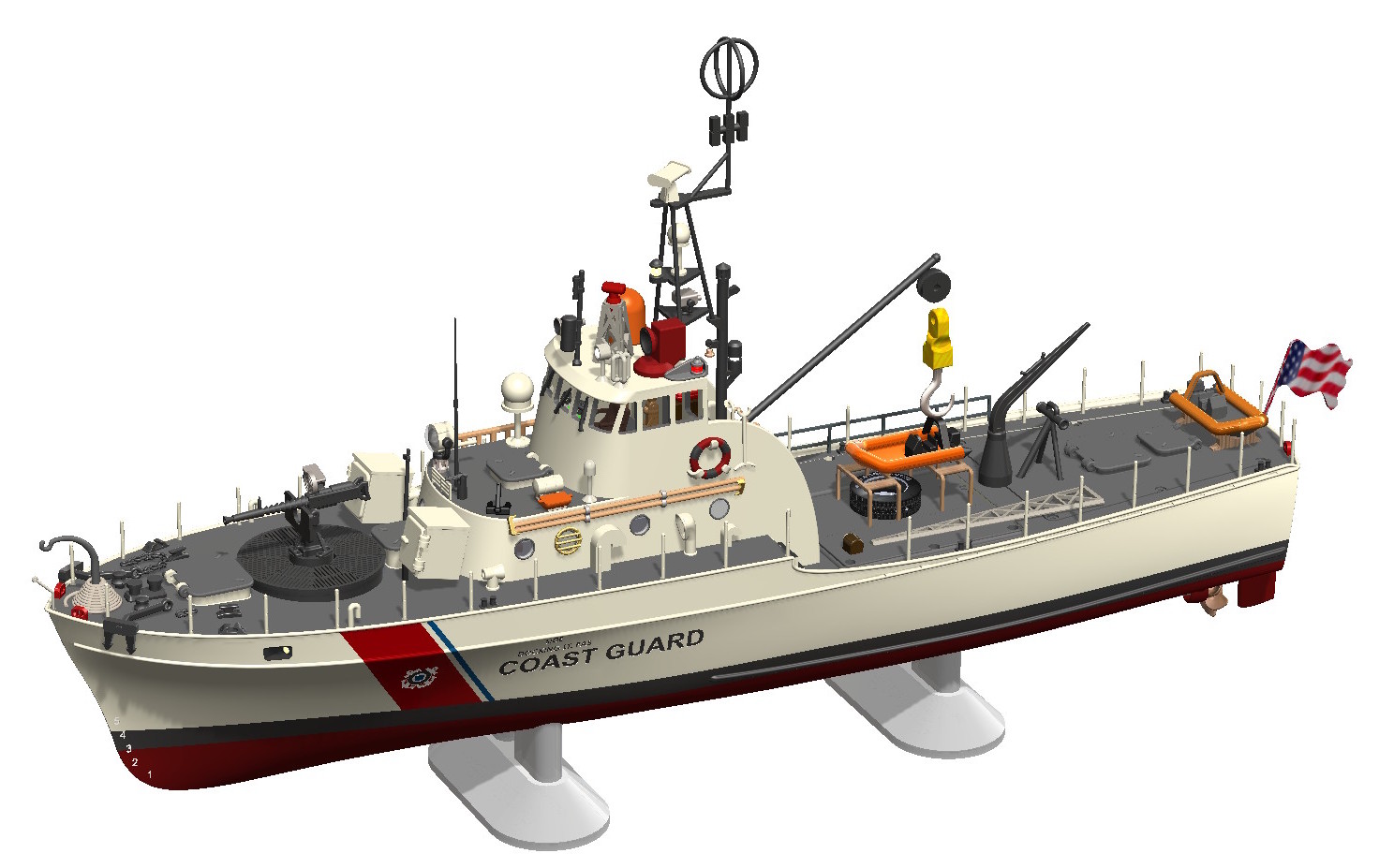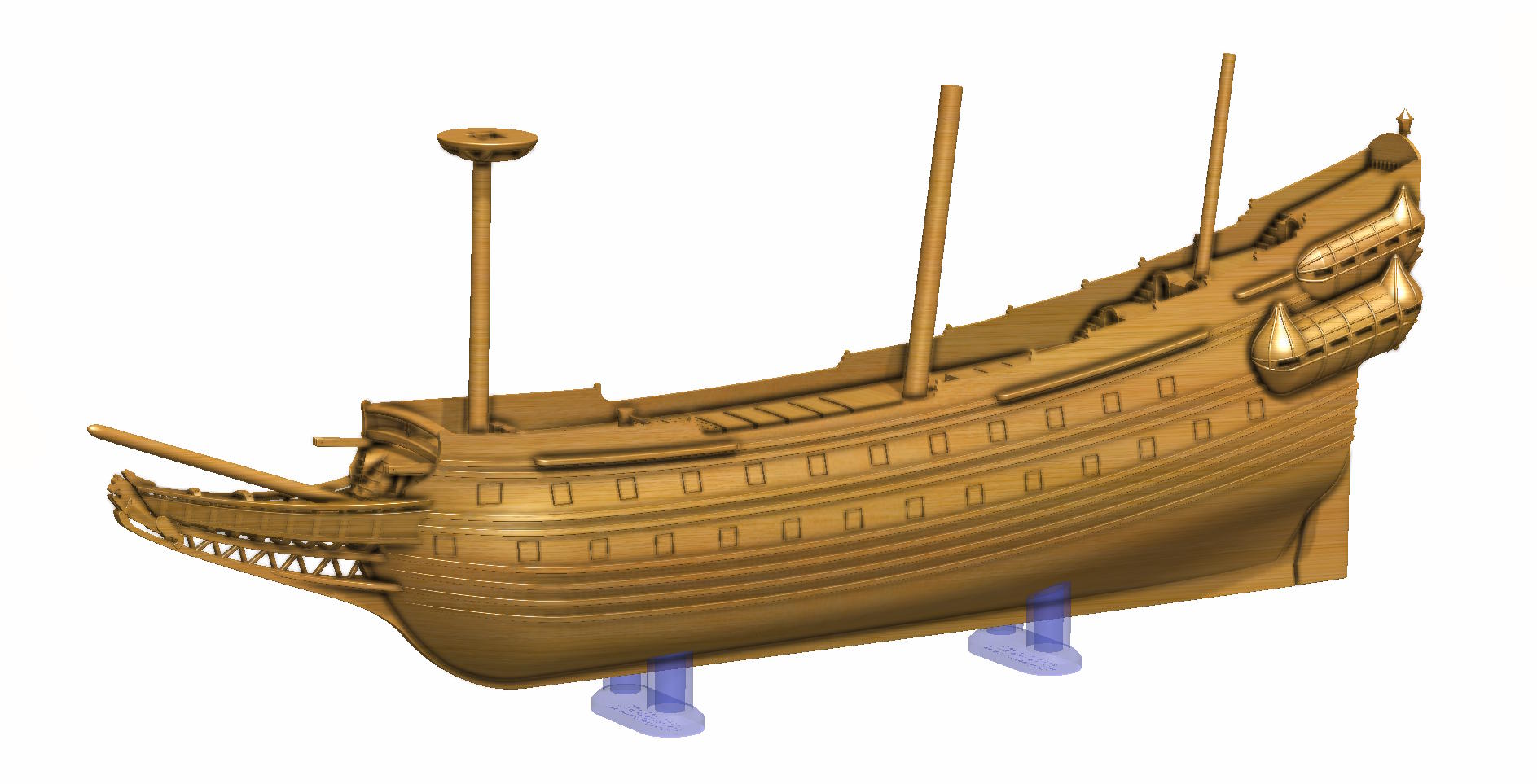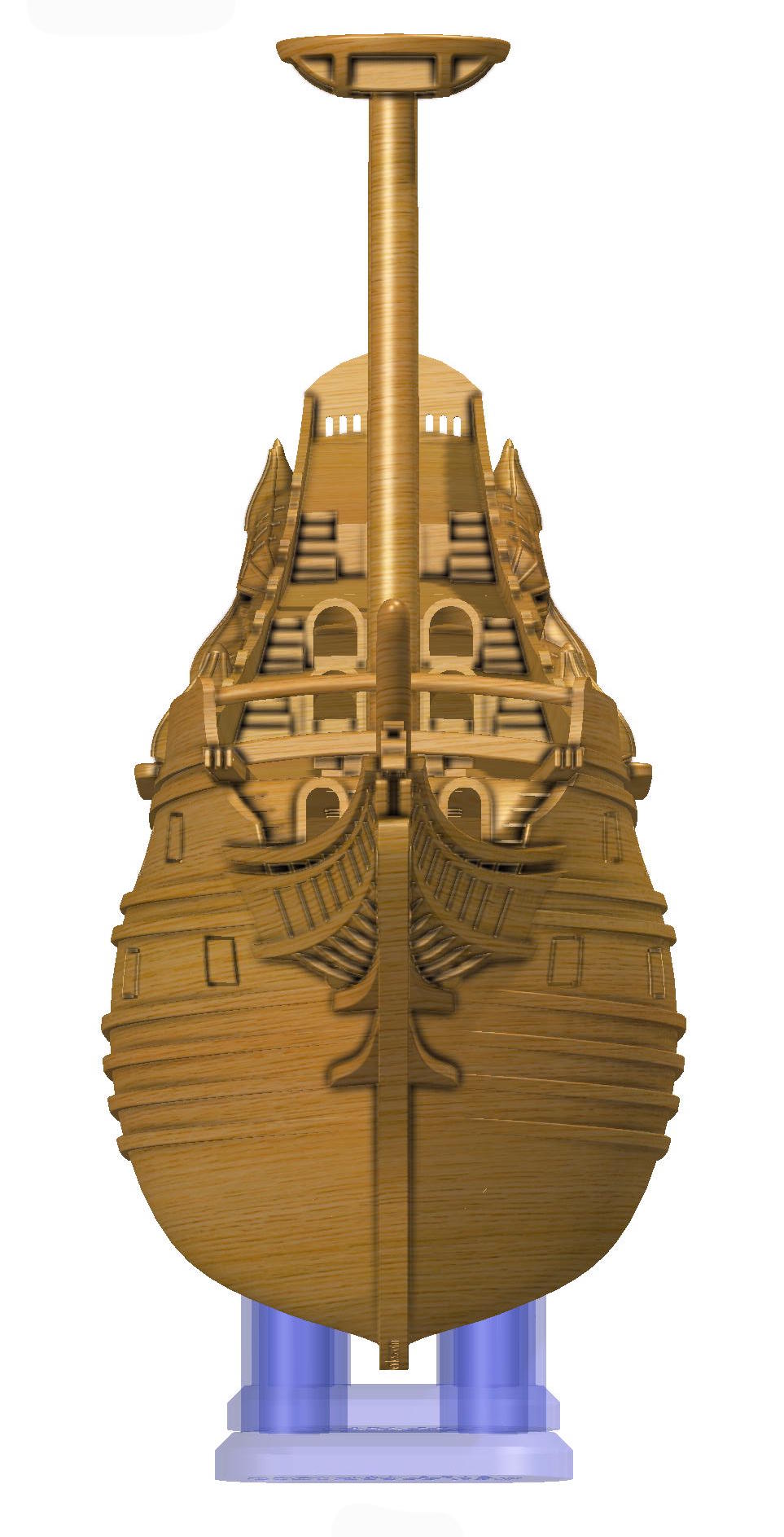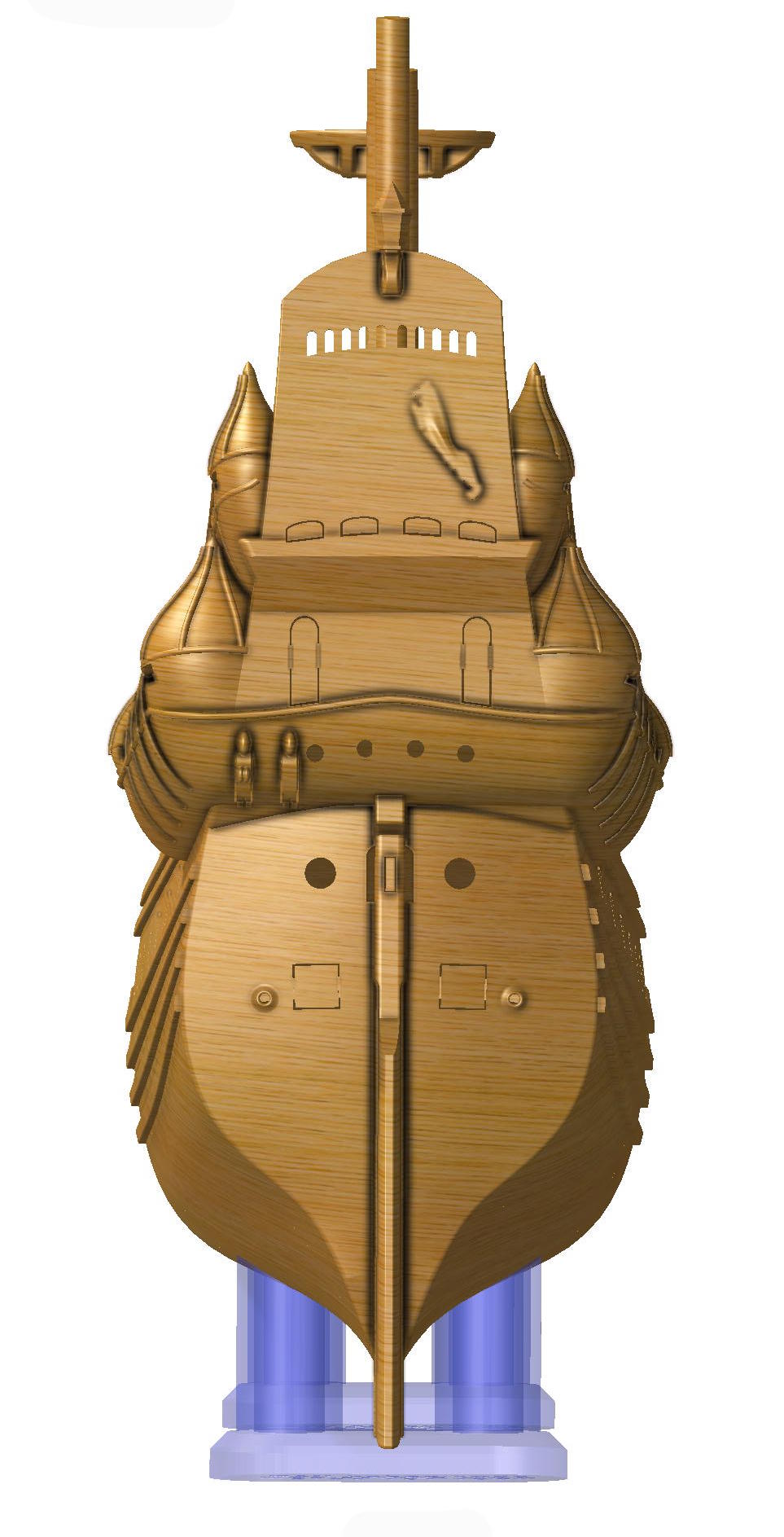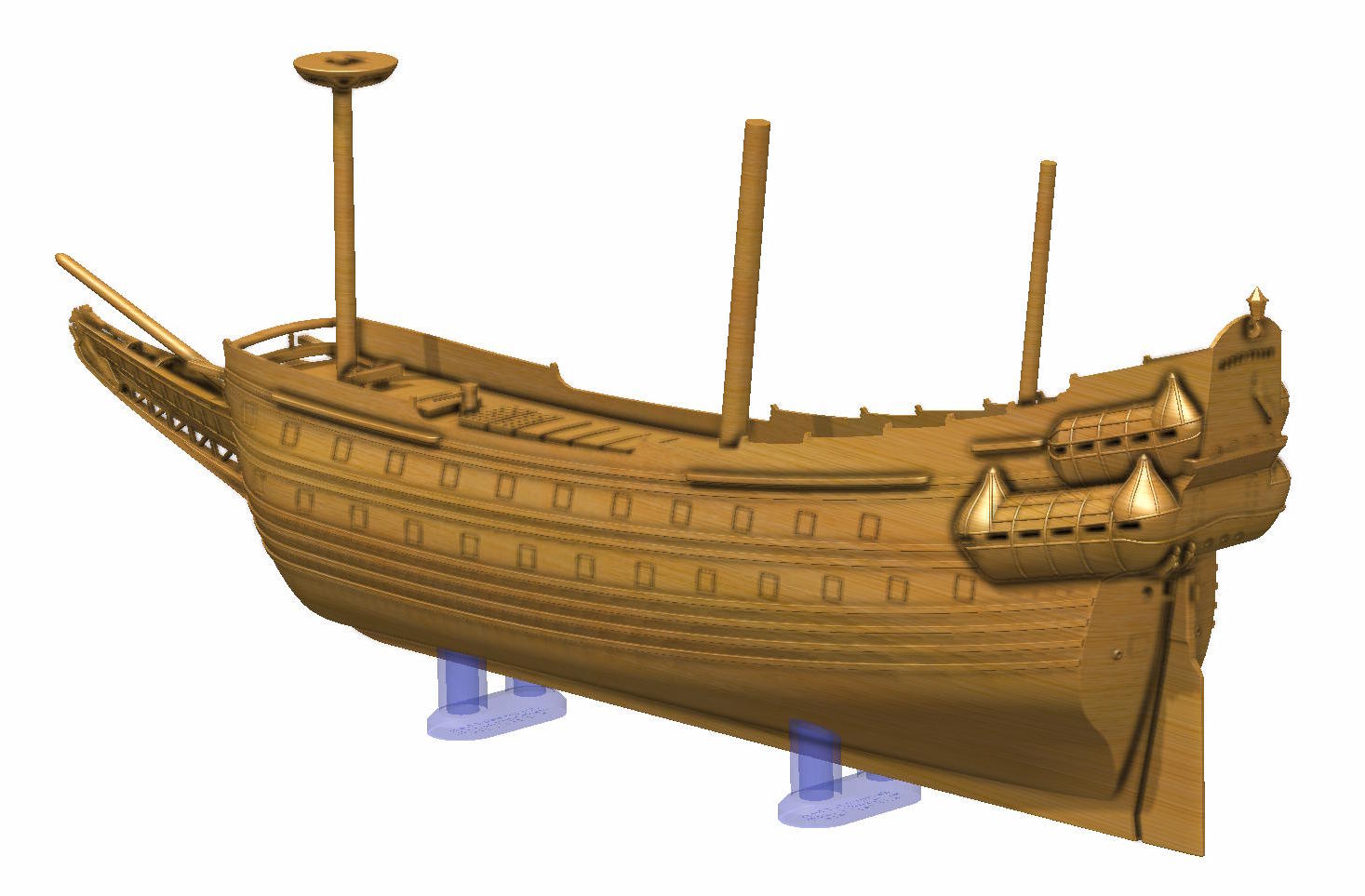
This detailed sectioned model is based on two of the 19th century’s greatest first-rate warships: the French Montebello and the Ottoman Mahmudiye. Using structural cues from both vessels, the design captures the architecture of a 130-gun, three-deck ship of the line while presenting its interior through an elegant open cross-section.
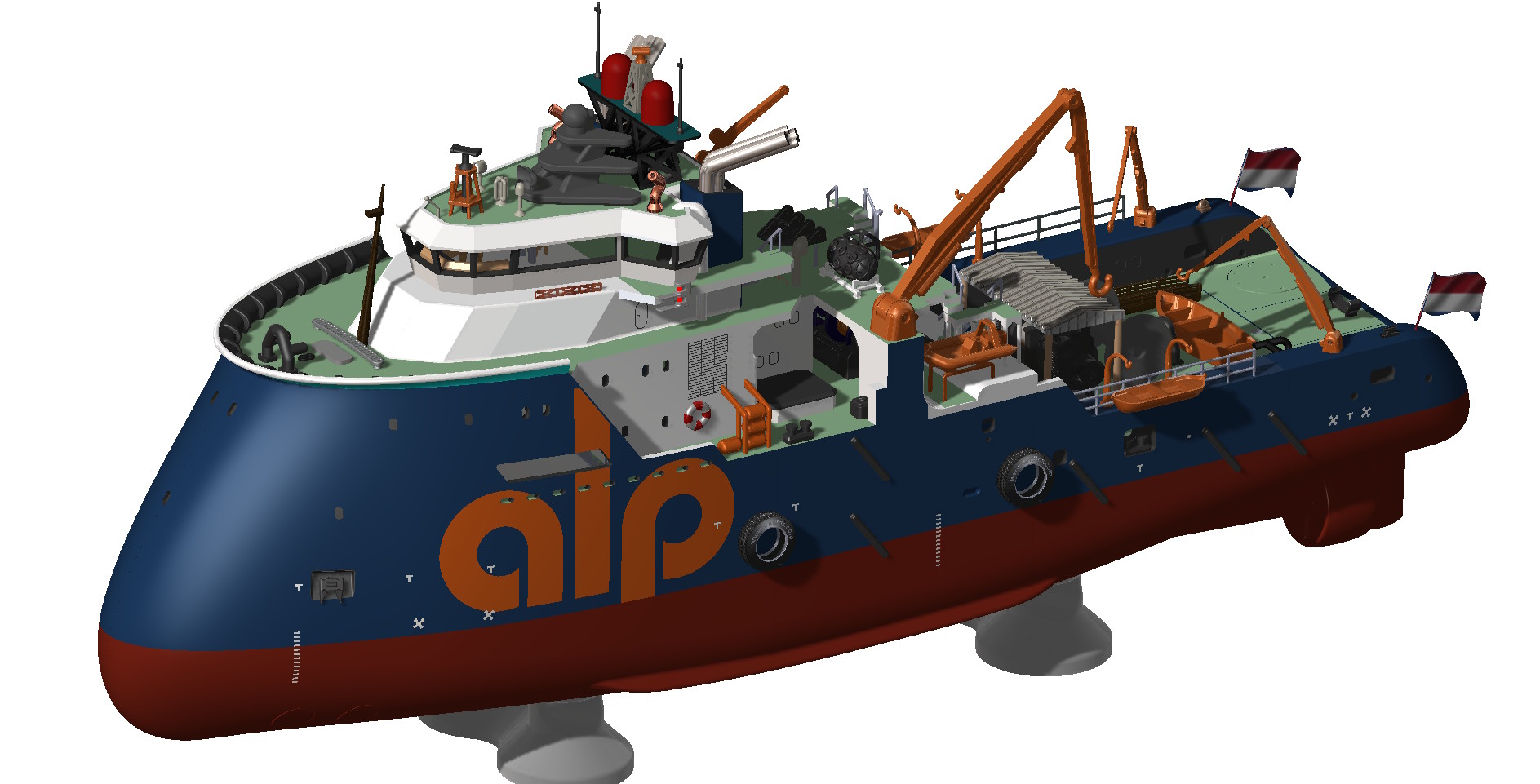
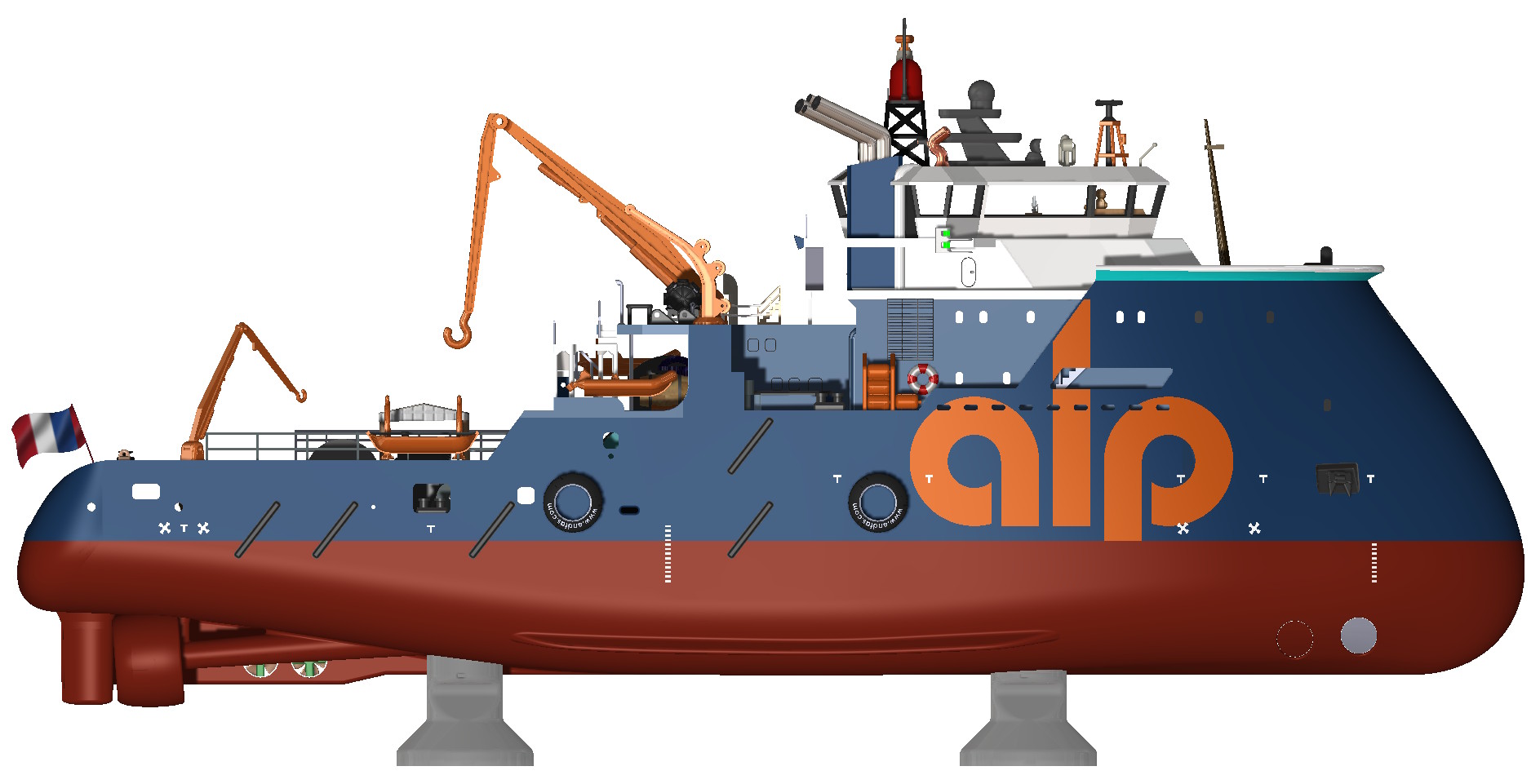
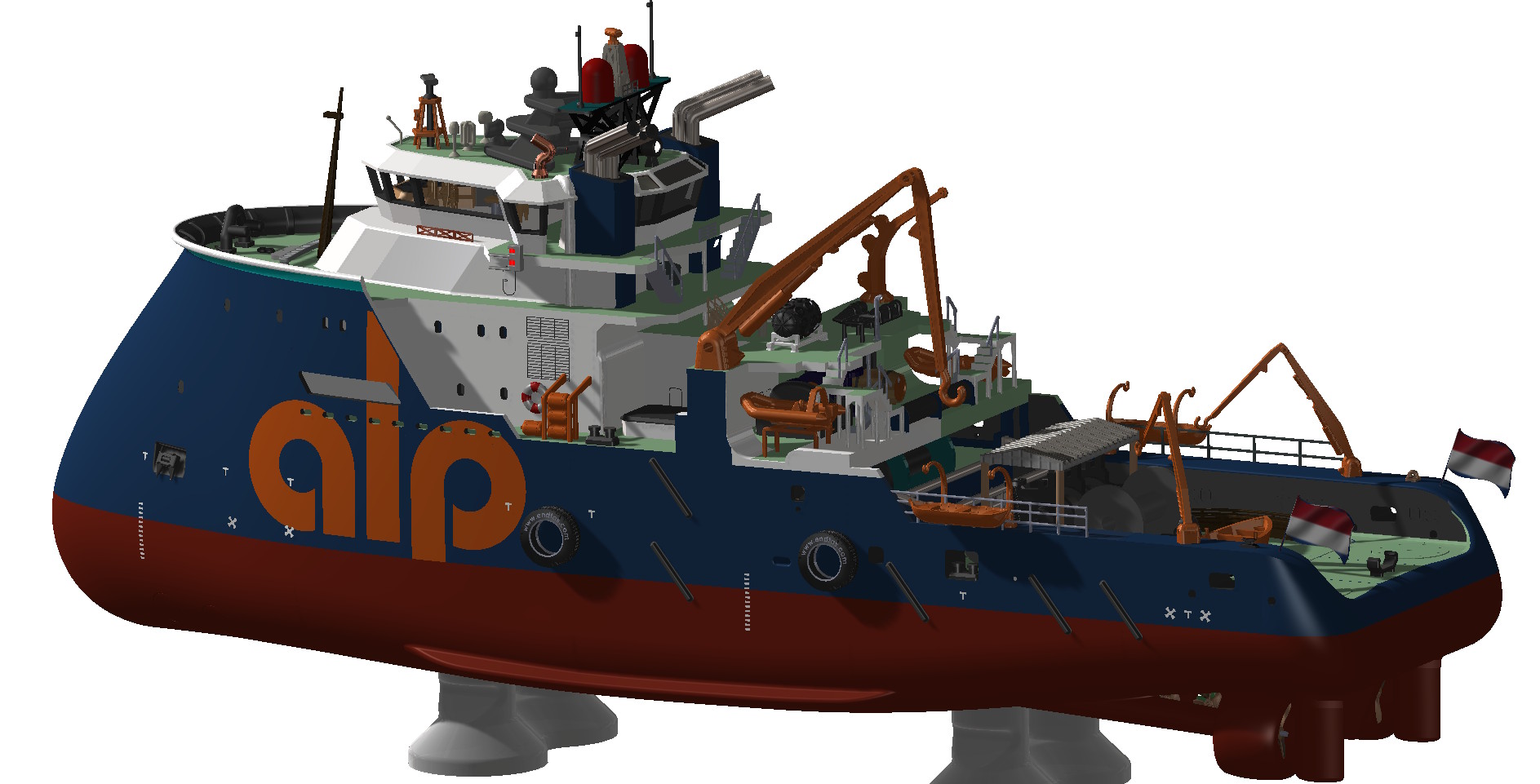
Tug represents the evolution of maritime engineering — a new generation of heavy-duty support vessels designed for the toughest ocean operations. Built to perform anchor handling, towing, and supply duties in extreme conditions, these ships are the backbone of modern offshore industries. Their distinctive, muscular hull forms, advanced bridge designs, and robust propulsion systems embody a perfect blend of raw power and cutting-edge technology.
Continue reading for more info, renderings, and your free desktop model STL file.
When the Soviets Made a Plane That was also a Ship
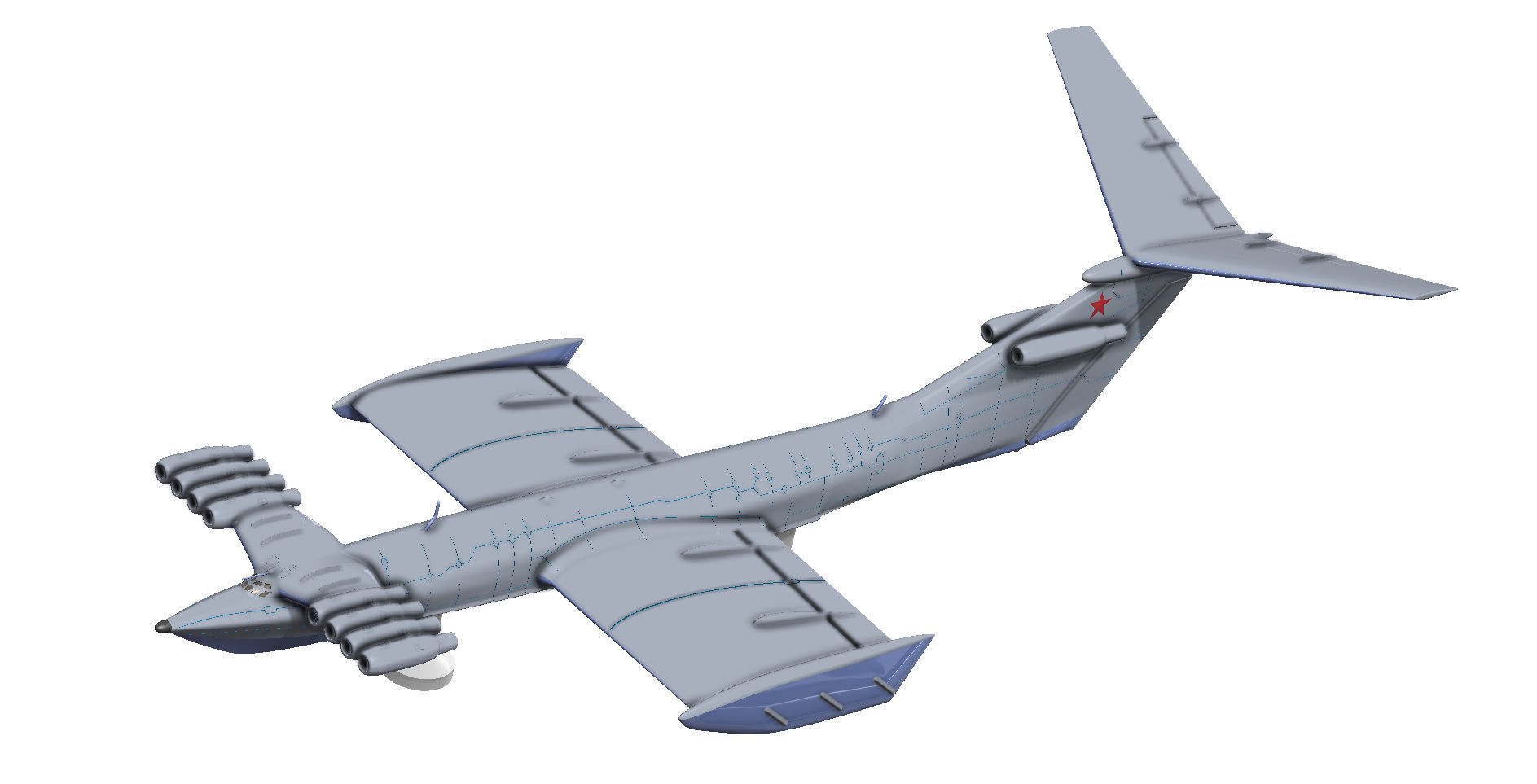
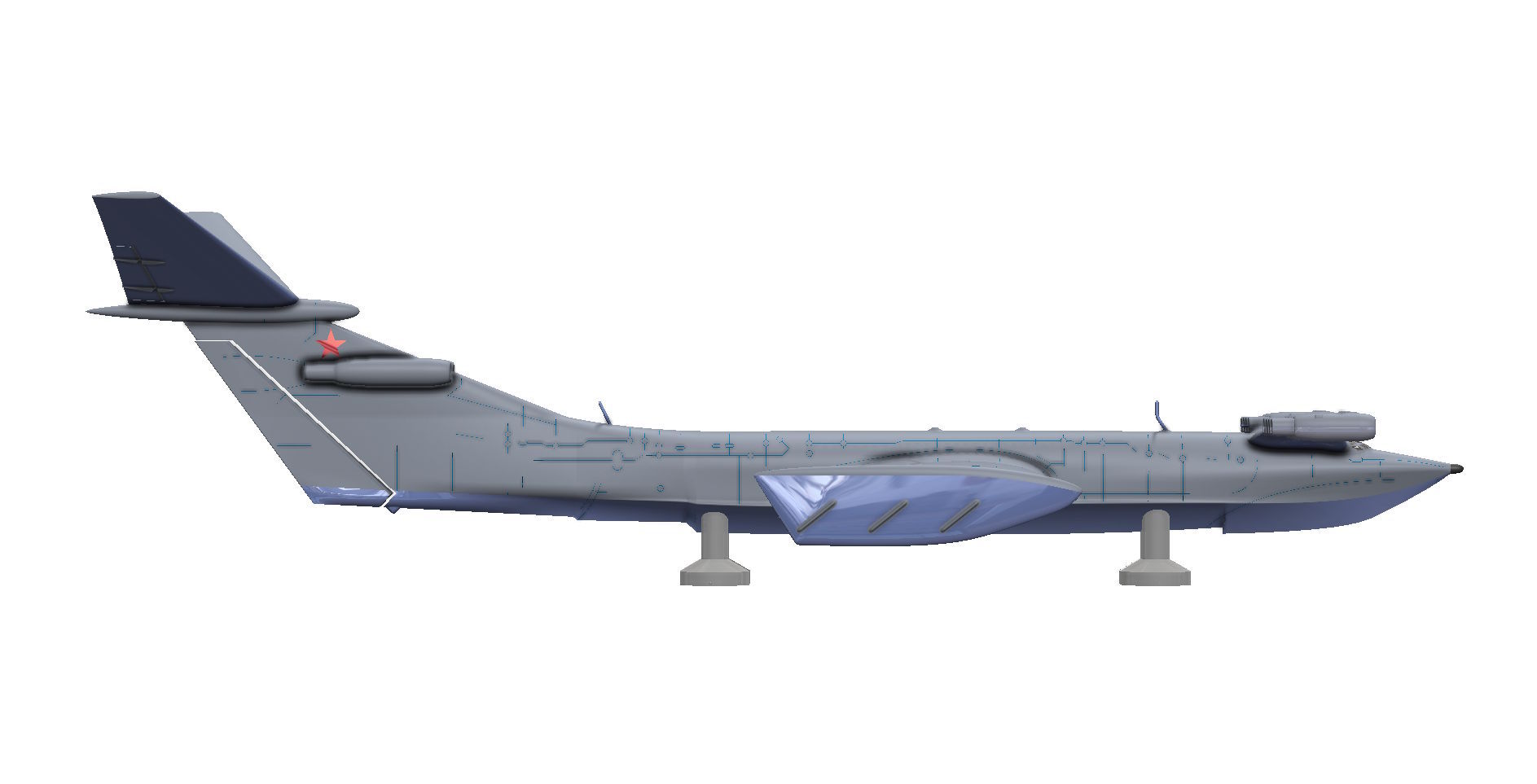
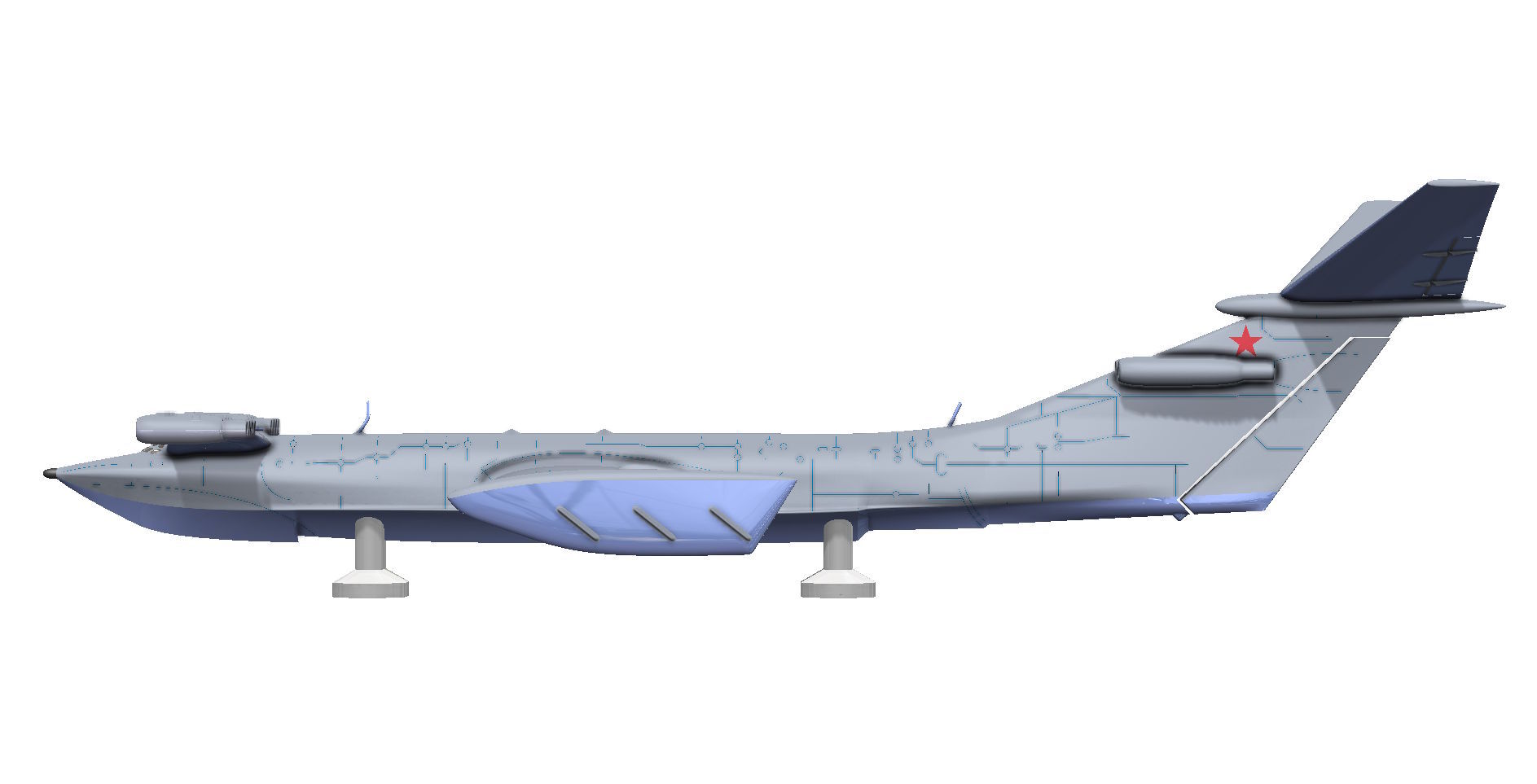
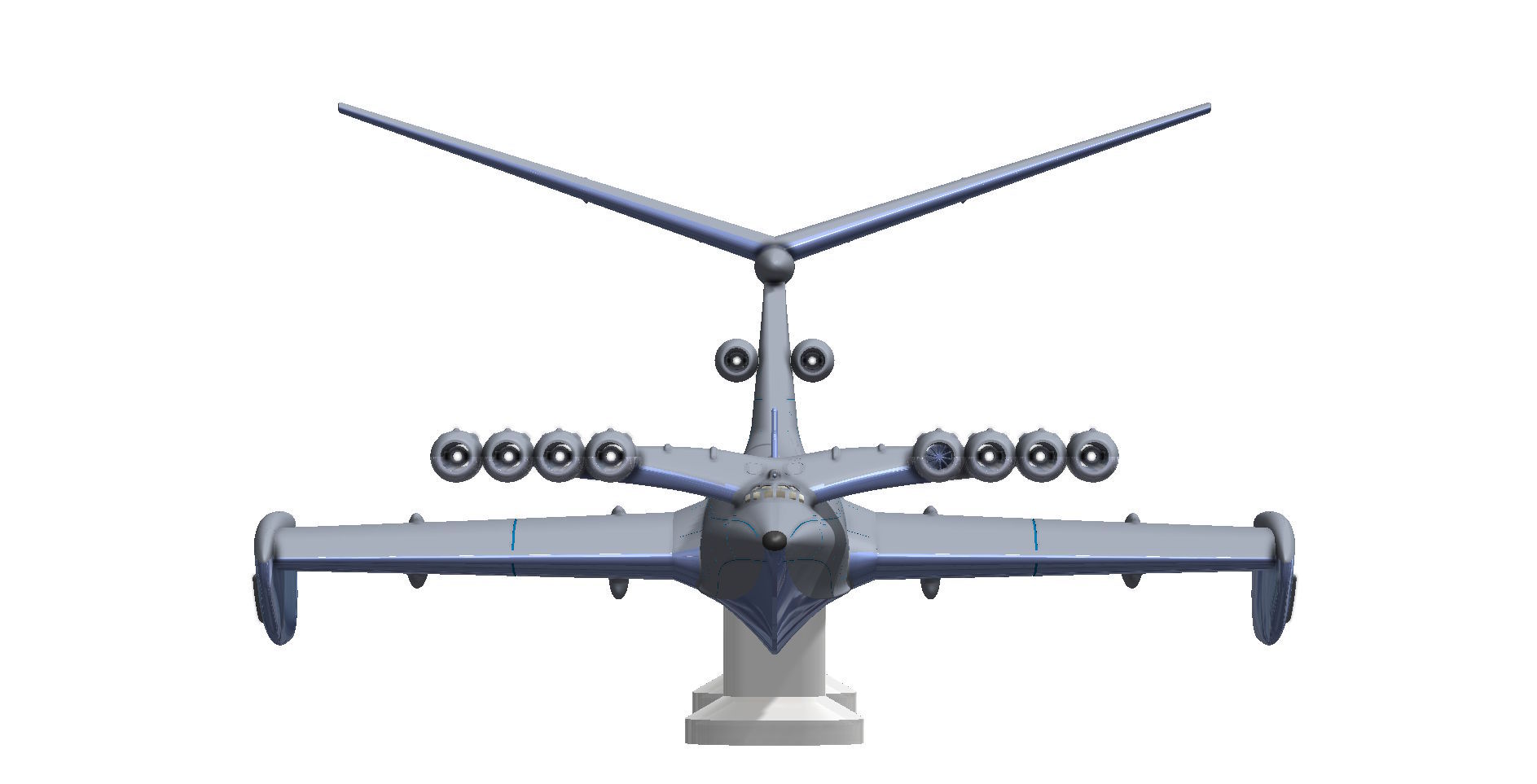
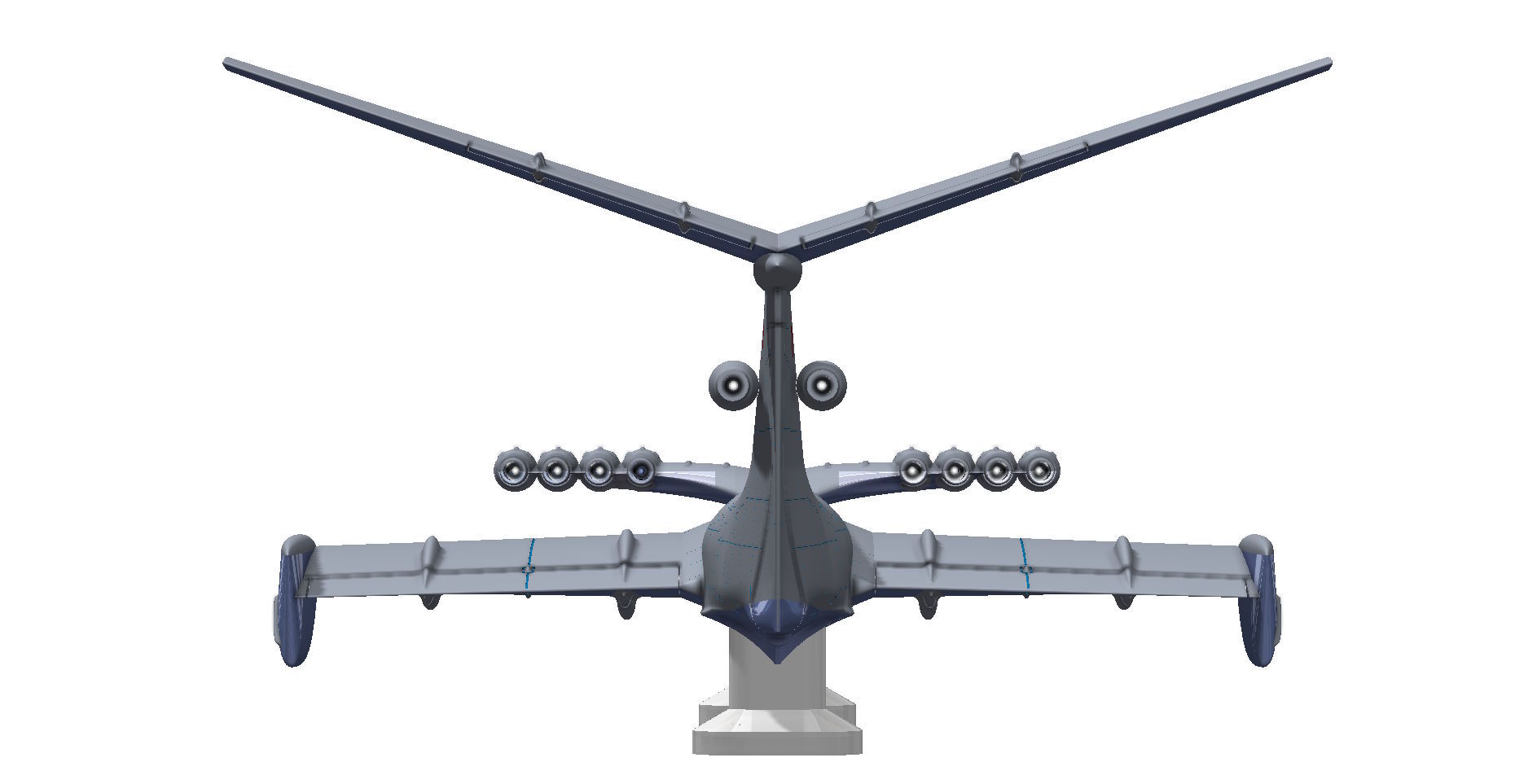
In the heat of the Cold War, when the world’s superpowers were racing to outfly, outswim, and outthink each other, the Soviet Union quietly unleashed something that defied all categories. It wasn’t quite a plane, not really a boat, and certainly not a submarine — yet it managed to borrow a bit from each. They called it the KM Ekranoplan, but NATO, baffled by satellite photos of a gigantic winged machine skimming the surface of the Caspian Sea, simply dubbed it “The Caspian Monster.” The name stuck, and deservedly so.
The Ship That Couldn’t Stay Afloat: The Breathtaking (and Brief) Voyage of the Vasa
In the golden age of naval might, when ships were the superweapons of empire and pride floated on salted winds, Sweden set its sights on maritime glory. Enter the Vasa, a warship so lavish, so majestic, and so doomed that it sailed straight from royal ambition into the sea floor—in under 20 minutes.
This isn’t your average tale of maritime disaster. The Vasa’s story is equal parts engineering marvel, political drama, and tragicomic miscalculation. Continue reading for the rest of the story and a free STL file for 3d printing your own Vasa. We also have a paid model, 1m long, RC compatible, and with more details. Get the 100 piece model from here.
rear and side figures are detachable, use as many as you like.Read More
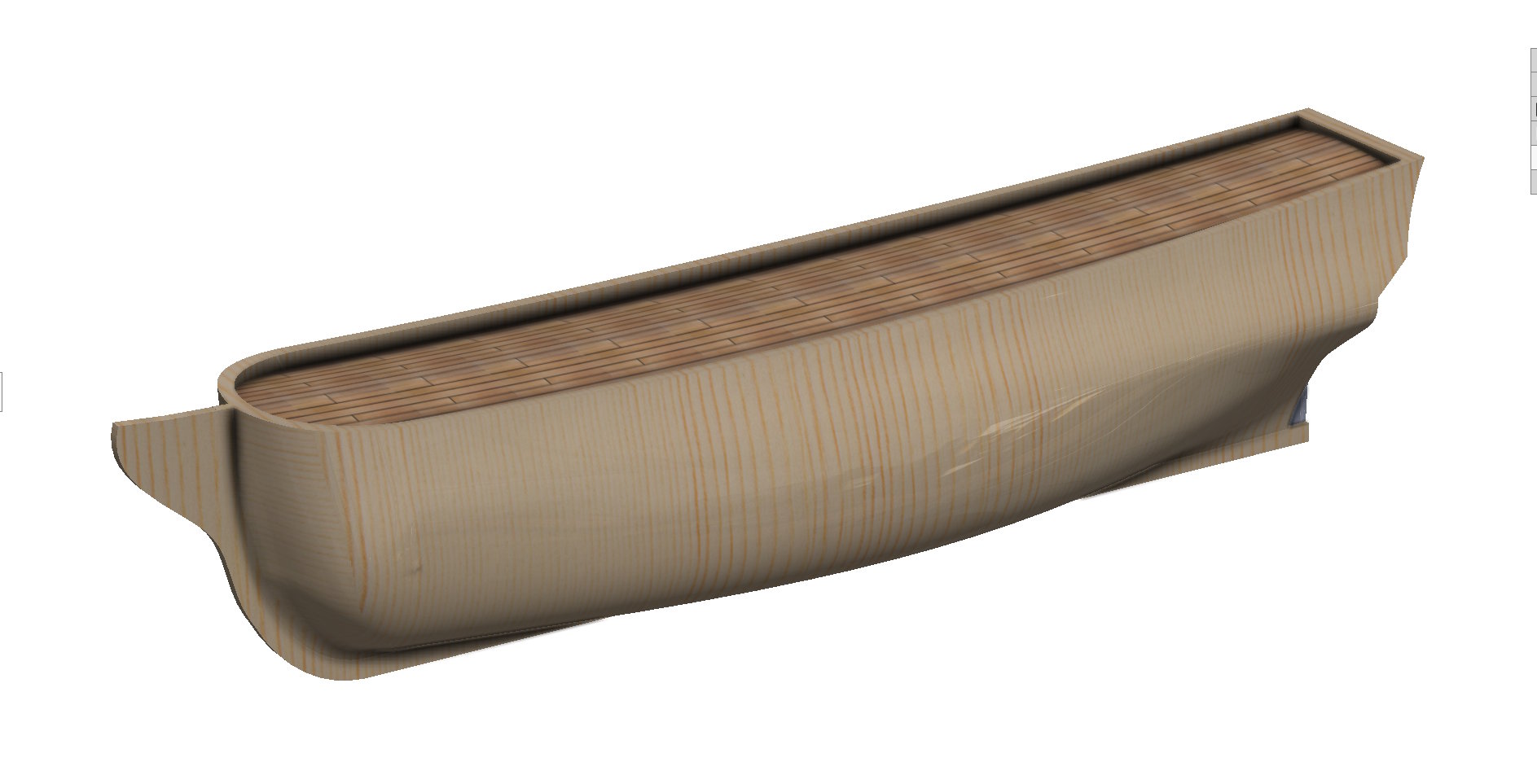
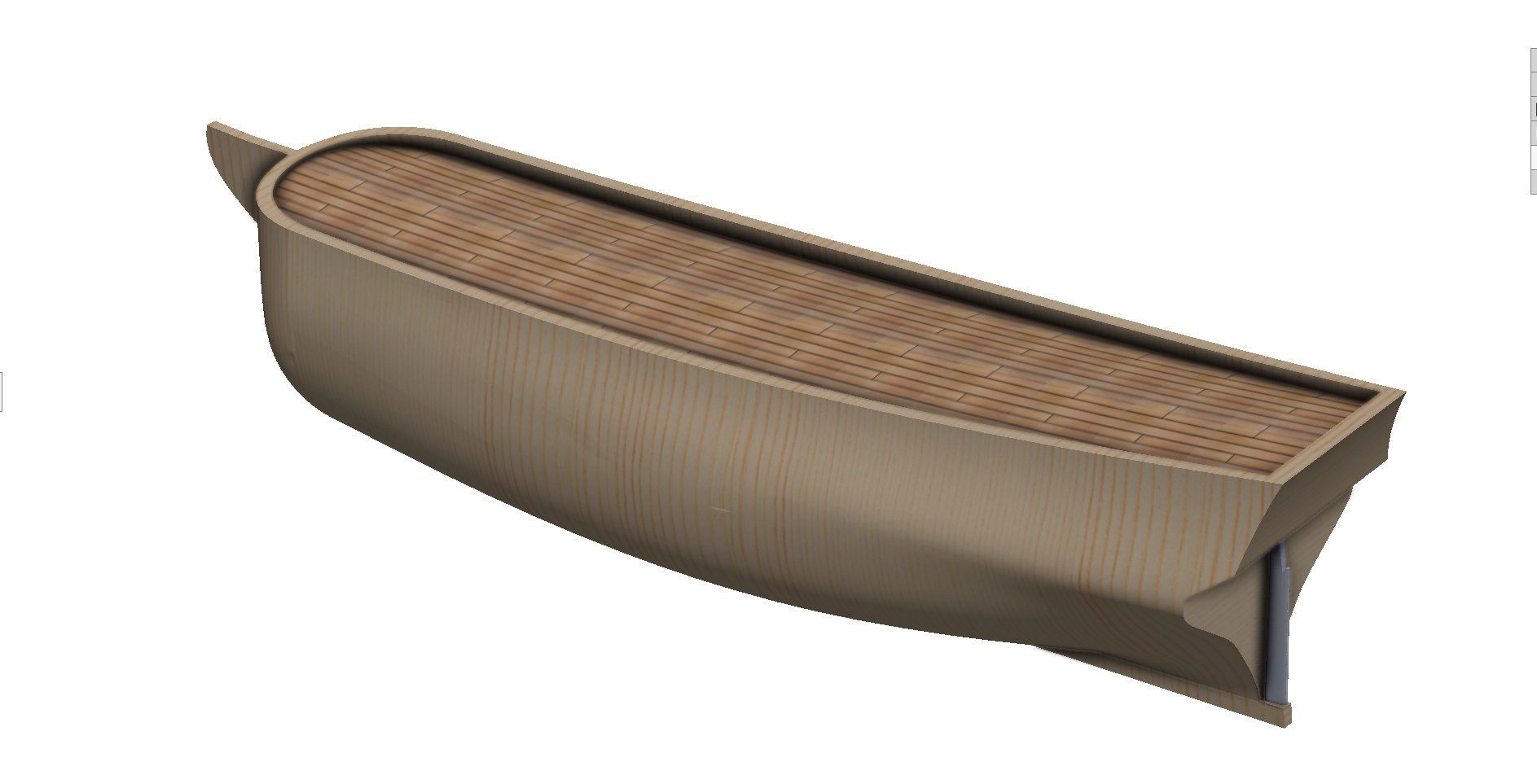
⚓ Set Sail in Style: Download the 3D-Printable Hull of a 50-Gun Frigate — Free and Ready for Your Next Project
Whether you’re a model ship enthusiast, a history lover, or a maker looking for your next detailed print, this is your boarding call.
We’re excited to offer a free, high-quality 3D model of a 50-gun frigate hull inspired by real ships from the golden Age of Sail. Designed with careful attention to historical proportions and practical printability, this hull is the perfect foundation for those building remote-controlled boats, static display models, dioramas, or even educational replicas.
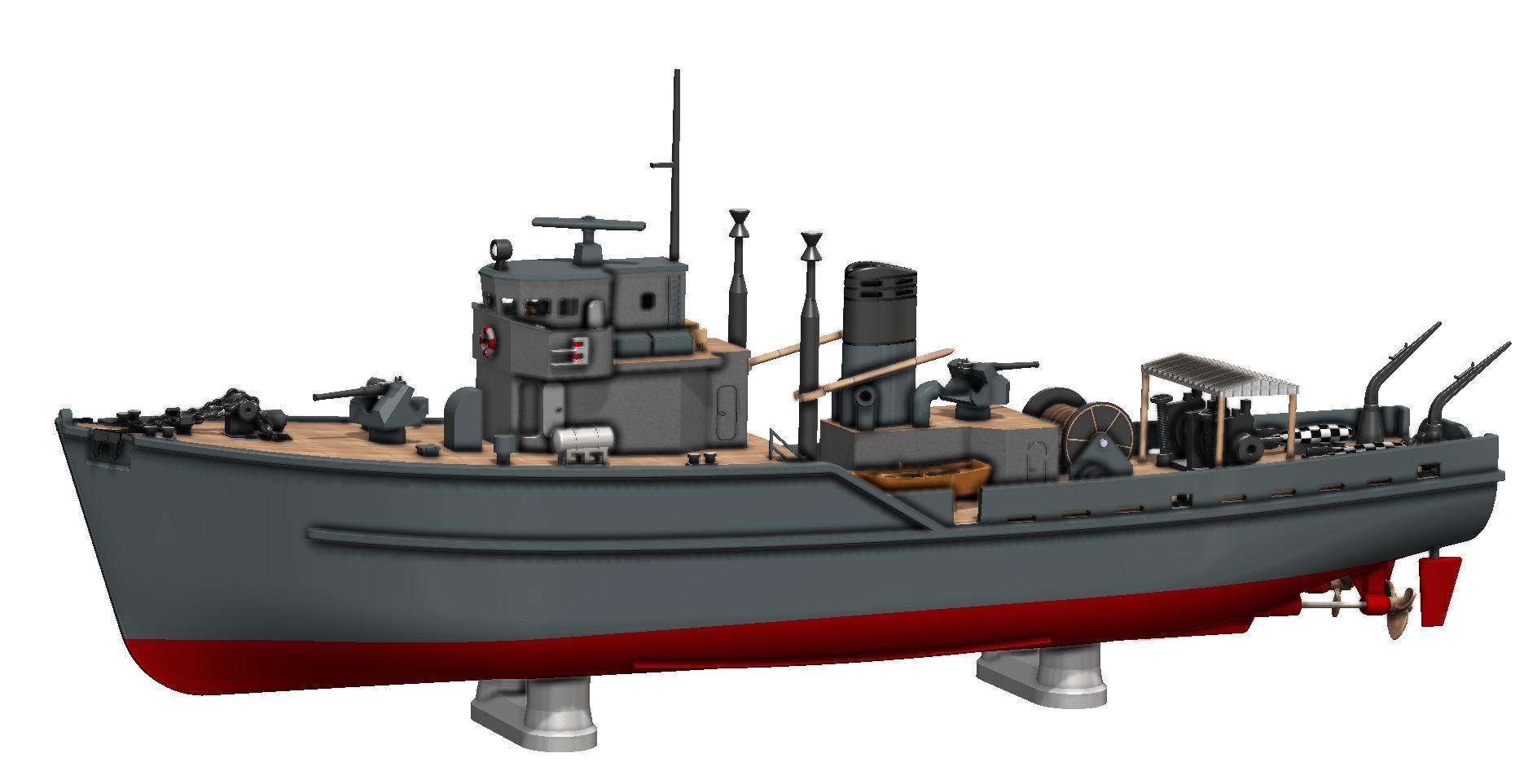
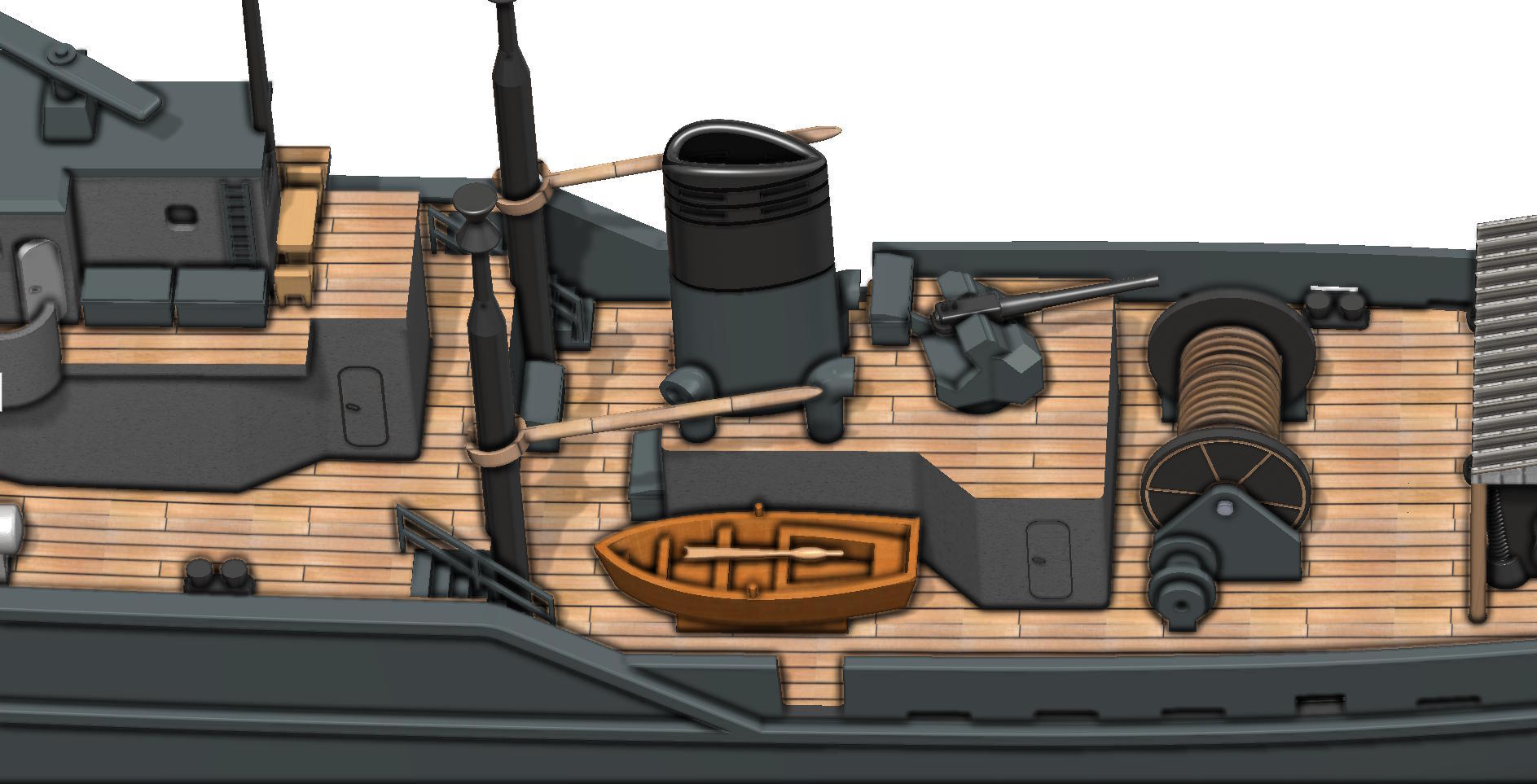
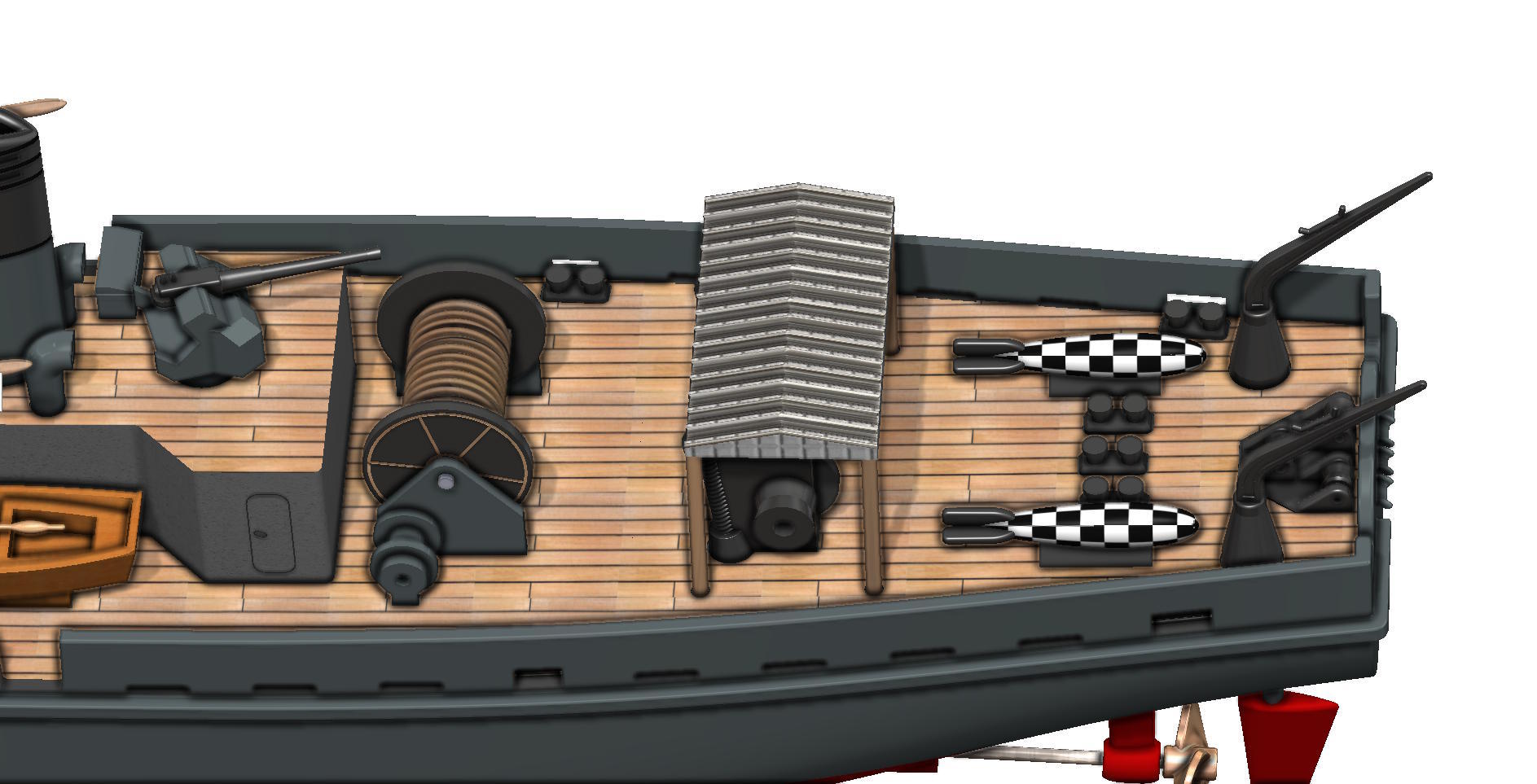
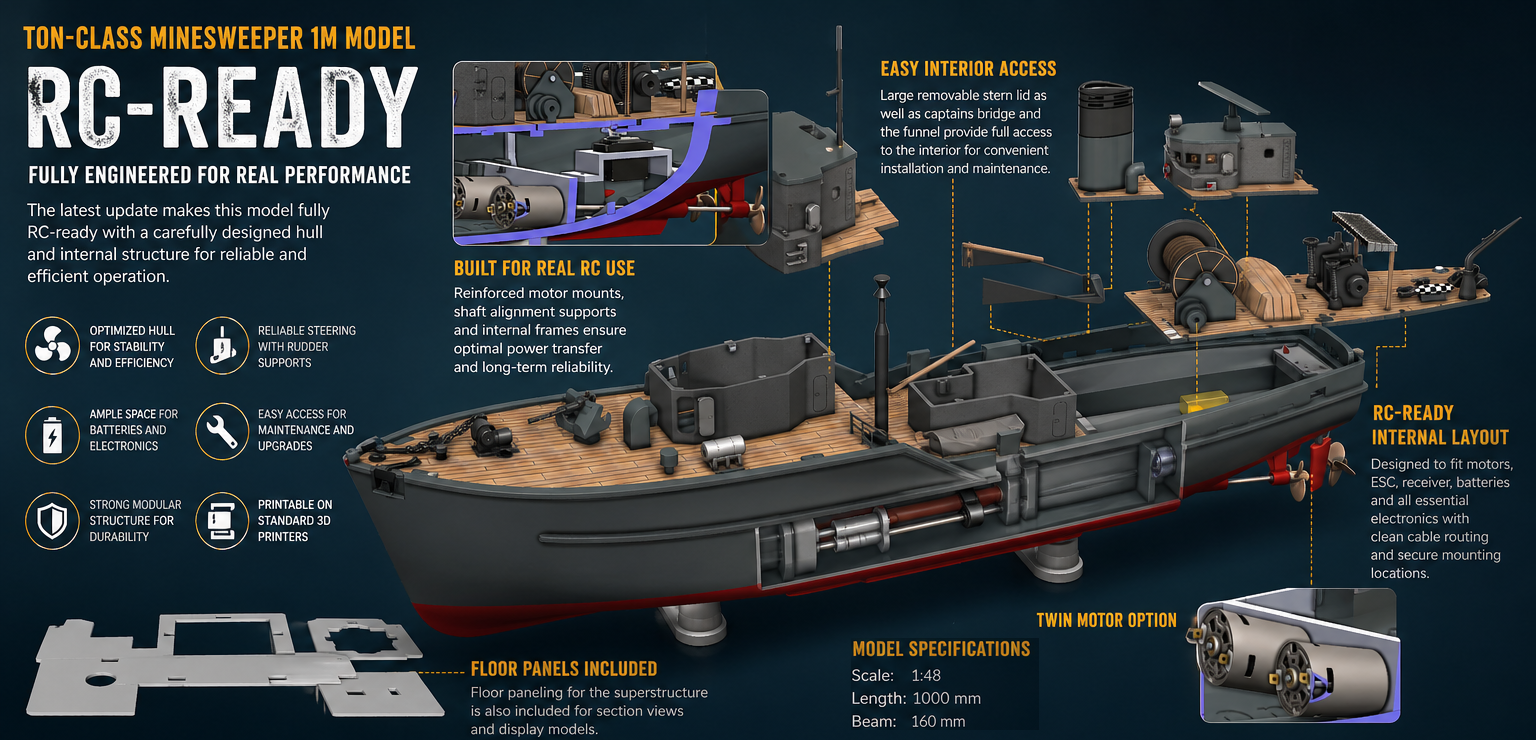
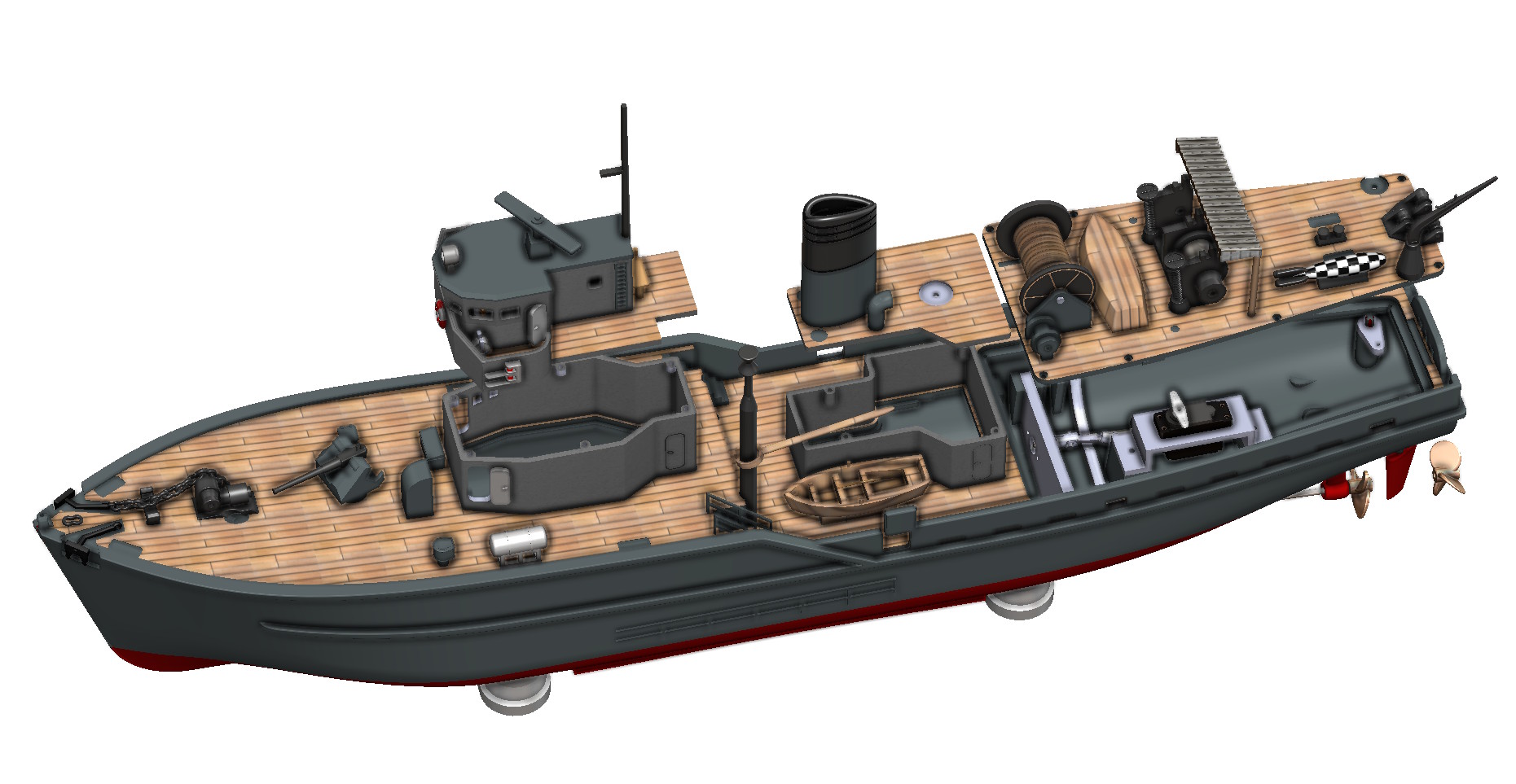
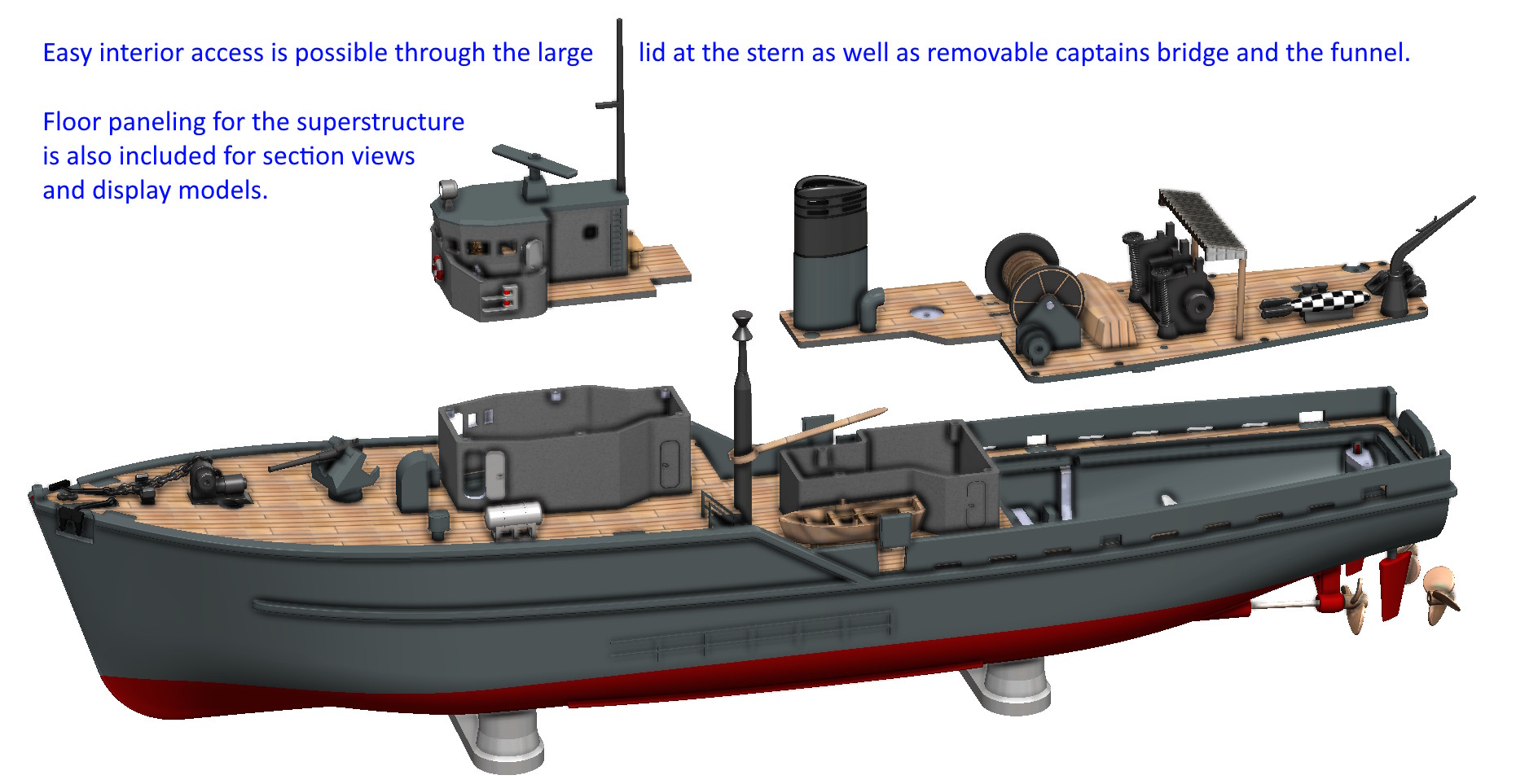
During the tense decades of the Cold War, the Royal Navy quietly operated a fleet of specialized vessels designed not for battle, but for survival—of fleets, ports, and shipping lanes. These were the Ton-class minesweepers, an unglamorous yet vital class of ships that ensured safe passage through mine-infested waters across the globe. Though small in size, their contribution to post-war naval security and NATO maritime operations was significant.
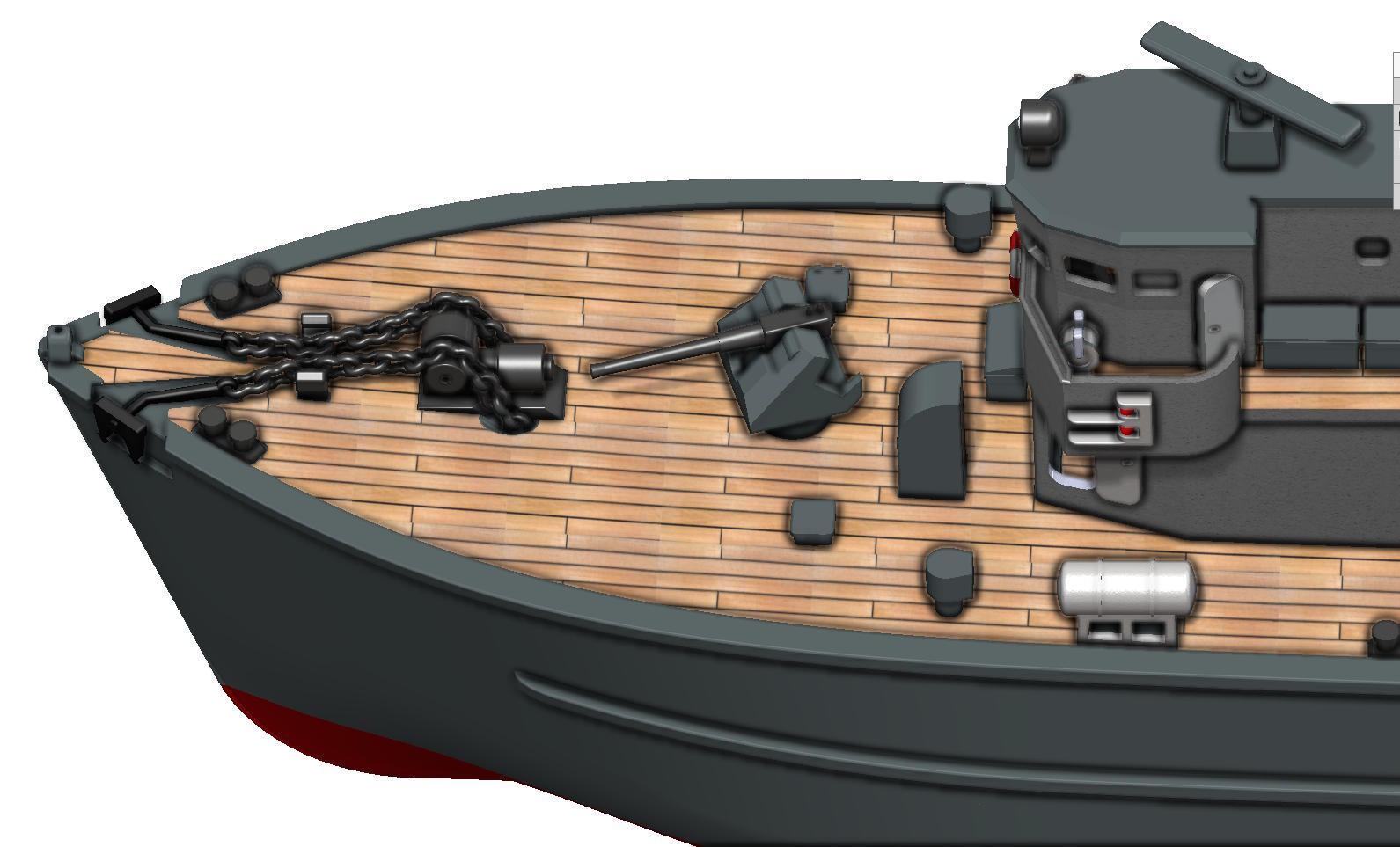
(wood paneling seen in the renderings are textures only, the 3D model has flat deck surfaces.)
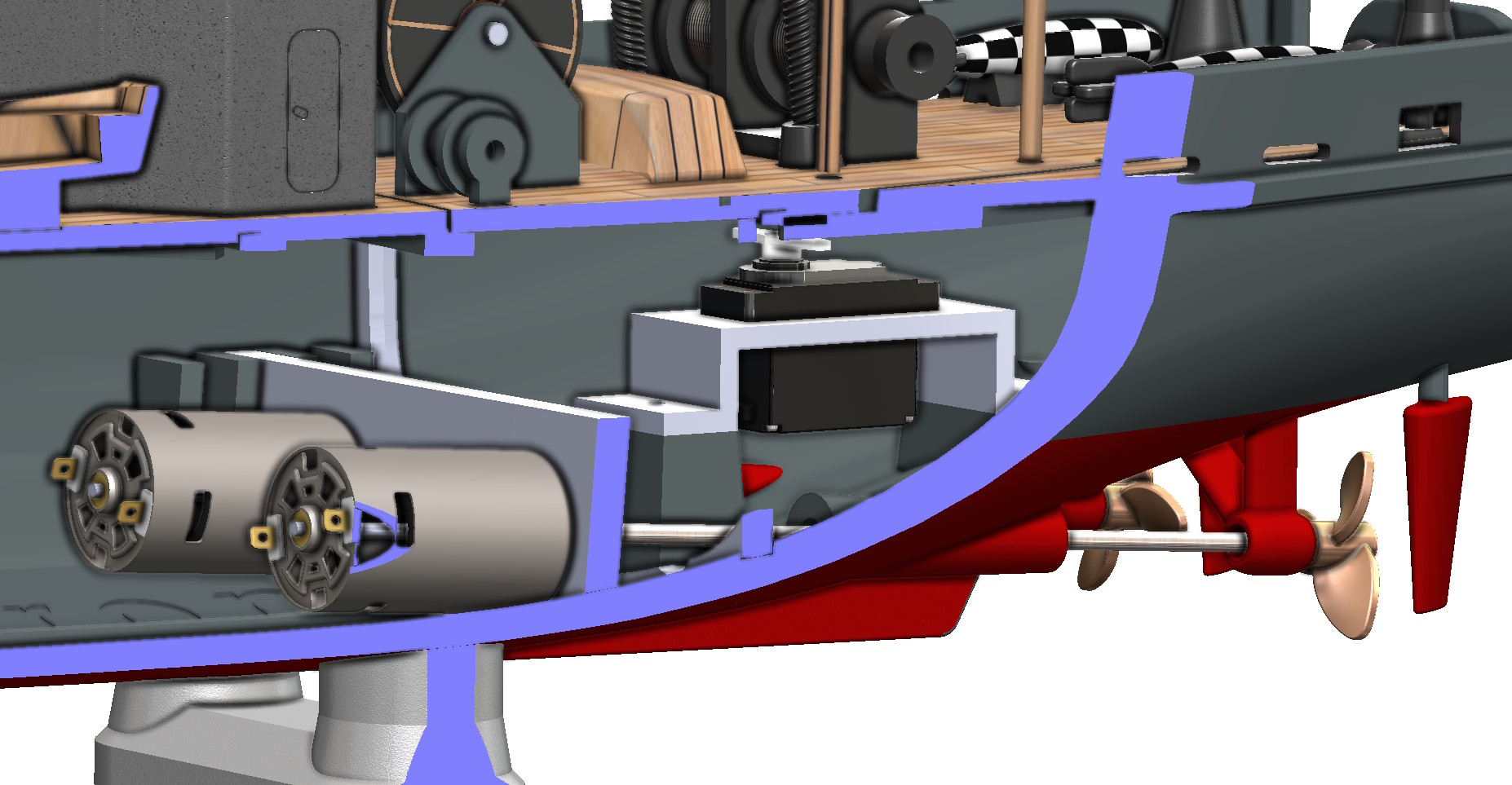
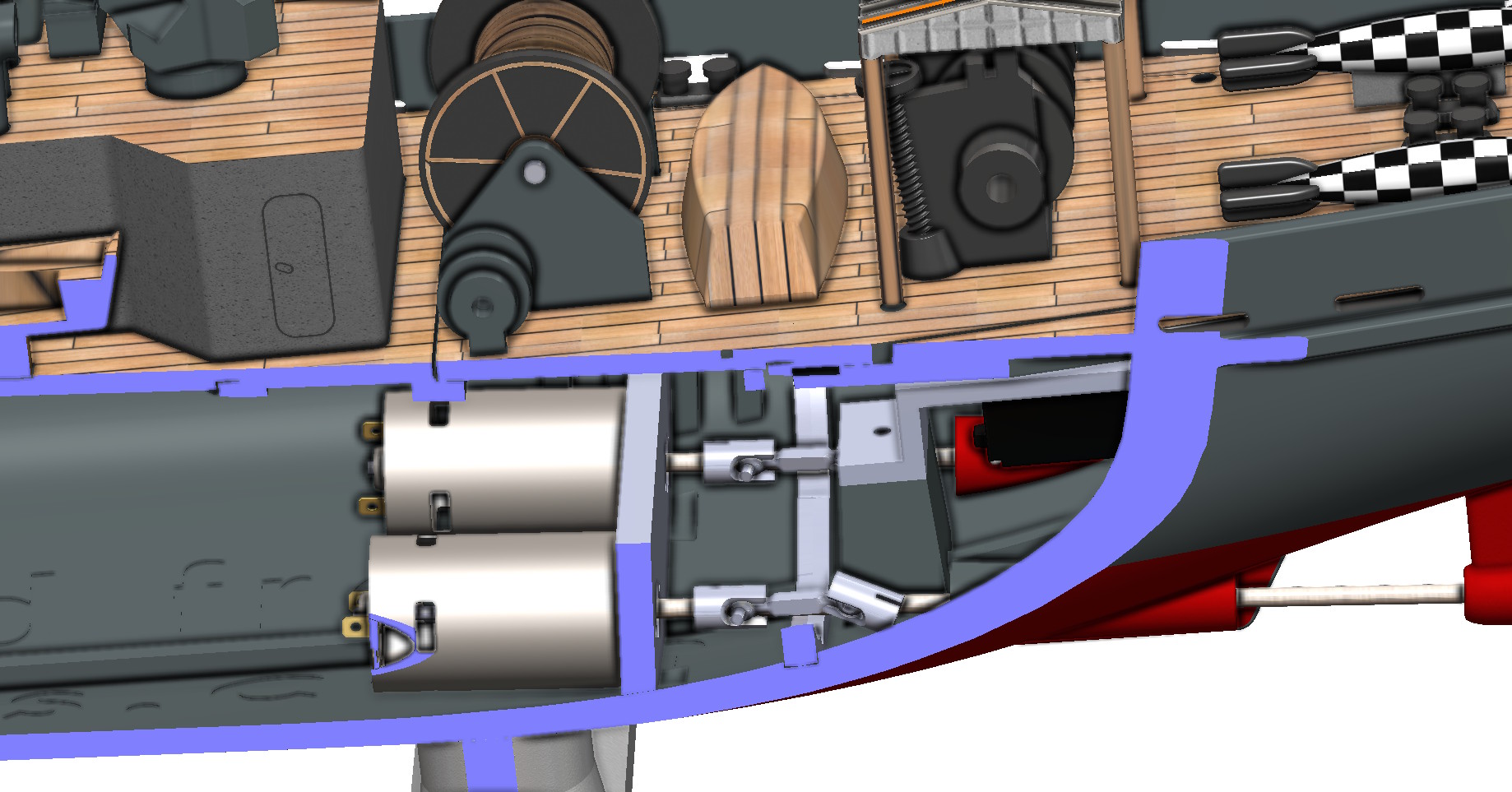
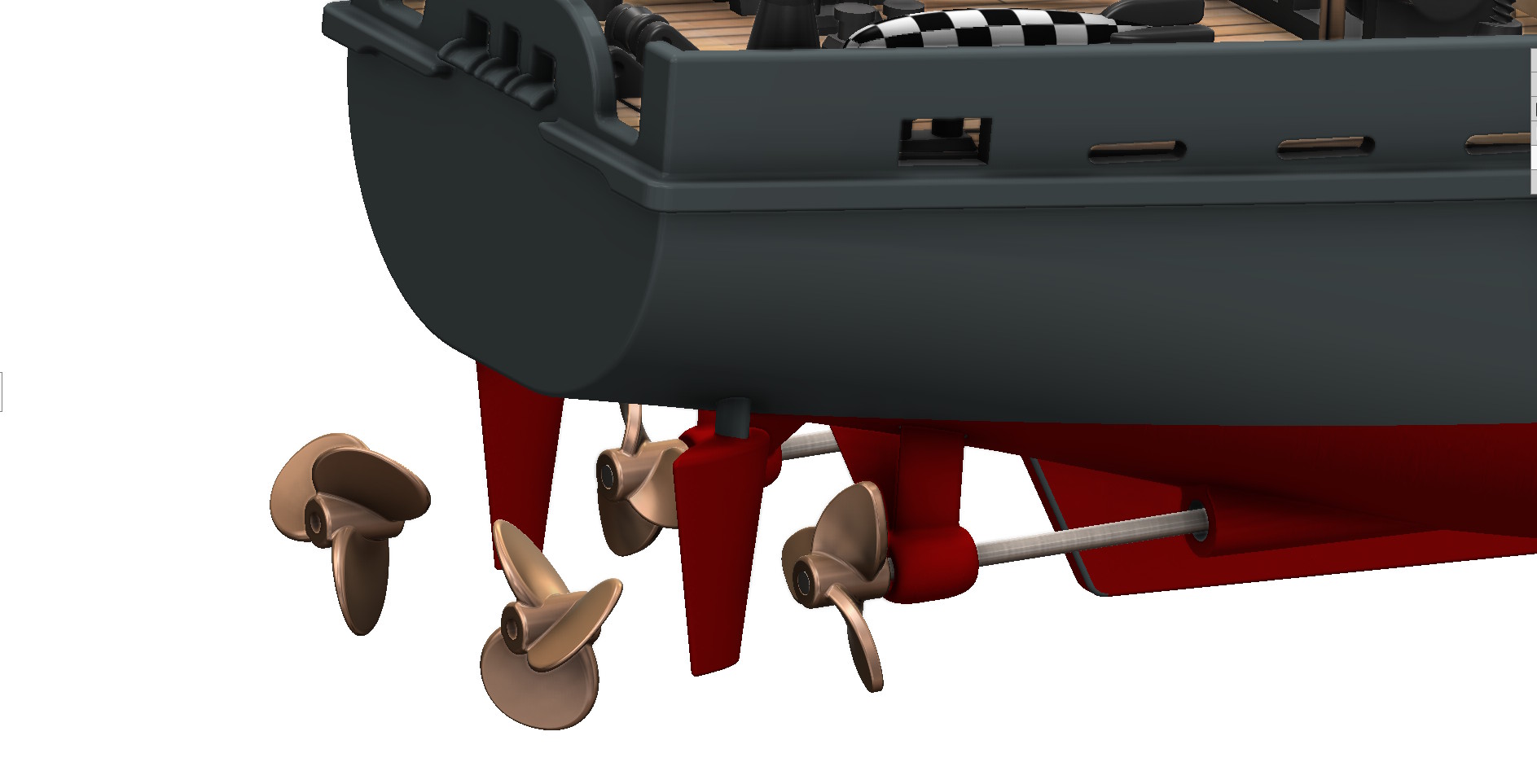
This article includes a 1m 3D model of the Ton Class that can be printed, painted and used for display purposes. The interior of the model is empty and hull has approximately 5-6mm thickness all around making this model a candidate to be converted to a remote controlled boat. There is also a free STL file for a tabletop display model of the Hull Class. You can download it by using the link at the end of the article. Enjoy and please share this page on your social media. If you want to purchase the paid model, HERE IS THE PURCHASE LINK.
In the shadowy depths of the world’s oceans lurks a metal shark with a nuclear heart—the USS Greeneville, one of the most spirited troublemakers in the illustrious Los Angeles-class of submarines. This is not your grandfather’s rusty U-boat; the Greeneville is a 6,000-ton underwater Ferrari armed with torpedoes, missiles, and enough sonar gear to make a dolphin jealous. She’s been patrolling the deep since 1996, and if submarines had high school yearbooks, the Greeneville would’ve been voted “Most Likely to Accidentally Bump Into Things.” One of her more famous (okay, infamous) moments came in 2001, when she surfaced under a Japanese fishing vessel during a demonstration for civilian guests. No one said nuclear-powered stealth boats were great at parties.
Continue reading for more information and your free Greeneville tabletop model STL file. We also have a 1m R/C convertable model, consisting of 40 hi rez parts for easy printing, If you want to support our site and start a great project —–> Get the 3d model from here.
Imagine you’re sailing on a ship, the sun is shining, the waves are gentle… and suddenly, the entire vessel starts tilting backward like a sinking submarine! Panic? Nope. If you’re aboard the RP FLIP, this is just another day at work.
The Floating Instrument Platform (FLIP) is not your average research ship—it’s the ultimate party trick of oceanography. Built in 1962 by the U.S. Navy and Scripps Institution of Oceanography, FLIP was designed for one thing: flipping! Unlike normal ships, it can stand vertically in the water, like a giant floating thermometer. How? Well, about 90% of its 108-meter (355-foot) length is just a hollow, ballast-filled tube. To “flip,” the crew floods the rear compartments with water, and slowly—over the course of 20–30 minutes—the ship tips up until it’s completely vertical. It’s like watching a giant whale doing a slow-motion backflip, except it never falls over.
19 separate pieces are freely downloadable at the end of this article. Please continue reading to download.
We also have a high-poly version with interlocking details and bulkheads between parts for easier printing-assembly and a stronger model. Convertible to RC. You can get it from here.
The Kilo-class submarine is like the ninja of the seas—stealthy, deadly, and almost impossible to detect. Built by the Russians, these diesel-electric attack submarines have been around since the 1980s, and despite their age, they’re still making waves (literally). NATO gave them the name “Kilo-class,” but the Russians call them Project 877 Paltus, and the upgraded versions go by Project 636 Varshavyanka—because apparently, long, complicated names make things sound cooler.
Continue reading for more info, renderings and a free STL file for 3d printing your own Kilo Class.
John Philip Holland, an Irish-born engineer and inventor, was a visionary whose daring spirit and ingenuity helped shape the future of submarine warfare. His journey into underwater navigation began with a bold and risky experiment: the construction and personal testing of a one-man submarine in 1878.
At a time when the concept of a practical, fully submersible vessel was met with skepticism, Holland refused to be discouraged. Instead, he designed and built a 14-foot-long experimental submarine, known as Holland I, which was powered by a simple hand-cranked propulsion system and equipped with ballast tanks for controlled submersion.
Continue reading for more info and free STL files for the multi-part 3d model.