Building the Little Boat That Held the Line, Now at 1:26 Scale and RC-Ready
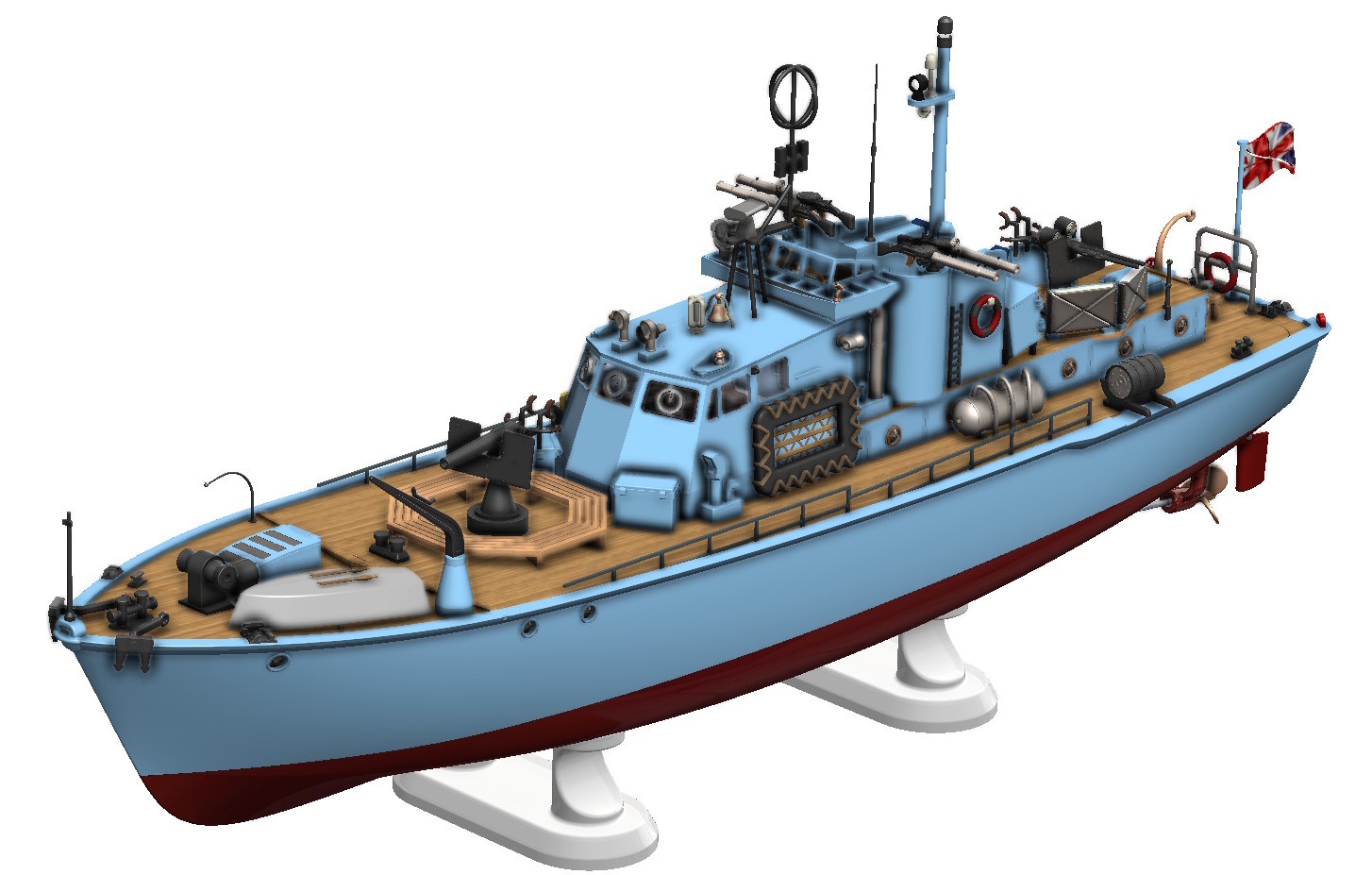
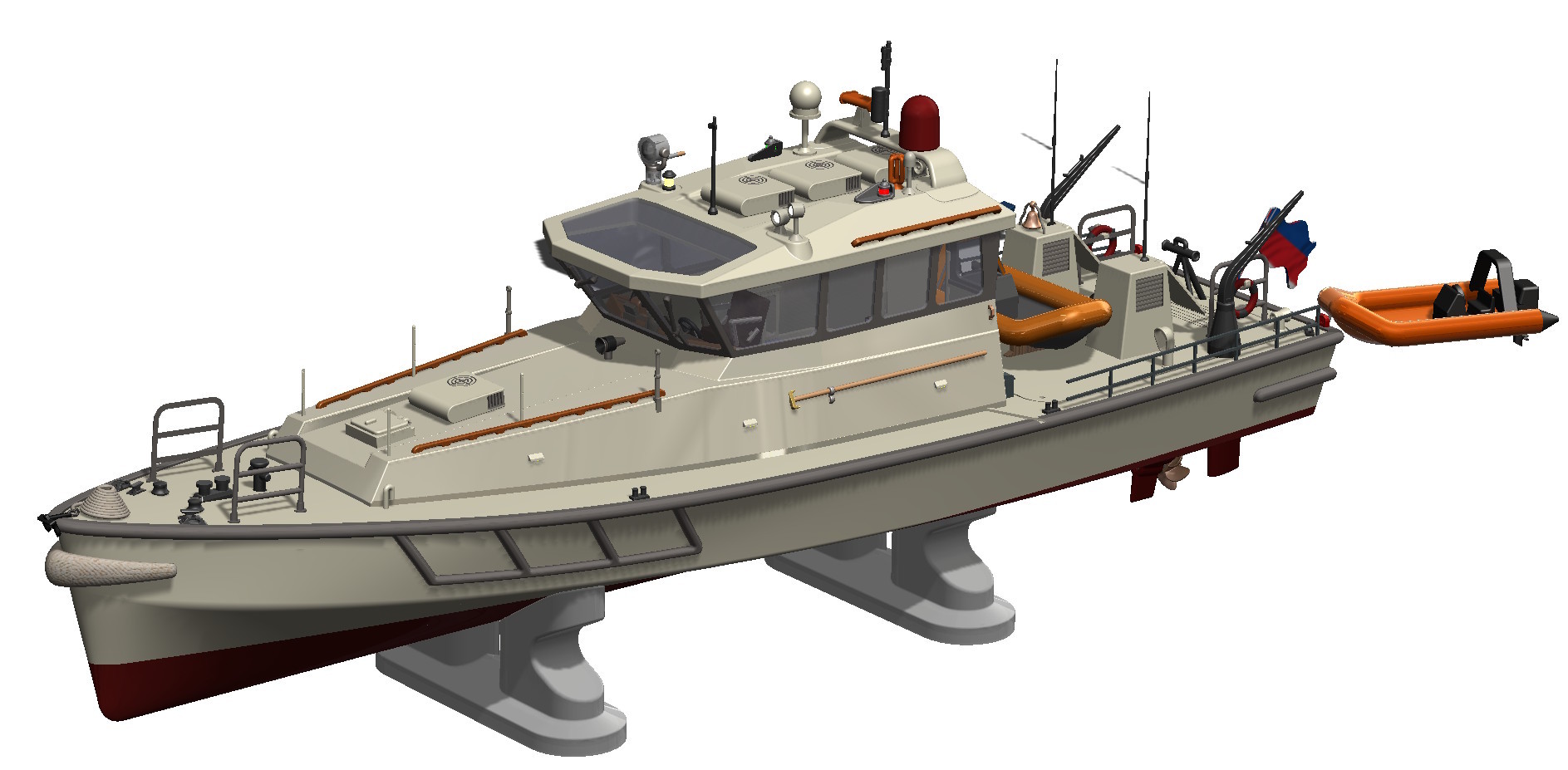
There are warships that win battles, and then there are the vessels that make winning possible. The Harbour Defence Motor Launch belongs firmly in the second category — a small, purposeful, unglamorous wooden workhorse that kept Allied harbours, anchorages, and coastal waters safe throughout the Second World War without ever seeking glory or recognition. It was never the fastest boat in the fleet, never the most heavily armed, and never the one the newspapers wrote about. But remove it from the picture and the entire logistical backbone of Allied naval operations becomes significantly more vulnerable. The HDML was, in the truest sense, essential.
Continue reading for the full story, or head straight to our Cults3D listing to get the 1:26 scale RC-ready HDML model.
RS 58 “Sørlandsskøyta”: Recreated as an RC-Ready 3D Printable Model
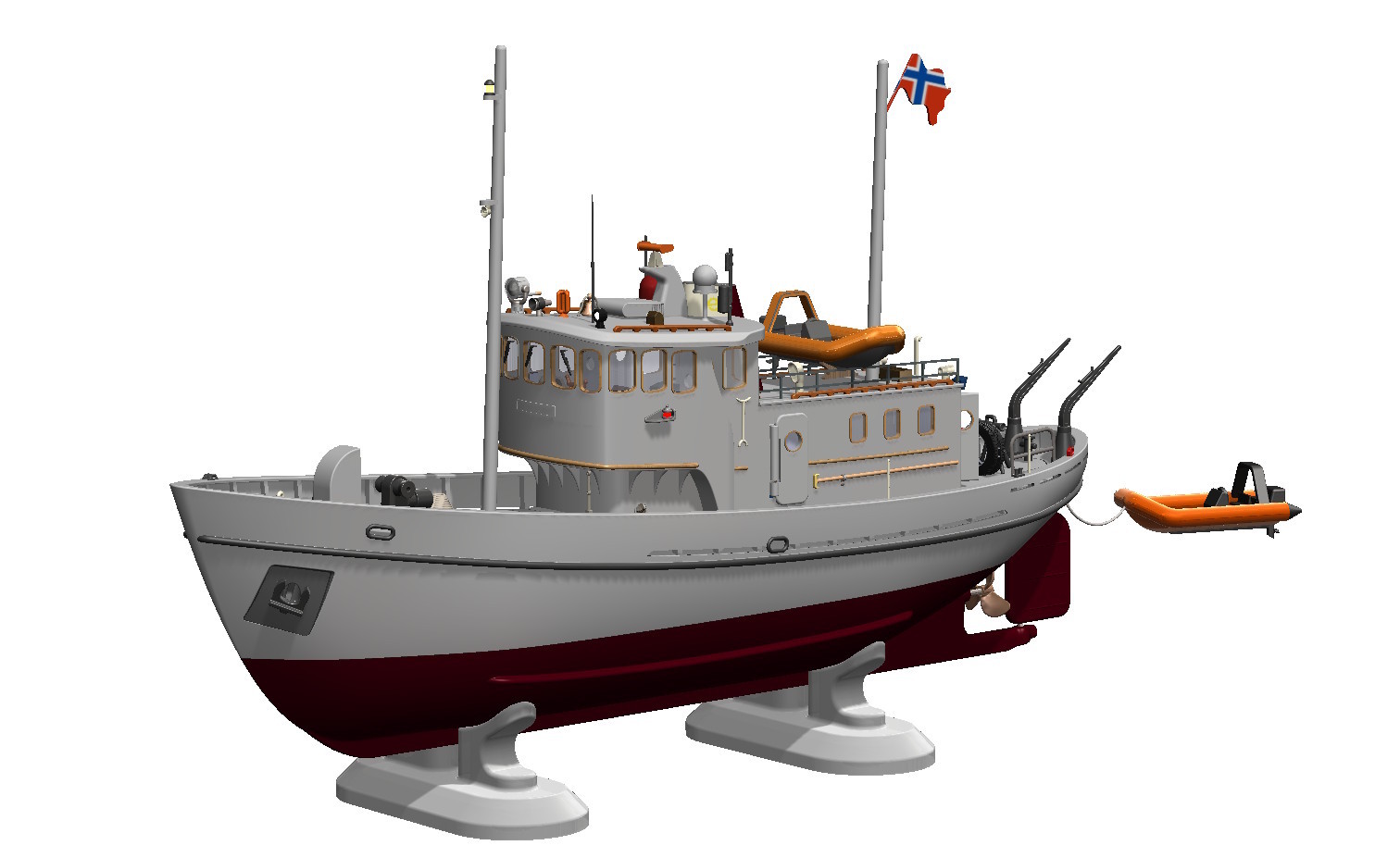
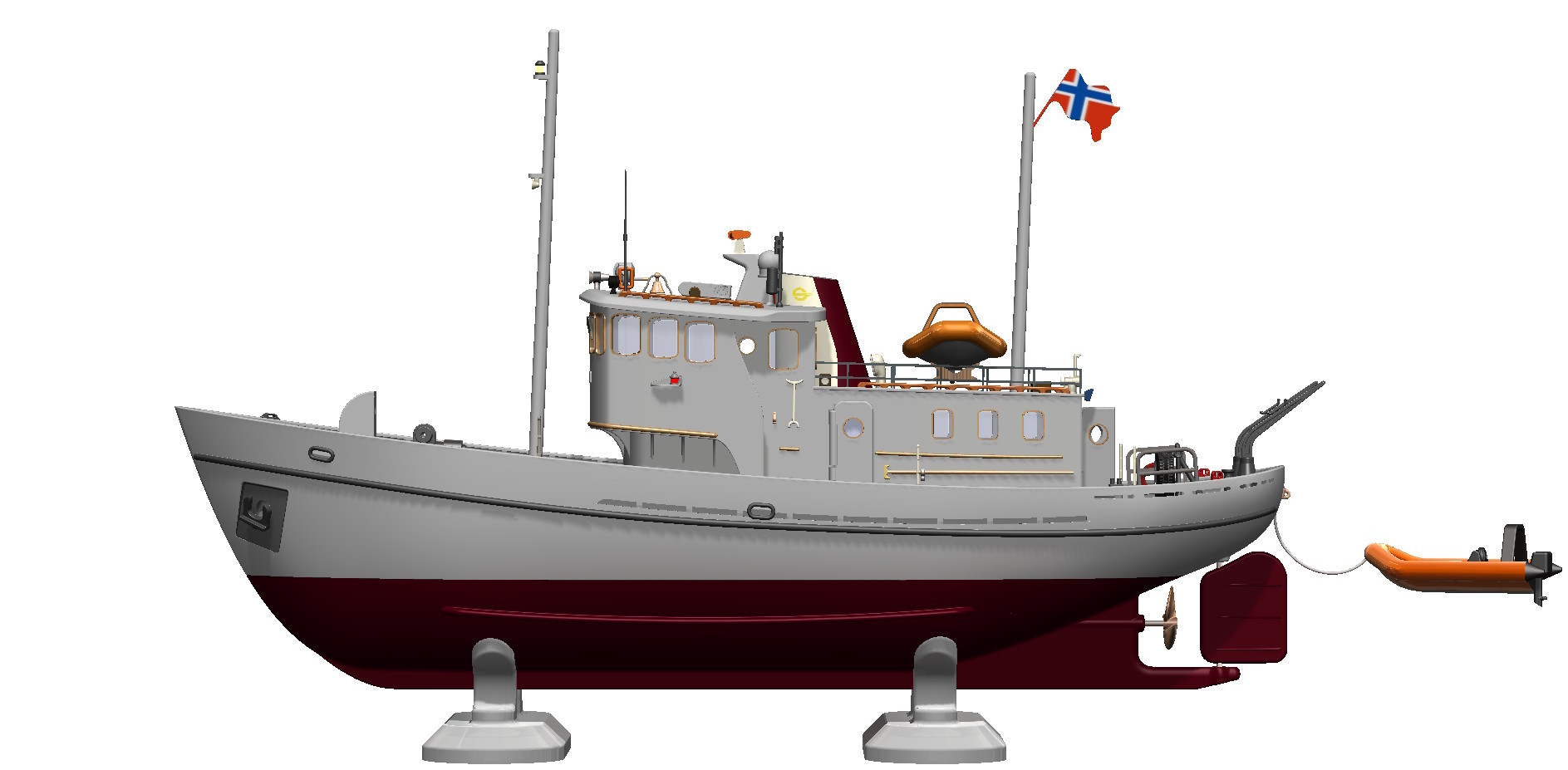
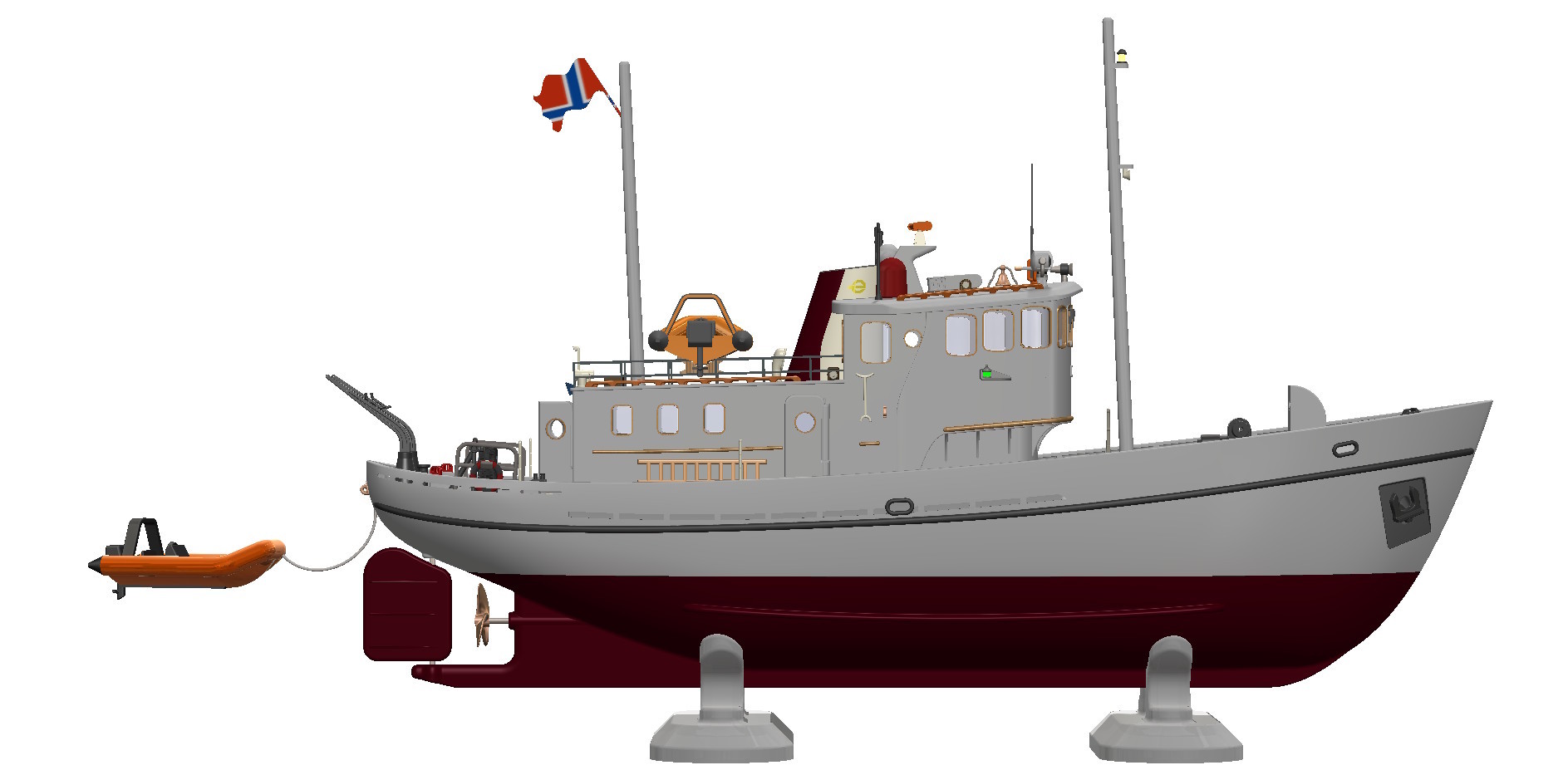
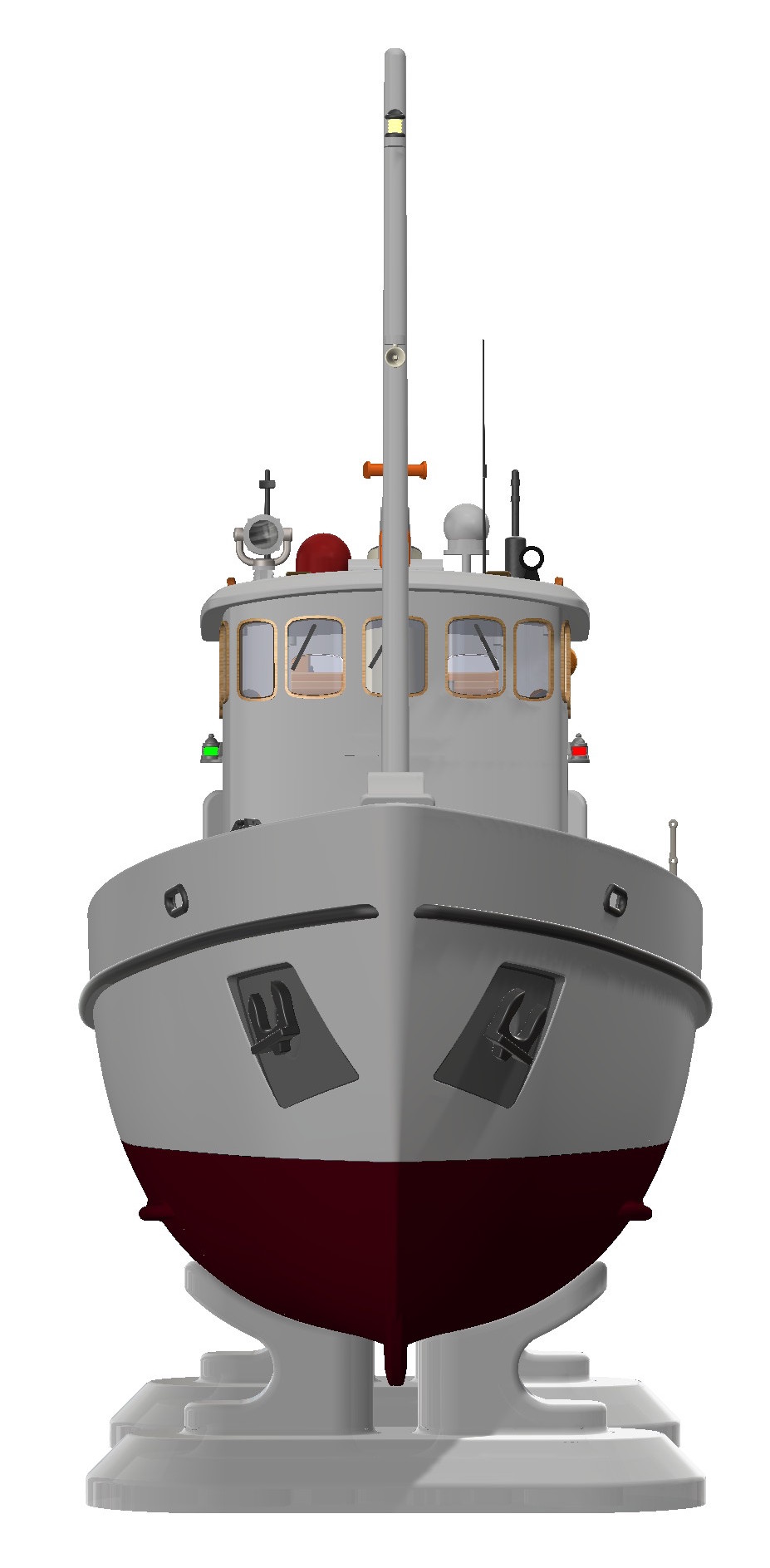
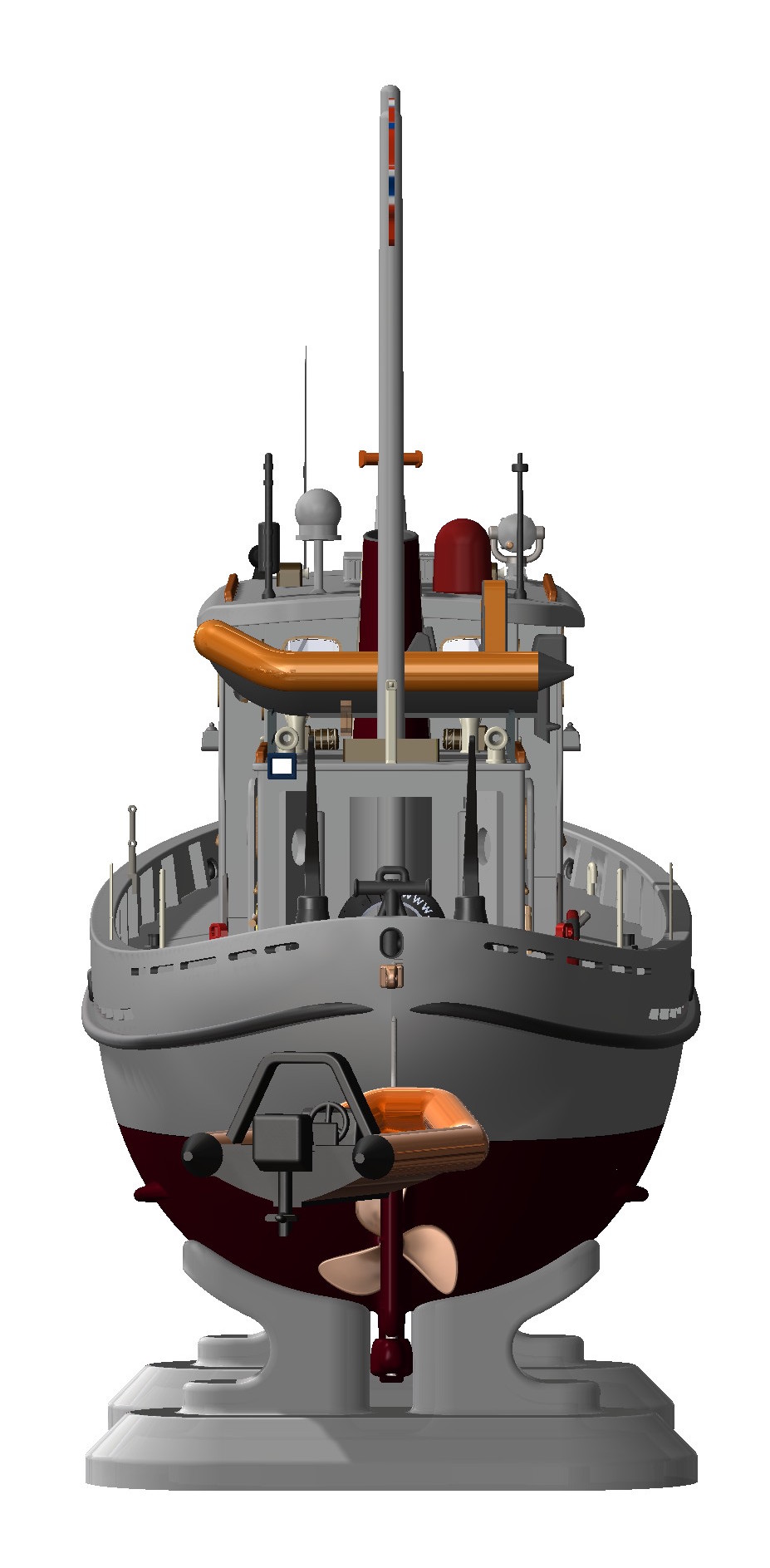
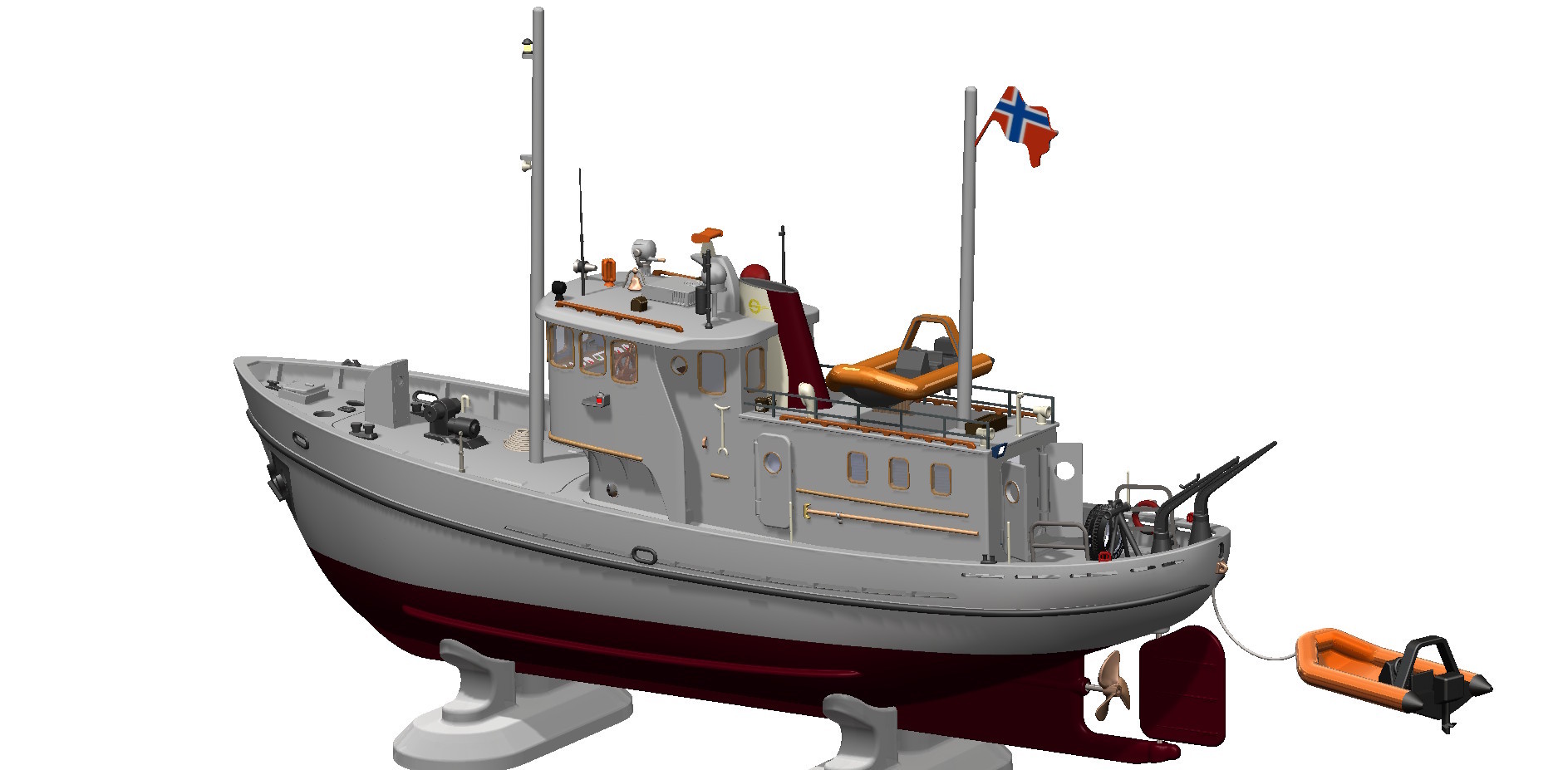
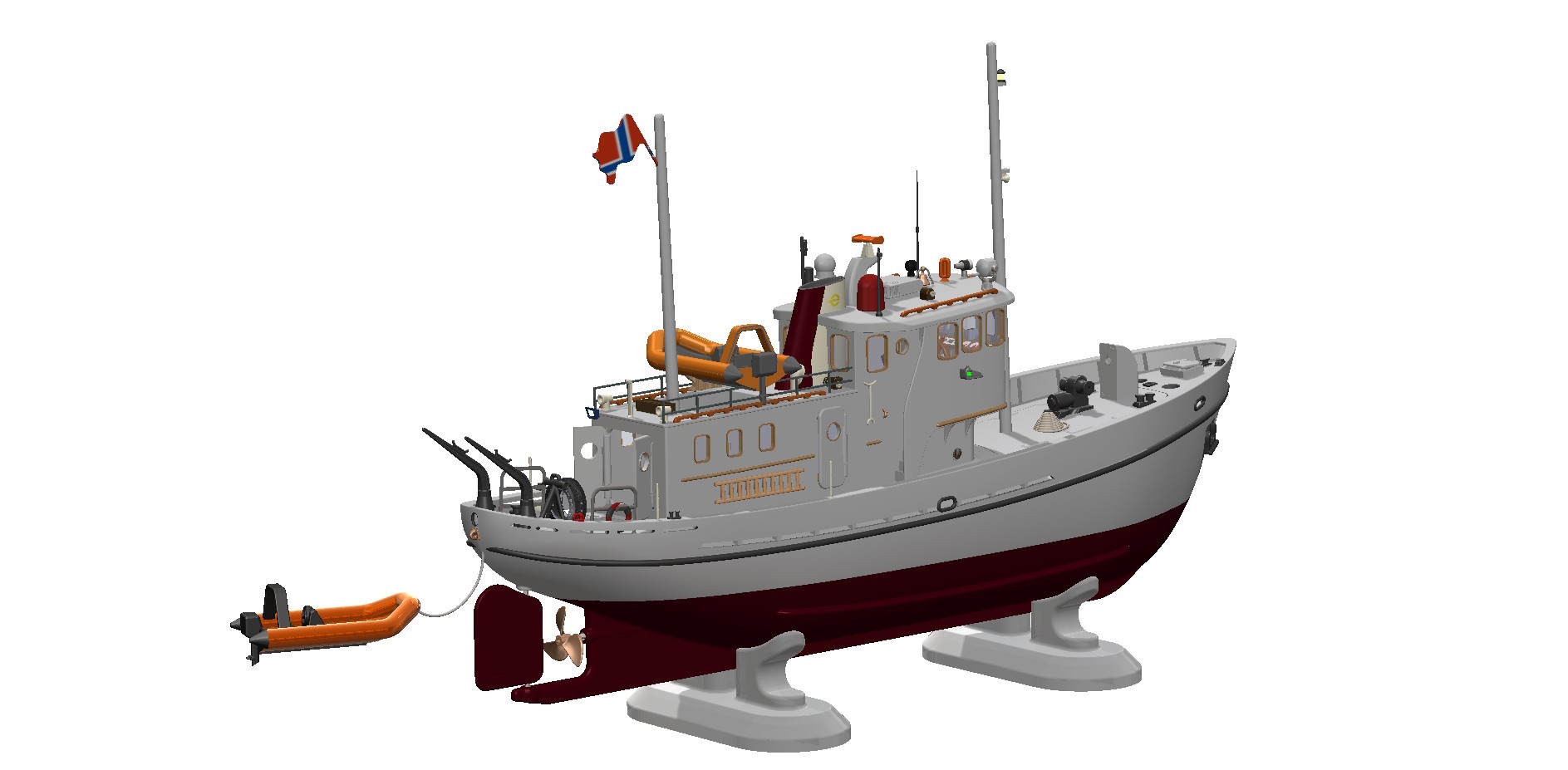
The history of maritime rescue is closely connected with the development of specialized vessels capable of operating in difficult coastal waters, often when ordinary boats could no longer safely do so. In Norway, this role has been carried out for more than a century by the Redningsselskapet, whose rescue boats have evolved alongside changes in boatbuilding technology, propulsion and the needs of coastal communities. Among the vessels from this period, RS 58 “Sørlandsskøyta” represents an important transition in Norwegian rescue-boat design. Launched in 1956 at Trosvik Verksted in Brevik, she was the first steel-hulled rescue boat in the Redningsselskapet’s fleet; after RS 58, steel became the standard hull material for the organization’s rescue boats. The vessel was designed by Rich. G. Furuholmen and entered operational service in 1956, remaining in service until 1987.
At 13 metres long, 4.03 metres wide and with a displacement of approximately 25 tonnes, Sørlandsskøyta was a relatively compact vessel, but she was designed for serious work. Her documented equipment included radar, direction-finding equipment, radio communication, a towing hook, hand-operated steering and anchor machinery, and a portable salvage pump. Her original engine was later replaced by a 170 hp General Motors diesel, giving the vessel a reported speed of approximately 9 knots. The boat’s working life extended over three decades and included service from Flekkefjord and Hvaler, followed later by service in Sør-Trøndelag before she was eventually used as a training and work vessel.
Pilot boats are among the most specialized vessels operating in and around commercial ports. Their primary task is to transport maritime pilots between shore and large vessels arriving at or departing from a port. The pilot boards a tanker, container ship, bulk carrier, cruise ship, or other large vessel and provides local navigational expertise, helping the ship safely negotiate approaches, channels, traffic, currents, and other local hazards. Although the pilot boat itself may be relatively small compared with the vessels it services, its operation is an essential part of the maritime transportation system. Pilot boats must be ready to make these transfers repeatedly, often around the clock and in weather conditions that would keep ordinary small craft in harbor.
An Accessible Art Deco Project From Norman Bel Geddes
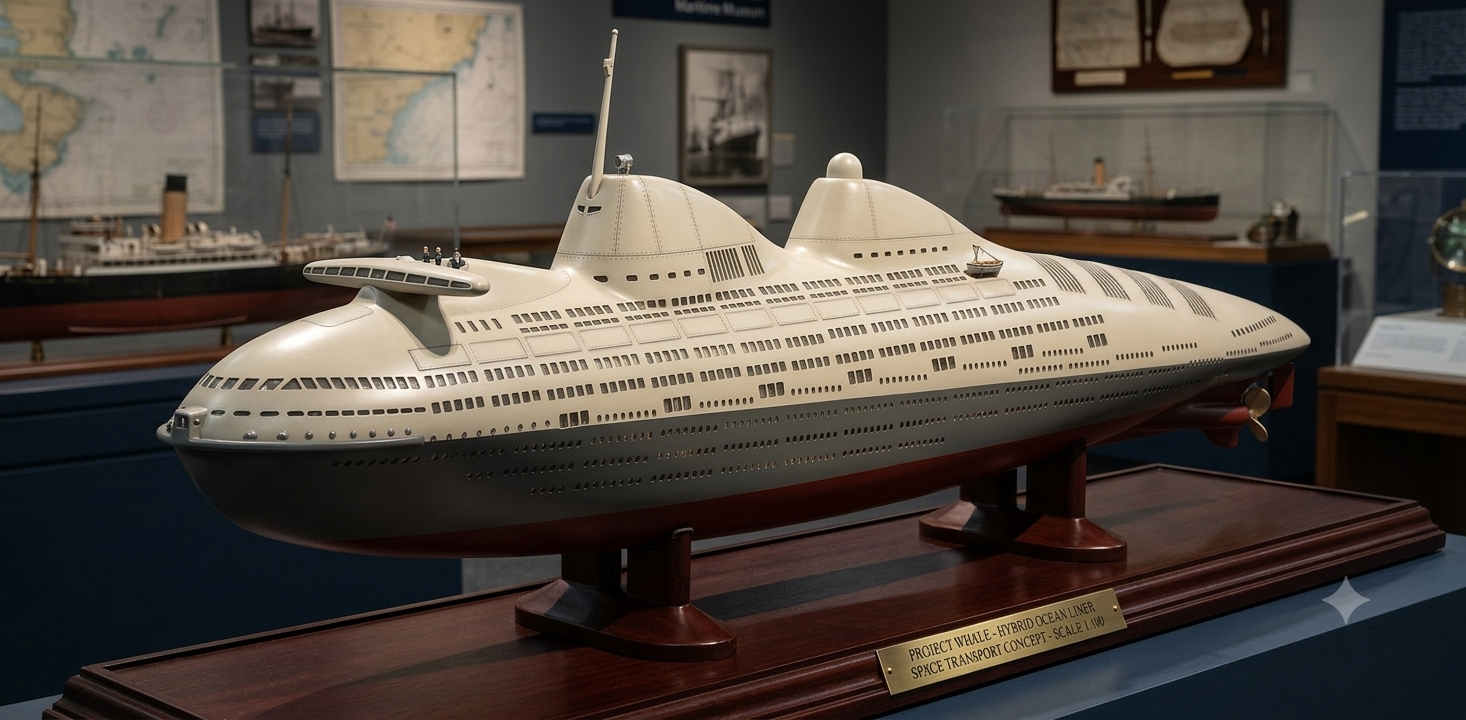
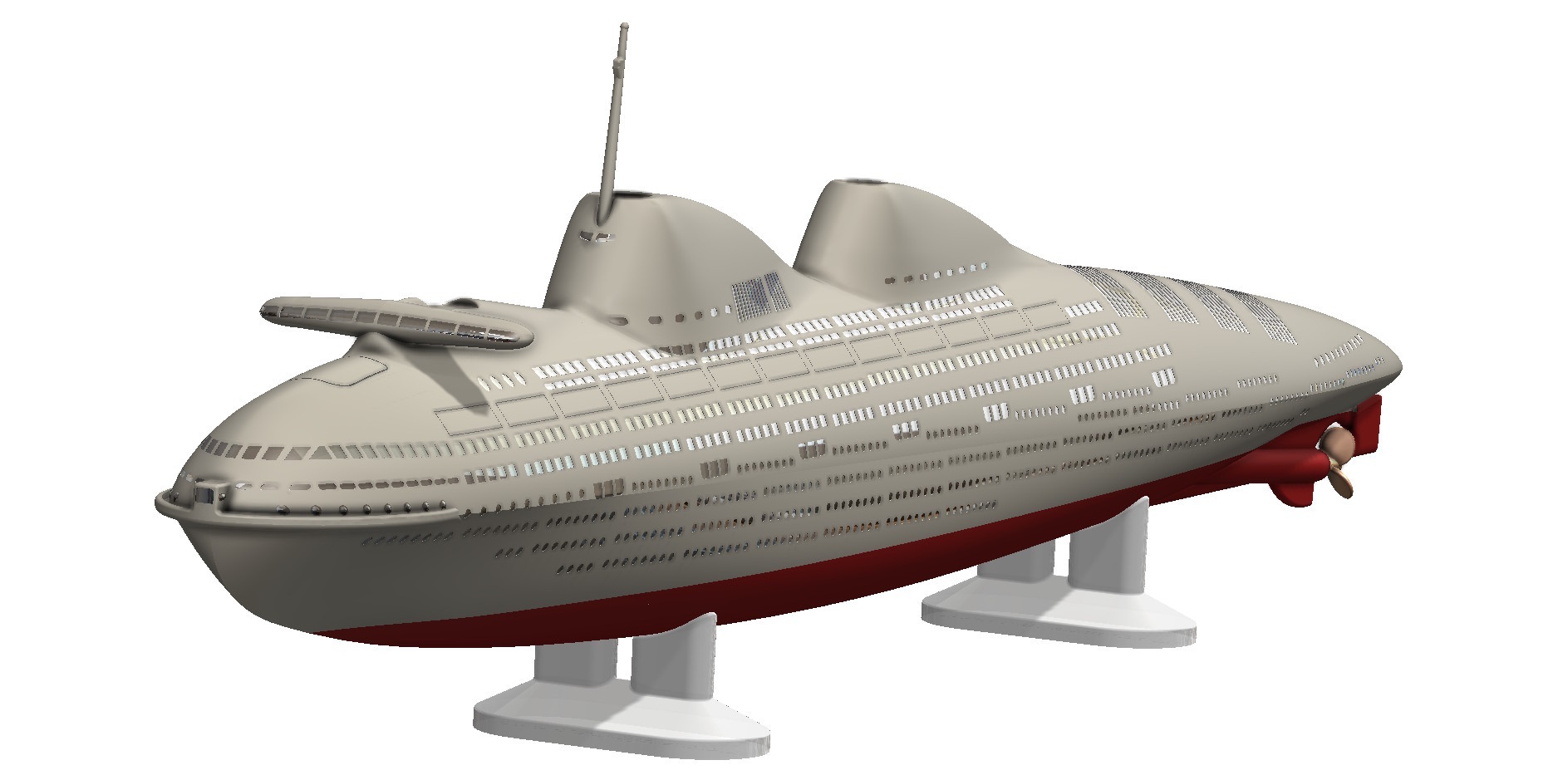
In 1932, legendary theatrical designer and industrial design pioneer Norman Bel Geddes published Horizons, a manifesto that helped define the Streamline Moderne movement. Among his most radical concepts was an aerodynamic, teardrop-shaped ocean liner affectionately dubbed the “Whale.” Designed with a smooth, completely enclosed superstructure, internal lifeboats deployed via launch chutes, and a futuristic aircraft hangar built directly into its giant twin funnels, this 1,083-foot titan was envisioned to slice through the Atlantic and shave an entire day off transatlantic crossings.
while this image is ai, the model is made by us in endtas studio.
Because the real-world ship was never built, it exists today only in historical patent blueprints, speculative illustrations, and archive records. Now, a new 3D-printable model from endtas brings this unbuilt legend onto desktop printers and into the water.
The interpretation of the design by endtas 3d models.
For those who have followed our journey at EnDTaS, the Lun-Class Ekranoplan has always been more than just a model to us—it is a symbol of audacious, boundary-pushing engineering. In our previous release (click here to open it in a new tab), we focused on capturing the sheer scale and imposing presence of the Soviet “Sea Monster,” providing a high-fidelity 1-meter replica for collectors and historians.
But for us, a static model is only the beginning. As a studio dedicated to Experimental Naval Designs, we asked ourselves: How do we move this behemoth from the shelf to the water?
From Display Piece to Dynamic Platform
The challenge of the Lun-class is its inherent contradiction: it is a massive, heavy-looking vessel that must remain light enough to exploit the ground effect. To translate this into a successful RC project, we couldn’t simply use the same geometry as the display model. Weight is the enemy of performance.
We are proud to introduce the Lun-Class Ekranoplan RC-Ready Lightweight Edition. This isn’t just a refinement; it is a complete engineering overhaul designed specifically for the motivated maker and RC enthusiast.
Continue reading for more information and renderings,
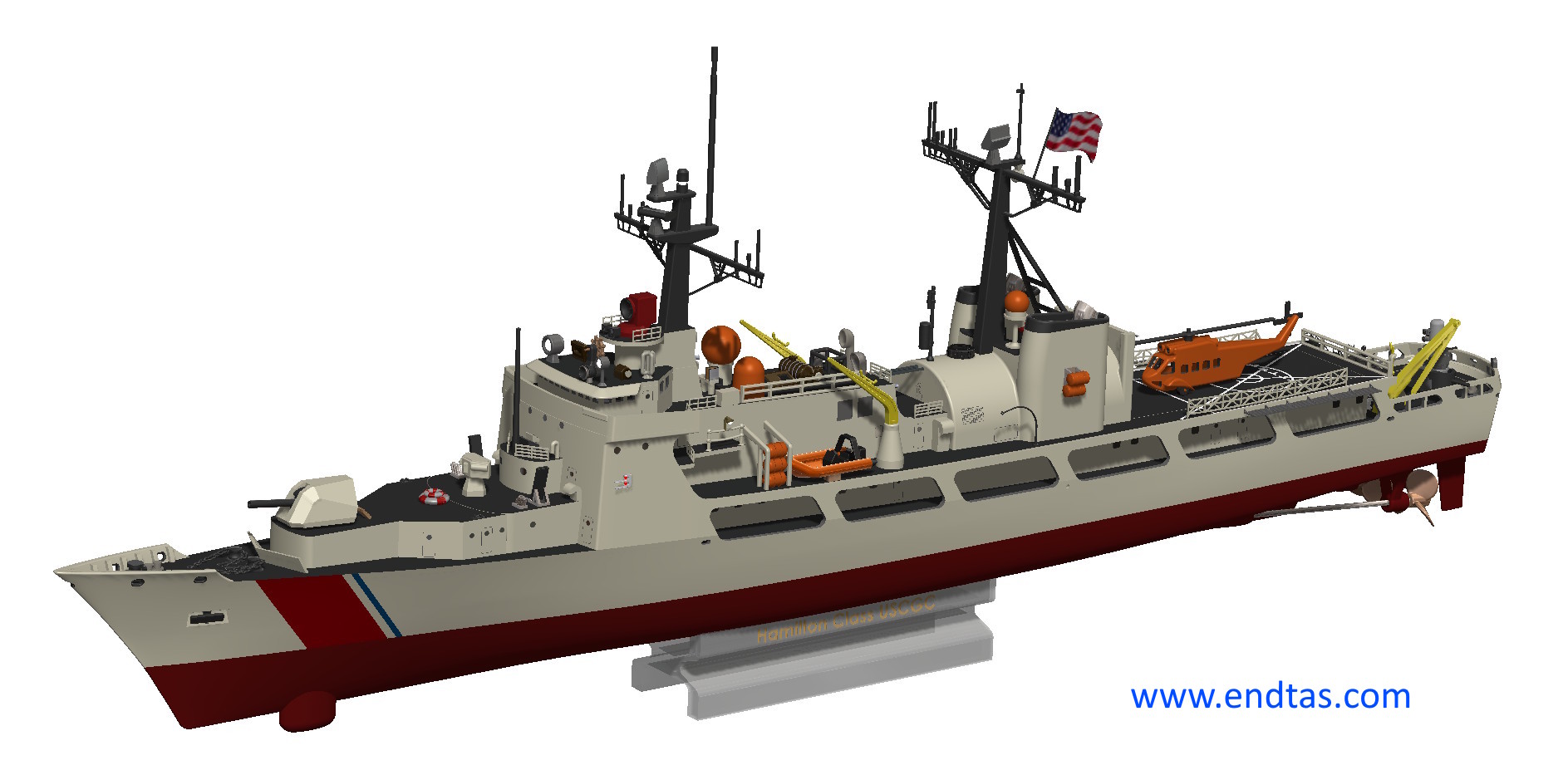
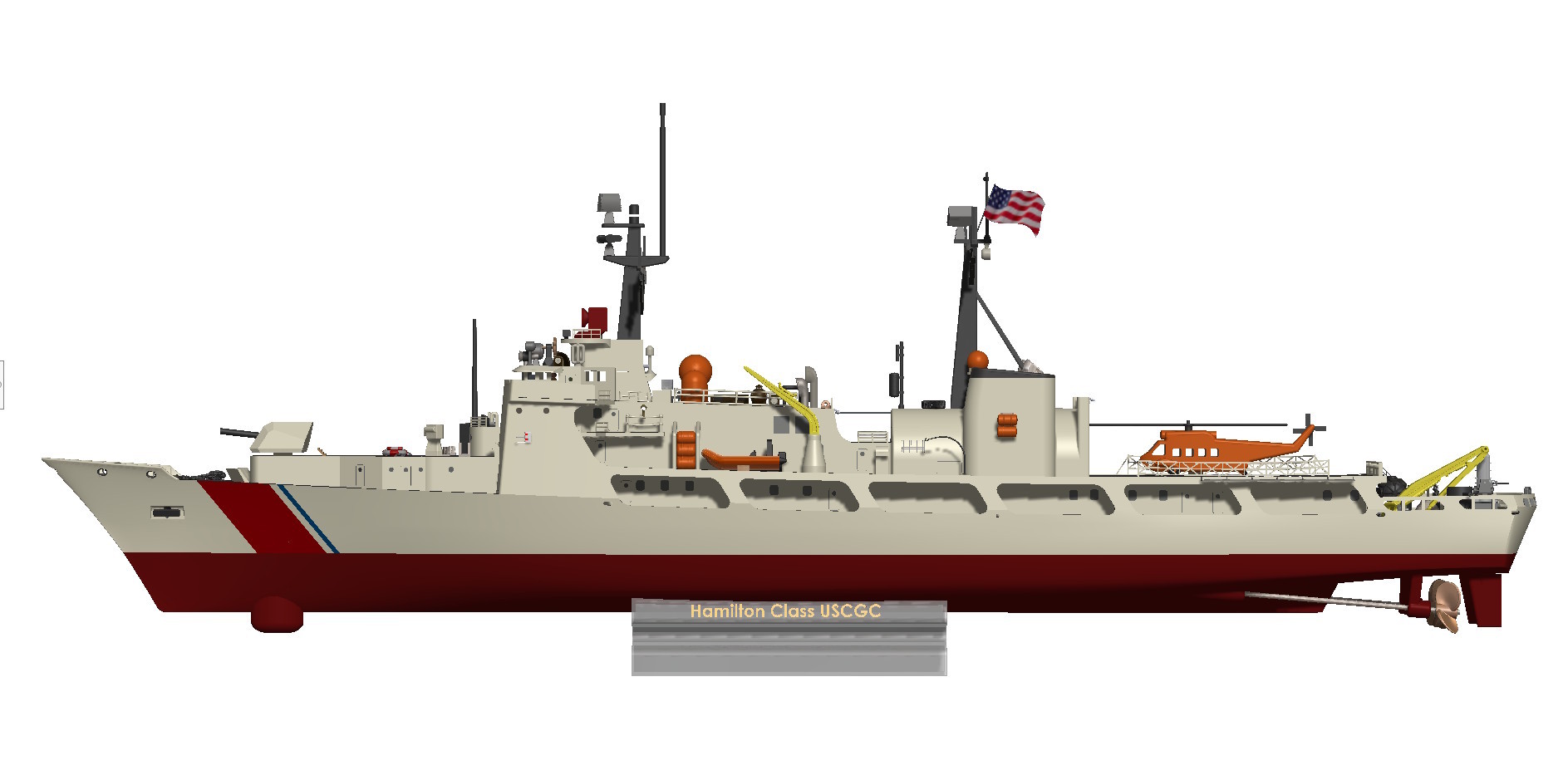
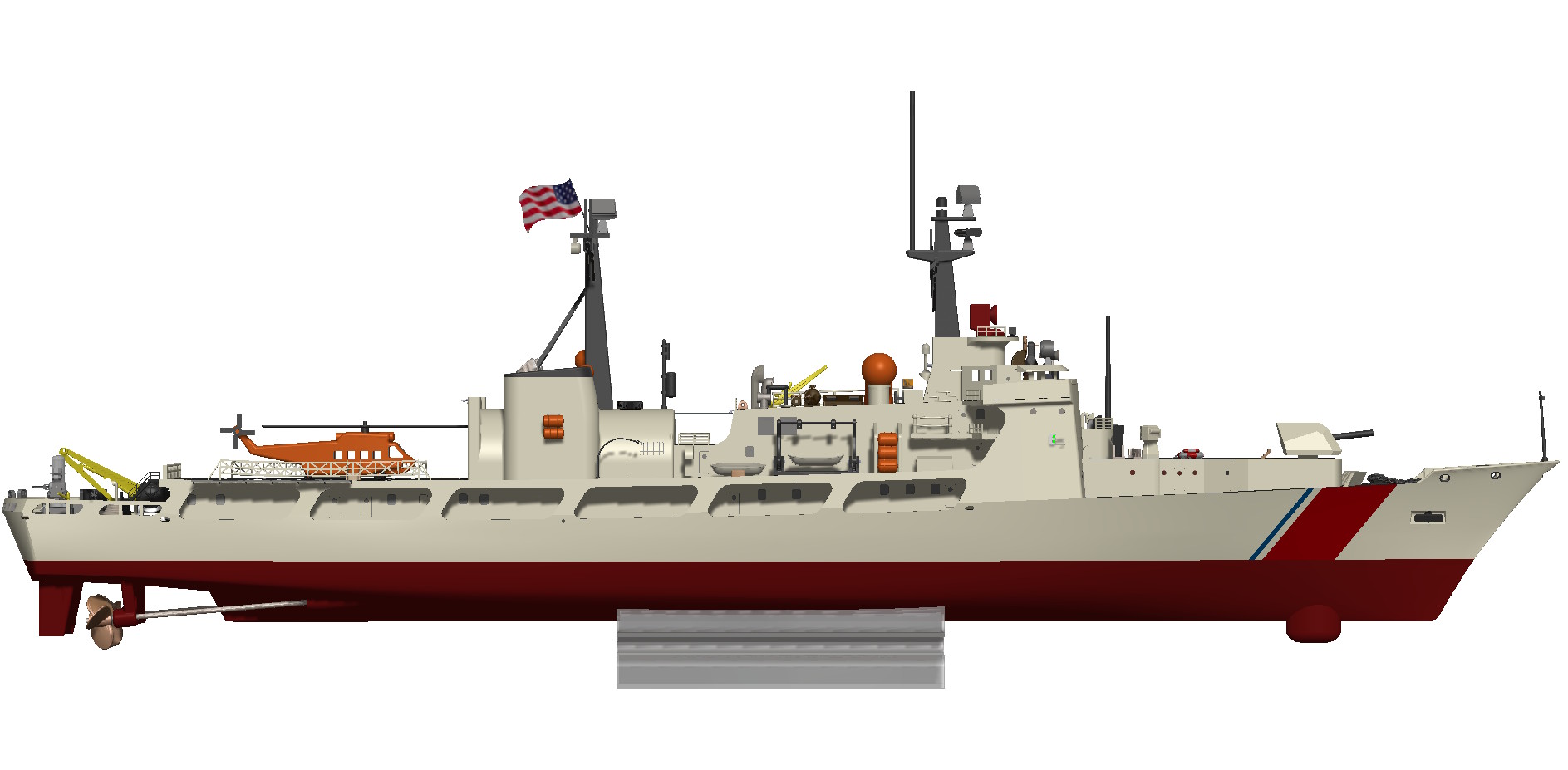
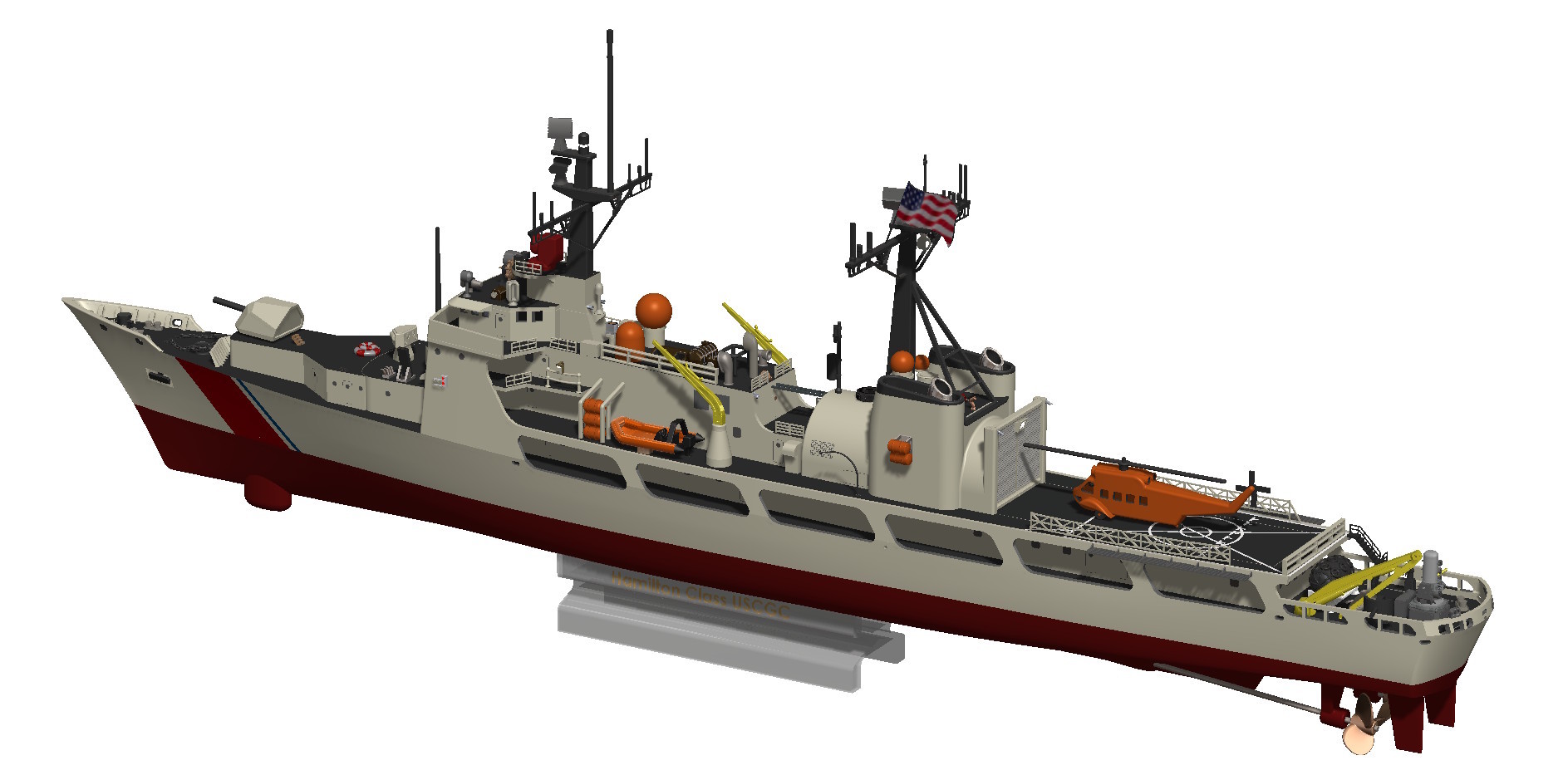
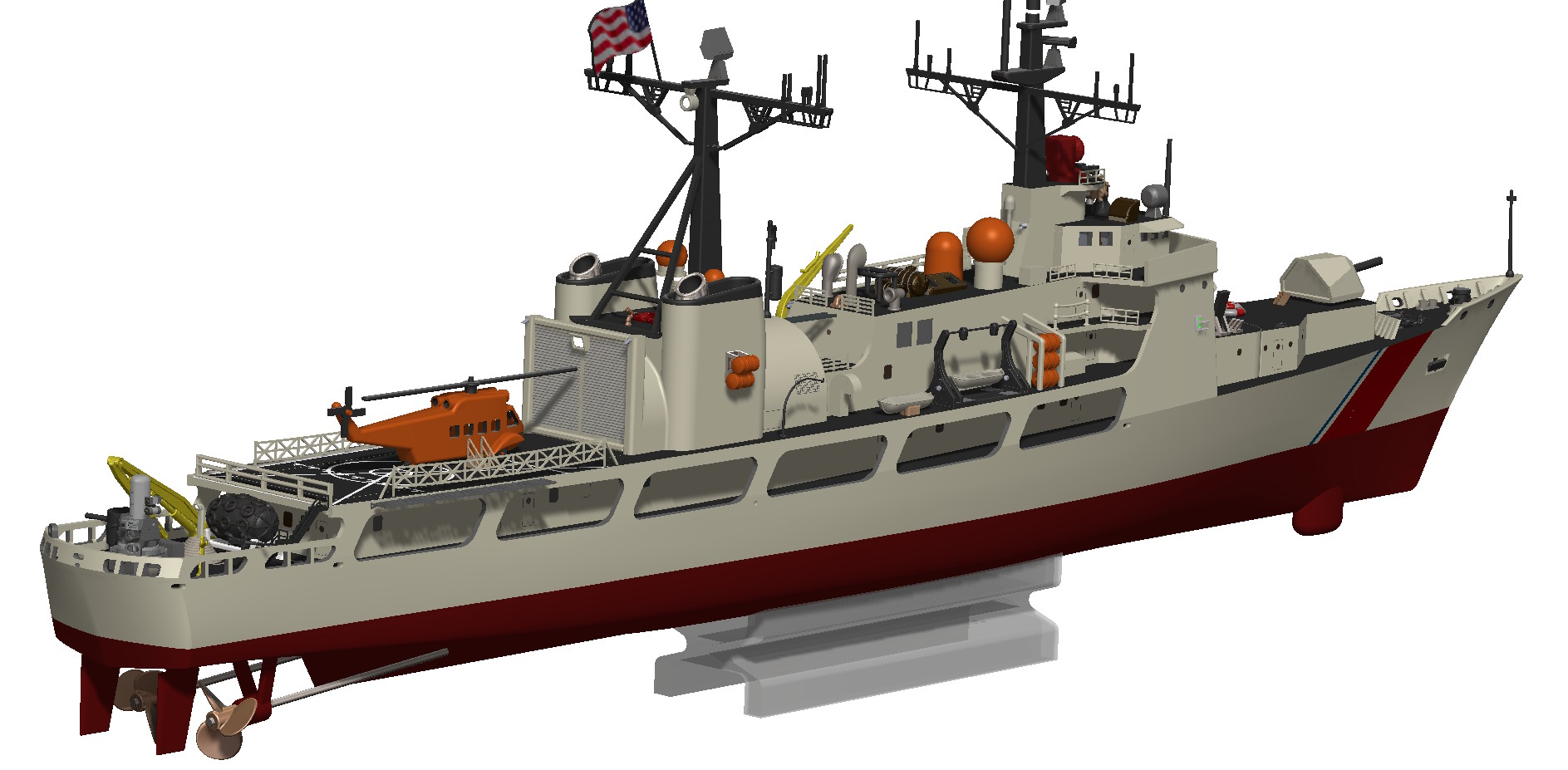
When the United States Coast Guard began planning its next generation of large ocean-going cutters in the early 1960s, the service had been operating converted World War II-era Navy vessels for nearly two decades. The ships were aging, increasingly difficult to maintain, and unable to fully meet the demanding operational requirements of a modern Coast Guard. What emerged from that planning process was one of the most successful and enduring cutter designs in the history of American maritime law enforcement — the Hamilton-class High Endurance Cutter, a vessel so capable and well-conceived that it would serve the Coast Guard for nearly half a century.
The initial contract for the lead ship, USCGC Hamilton (WHEC-715), was awarded to Avondale Shipyards in New Orleans, Louisiana in January 1964, with construction beginning shortly thereafter. Hamilton was launched on December 18, 1965 and commissioned on March 18, 1967, named for Founding Father Alexander Hamilton, the first United States Secretary of the Treasury and founder of the United States Revenue Cutter Service. She was the first genuinely new high-endurance cutter the Coast Guard had received in more than twenty years, and from the moment she entered service it was clear she represented a significant leap forward in capability. Originally envisioned as a large-scale procurement, long-range plans called for up to 38 cutters to be constructed over the following decade, but budget constraints and the wind-down of the international ocean stations program reduced the authorized number to just 12 ships, all built at Avondale between 1965 and 1972.
The Most Detailed RC-Ready Coast Guard Cutter Ever Designed for Home Builders
About the Legend Class National Security Cutter
The Legend Class National Security Cutter represents the pinnacle of the United States Coast Guard’s deepwater fleet capability. Built by Huntington Ingalls Industries in Pascagoula, Mississippi, these formidable vessels were designed to replace the aging Hamilton-class high endurance cutters and bring the Coast Guard’s operational reach firmly into the 21st century. Stretching over 127 meters in length and displacing more than 4,500 tons, the Legend Class is a true oceangoing warship in everything but name — capable of operating in the most hostile sea states on earth while conducting the full spectrum of Coast Guard missions.
Named after legendary figures in the history of the United States Coast Guard, these cutters are built for endurance, versatility, and projection. Their mission portfolio is extraordinarily broad: maritime law enforcement, counter-narcotics operations, search and rescue in open ocean conditions, fisheries protection, defense readiness, and even support for national security operations alongside the US Navy. Each vessel carries a sophisticated sensor suite, communication systems, and weapons fit including the Mk 110 57mm deck gun and the Phalanx Close-In Weapon System — making them among the most capable cutters ever operated by the service. USCGC Bertholf, the lead ship of the class and the primary photographic reference for this model, was commissioned in 2008 and has since logged thousands of operational hours across the Pacific, Atlantic, and beyond.
About This Model
This 3D printable model brings the Legend Class to life at 1:96 scale, producing a finished vessel approximately 1.3 meters long — a genuinely commanding presence on any shelf, display stand, or waterway. The model was developed using extensive photographic documentation of USCGC Bertholf as the primary reference, capturing the real ship’s proportions, deck arrangements, superstructure geometry, and surface details as faithfully as possible. Where classified or simply unavailable official blueprints left gaps, available technical drawings of similar vessel types were used alongside photographs to reconstruct accurate hull lines and structural relationships. The result is a model that is not merely inspired by the Legend Class — it is shaped by it, photograph by photograph, frame by frame.
Continue reading for more info and renderings, and possibly a free version.
640 mm RC-Ready Rotor Tug STL Pack – Highly Detailed 1:50 Scale 3D Printable Model
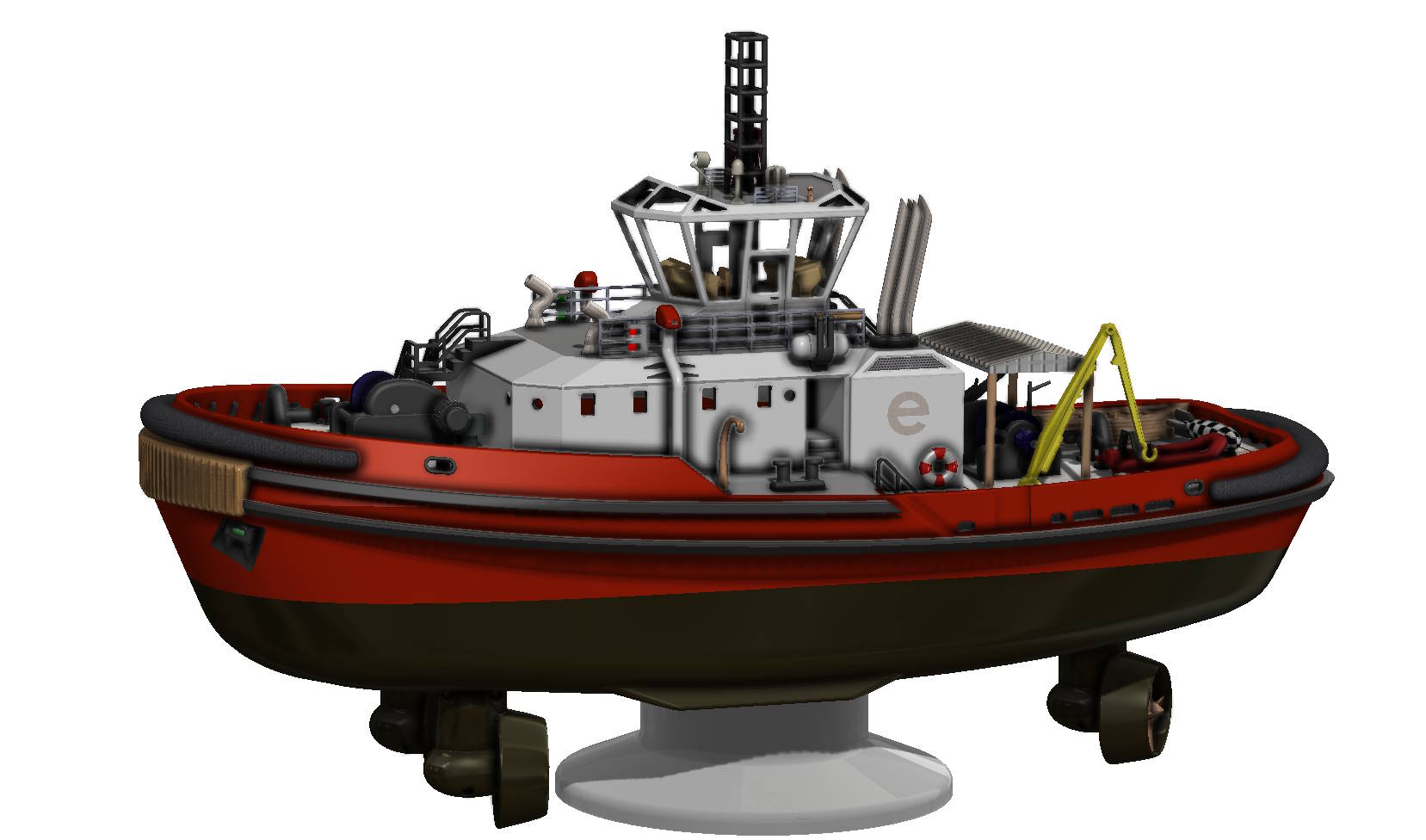
Bring the power and engineering character of modern azimuth-propelled harbor tugs to your workshop with this highly detailed 1:50 scale rotor tug model. Inspired by contemporary 80-32 class ocean tugs, this professionally designed STL package combines accurate proportions, functional engineering concepts, and advanced modular construction in a large-format 640 mm display and RC-ready platform. Based on the Cults3D release and included design package specifications, the model contains over 115 STL and 3MF files with a fully modular hull, animated azimuth propulsion units, and extensive deck detailing.
(Cults 3D) <<—- Click to visit the purchase page of this model on Cults3D.com
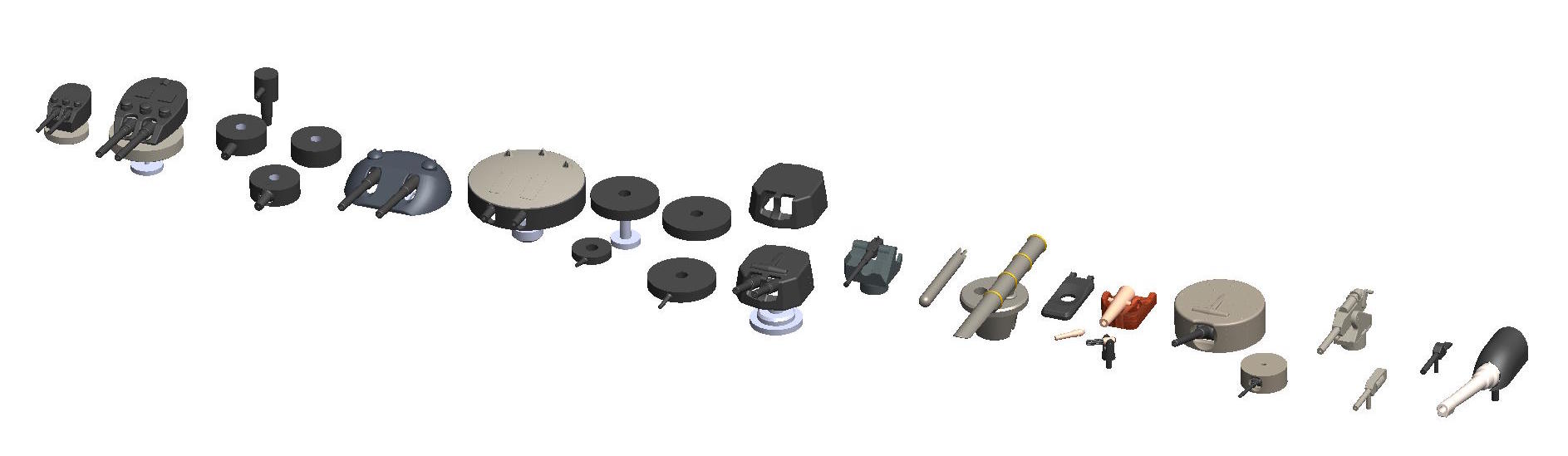
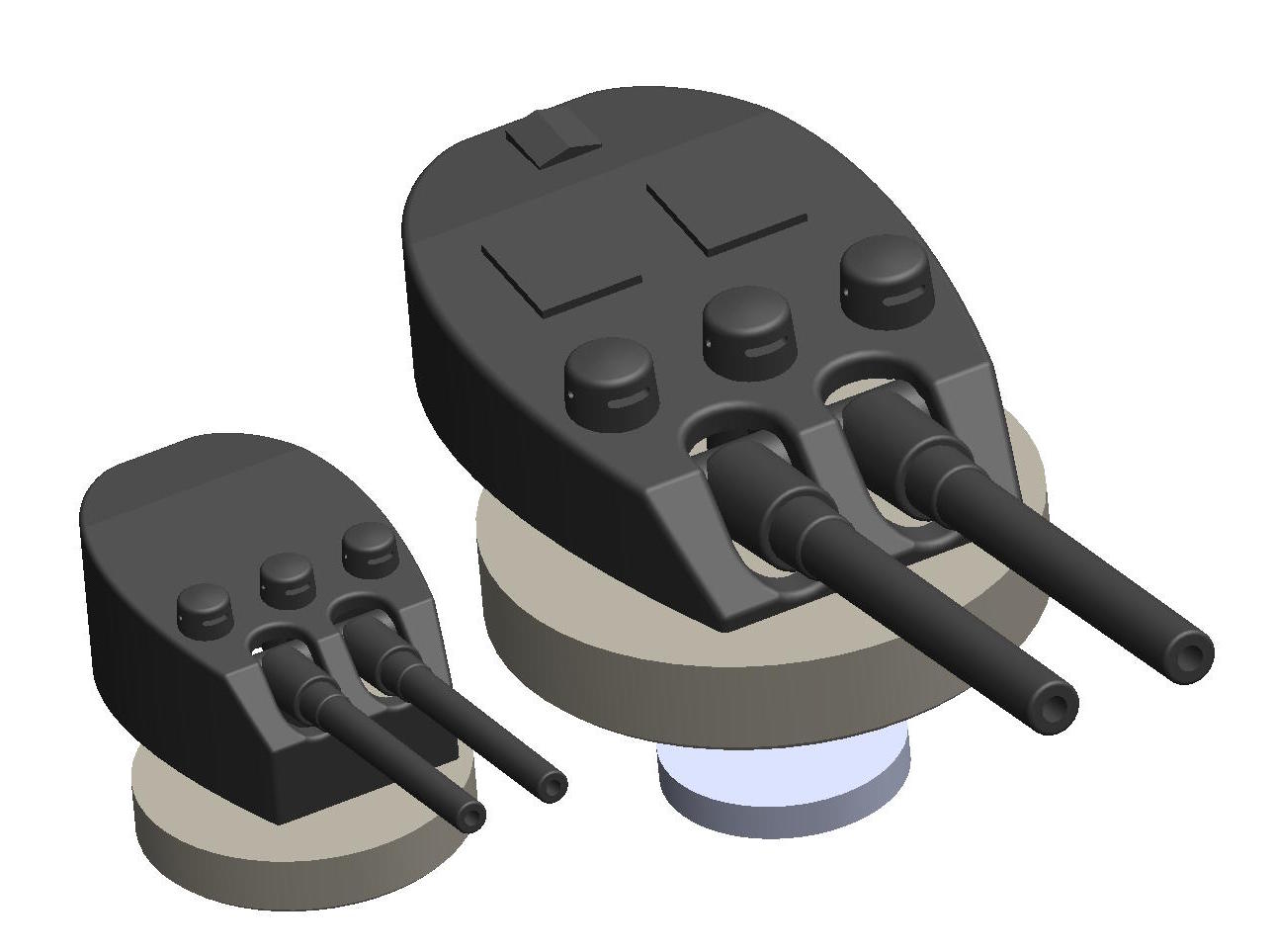
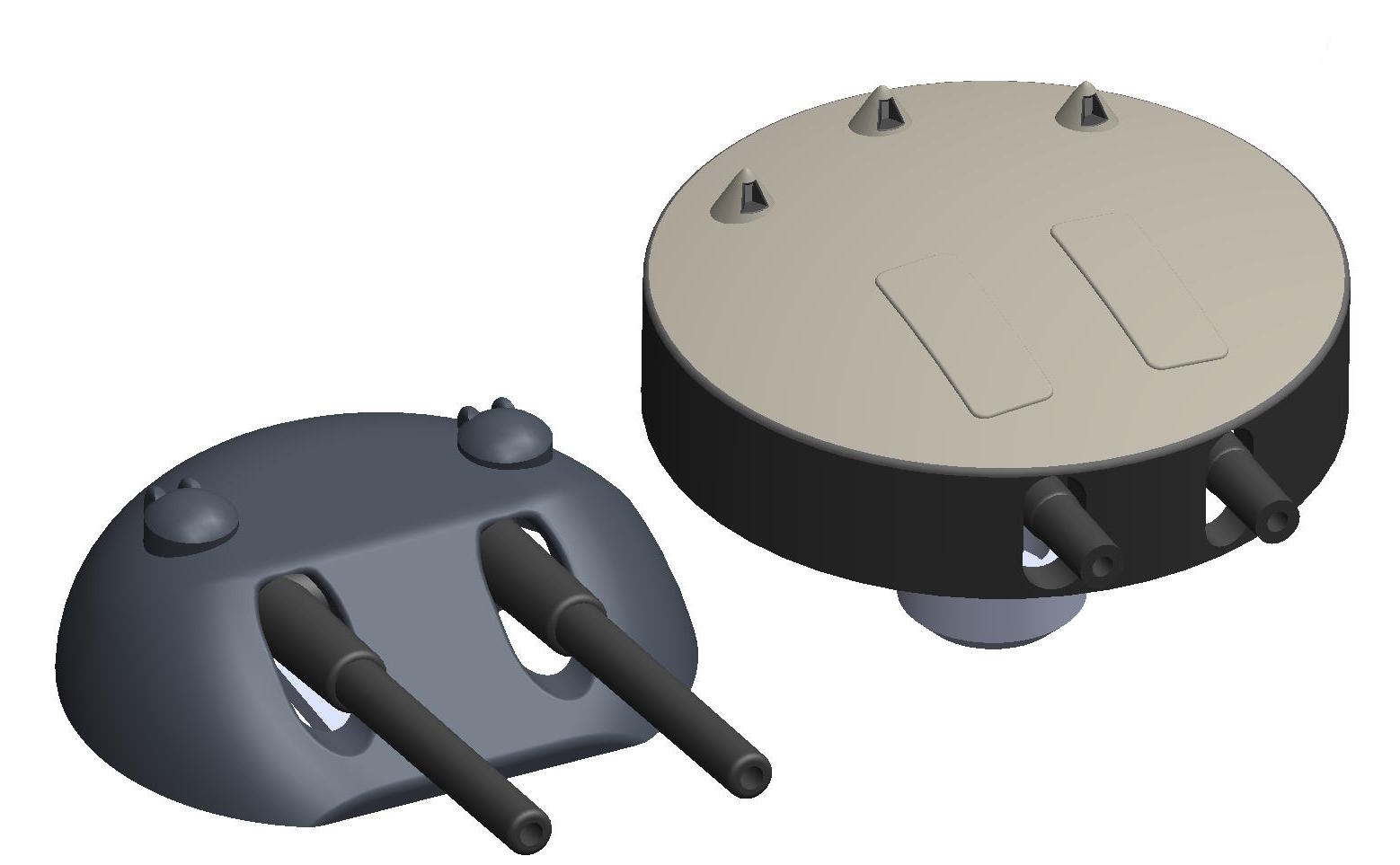
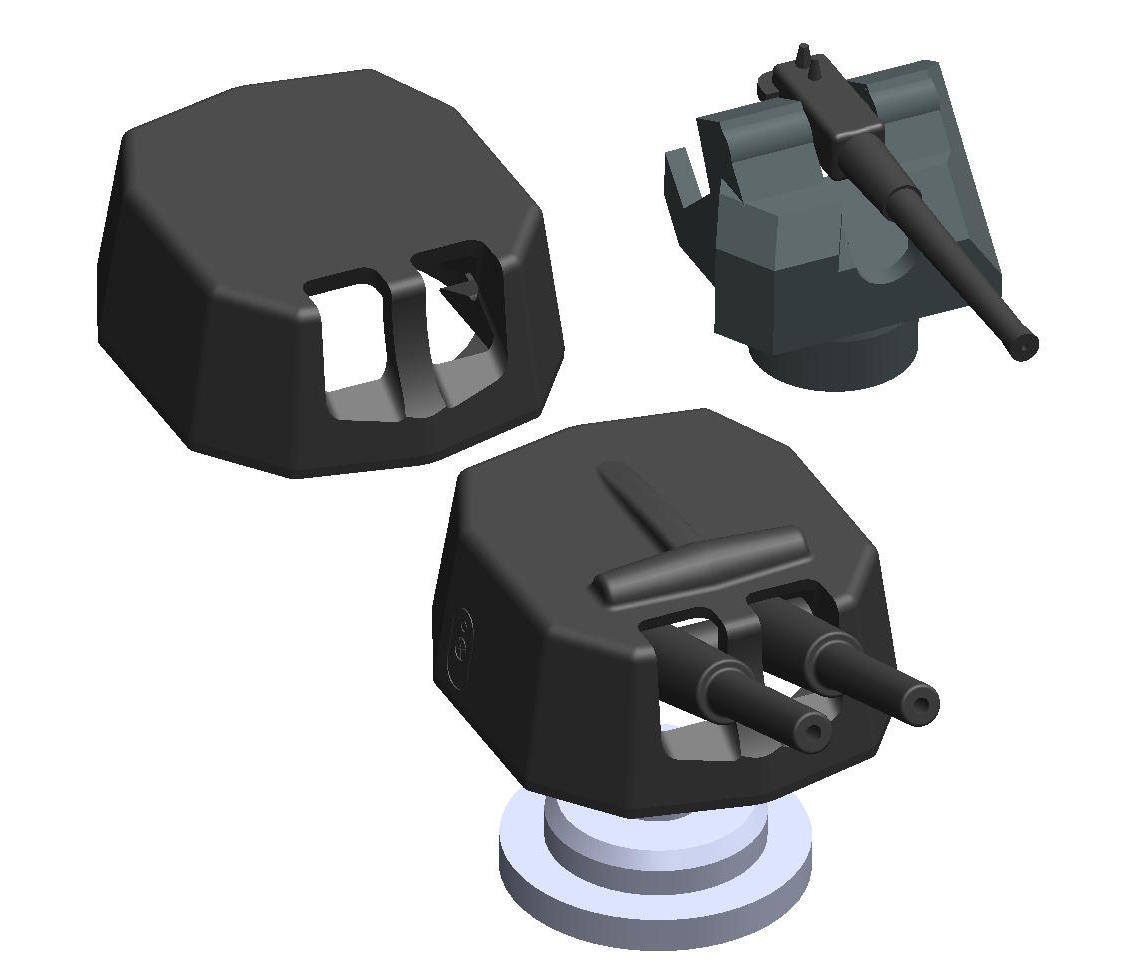
⚓ Old Naval Gun Accessory Pack – 3D Printable Collection (50+ Pieces) 🔩
Bring authentic firepower to your naval models with this highly detailed 3D-printable accessory pack featuring 50+ unique pieces of classic naval artillery!
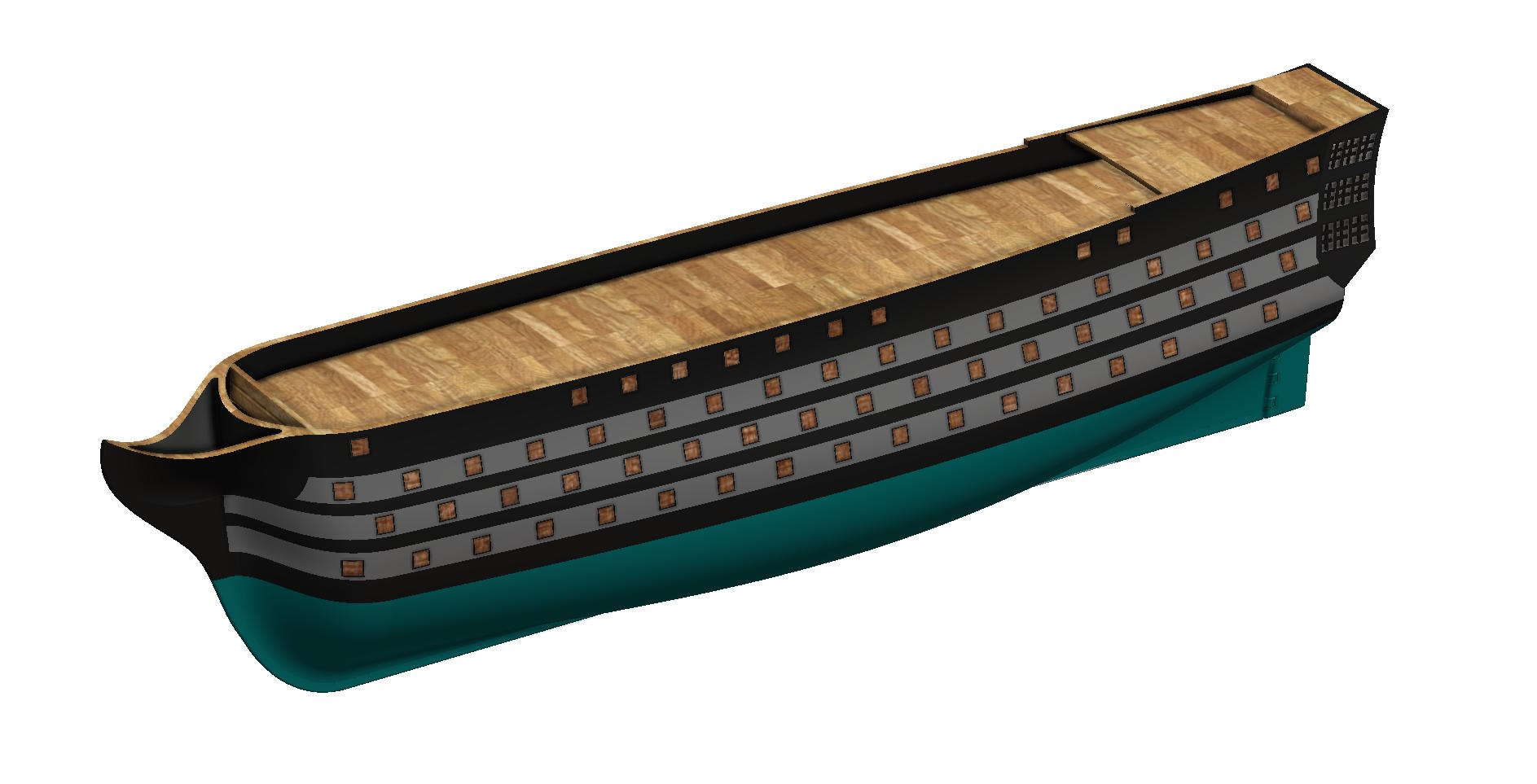
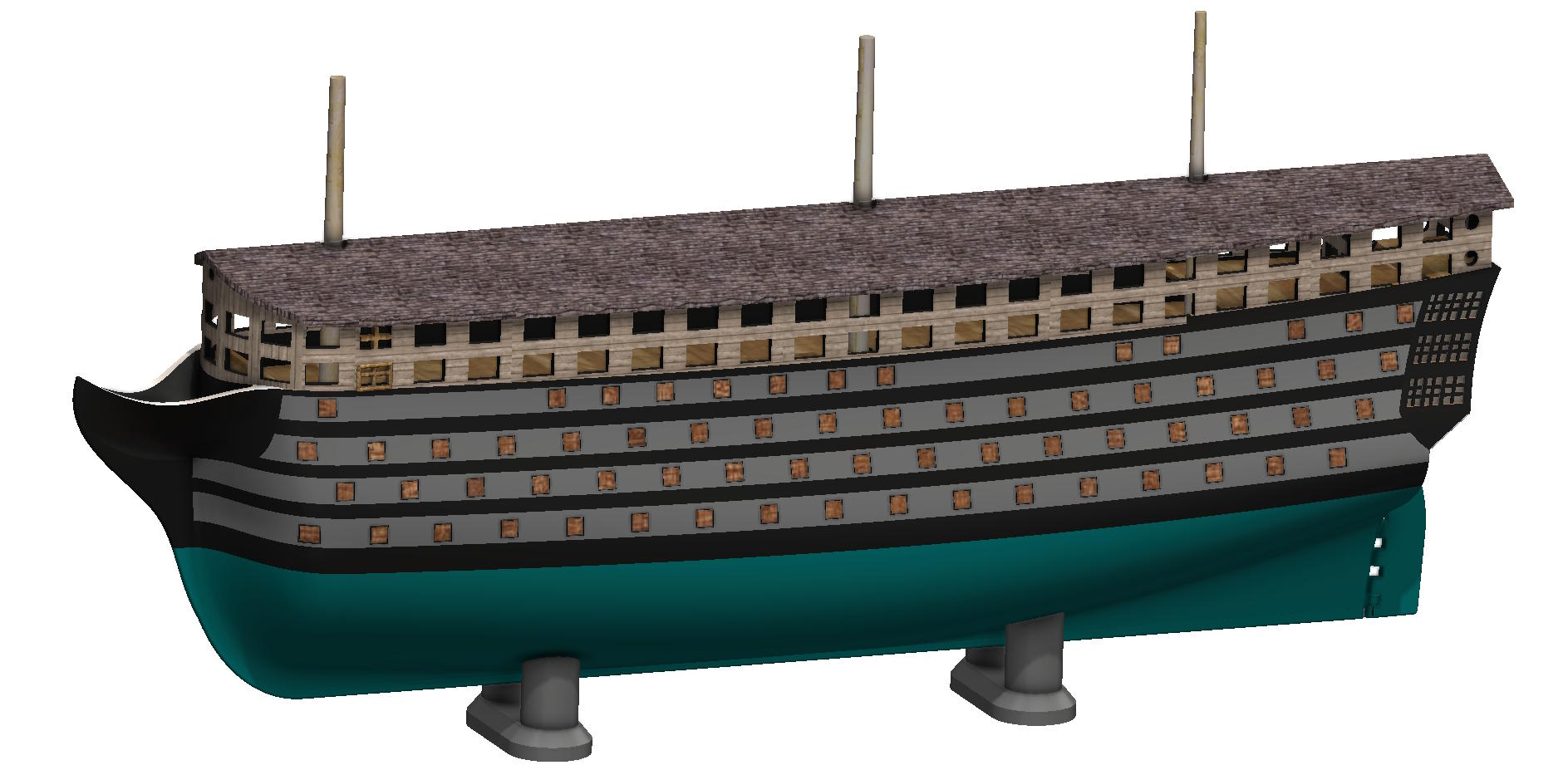
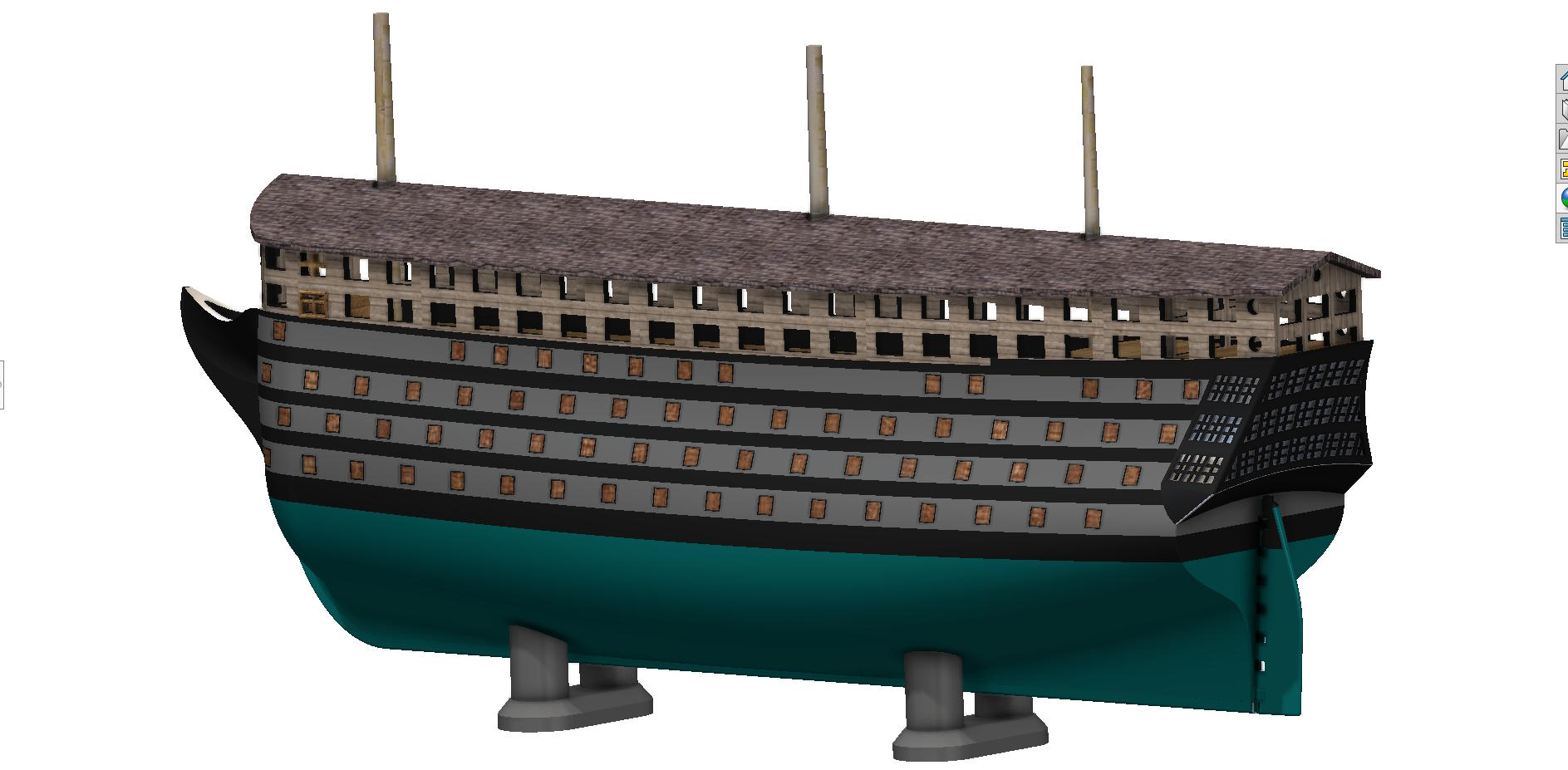
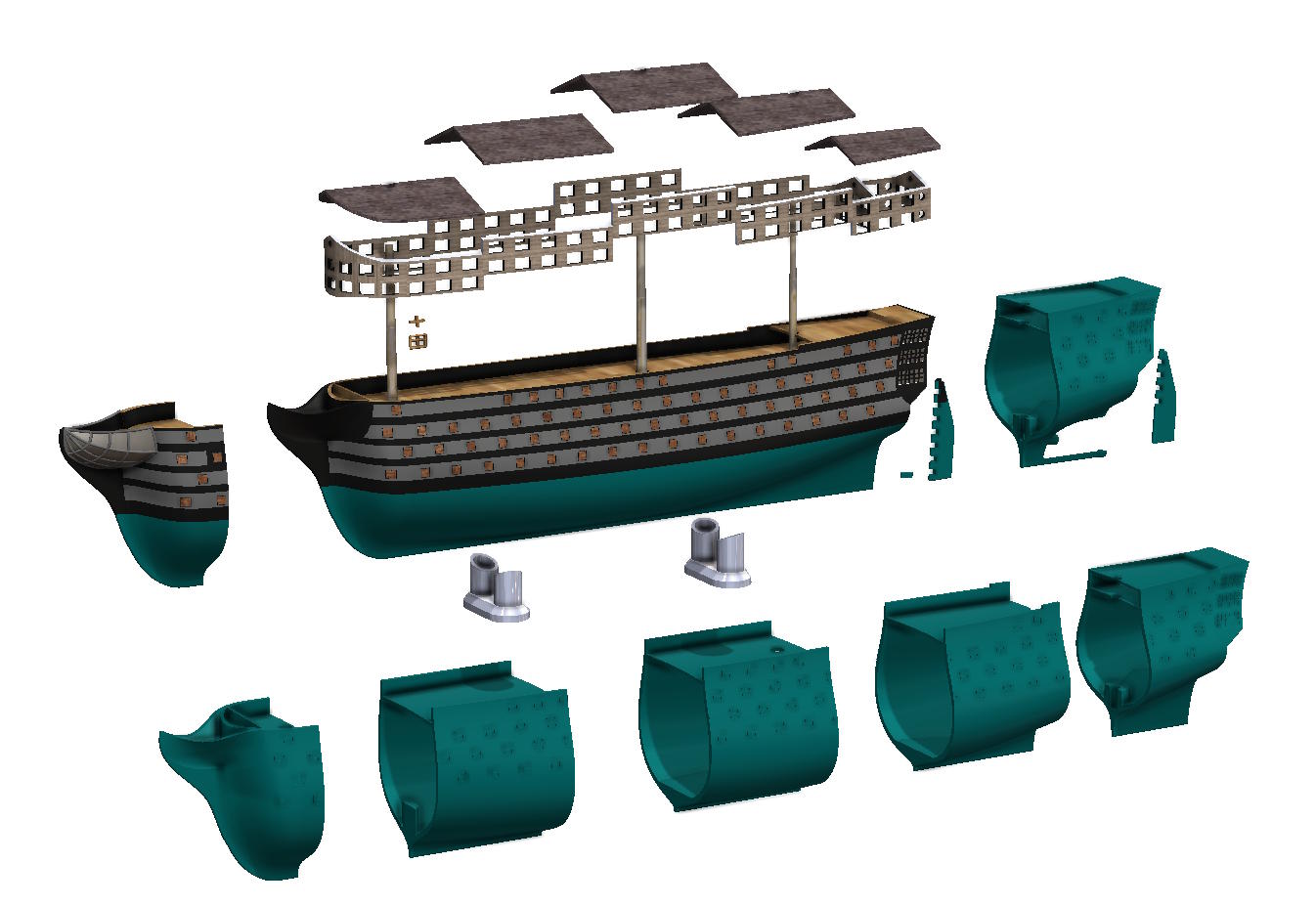
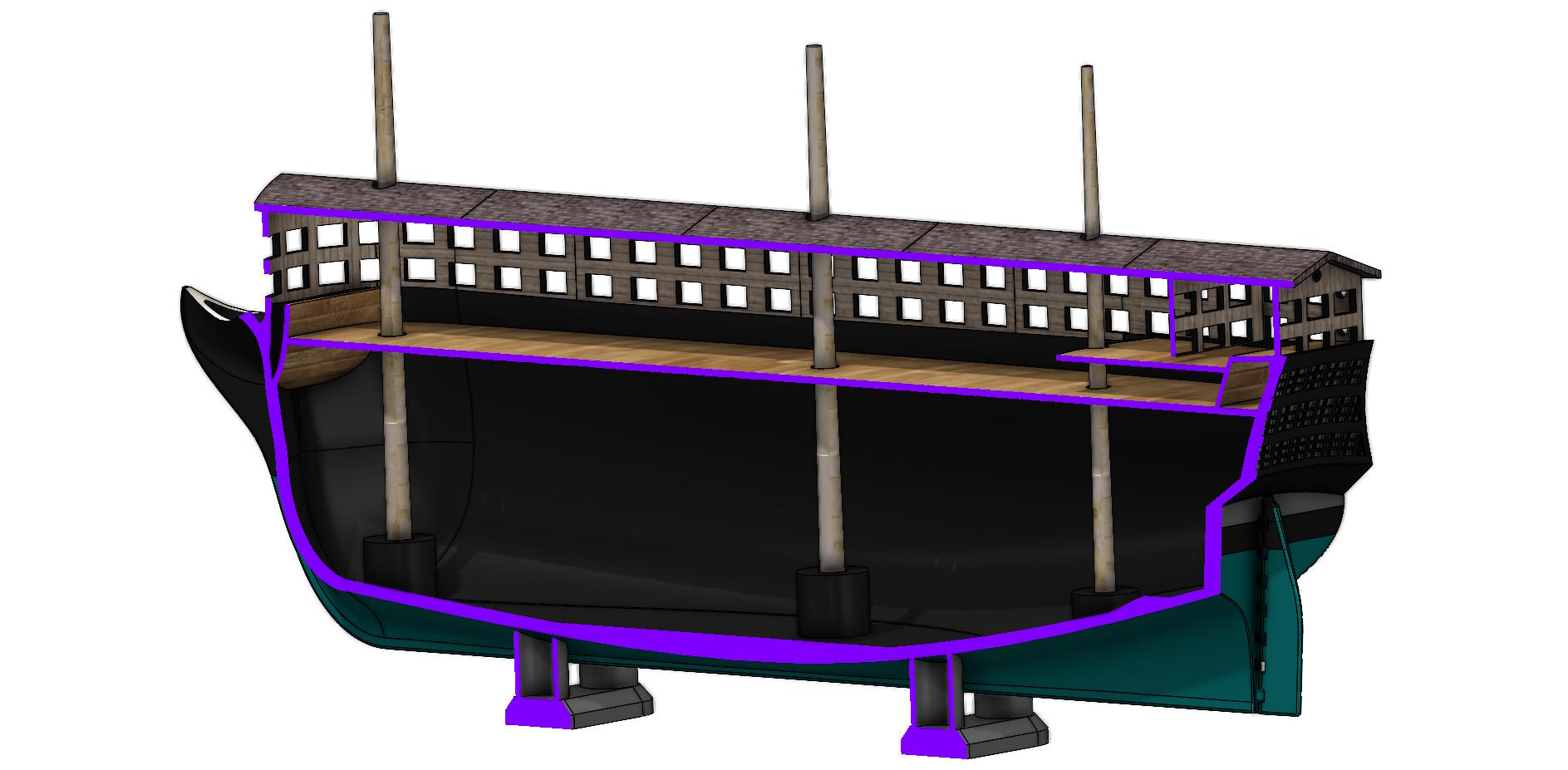
The Formidable, Flawed Majesty of the Warship of the Line (includes a 1m model of Montebello-Mahmudiye ships of the line)
At the height of its era, the warship of the line was not just a vessel—it was an entire philosophy floating on timber and ambition. These ships were instruments of empire and emblems of statehood, their hulls stitched together with thousands of bolts, manned by hundreds of souls, and propelled by the complex interplay of wind, geometry, and blind luck.
Despite their stately appearances in oil paintings, life aboard these vessels was far from graceful. It was disciplined chaos, wrapped in a broadsided ballet of firepower and carried across oceans on sails the size of apartment buildings.
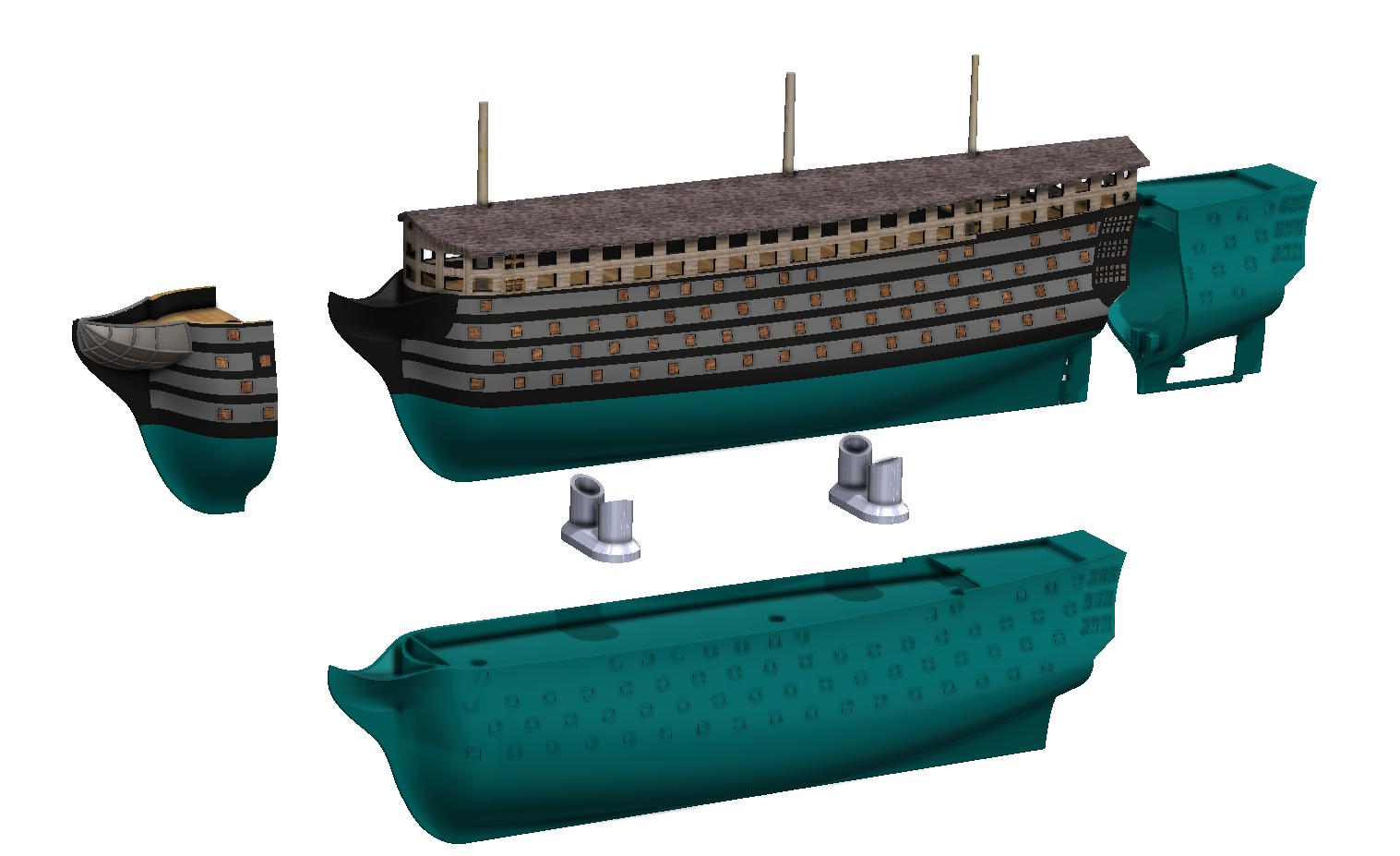
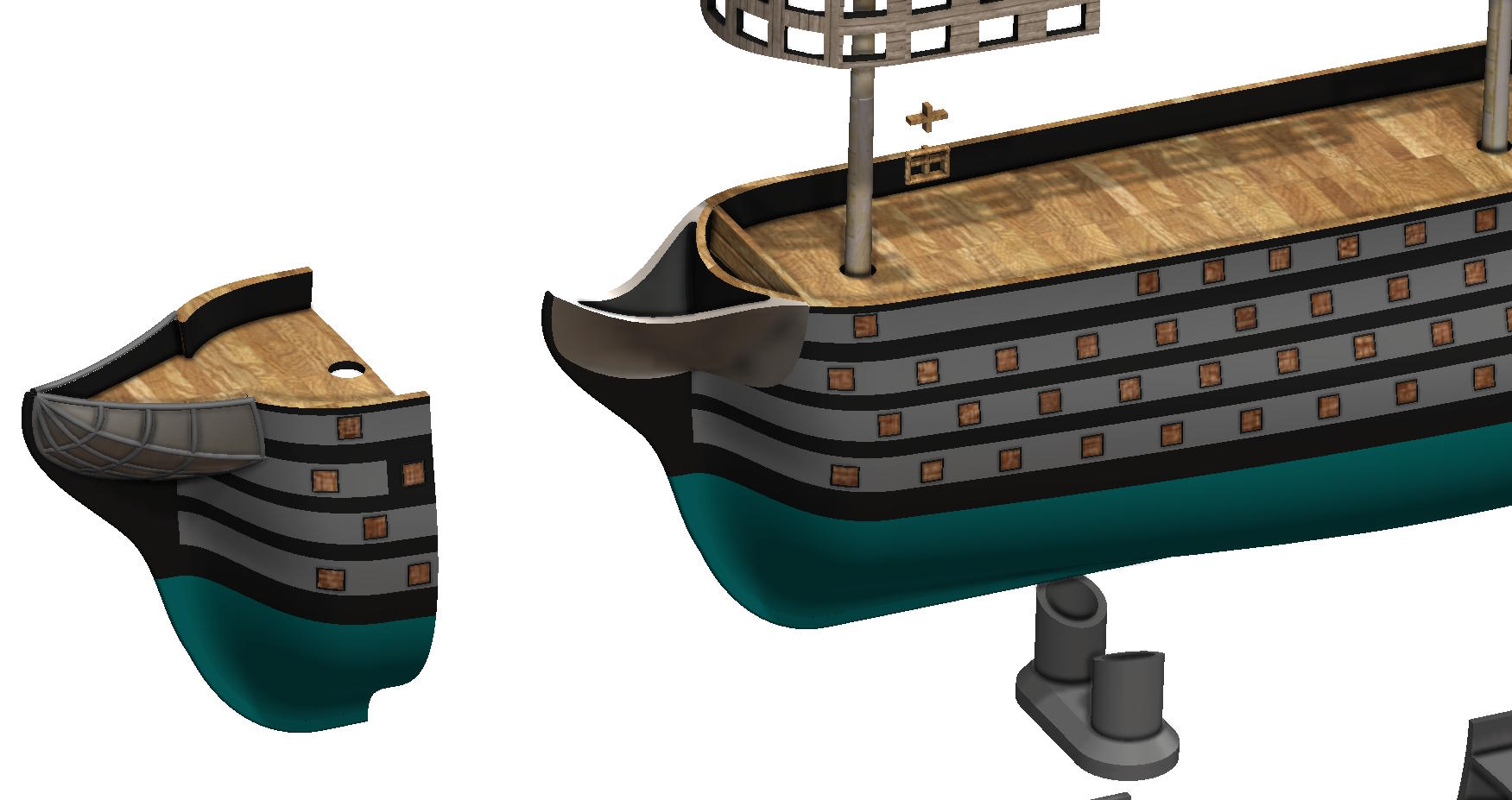
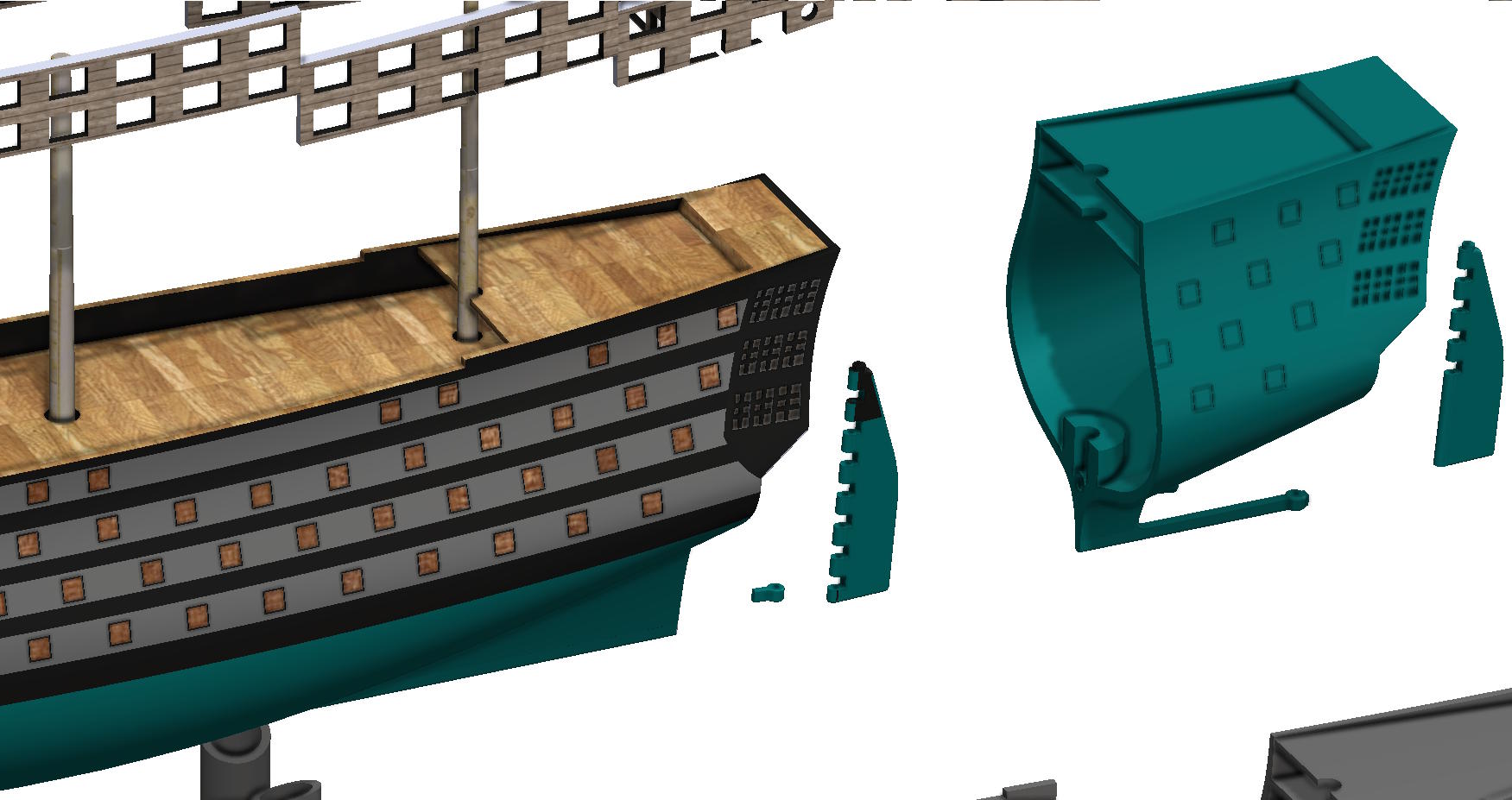
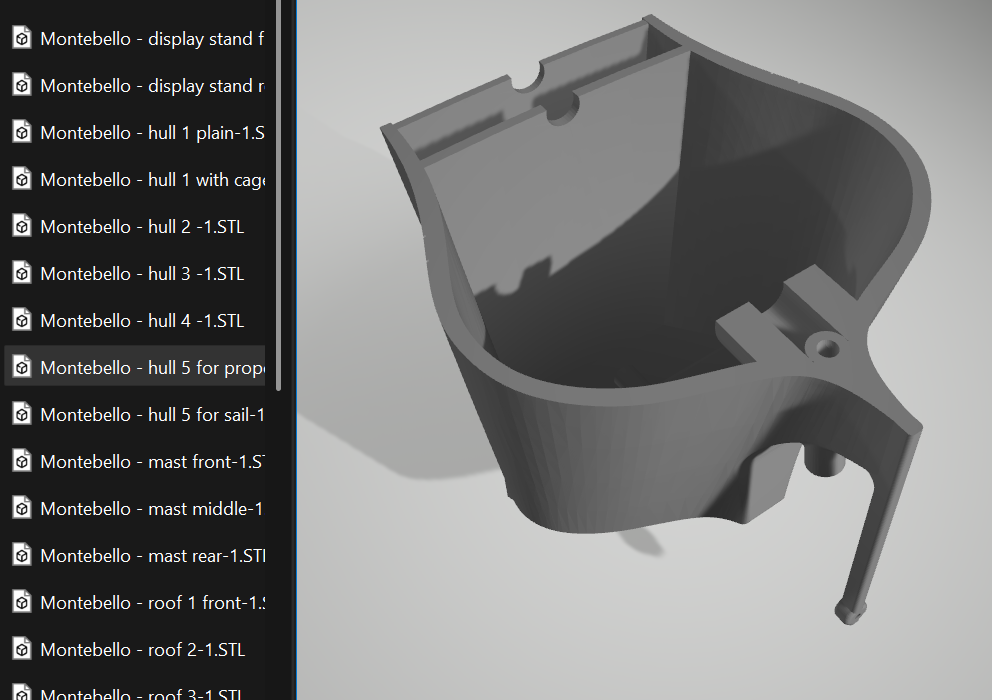
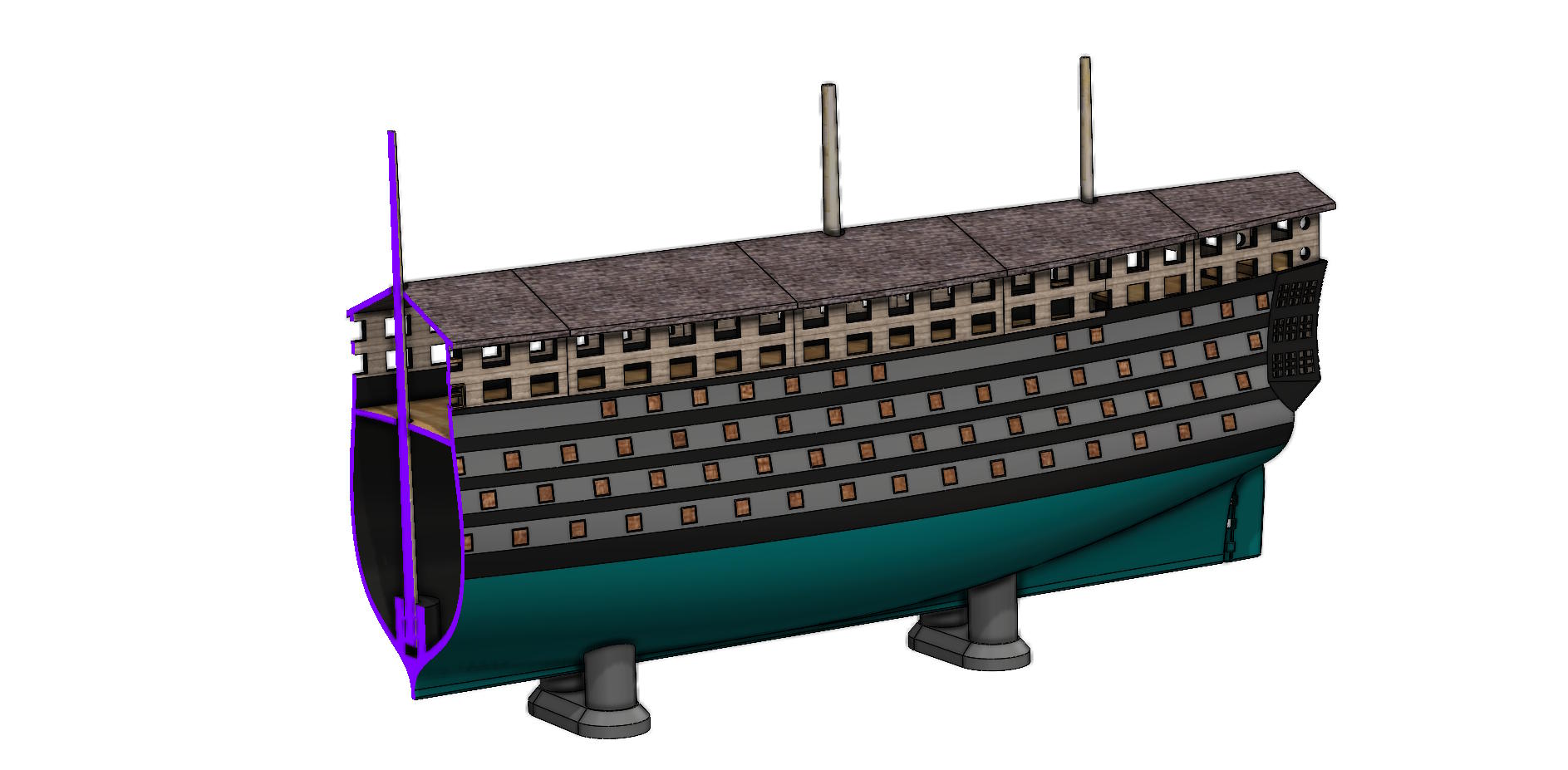
This article includes a stl file-pack to 3d print your own French 1m long Montebello or Ottoman Mahmudiye Class Ships of the line. The file pack is here. Please continue reading for a free display model of the ships.