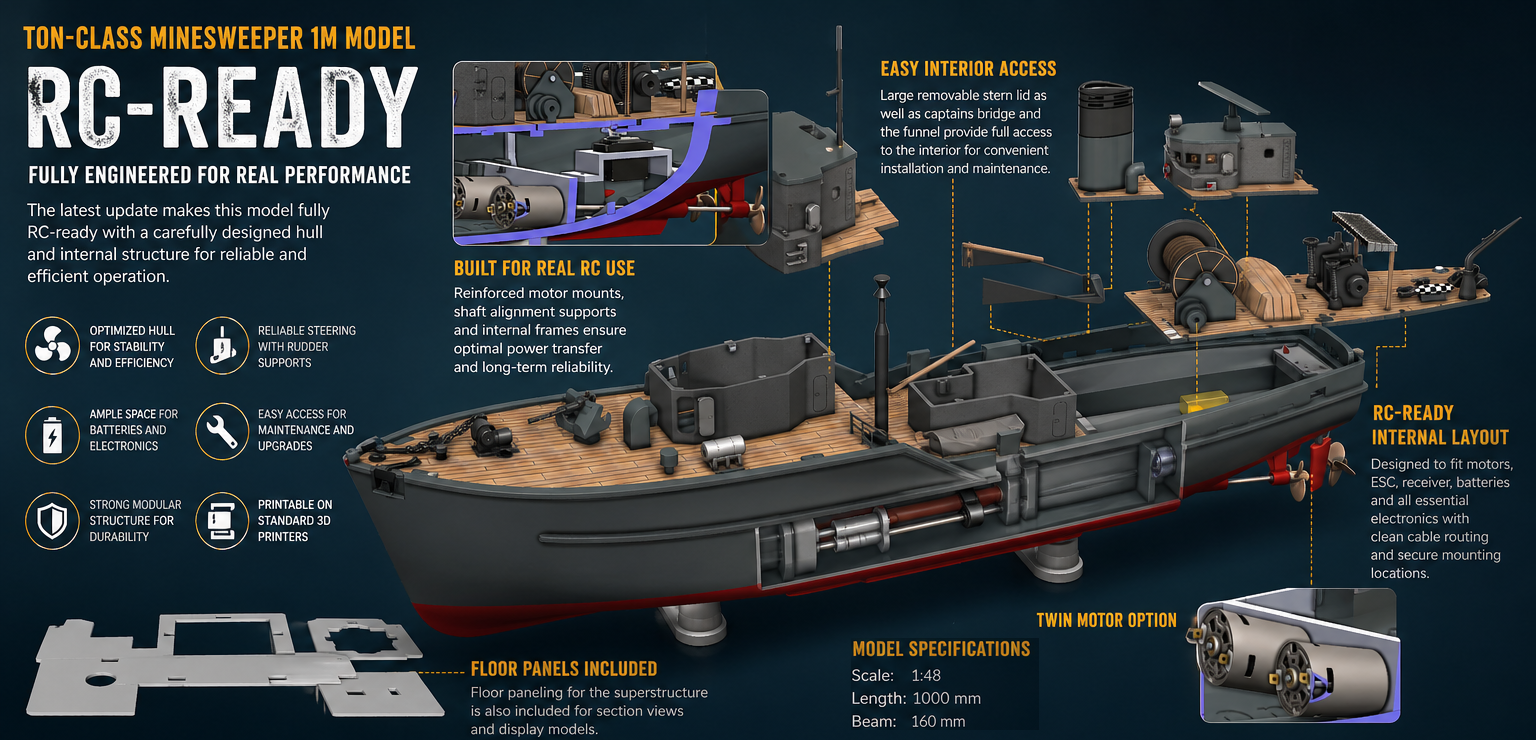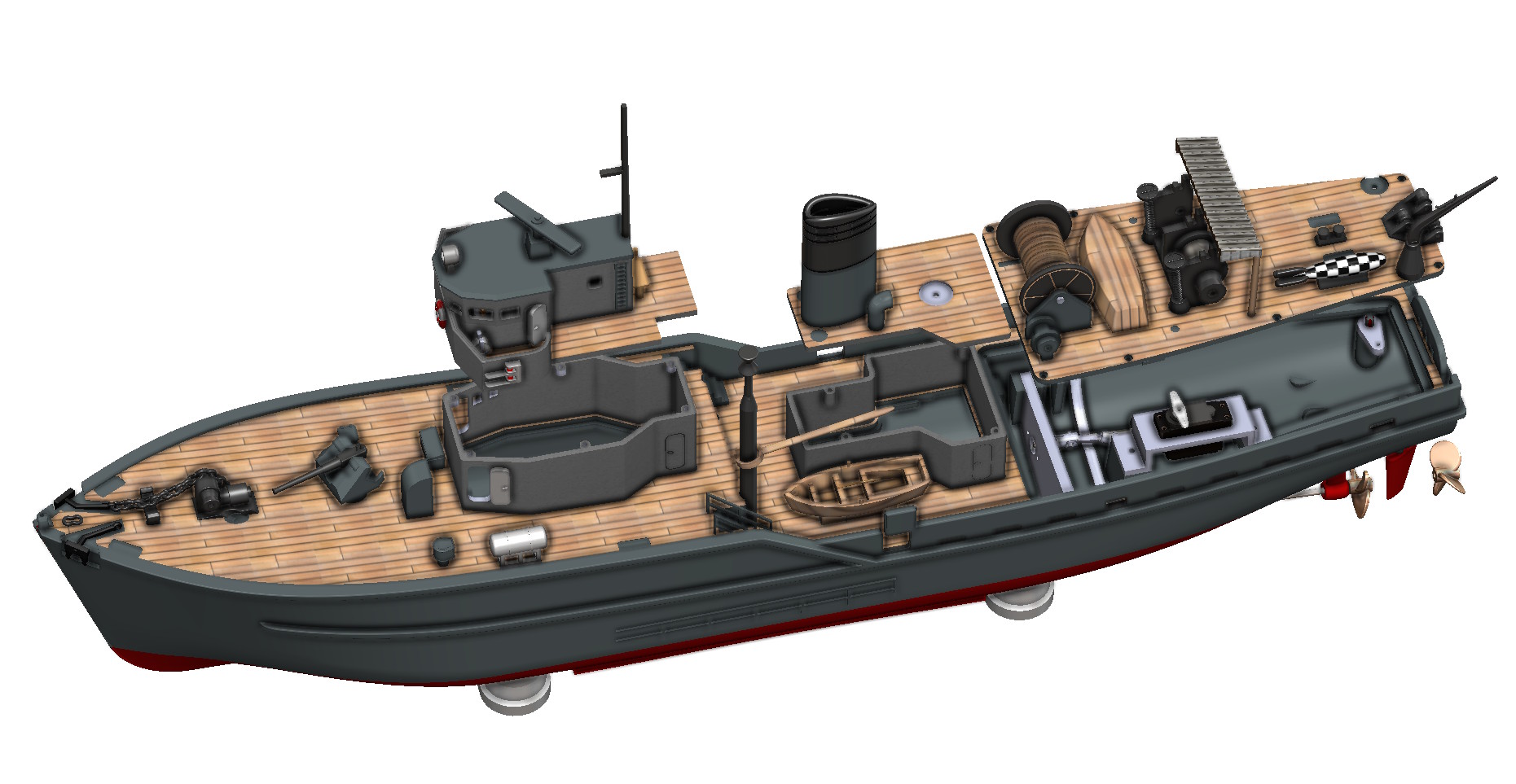
The Silent Workhorses of the Cold War now is here as an RC-Ready 3d model.
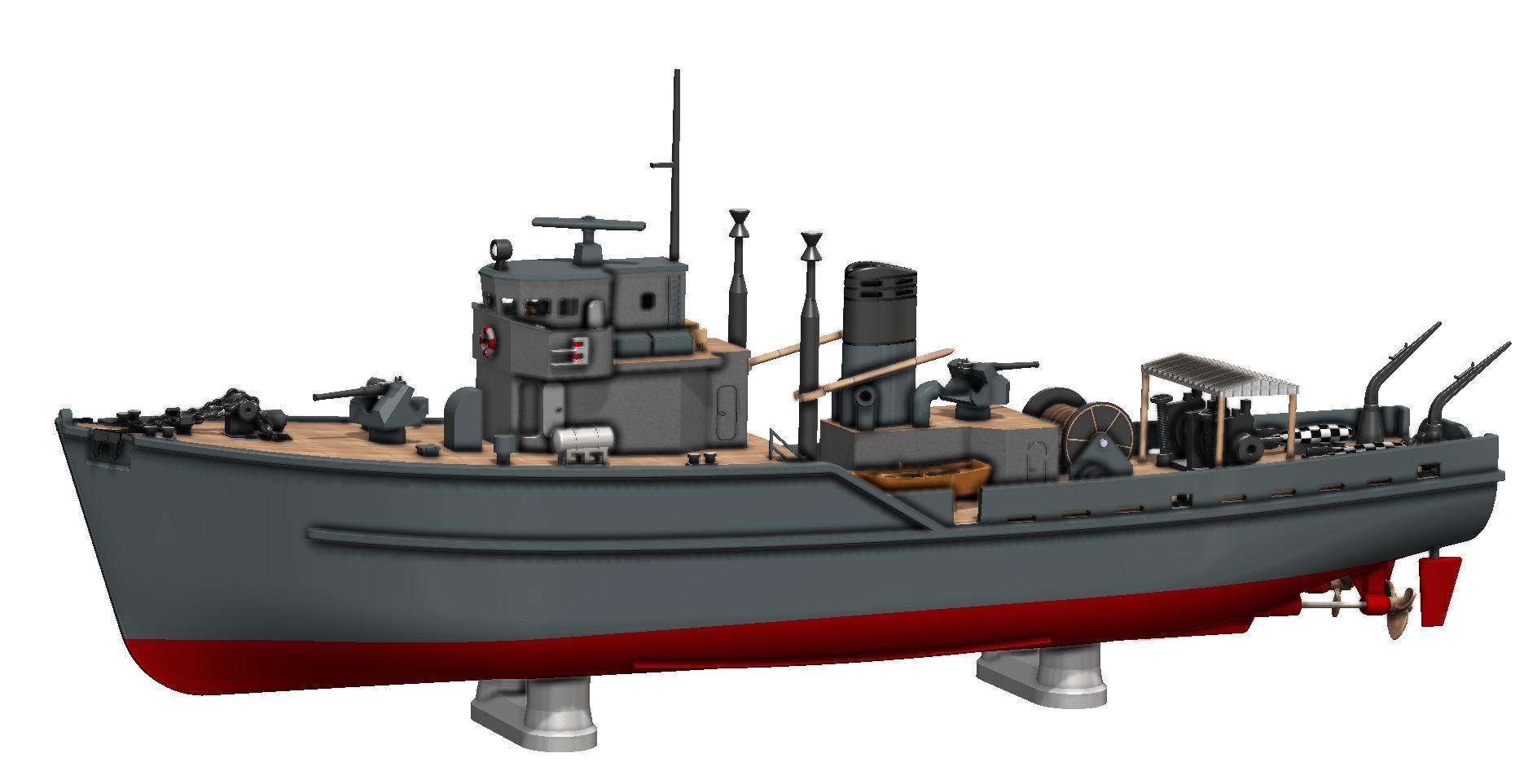
During the tense decades of the Cold War, the Royal Navy quietly operated a fleet of specialized vessels designed not for battle, but for survival—of fleets, ports, and shipping lanes. These were the Ton-class minesweepers, an unglamorous yet vital class of ships that ensured safe passage through mine-infested waters across the globe. Though small in size, their contribution to post-war naval security and NATO maritime operations was significant.
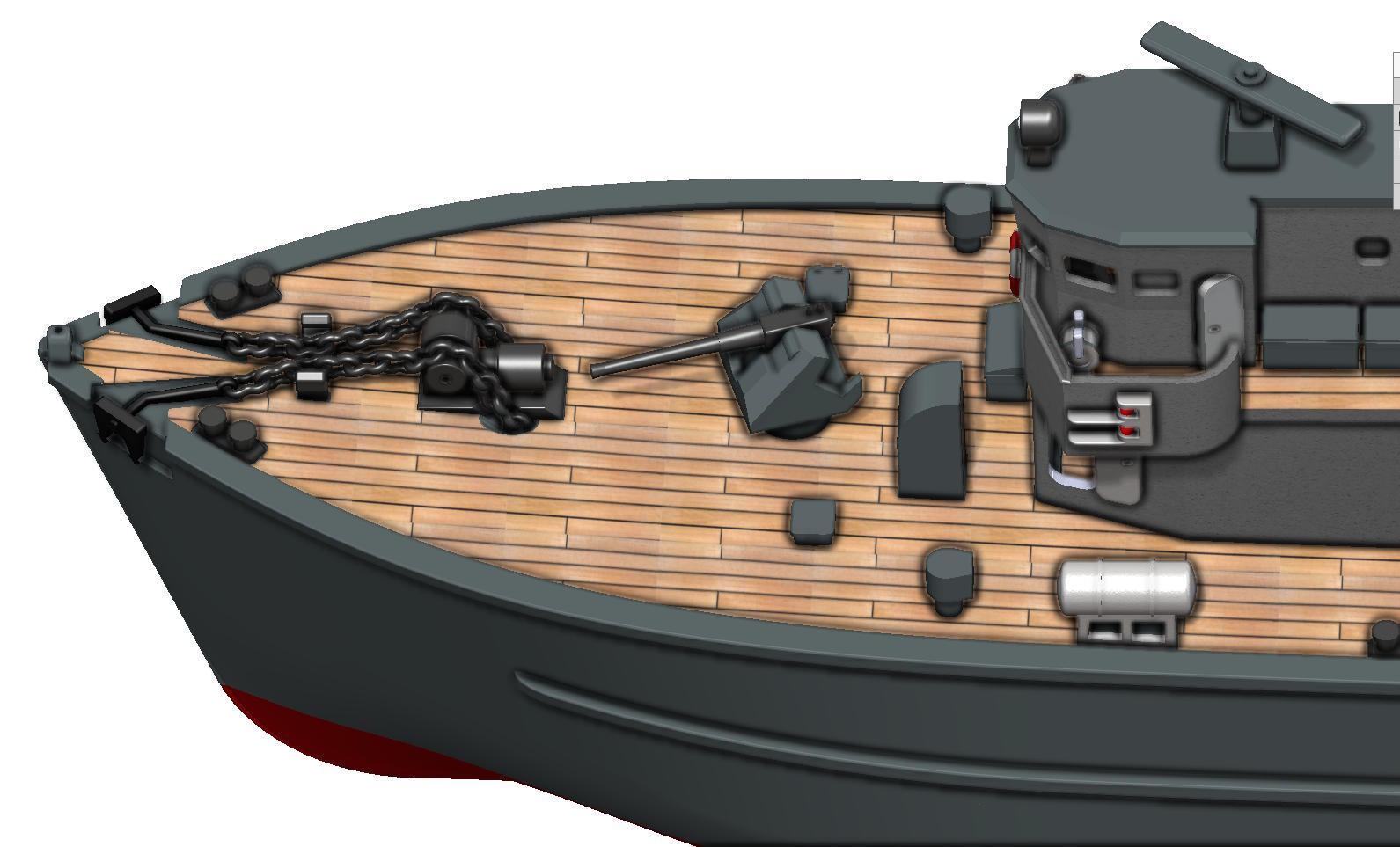
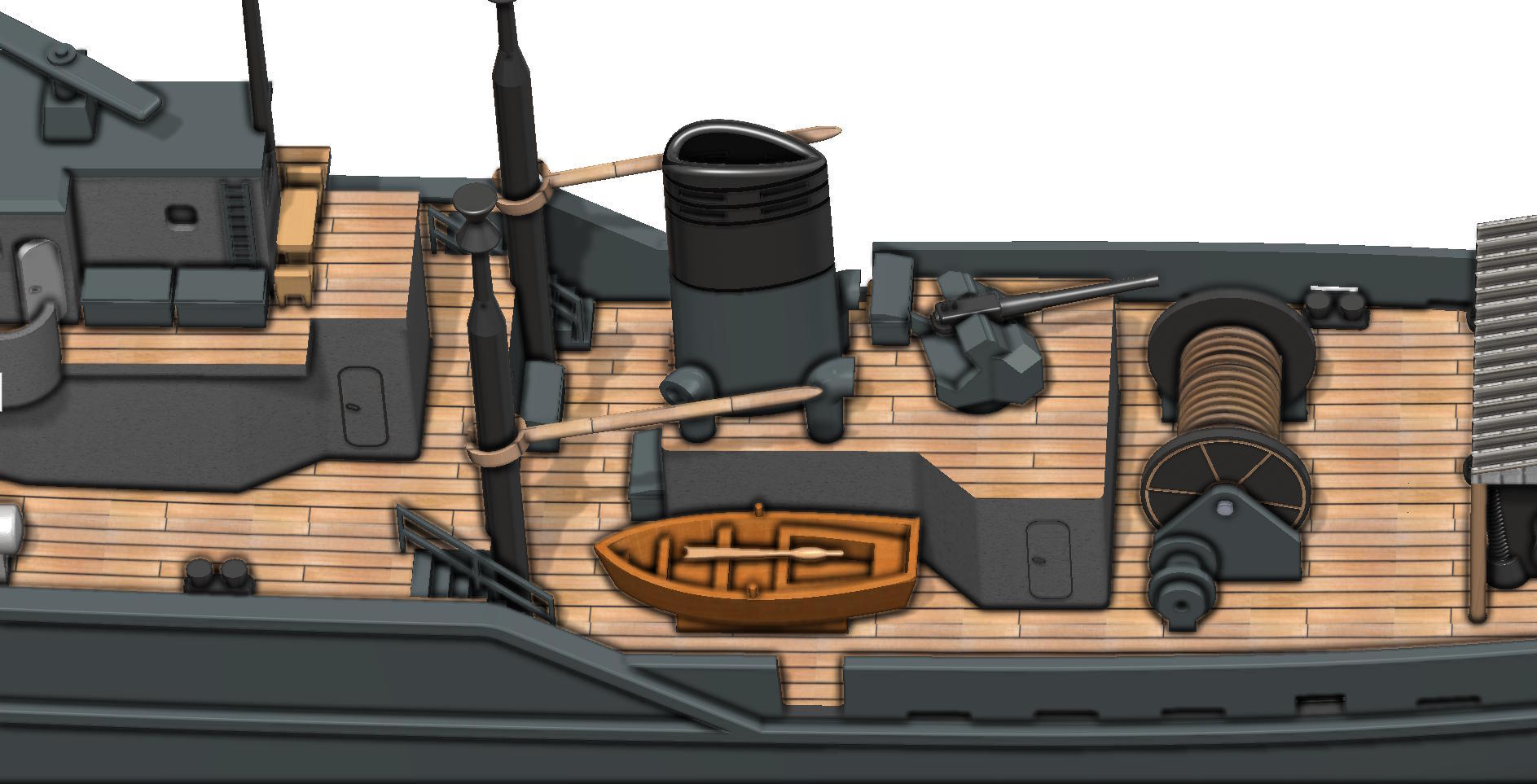
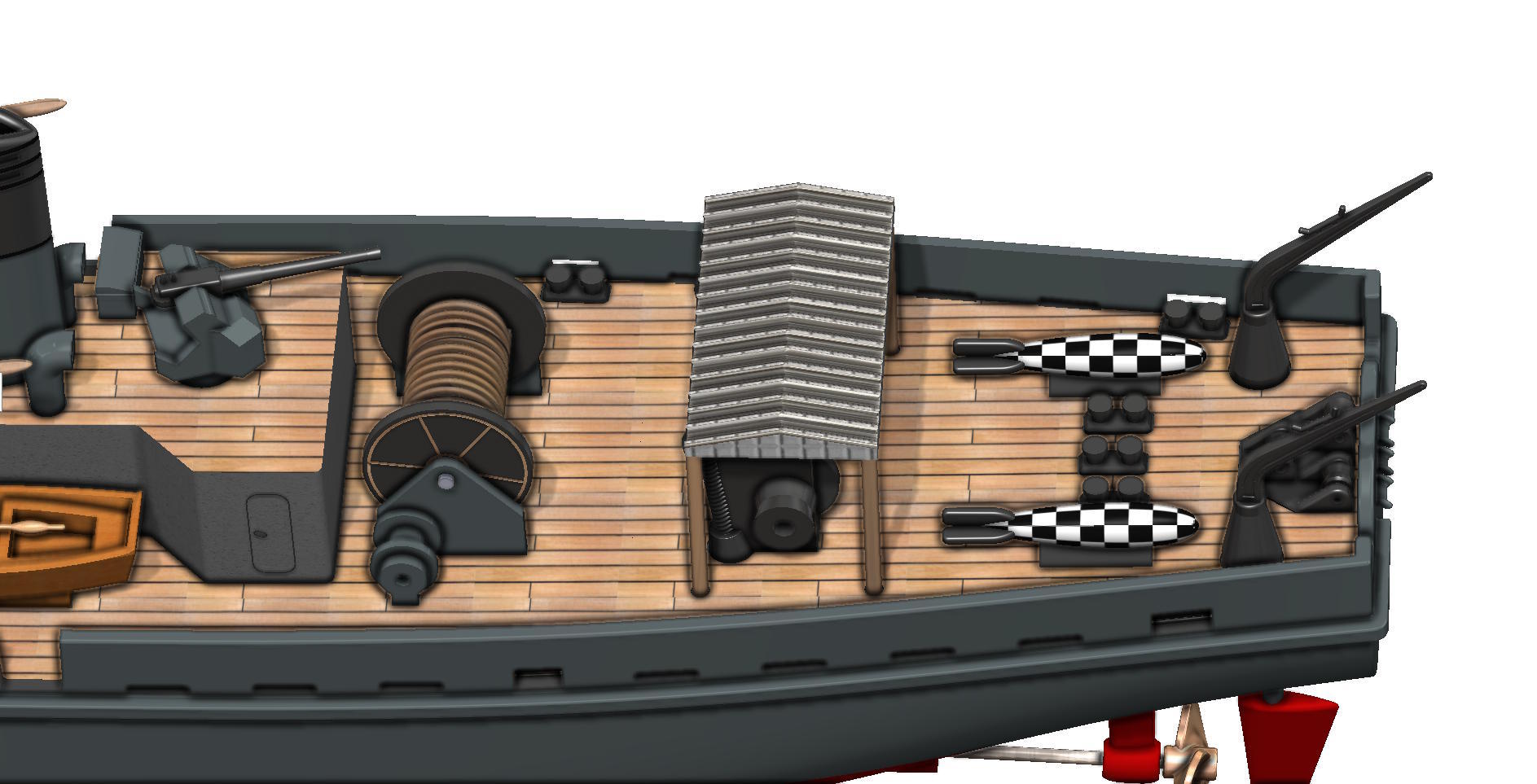
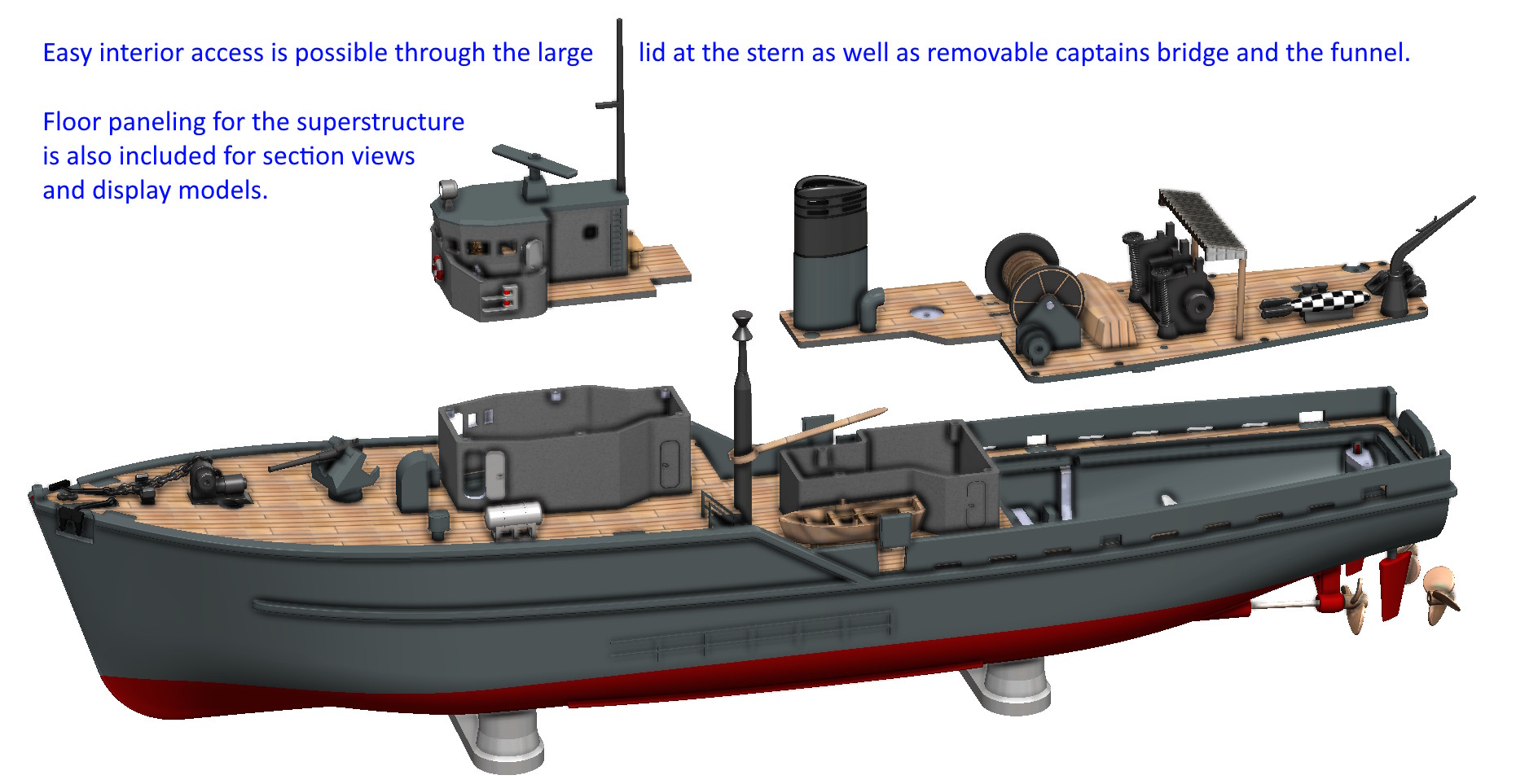
This article includes a 1m 3D model of the Ton Class that can be printed, painted and used for display purposes. The interior of the model is empty and hull has approximately 5-6mm thickness all around making this model a candidate to be converted to a remote controlled boat. There is also a free STL file for a tabletop display model of the Hull Class. You can download it by using the link at the end of the article. Enjoy and please share this page on your social media. If you want to purchase the paid model, HERE IS THE PURCHASE LINK.
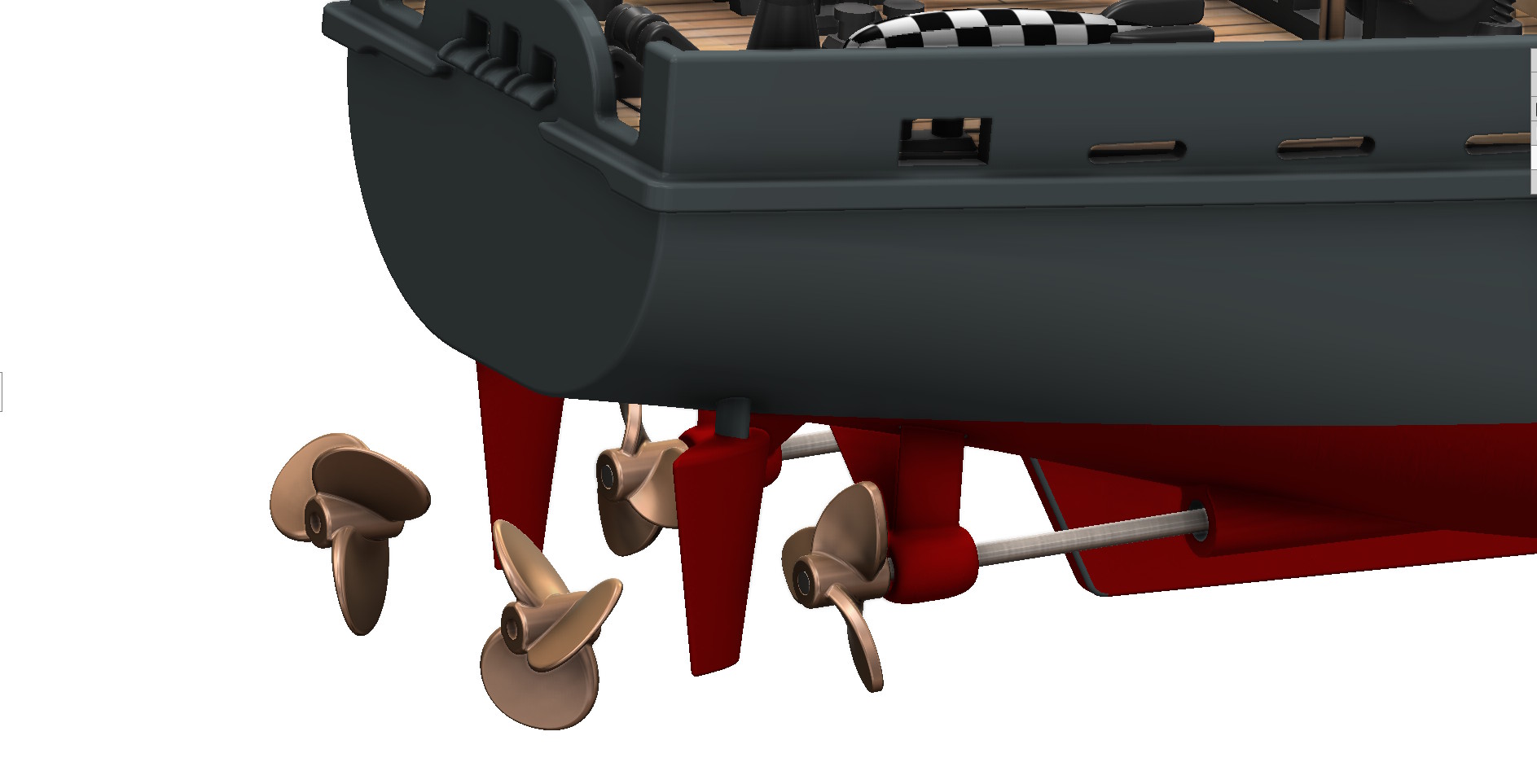
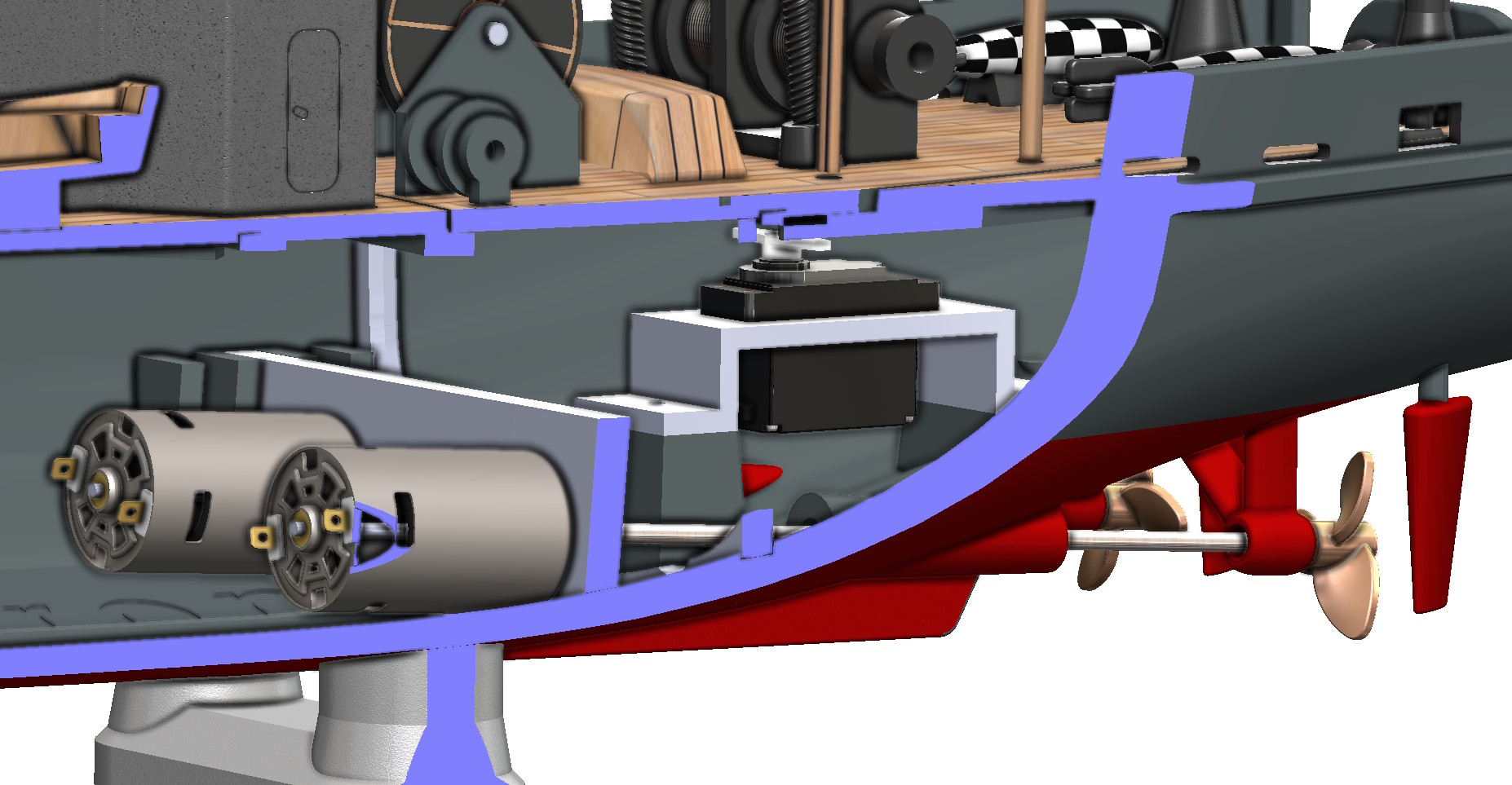
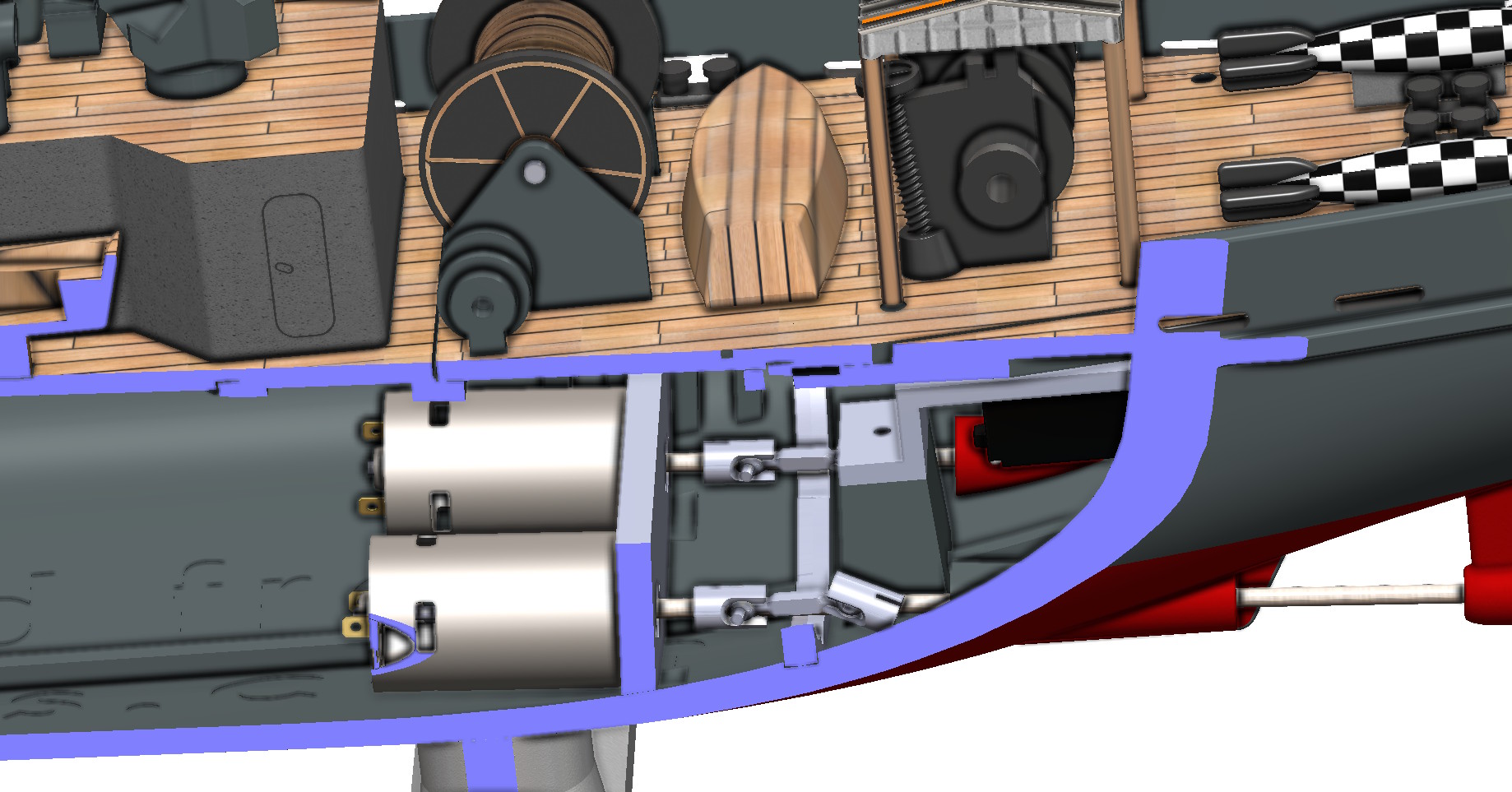
With the latest update, the Ton-class model has evolved from a detailed display project into a fully functional RC-ready platform. The internal structure has been carefully reworked to support real-world components, including propulsion systems, steering mechanisms, and onboard electronics, while preserving the clean external lines of the vessel. This transformation significantly expands the scope of the model: what was once primarily a visual recreation can now become a working representation of a classic minesweeper. By combining historical fidelity with practical engineering, the model offers builders the opportunity to experience the Ton-class not just as a static object, but as a dynamic and interactive project on the water.