
Build the Unsinkable Legend
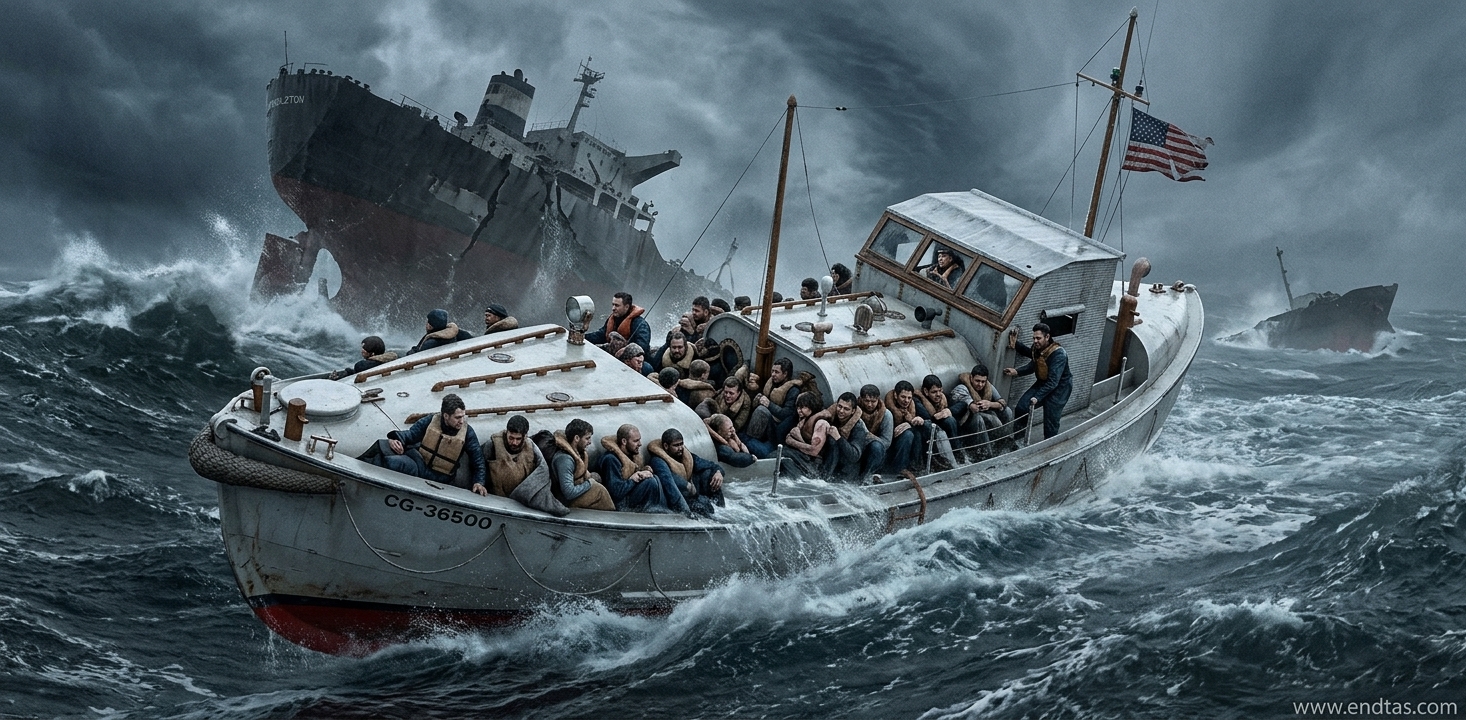
Some boats are remembered for their speed. Others are remembered for their beauty. The CG-36500 Motor Lifeboat earned its place in history through courage, reliability, and extraordinary engineering. Designed by the United States Coast Guard to operate in conditions that would force most vessels back to harbor, the 36-foot motor lifeboat became one of the most successful rescue craft ever built. Its defining moment came on 18 February 1952, when CG-36500, commanded by Boatswain’s Mate First Class Bernard Webber, crossed the treacherous Chatham Bar during a violent winter storm to rescue 32 sailors from the tanker SS Pendleton. The mission has since become one of the most celebrated rescue operations in Coast Guard history and inspired the film The Finest Hours.
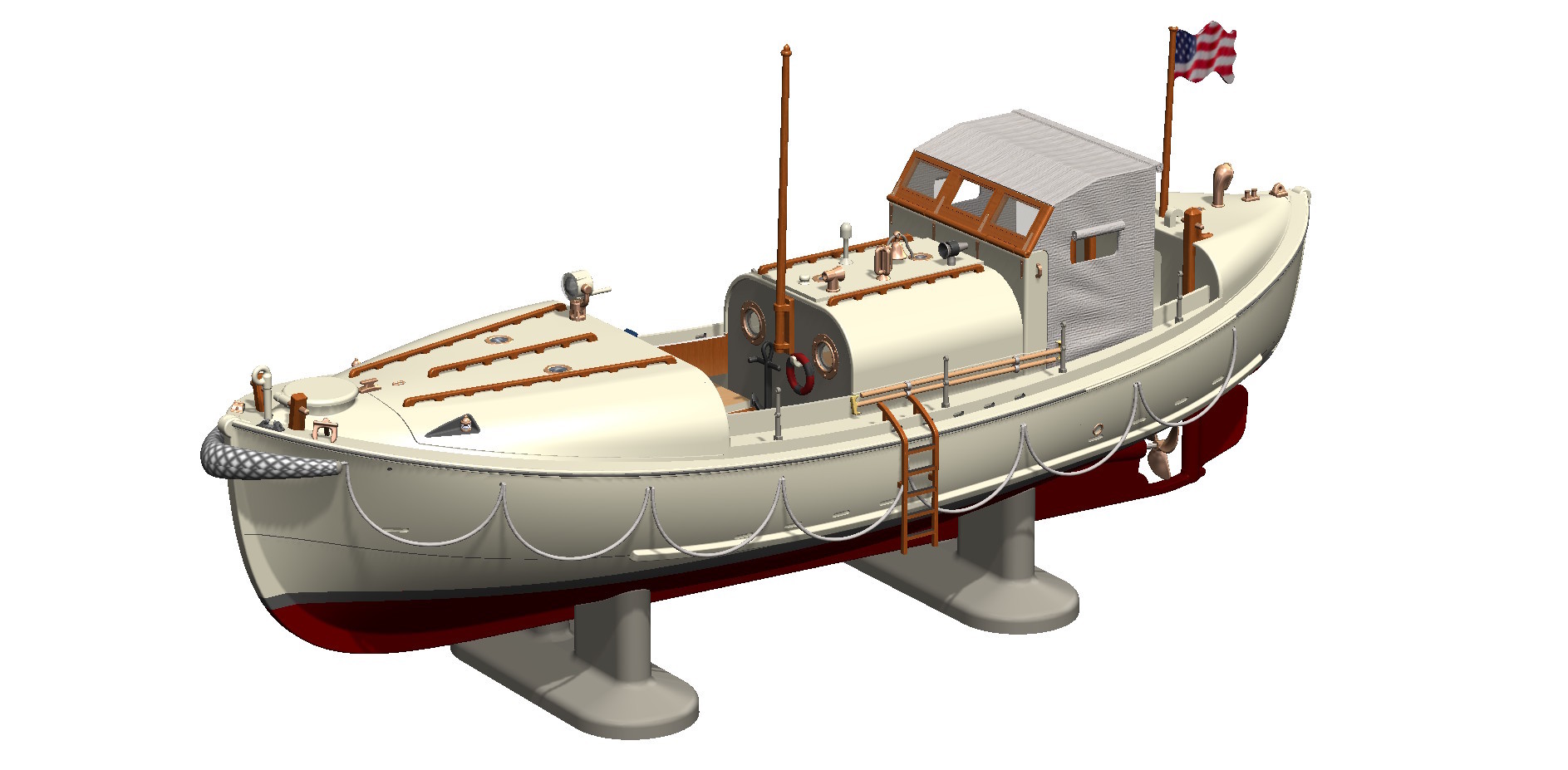
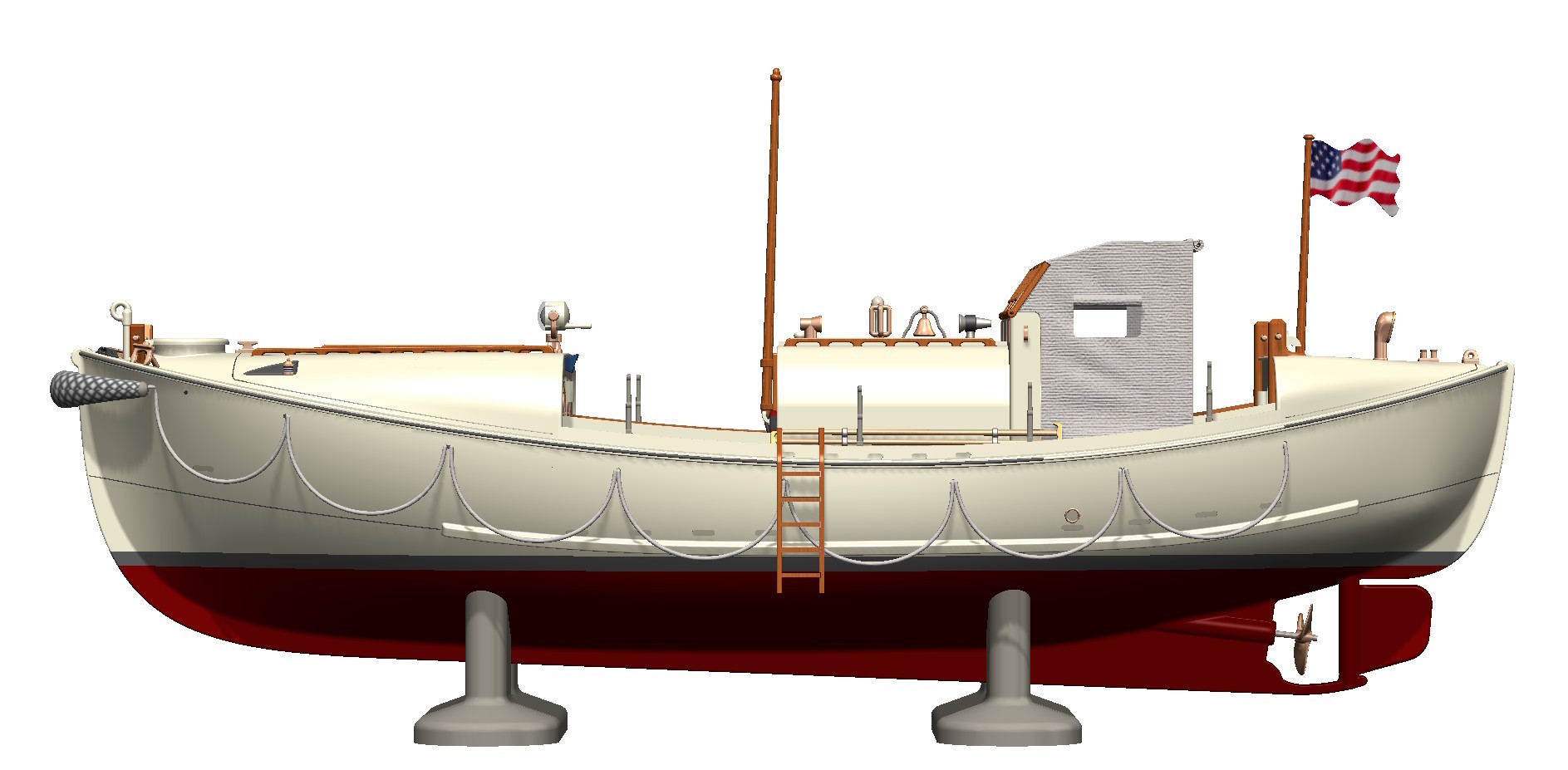
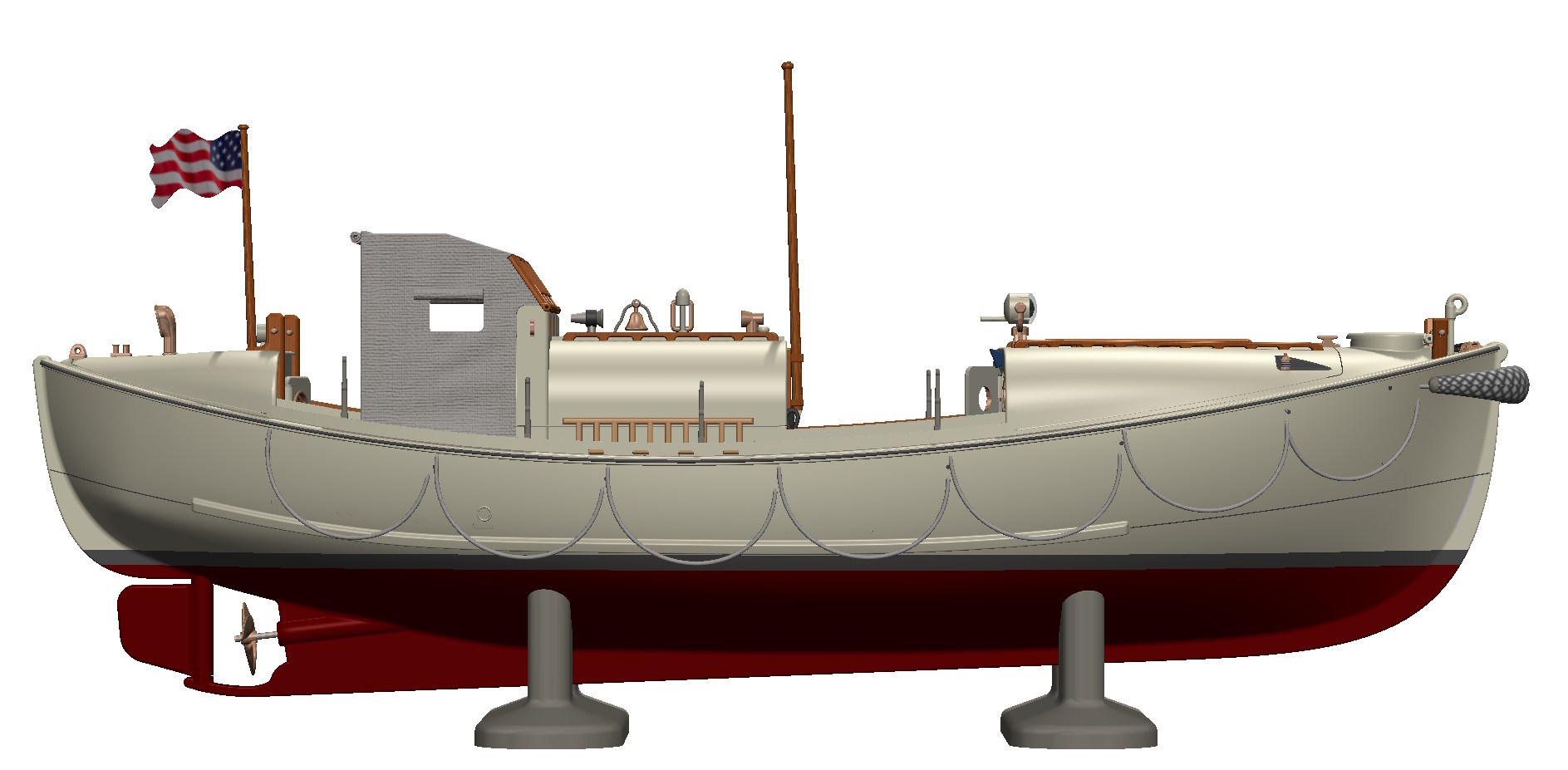
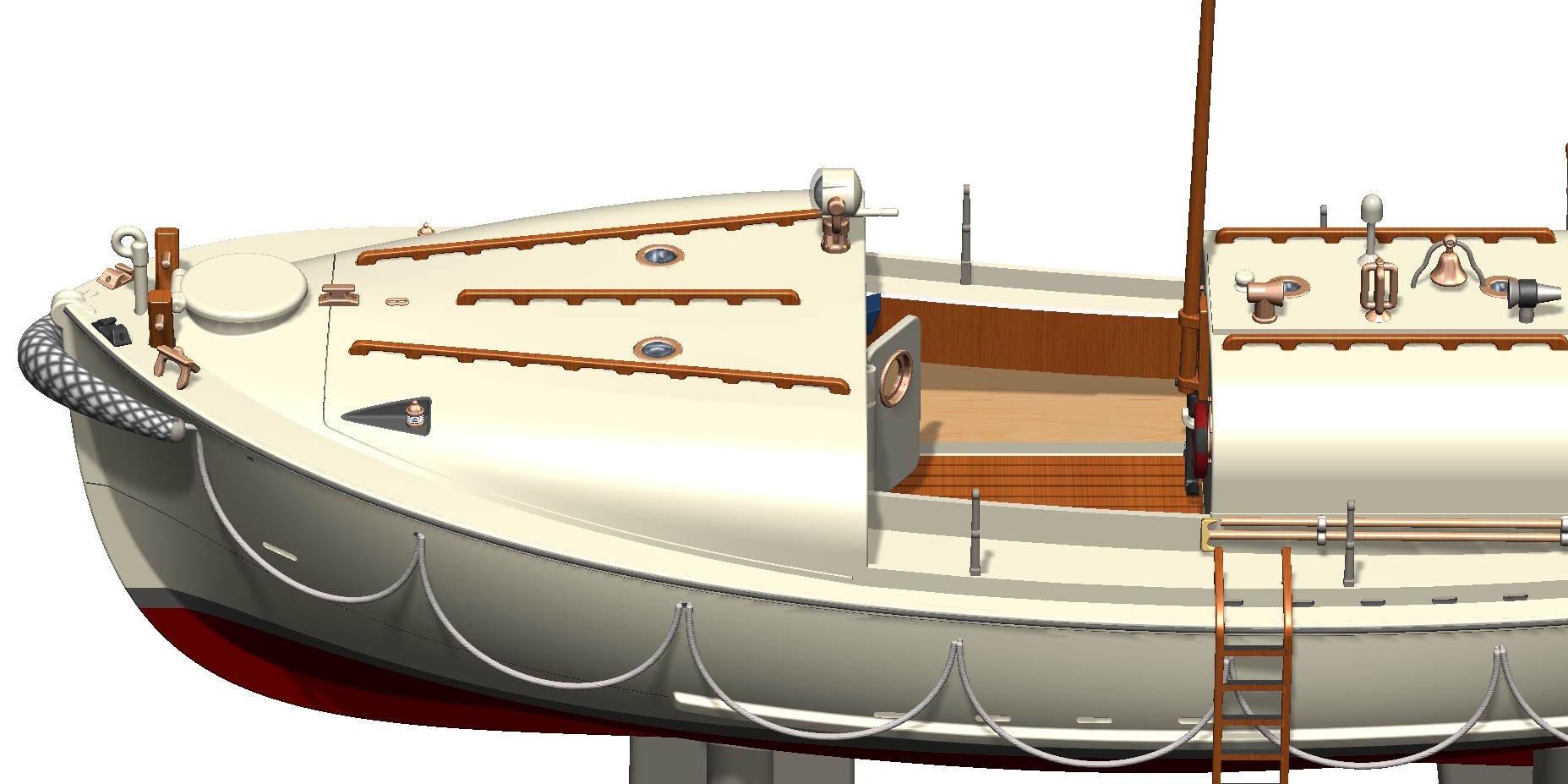
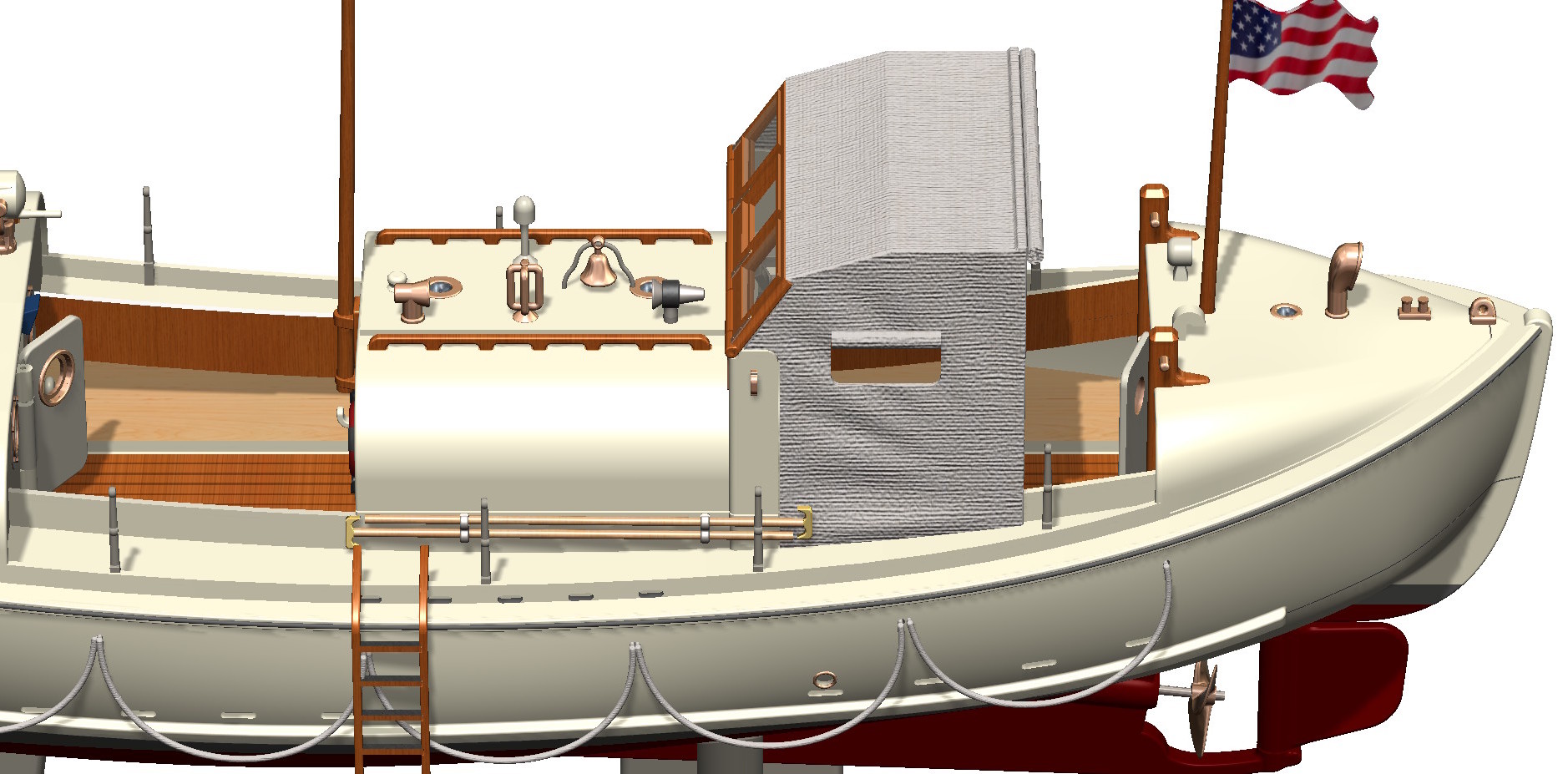
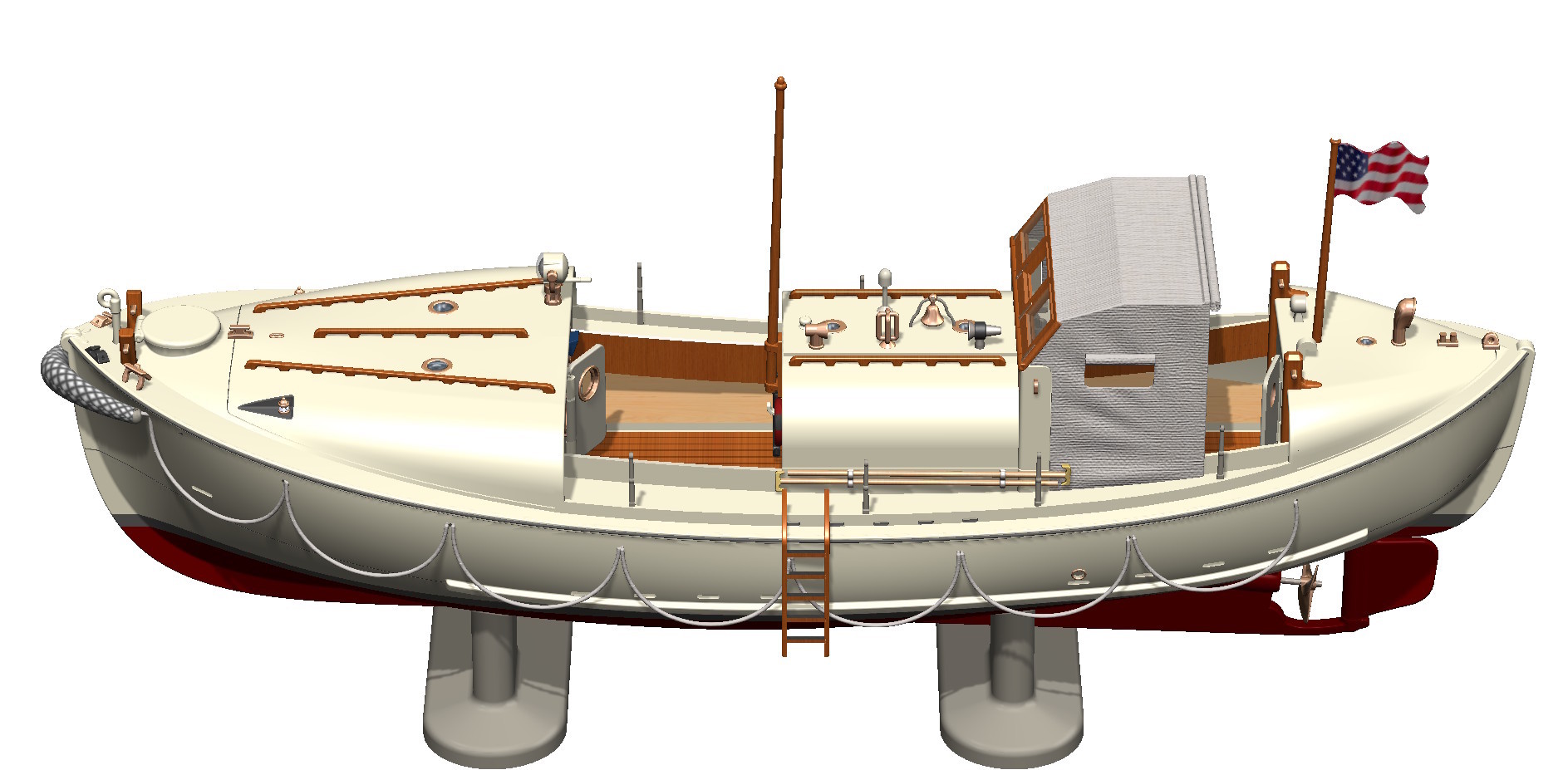
At Endtas, we wanted to recreate not only the appearance of this historic vessel but also its practical, purposeful character. The result is a highly detailed 1:16 scale model measuring approximately 70 cm (27.6 inches) in length. Every major fitting, deck accessory, and structural feature has been recreated from historical references to produce a model that looks equally at home on a display stand or out on the water. With more than 100 high-detail components, the model offers an engaging building experience while remaining practical to print on everyday desktop FDM printers. Our philosophy has always been to combine historical accuracy with thoughtful engineering, ensuring that every project is enjoyable to build as well as visually authentic.
Continue reading the rest of the article.
Or directly proceed to our Cults3D page of the model.
Designed for Builders
Large models often become difficult to assemble once printing is complete. We approached the CG-36500 differently by designing the hull as a modular structure with precision interlocking joints. These joints automatically align each hull section during assembly, producing a stronger structure while also reducing potential water ingress—an important advantage for builders planning an RC conversion.
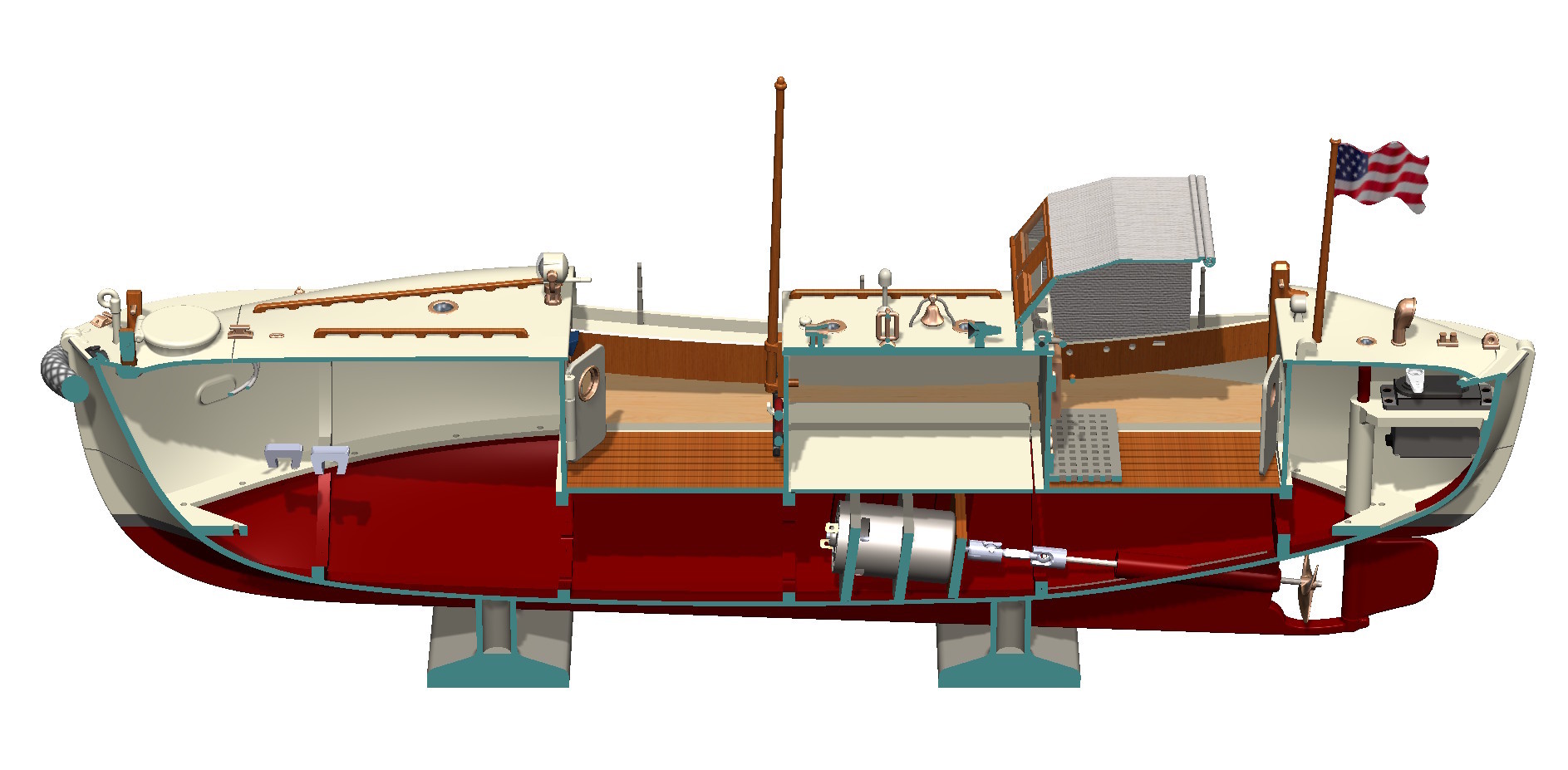
To simplify construction even further, the hull sections can be temporarily secured using ordinary 3 mm screws or common zip ties while the adhesive cures. This allows builders to achieve excellent alignment without complicated jigs or clamps. Two dedicated hull alignment clips are also included, making assembly faster and more straightforward.
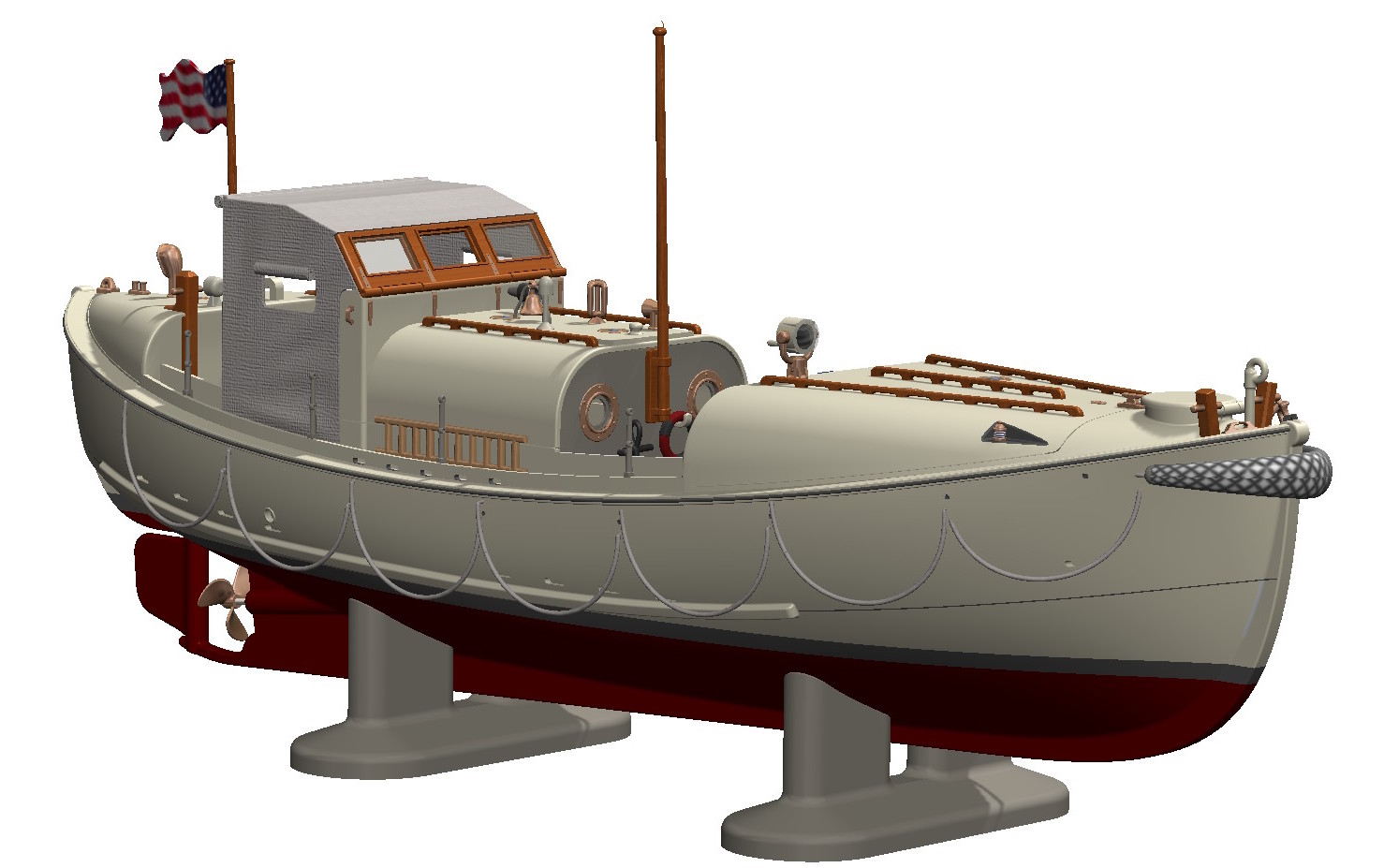
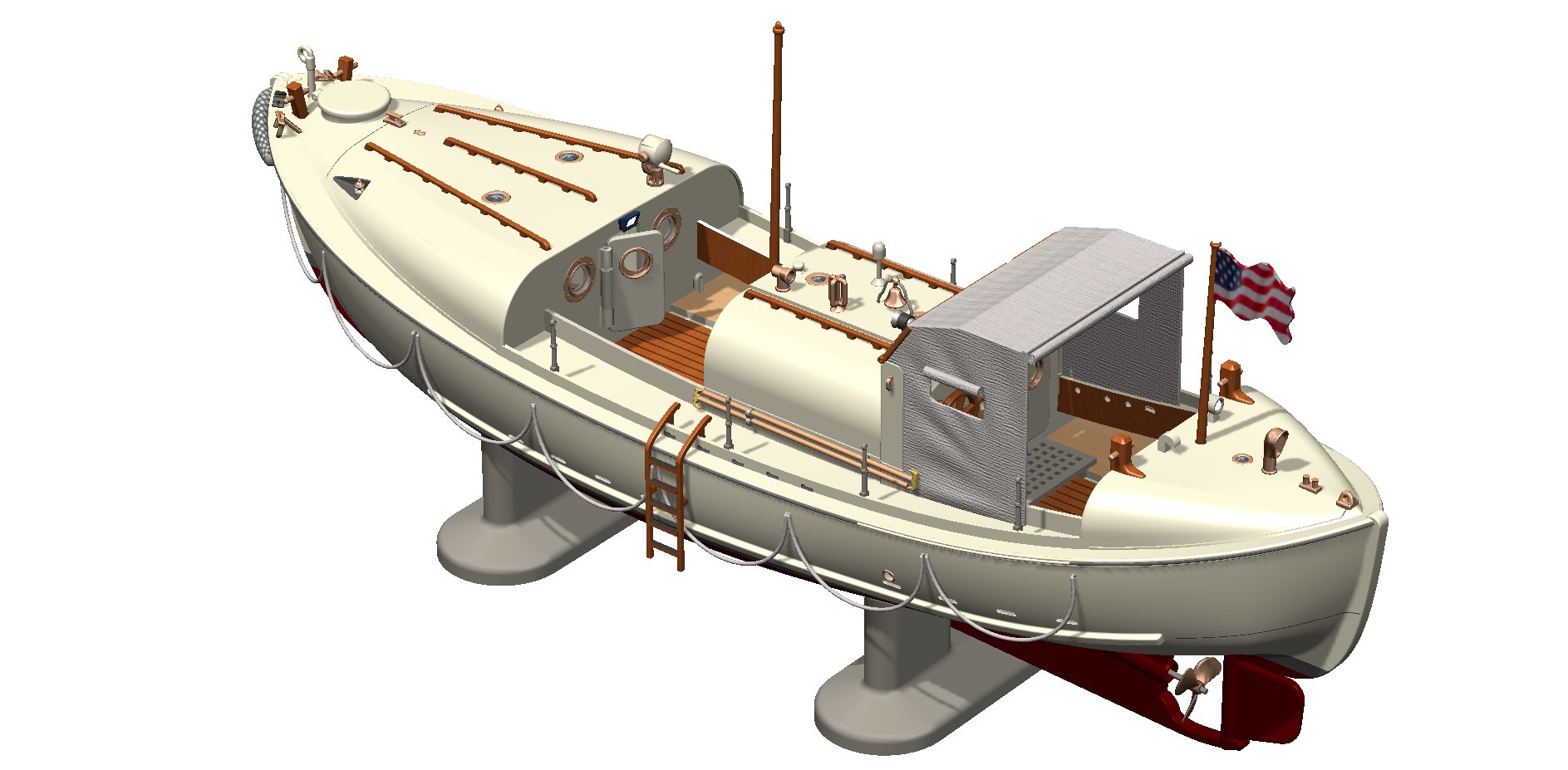
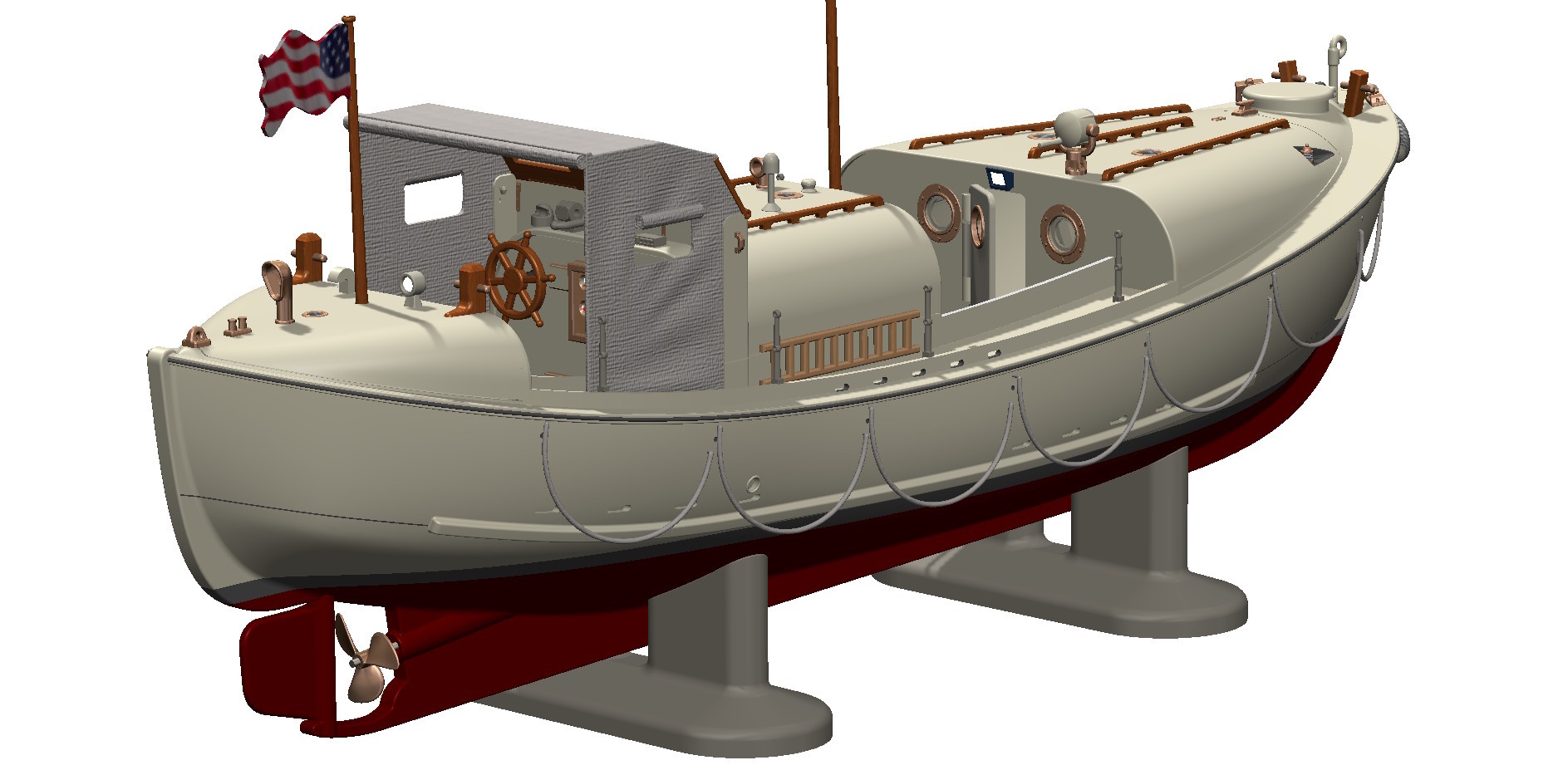


Another practical feature is the separation of the underwater hull from the topside hull. Builders can simply print the lower hull in red filament and the upper hull in white, eliminating much of the masking and painting normally required on scale boats. Small engineering decisions like these save time while producing cleaner results.
Fully RC-Ready
Unlike many printable boat models that require extensive redesign before they can be radio controlled, the CG-36500 has been engineered from the outset as an RC-ready platform.
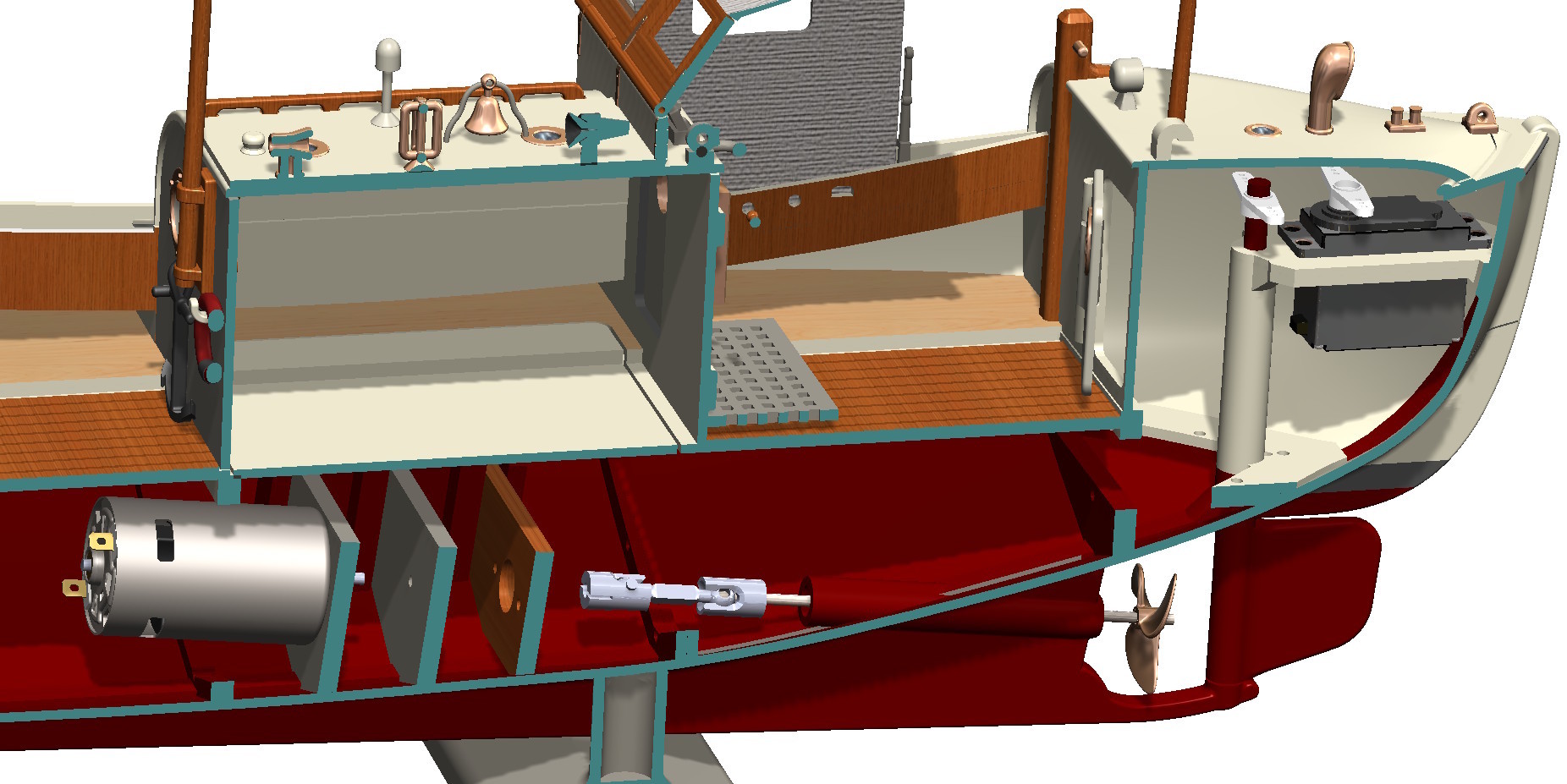
The model includes three interchangeable motor mount designs compatible with a variety of electric motors, along with multiple mounting positions that allow builders to adjust the drivetrain and center of gravity according to their preferred configuration. The spacious interior also leaves room for batteries, steering servos, electronics, and waterproofing solutions without requiring structural modifications.
Whether your goal is a museum-quality display model or a functional rescue boat capable of navigating lakes and ponds, the platform is designed to support both approaches.
Optimized for Consumer 3D Printers
Despite its substantial finished size, every component has been optimized for printers with a 220 × 220 × 250 mm build volume, making the project accessible to owners of popular machines such as the Ender 3, Prusa MK4, Bambu Lab A1, and many others.
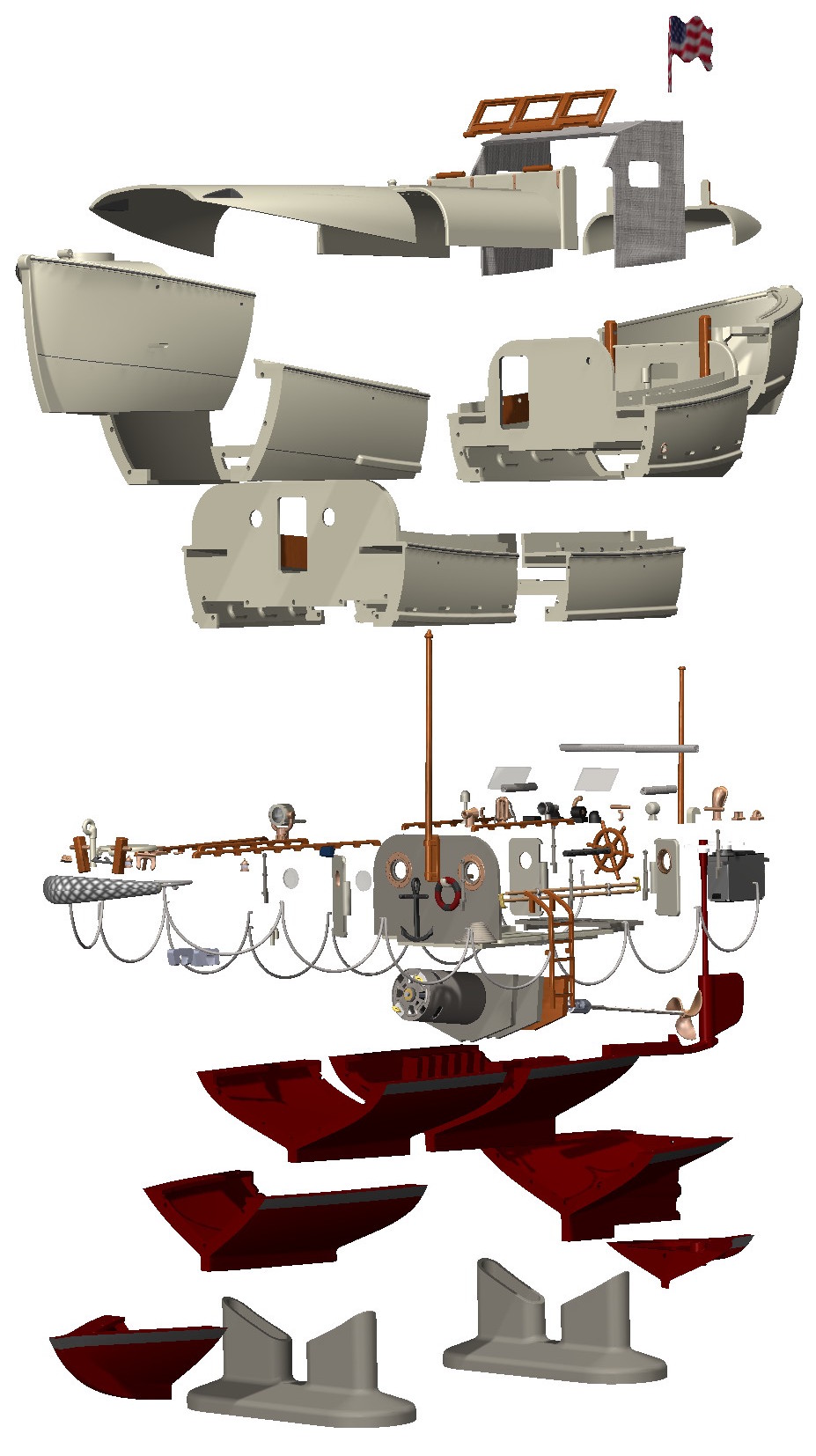
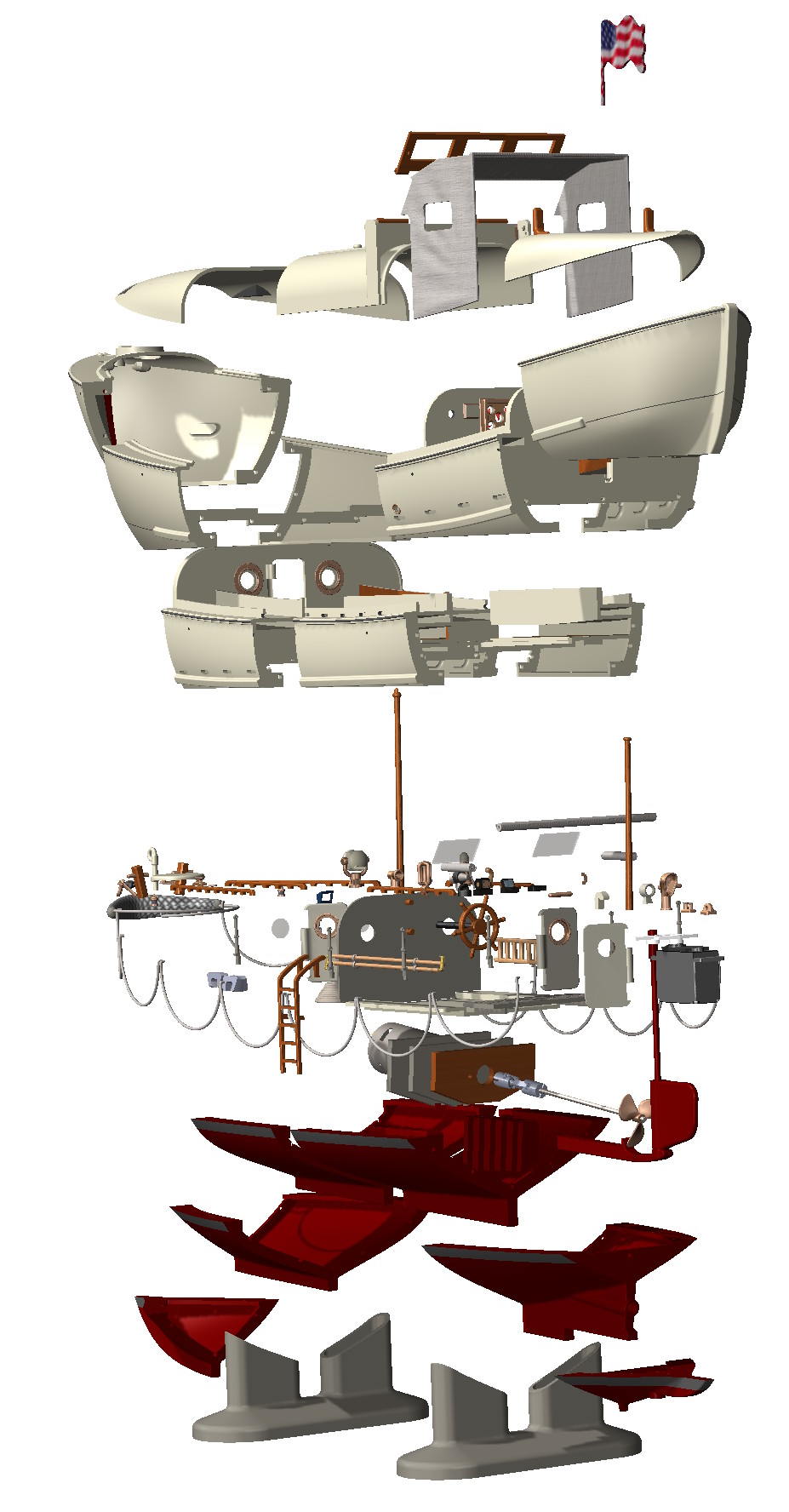
The package includes both traditional STL files and a full-color 3MF version for compatible multi-material printing systems. Builders can choose between classic single-color printing followed by painting or produce multicolored components directly from the printer.
The modular design also reduces the need for excessive support material while making individual parts easier to finish, replace, or upgrade.
A Project That Honors an Icon
The CG-36500 represents more than an historic rescue boat. It symbolizes the skill, determination, and engineering that allowed Coast Guard crews to perform missions under some of the harshest maritime conditions imaginable.
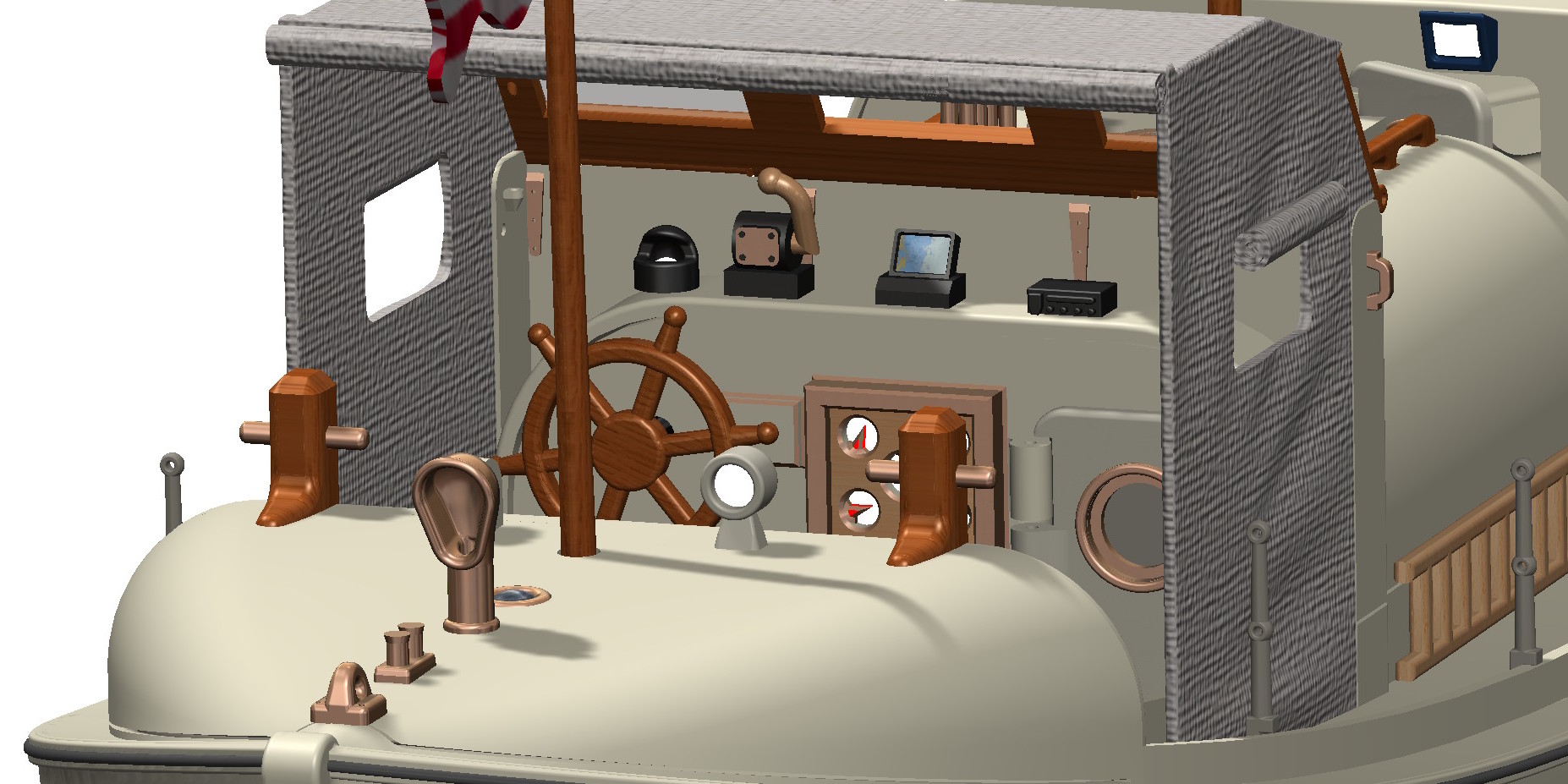
Our goal with this model was not simply to reproduce the hull lines of a famous vessel, but to create a project that builders would genuinely enjoy—from the first printed component to the final assembly and, for many, the first launch on the water.
Whether you are a maritime history enthusiast, an experienced RC hobbyist, or simply someone looking for an ambitious 3D printing project, the CG-36500 Motor Lifeboat offers a rewarding combination of historical significance, engineering, and hands-on craftsmanship.