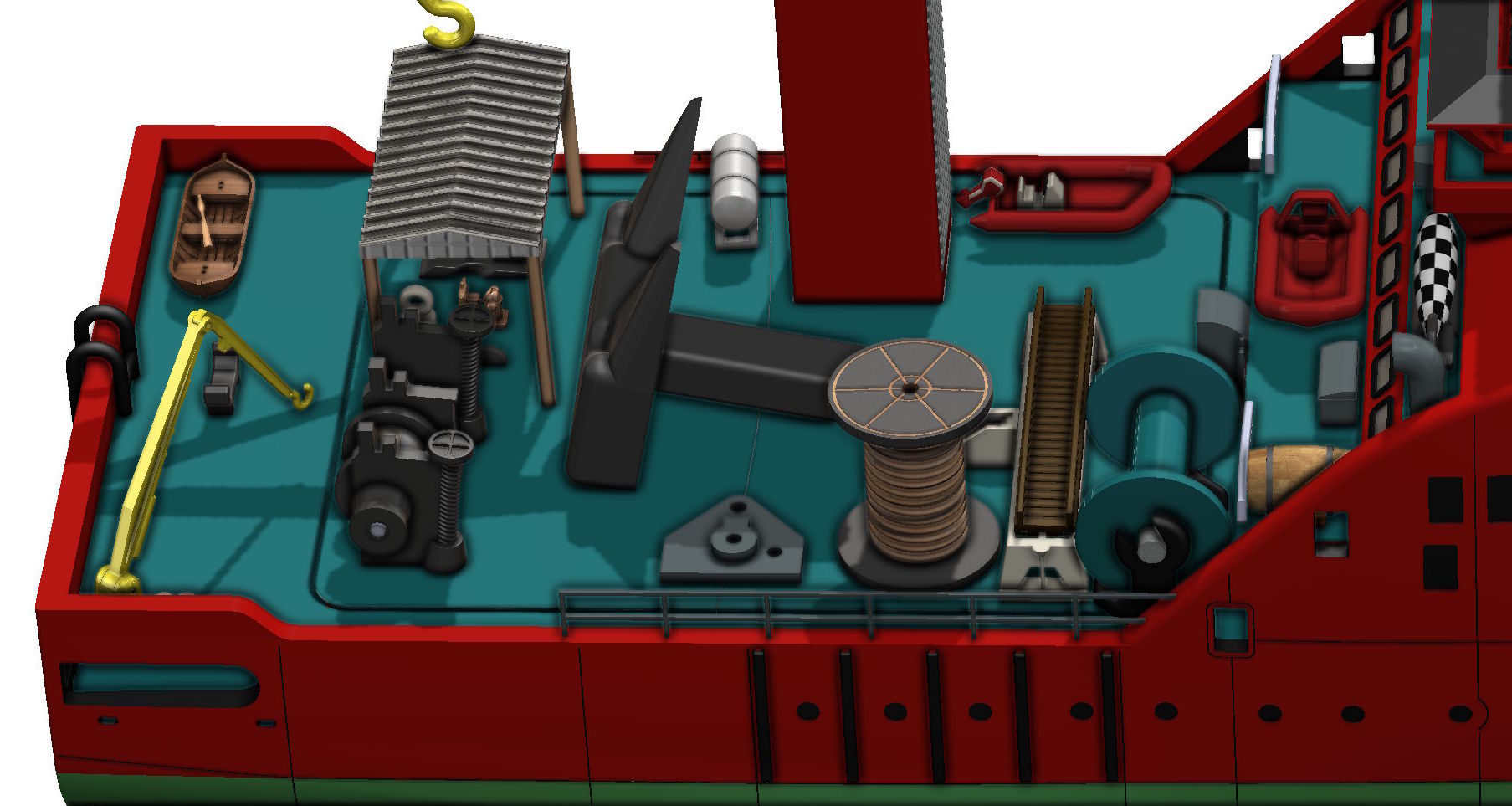
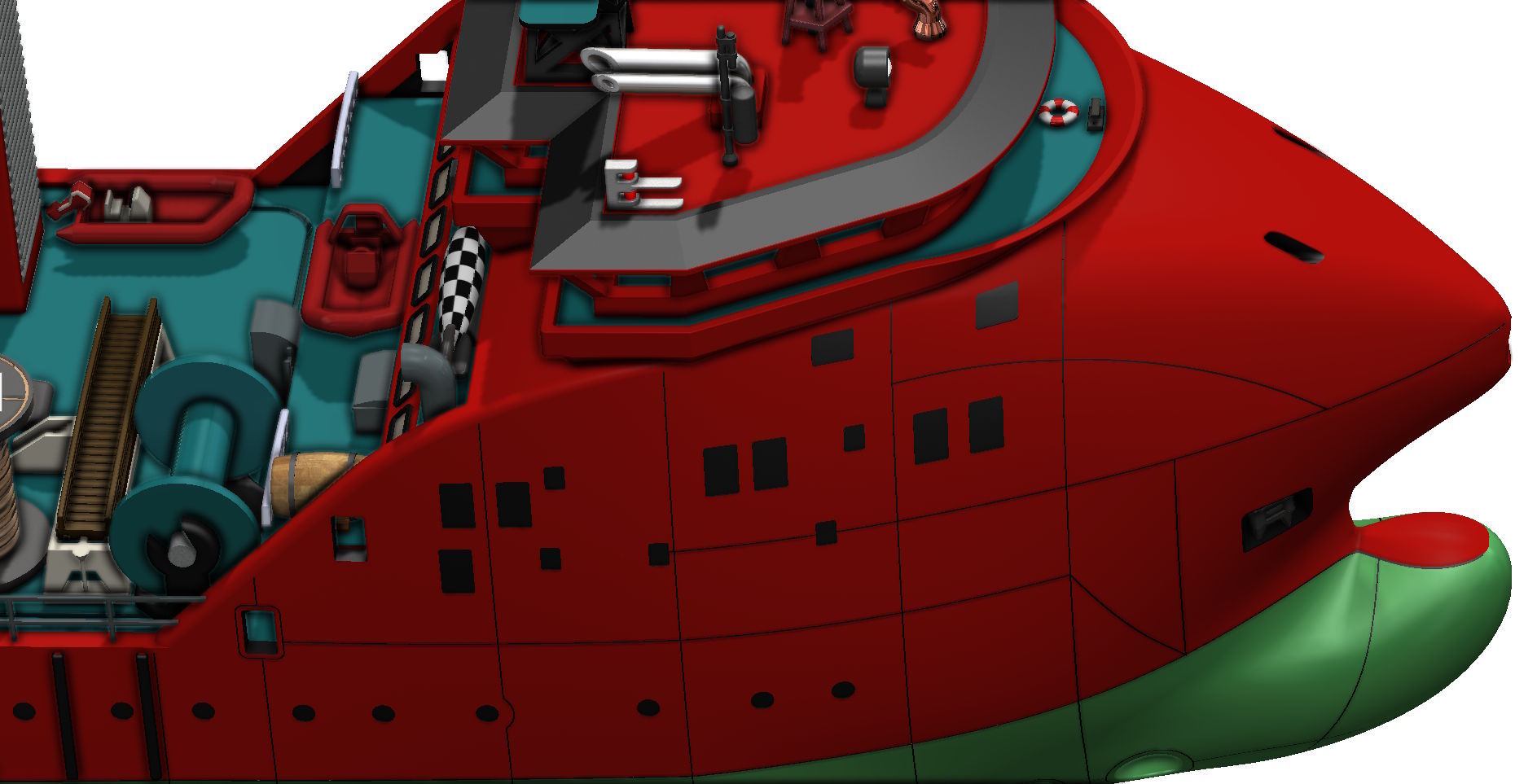
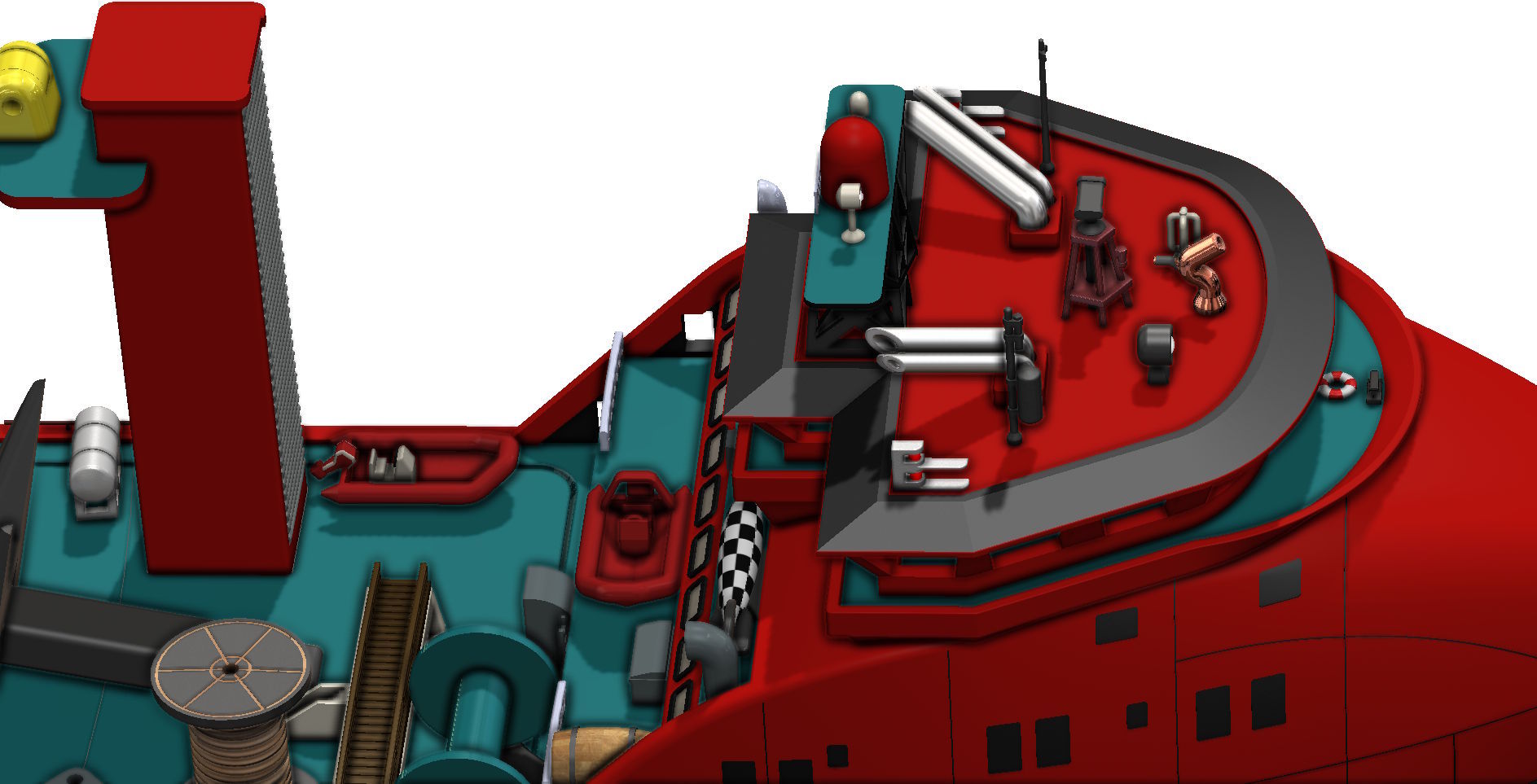
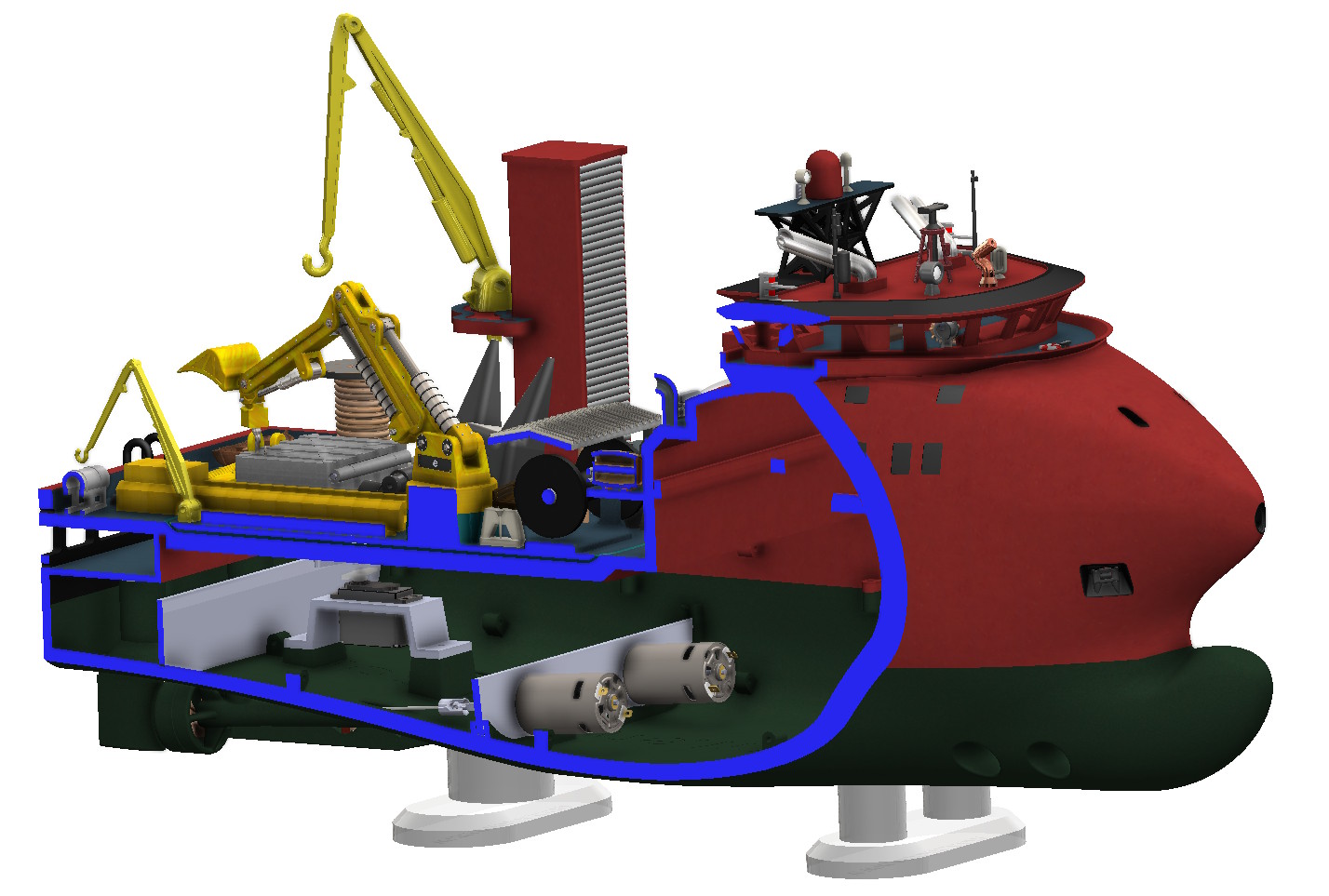
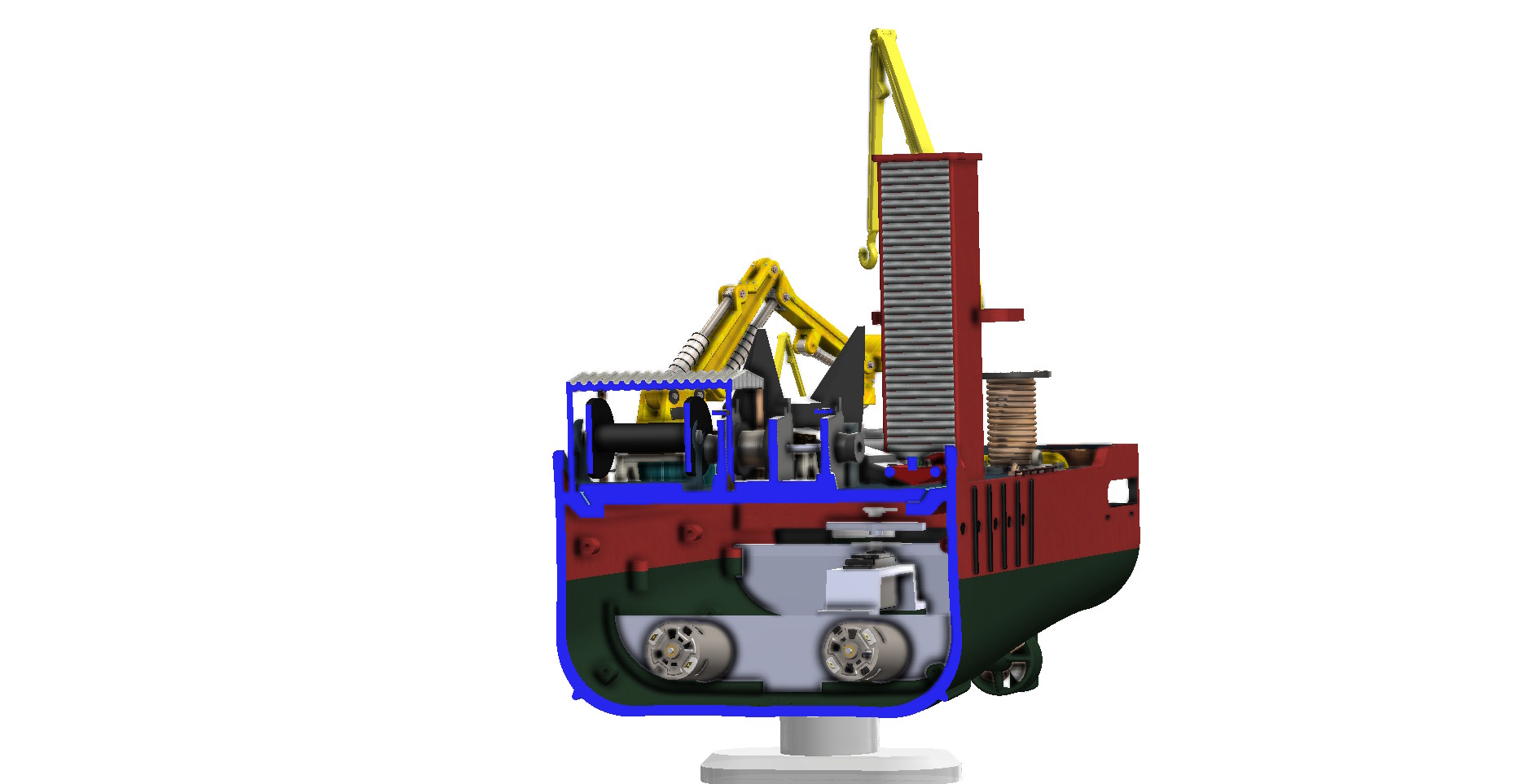
Tug represents the evolution of maritime engineering — a new generation of heavy-duty support vessels designed for the toughest ocean operations. Built to perform anchor handling, towing, and supply duties in extreme conditions, these ships are the backbone of modern offshore industries. Their distinctive, muscular hull forms, advanced bridge designs, and robust propulsion systems embody a perfect blend of raw power and cutting-edge technology.
Continue reading for more info, renderings, and your free desktop model STL file.
640 mm RC-Ready Rotor Tug STL Pack – Highly Detailed 1:50 Scale 3D Printable Model
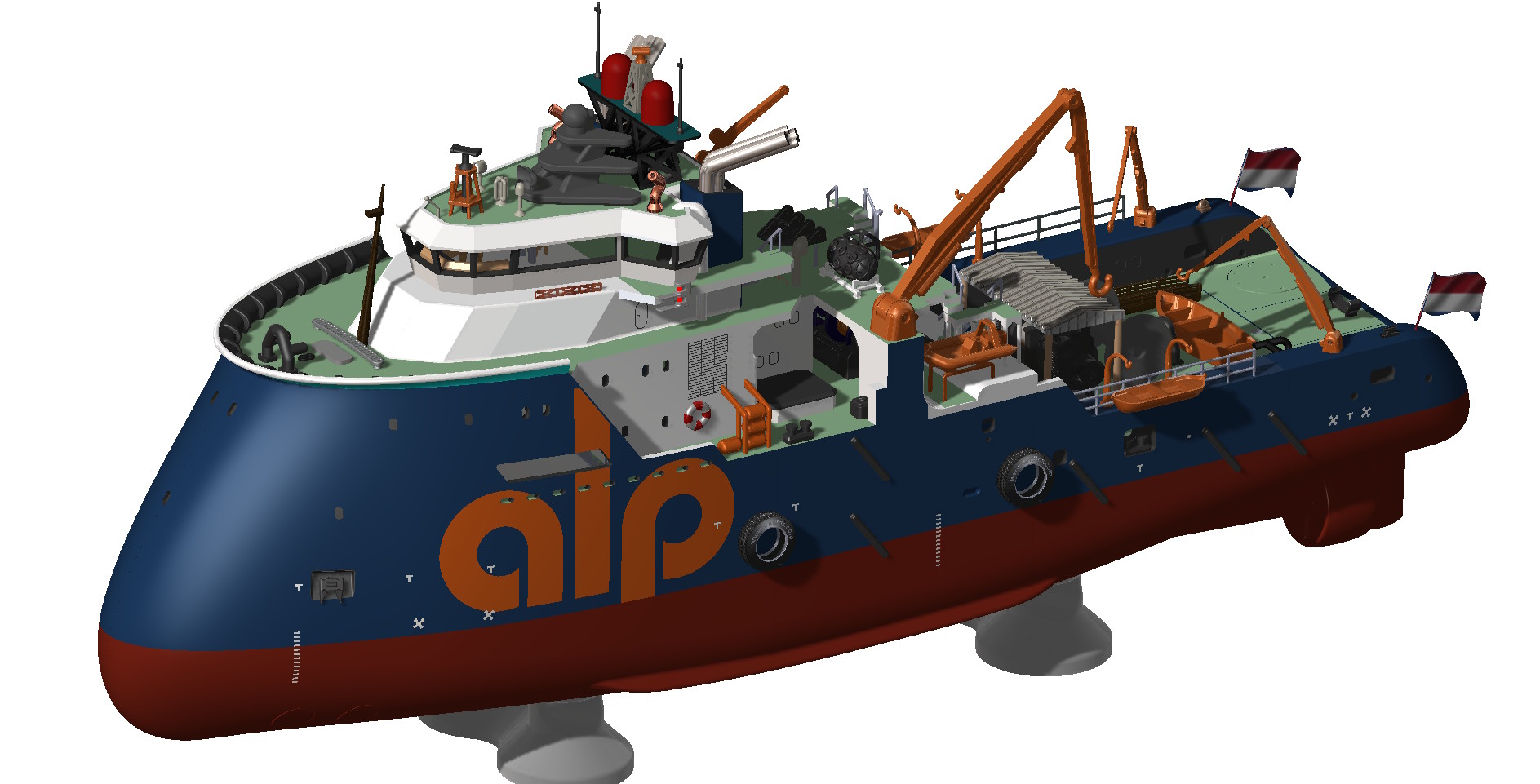
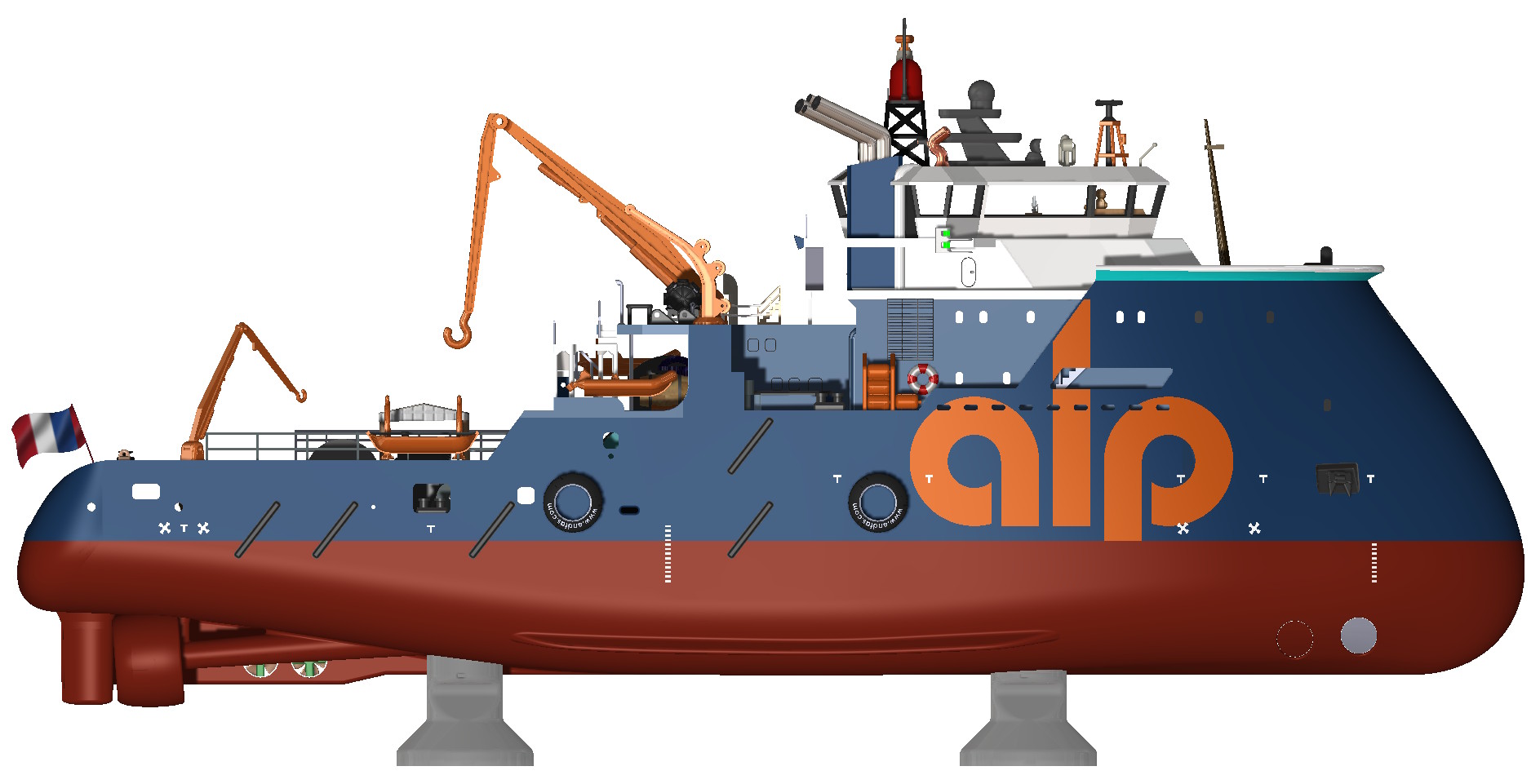
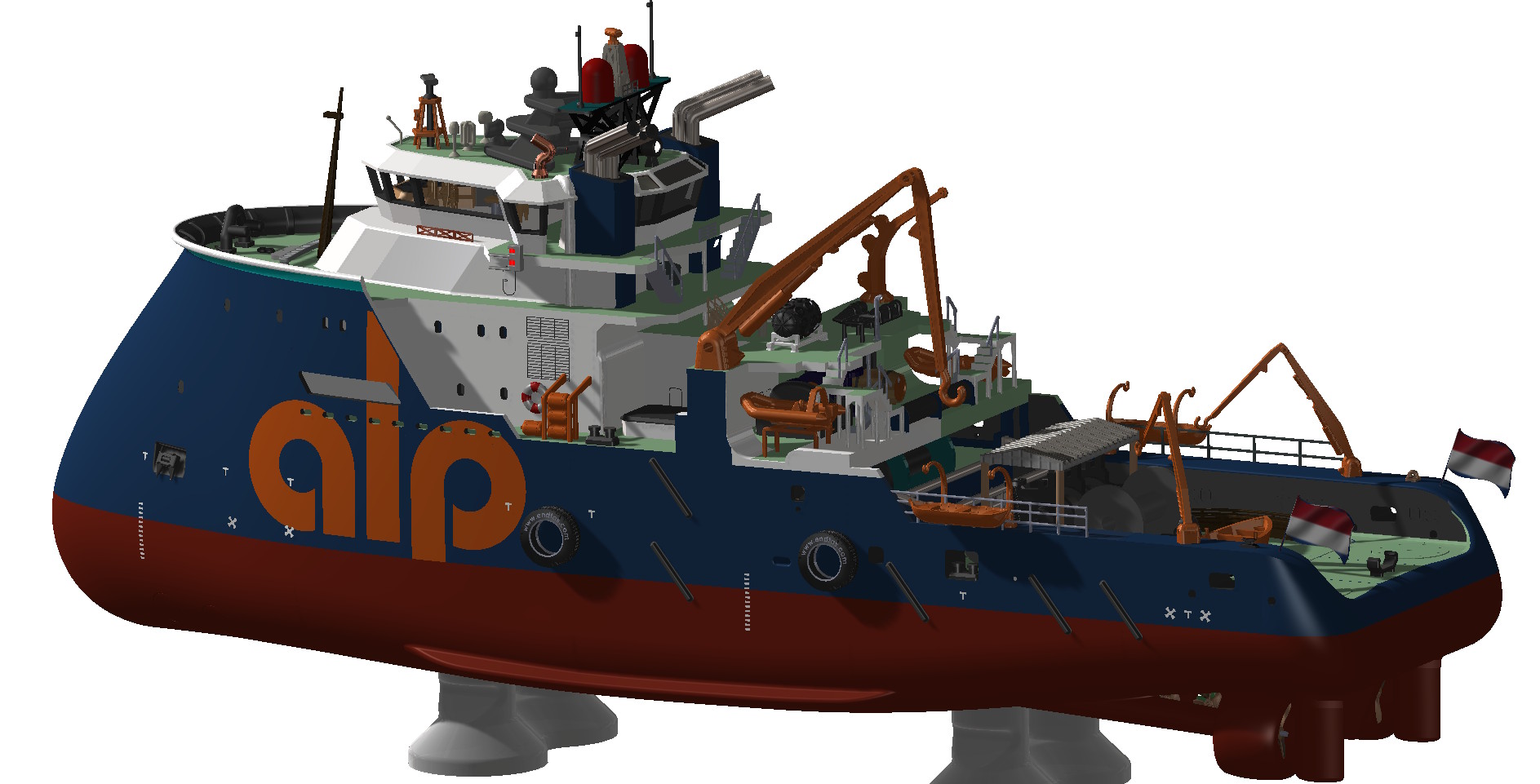
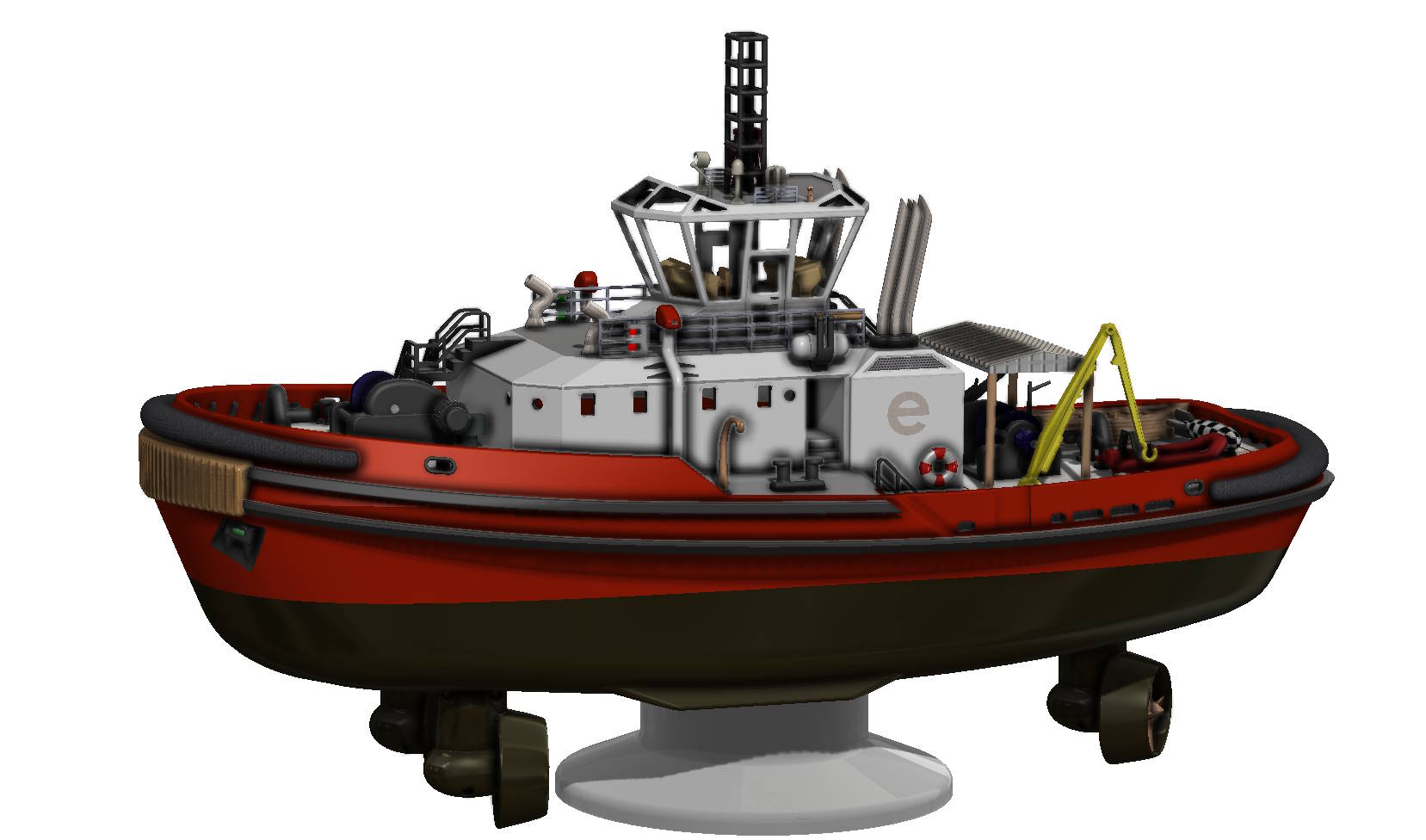
Bring the power and engineering character of modern azimuth-propelled harbor tugs to your workshop with this highly detailed 1:50 scale rotor tug model. Inspired by contemporary 80-32 class ocean tugs, this professionally designed STL package combines accurate proportions, functional engineering concepts, and advanced modular construction in a large-format 640 mm display and RC-ready platform. Based on the Cults3D release and included design package specifications, the model contains over 115 STL and 3MF files with a fully modular hull, animated azimuth propulsion units, and extensive deck detailing.
(Cults 3D) <<—- Click to visit the purchase page of this model on Cults3D.com
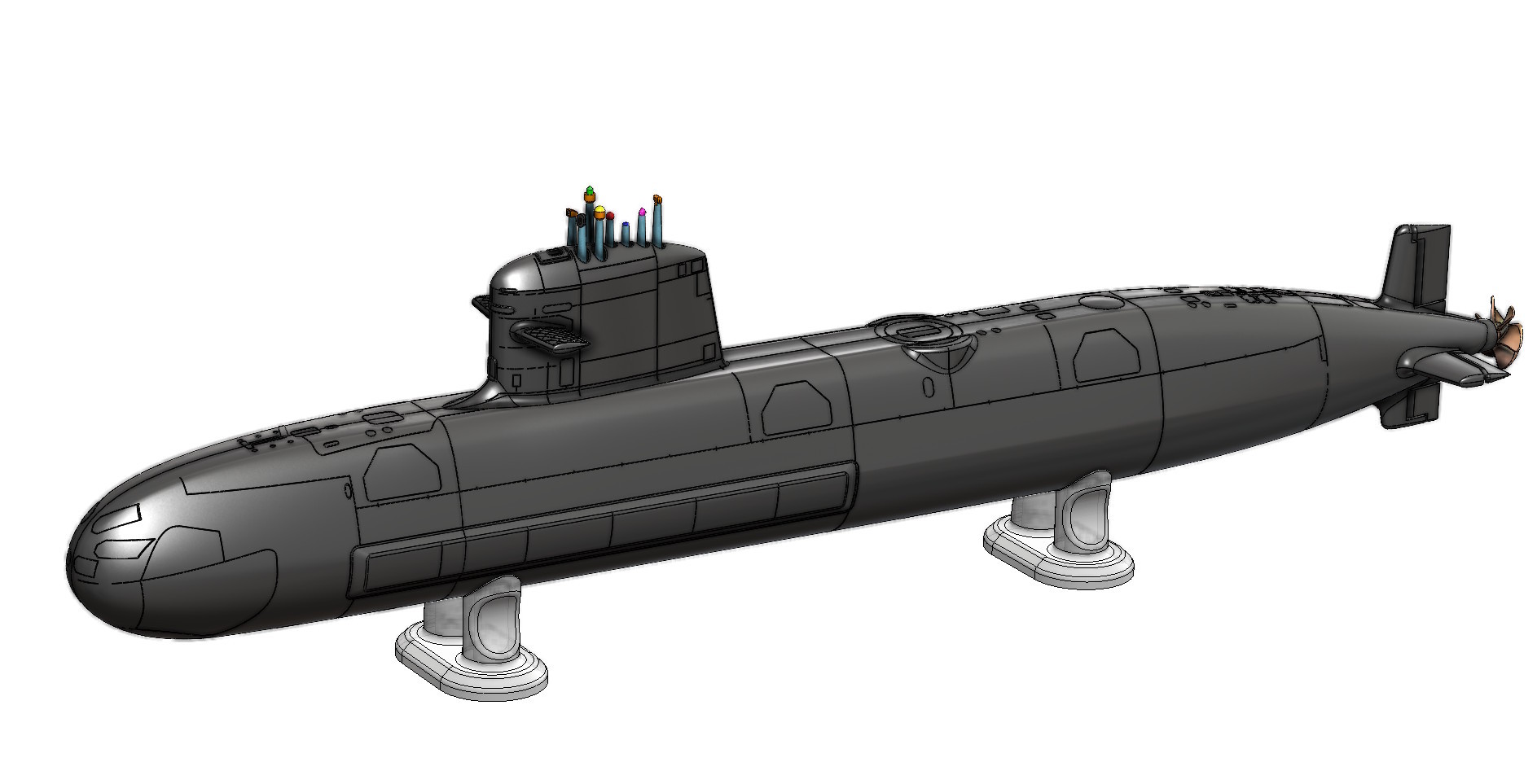
The French Scorpène-class submarines represent one of the most successful and widely adopted modern submarine designs in the world. Developed by Naval Group (formerly DCNS), the Scorpène class combines compact dimensions with advanced stealth, long endurance, and multi-role flexibility. These diesel-electric attack submarines have been built for and operated by several nations — including India, Brazil, Chile, and Malaysia — each version tailored to local operational requirements. With their quiet propulsion systems, advanced combat management, and modular construction, the Scorpène-class has become a global standard for next-generation conventional submarines.
To bring this modern masterpiece into digital form, we created a 1:87 scale, 3D printable model of the Scorpène-class submarine, designed to capture both the beauty and engineering precision of the original vessel. Measuring 763 mm in length, this version consists of 35 separate high-poly STL files, optimized for easy printing with most FDM and resin printers. The hull interior is mostly empty, with a 5–7 mm wall thickness, reinforced by three internal bulkheads that ensure alignment and add rigidity during assembly. These features make the model both durable and straightforward to build, even for large-format prints.
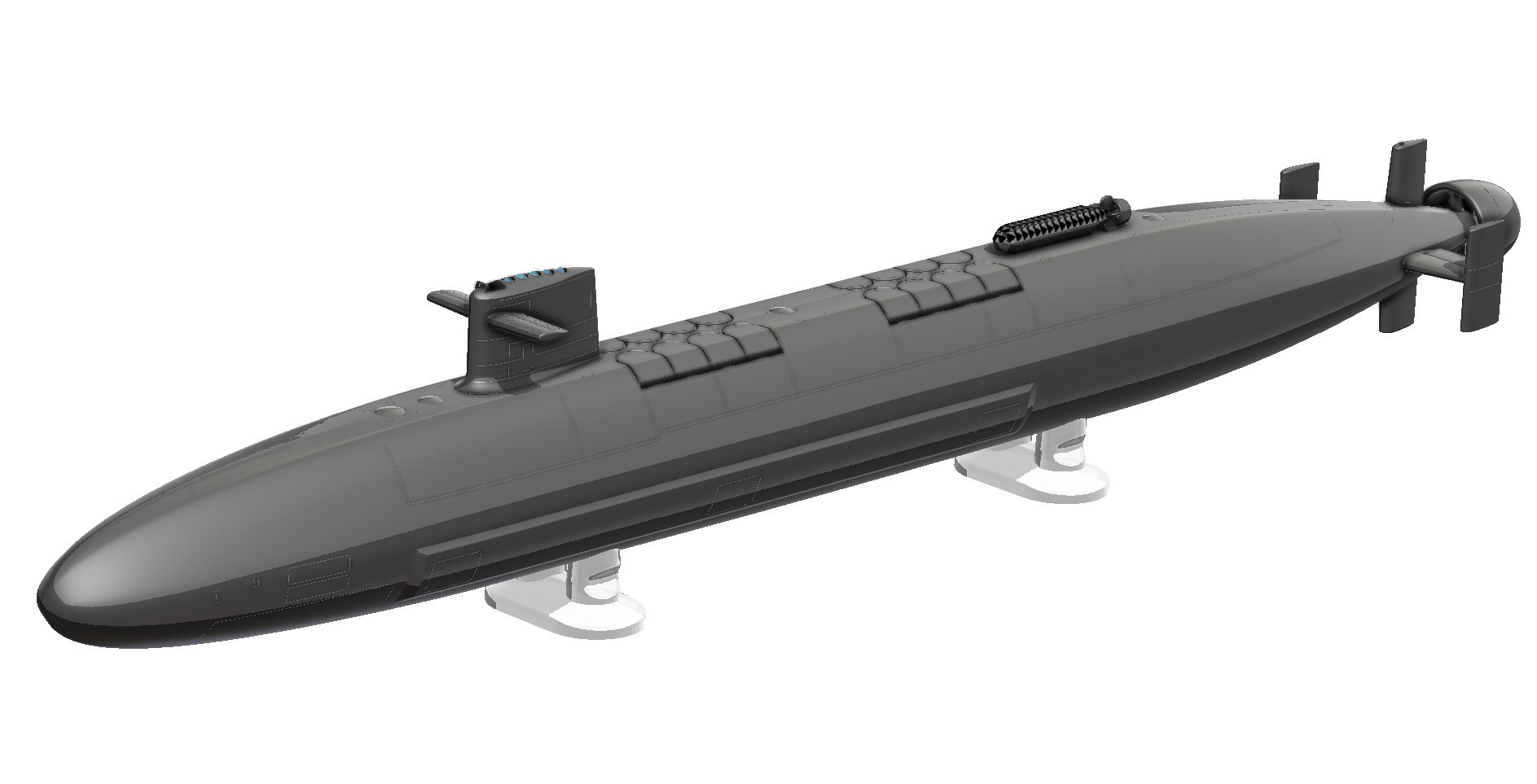
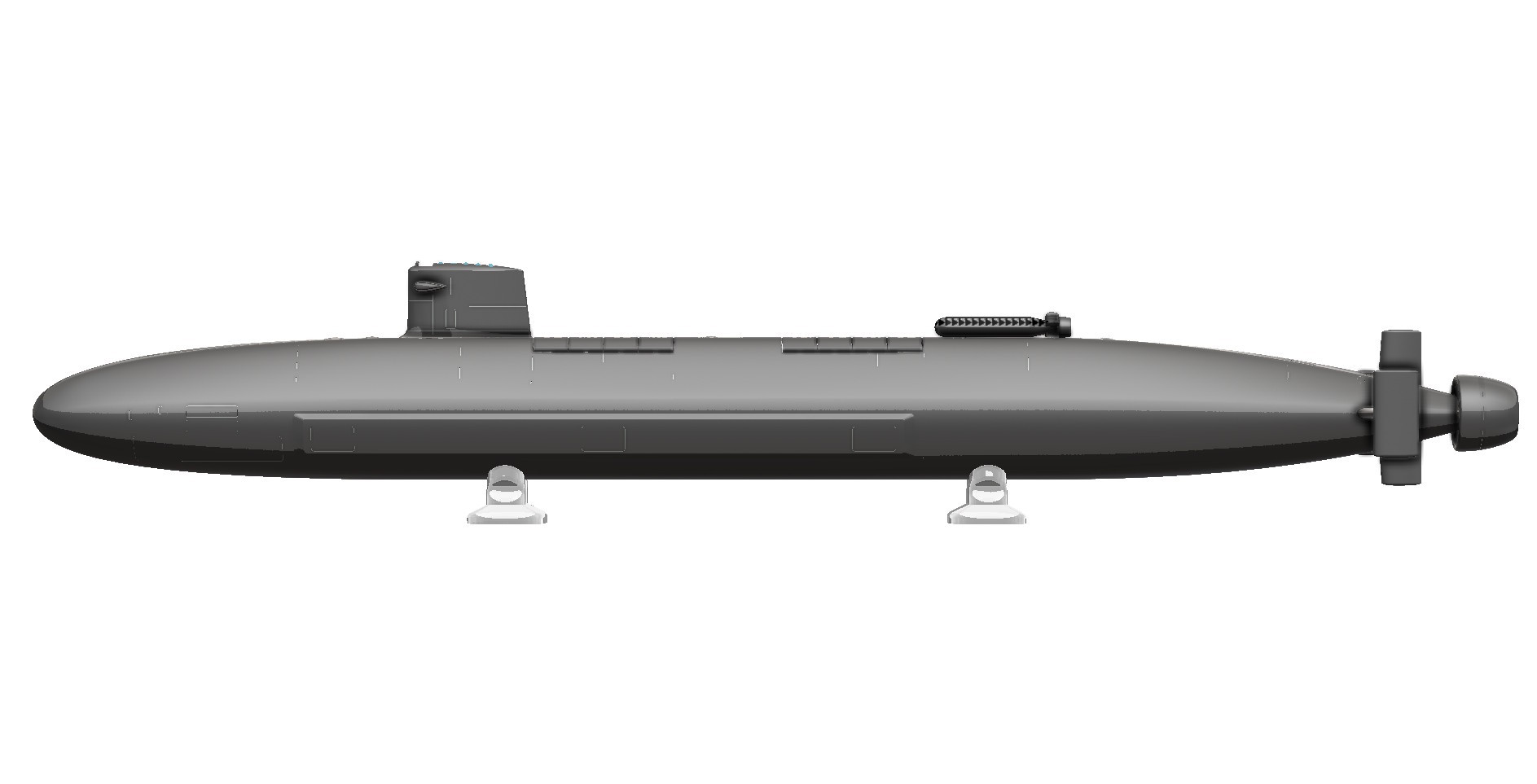
The Triomphant-class represents the pinnacle of French naval engineering — a fleet of four nuclear-powered ballistic missile submarines that form the backbone of France’s sea-based strategic deterrent. Commissioned between the late 1990s and early 2010s, these vessels — Le Triomphant, Le Téméraire, Le Vigilant, and Le Terrible — embody decades of design evolution in stealth, endurance, and acoustic refinement. Their quiet hydrodynamic profiles and robust reactor systems enable long, independent patrols beneath the ocean surface, ensuring both national defense and strategic balance.
This 3D modeling project translates that formidable maritime presence into a detailed, buildable digital form. At 1 meter in length, the model captures the Triomphant-class’s refined geometry — its continuous curved hull, distinctive missile deck, and smoothly blended sail structure. The digital design emphasizes proportion, hull accuracy, and printability, resulting in a form that is both visually authentic and structurally reliable when printed. The streamlined shape of the Triomphant-class lends itself naturally to 3D fabrication, and this model takes full advantage of that efficiency, balancing elegance with mechanical integrity.
Continue reading for more info, renderings and a free STL file for 3d printing your own Triomphant.
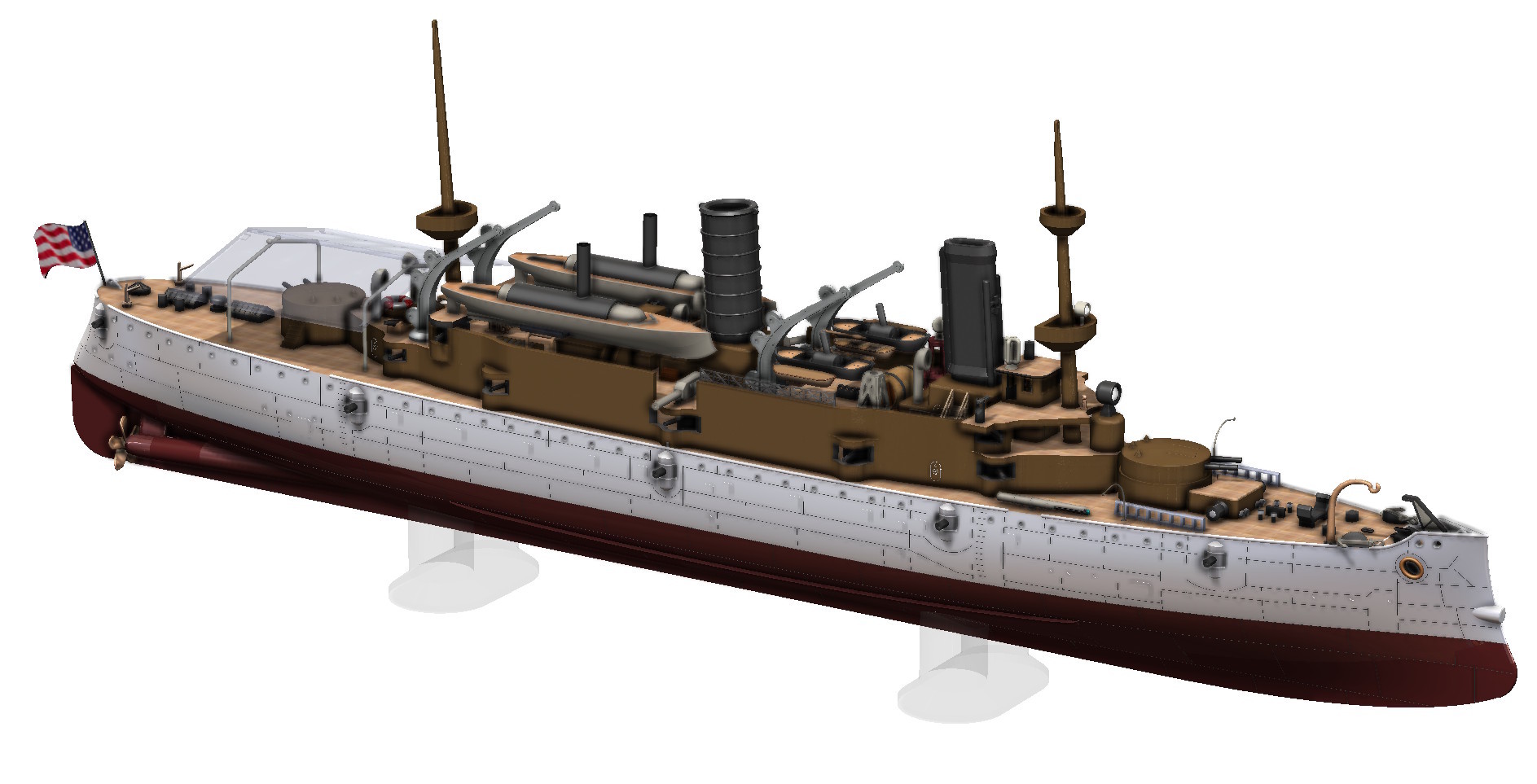
The USS Olympia (C-6) project pays tribute to one of the most significant warships in American naval history — the flagship of Commodore George Dewey at the Battle of Manila Bay (1898) and a symbol of the United States’ emergence as a maritime power. Designed as a protected cruiser, Olympia embodied the technological transition from wooden fleets to modern steel navies, combining sleek lines, twin military masts, and an armored deck that protected her vital systems. This 1-meter-long 3D printable model has been developed to capture those defining features with both architectural precision and print-friendly design, preserving the character and proportions of the historic vessel while offering a practical build experience for modelers and enthusiasts.
Continue reading for more info, renderings and free STL files for 3d printing your own USS Olympia
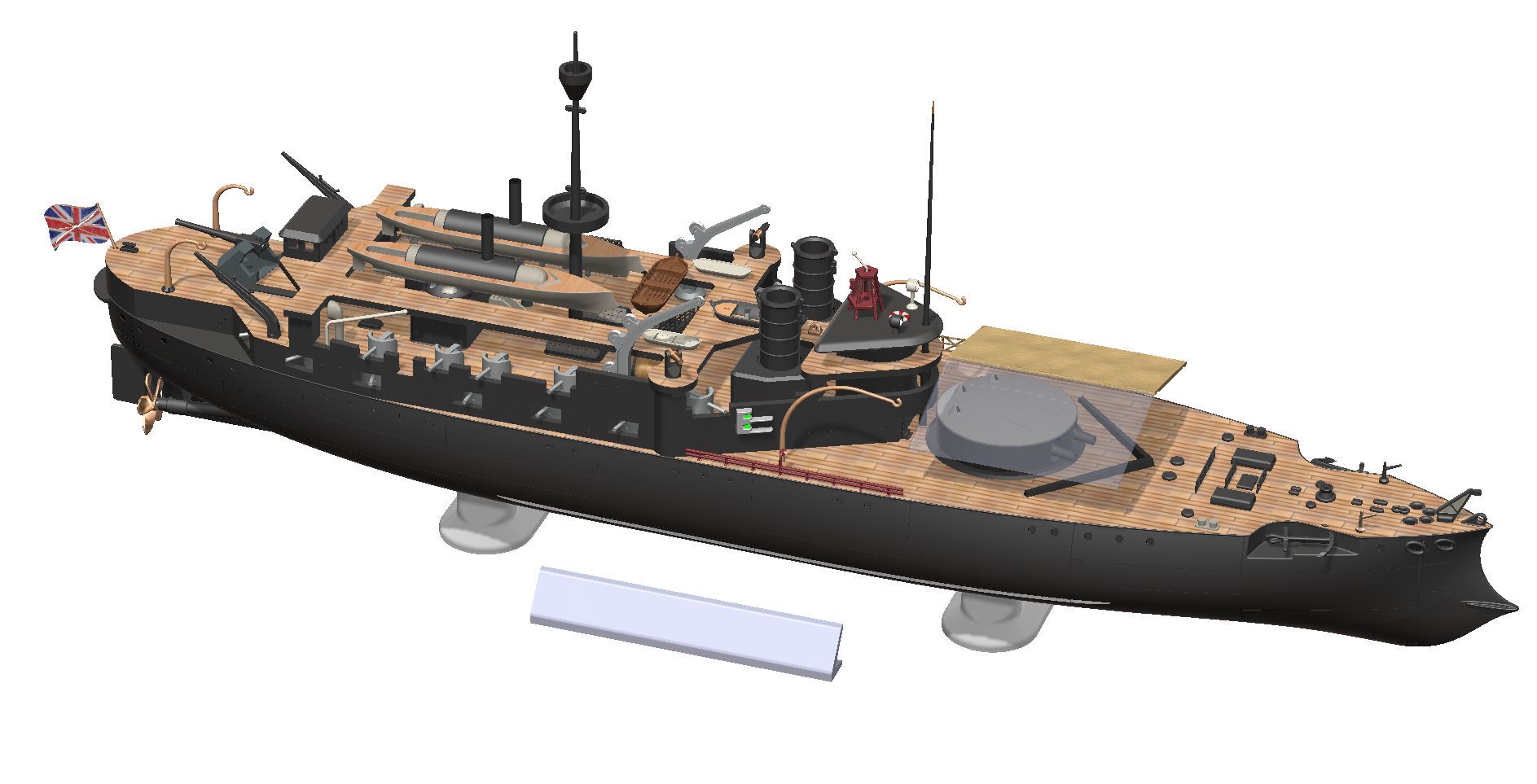
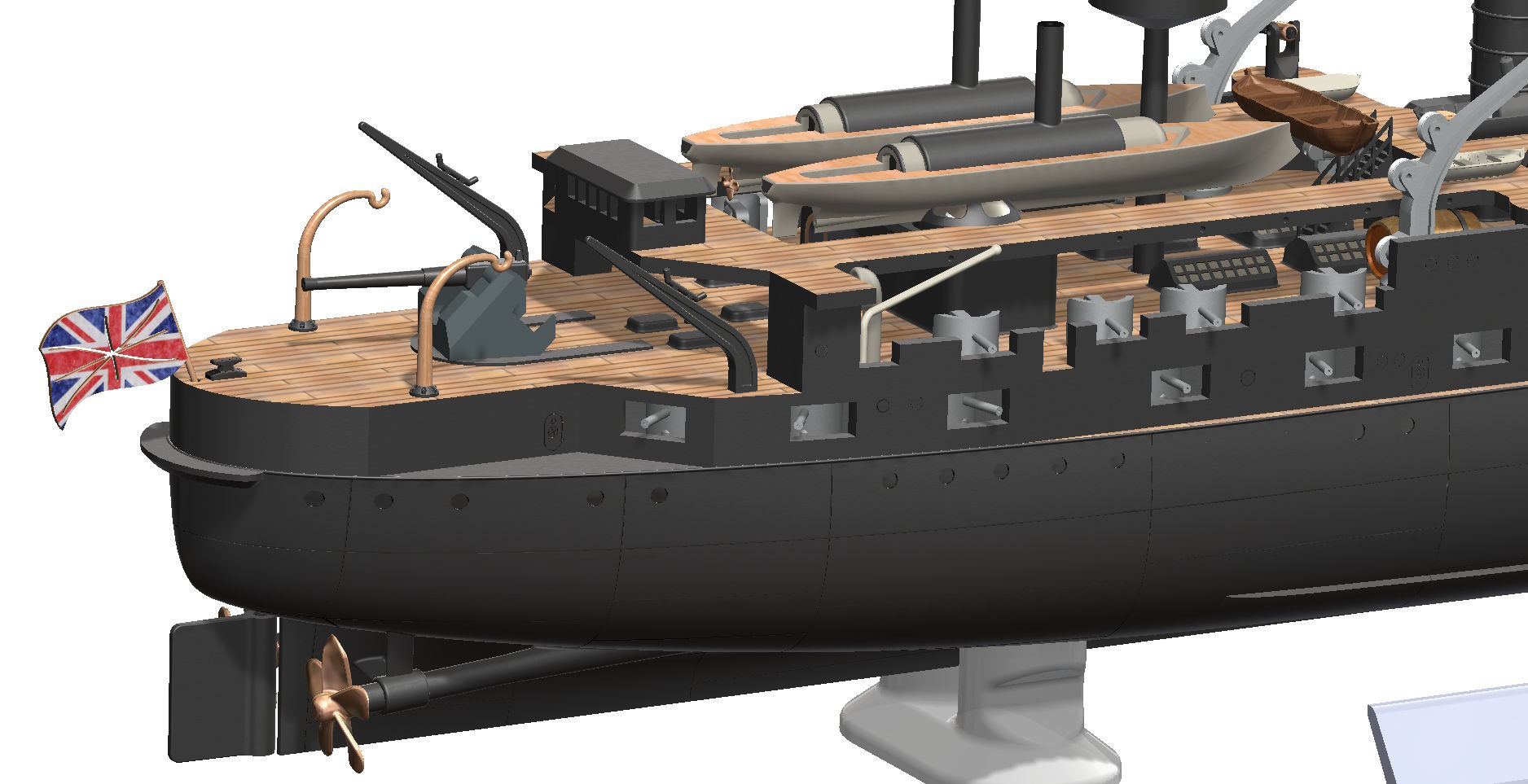
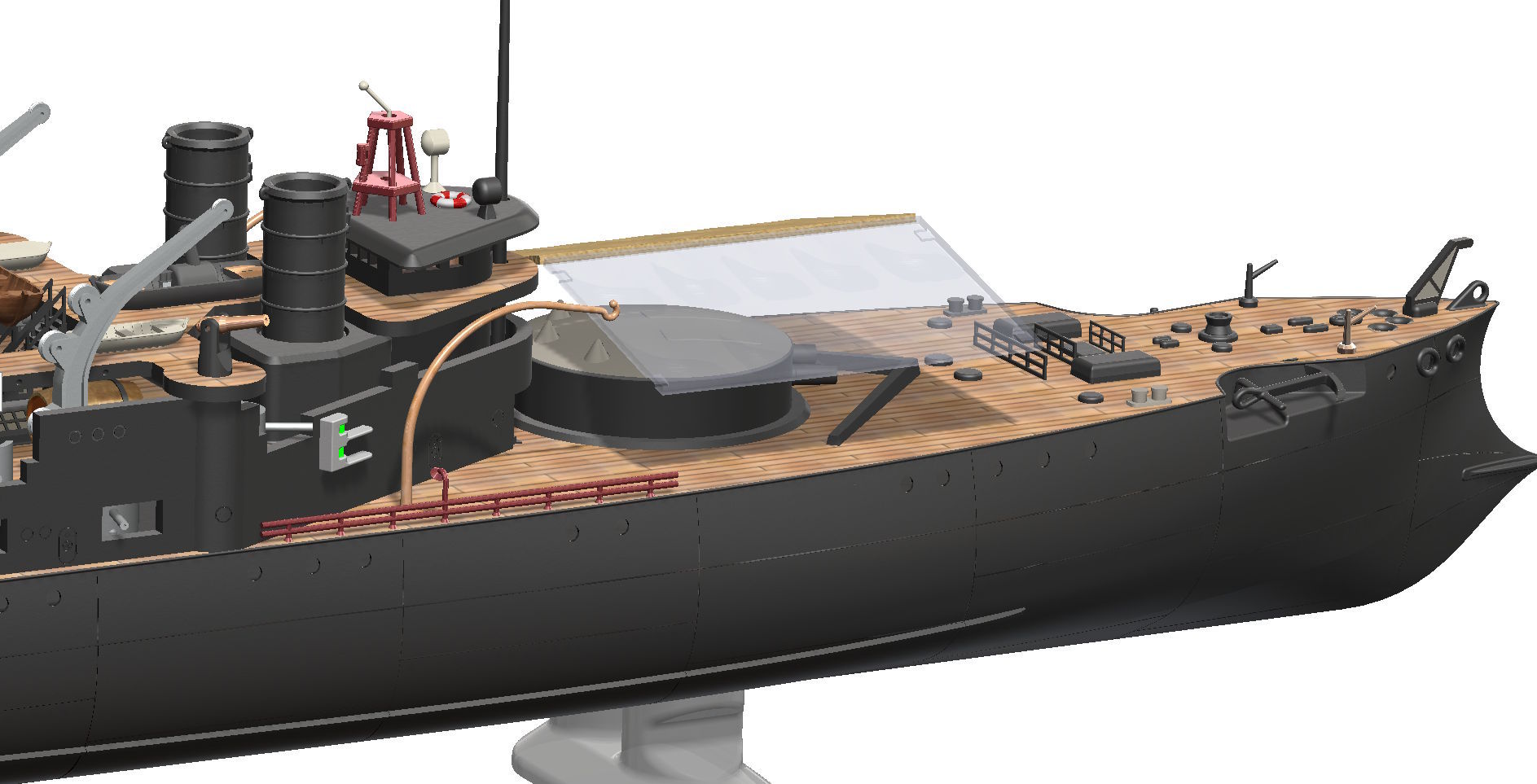
The HMS Victoria / HMS Thunder Child project represents a fusion of naval history and speculative fiction through precision digital modeling. Conceived as a dual-configuration 1-meter-long 3D printable model, it allows builders to recreate both the historic HMS Victoria—the late 19th-century British battleship—and the legendary HMS Thunder Child, the fictional ironclad from H.G. Wells’ The War of the Worlds. This project pays homage not only to Victorian-era naval engineering but also to the era’s imaginative leap into science fiction, capturing the transition from historical artifact to speculative reinterpretation within a single, adaptable model design.
Continue reading for more info, renderings and a free STL file for a desktop model.
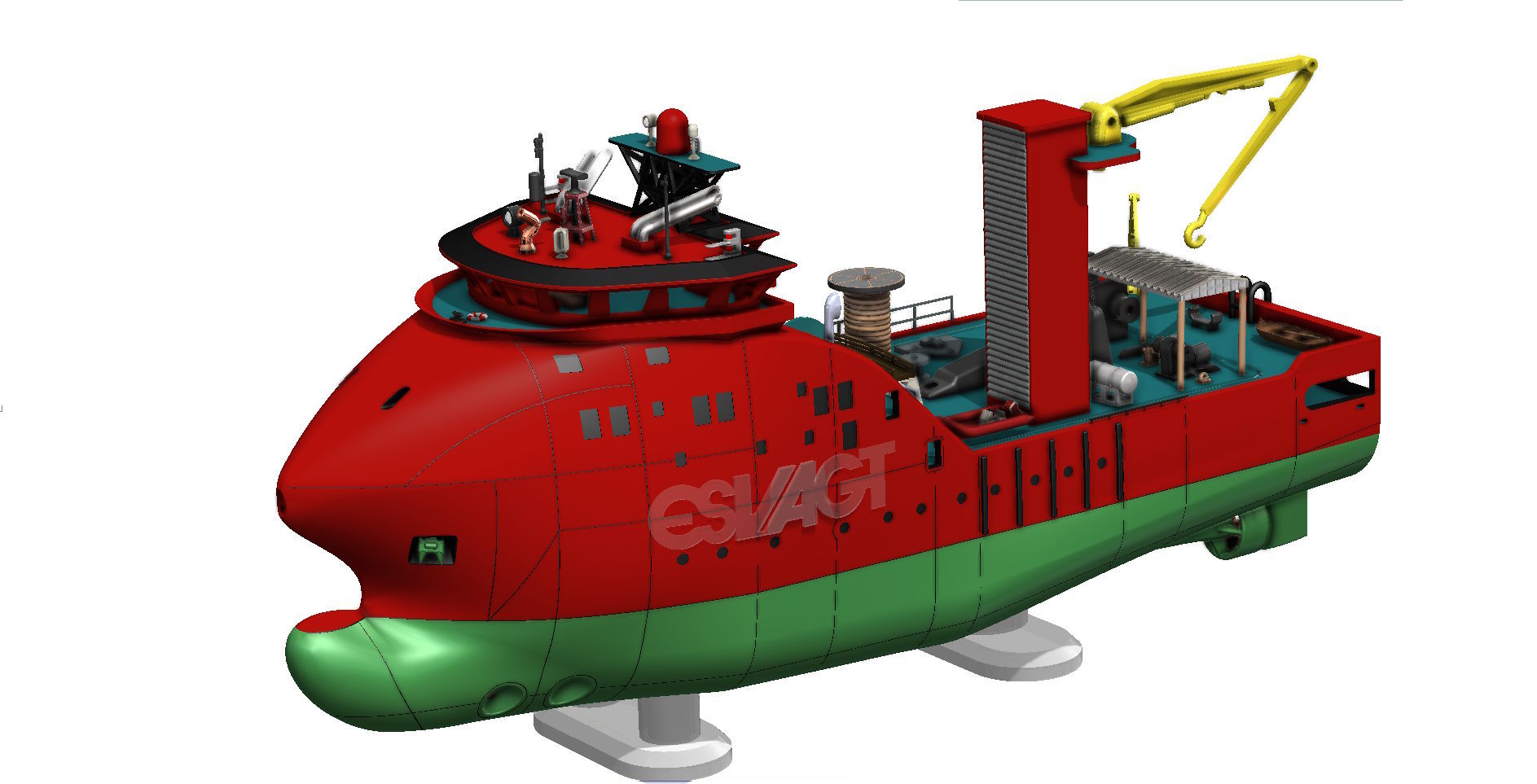
A Tribute to Modern Offshore Engineering, Nof Fully RC-READY
In the modern maritime world, offshore service vessels (OSVs) play an indispensable role in maintaining the flow of global energy infrastructure. Whether it is supporting oil and gas platforms, transporting equipment and personnel to offshore wind farms, or conducting subsea maintenance and inspection tasks, these ships operate at the very frontier between human ingenuity and the raw power of the ocean. Their design embodies a delicate balance of stability, power, and precision—each line of the hull, every deck structure, and all onboard systems engineered for reliability under demanding conditions.
The model has been updated to be fully RC‑ready. The new file set includes DC‑motor and servo mounting plates and a larger‑diameter propeller‑shaft tube that accepts an 8 mm shaft, giving you immediate, reliable RC operation.
3D Models of RC parts such as moungint plates, frames, reference motors are included in the file pack.
Continue reading for more info, renderings and a free STL file for 3d printing your desktop model.
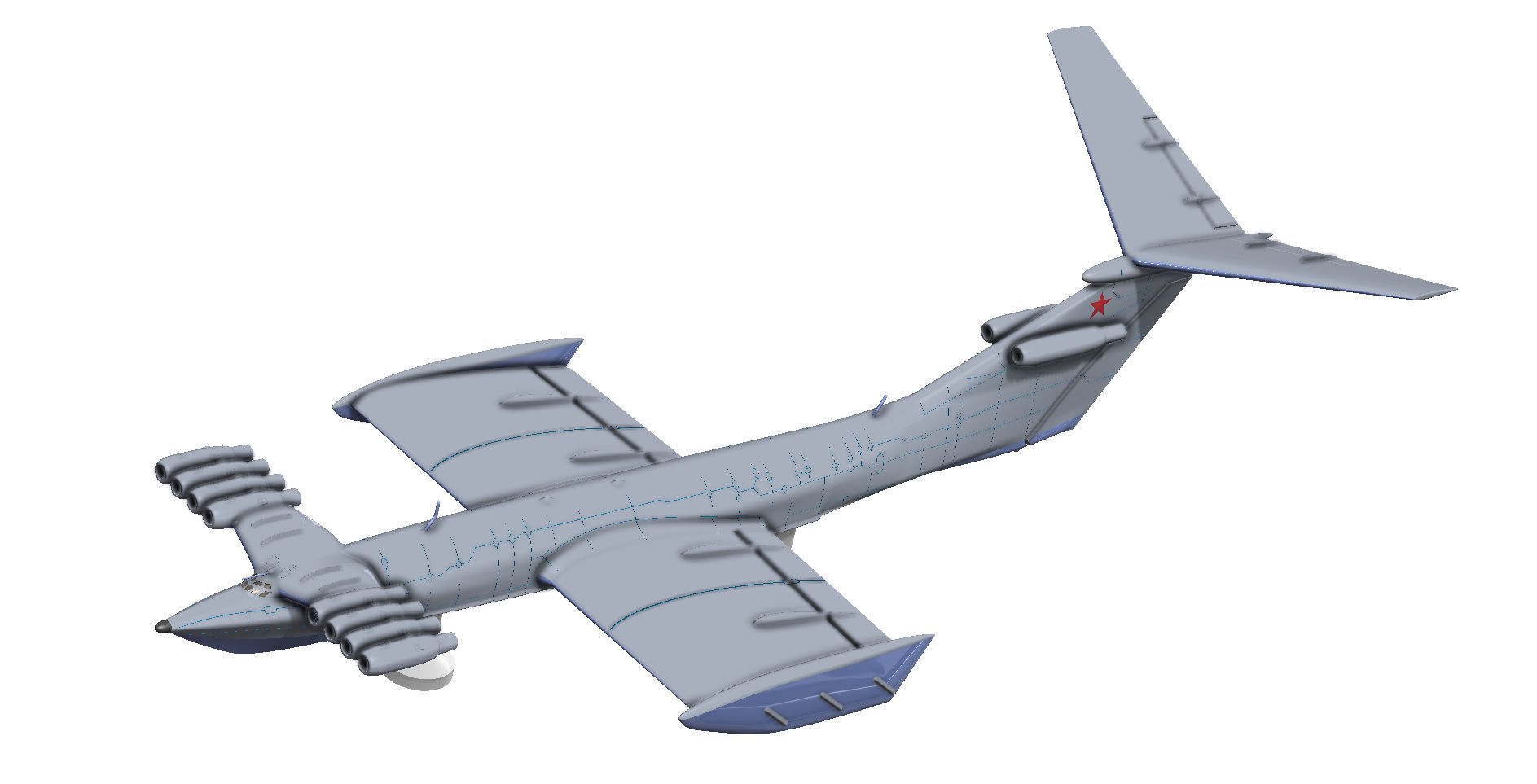
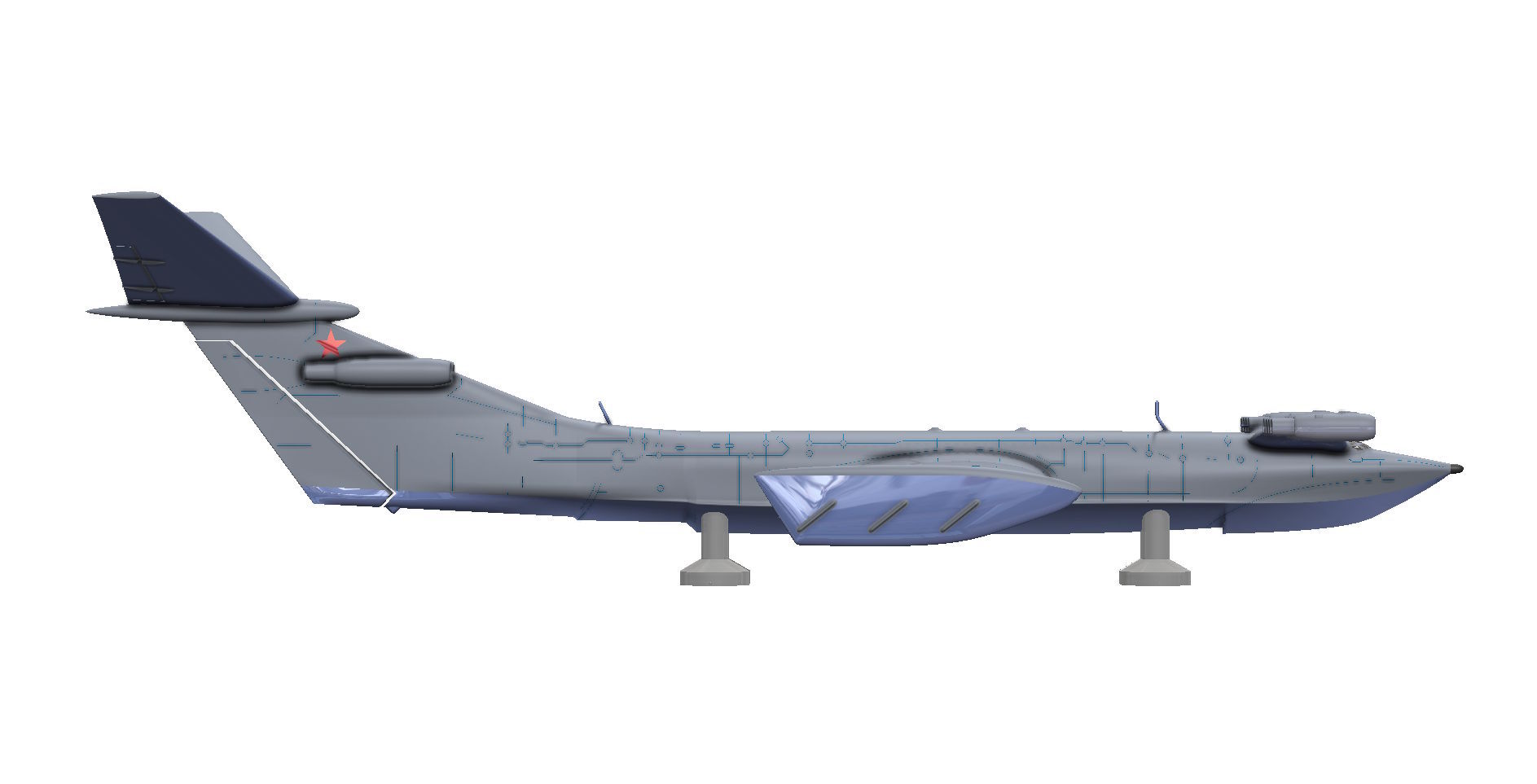
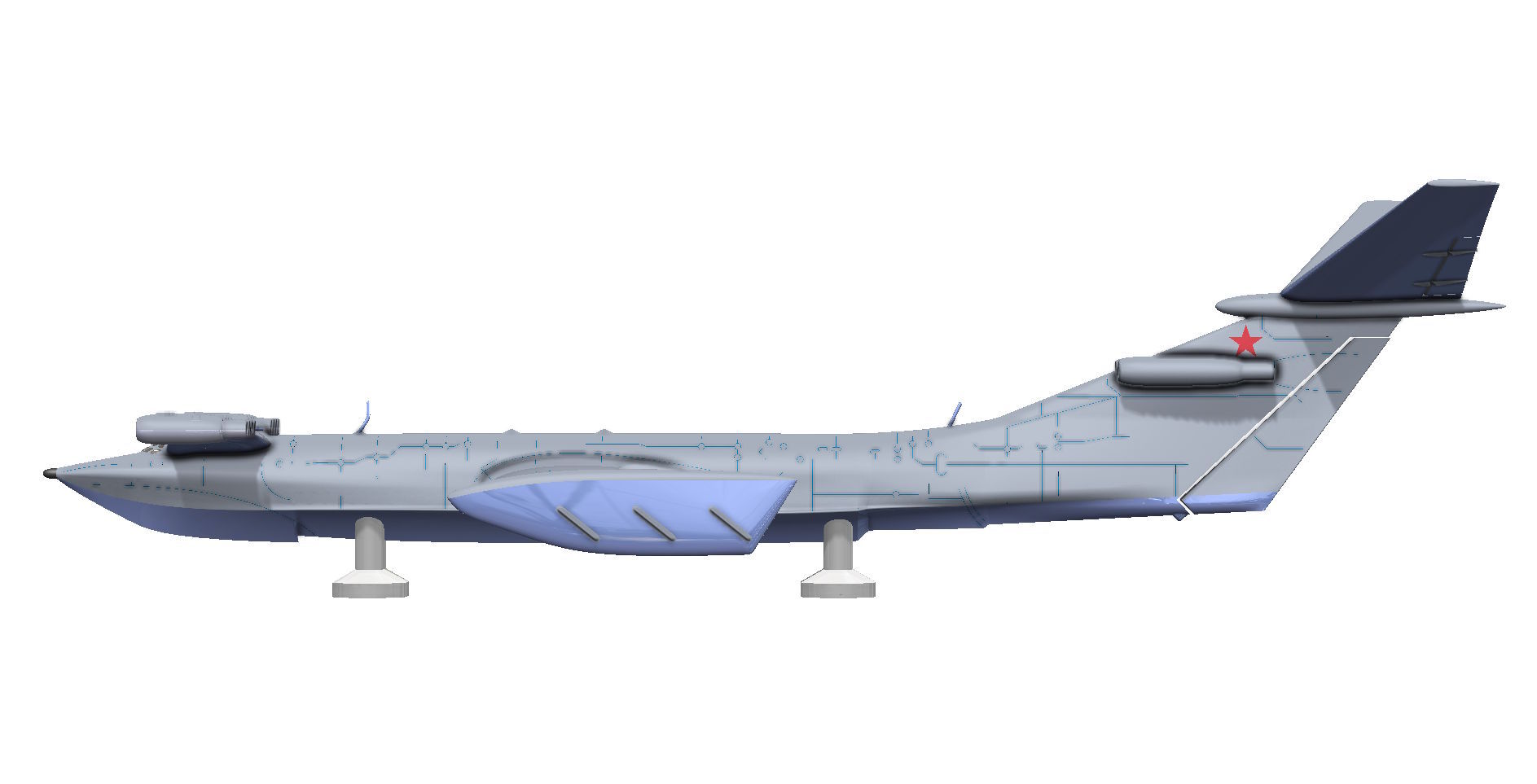
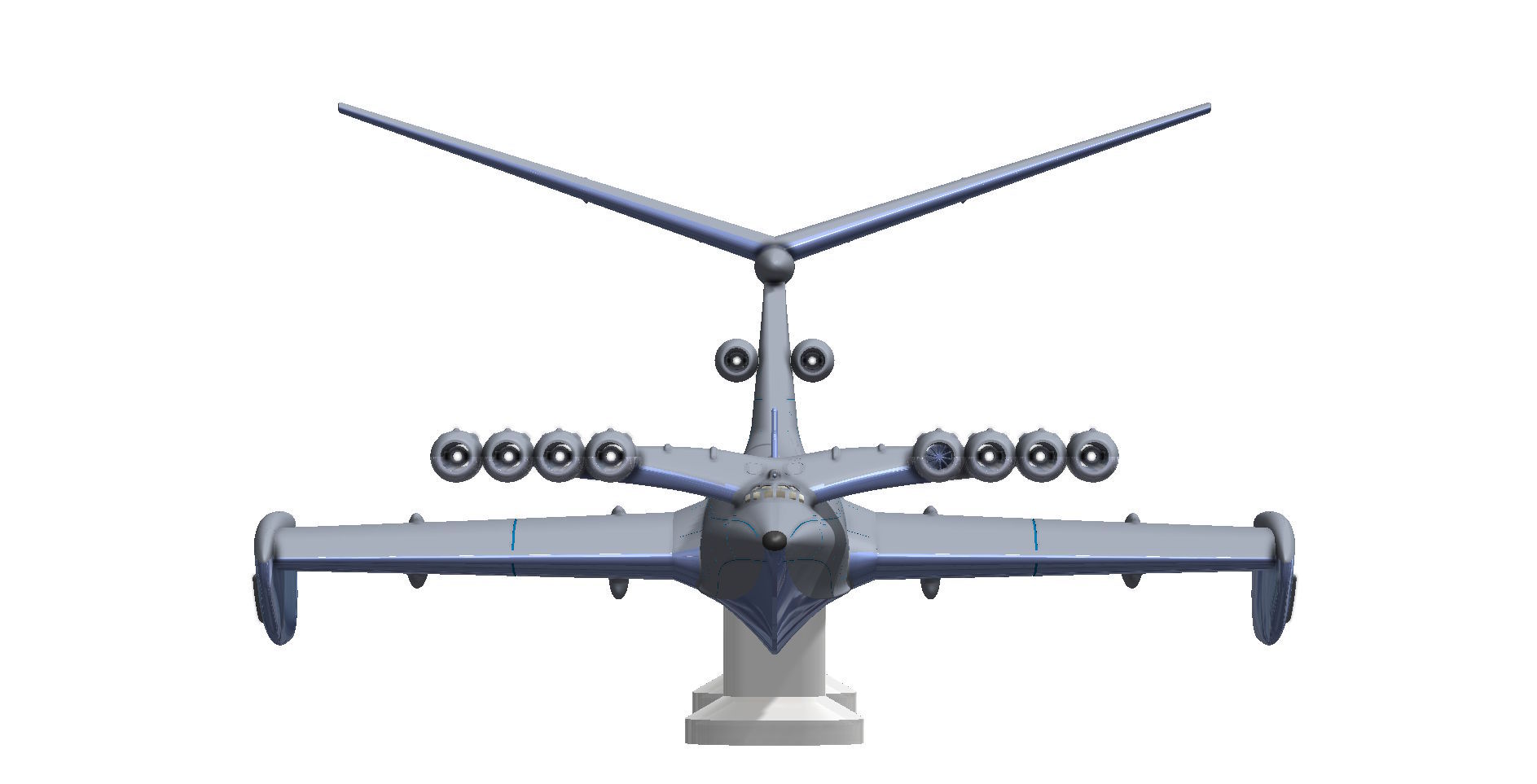
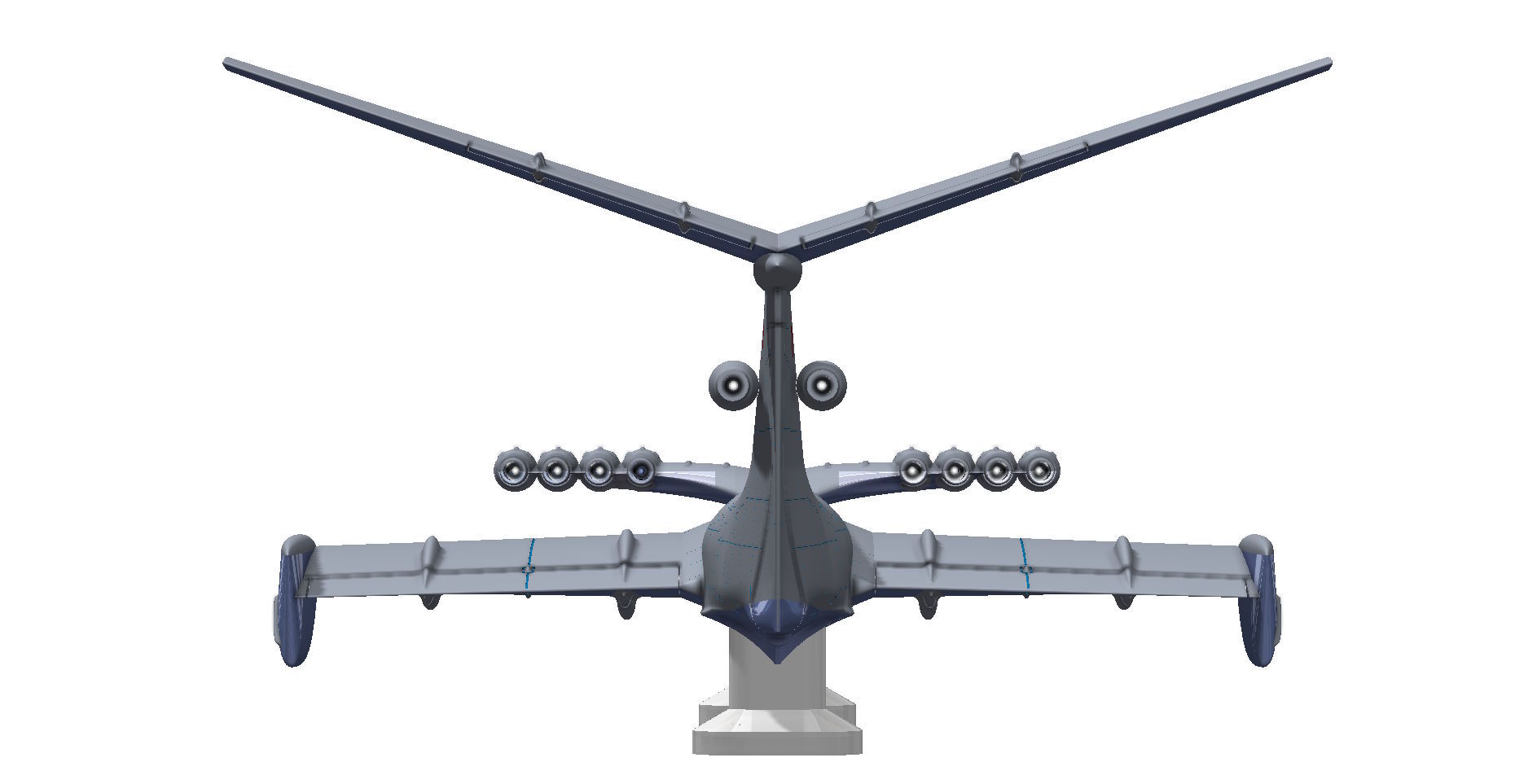
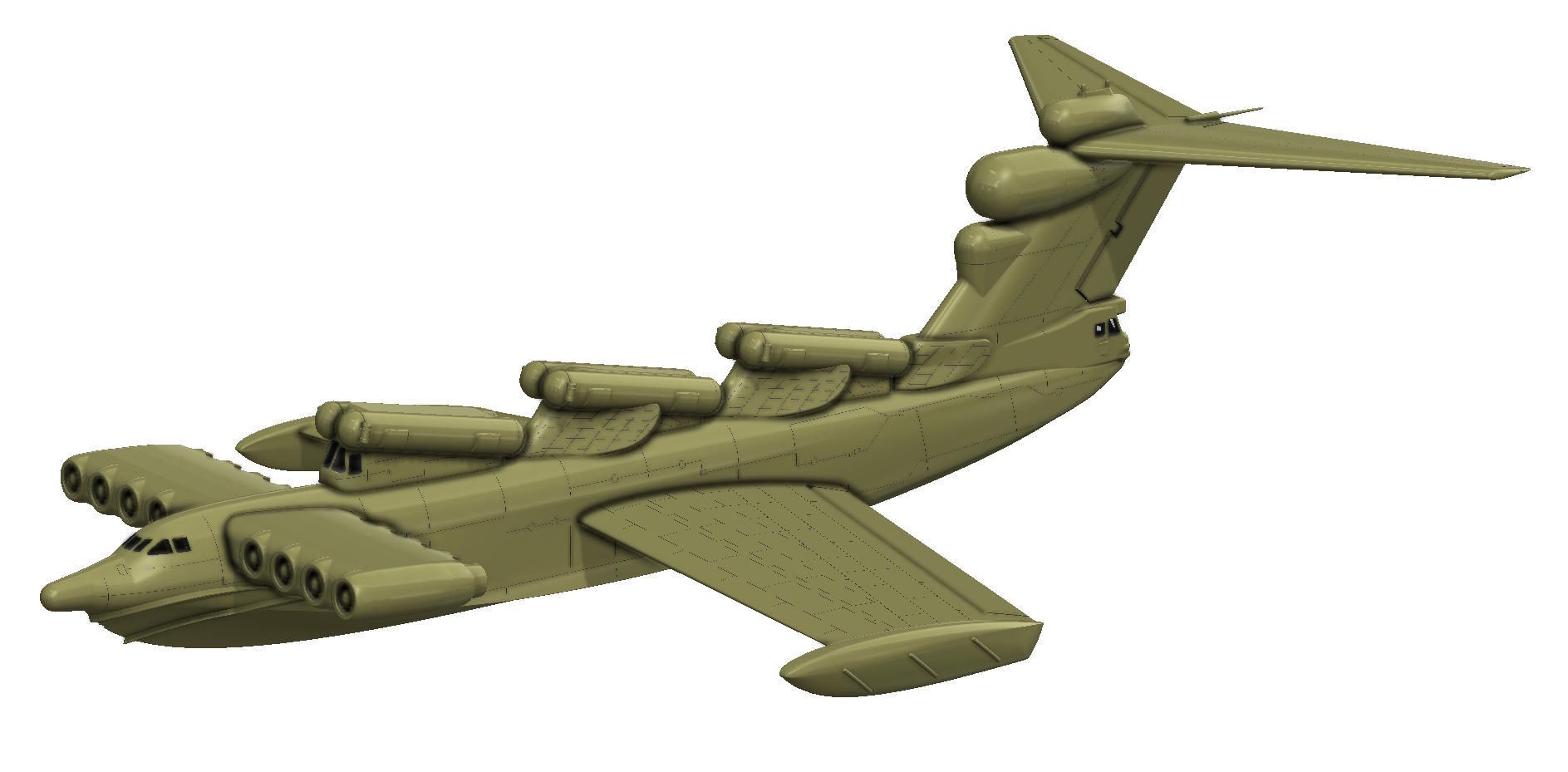
When the Soviets Made a Plane That was also a Ship
In the heat of the Cold War, when the world’s superpowers were racing to outfly, outswim, and outthink each other, the Soviet Union quietly unleashed something that defied all categories. It wasn’t quite a plane, not really a boat, and certainly not a submarine — yet it managed to borrow a bit from each. They called it the KM Ekranoplan, but NATO, baffled by satellite photos of a gigantic winged machine skimming the surface of the Caspian Sea, simply dubbed it “The Caspian Monster.” The name stuck, and deservedly so.
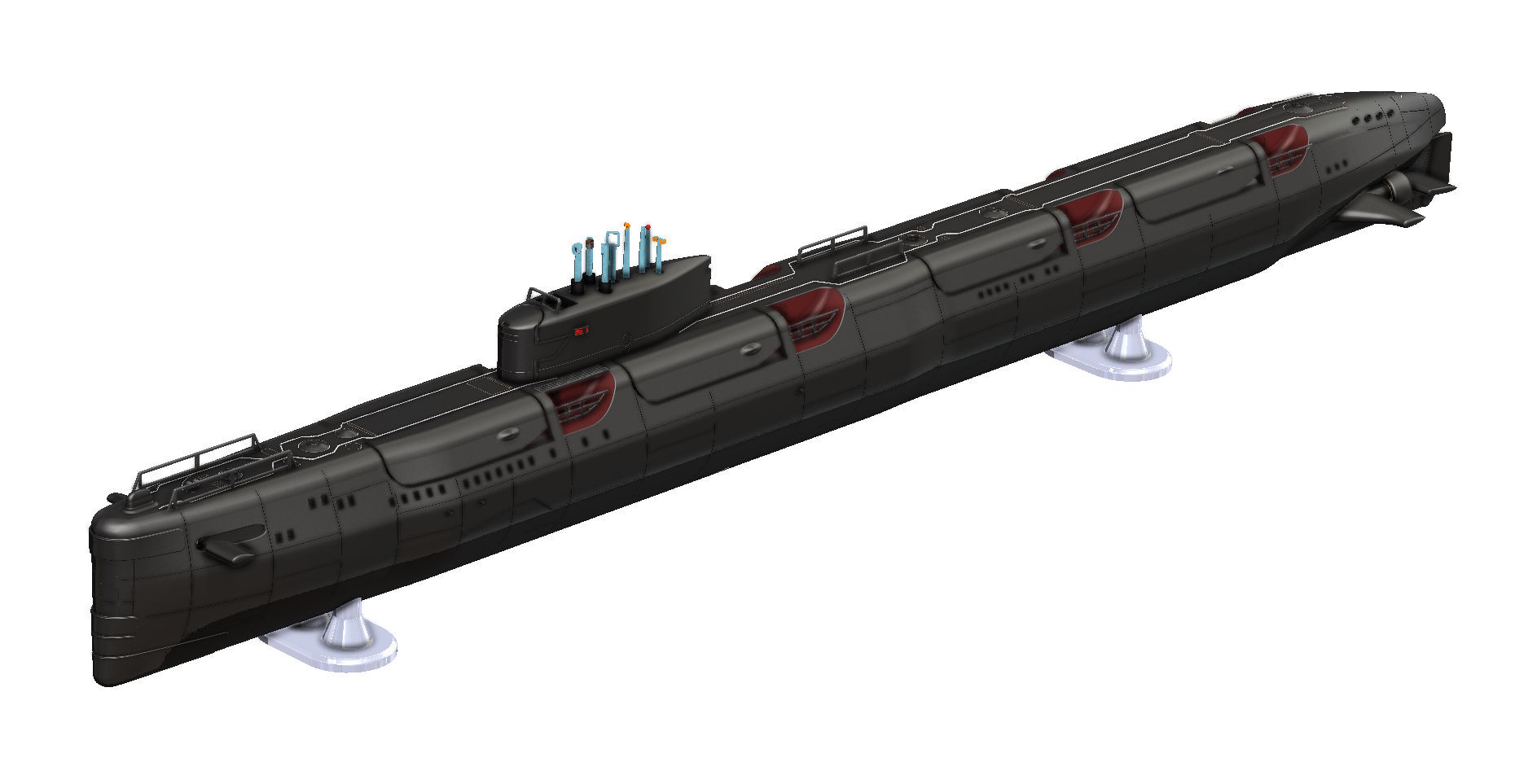
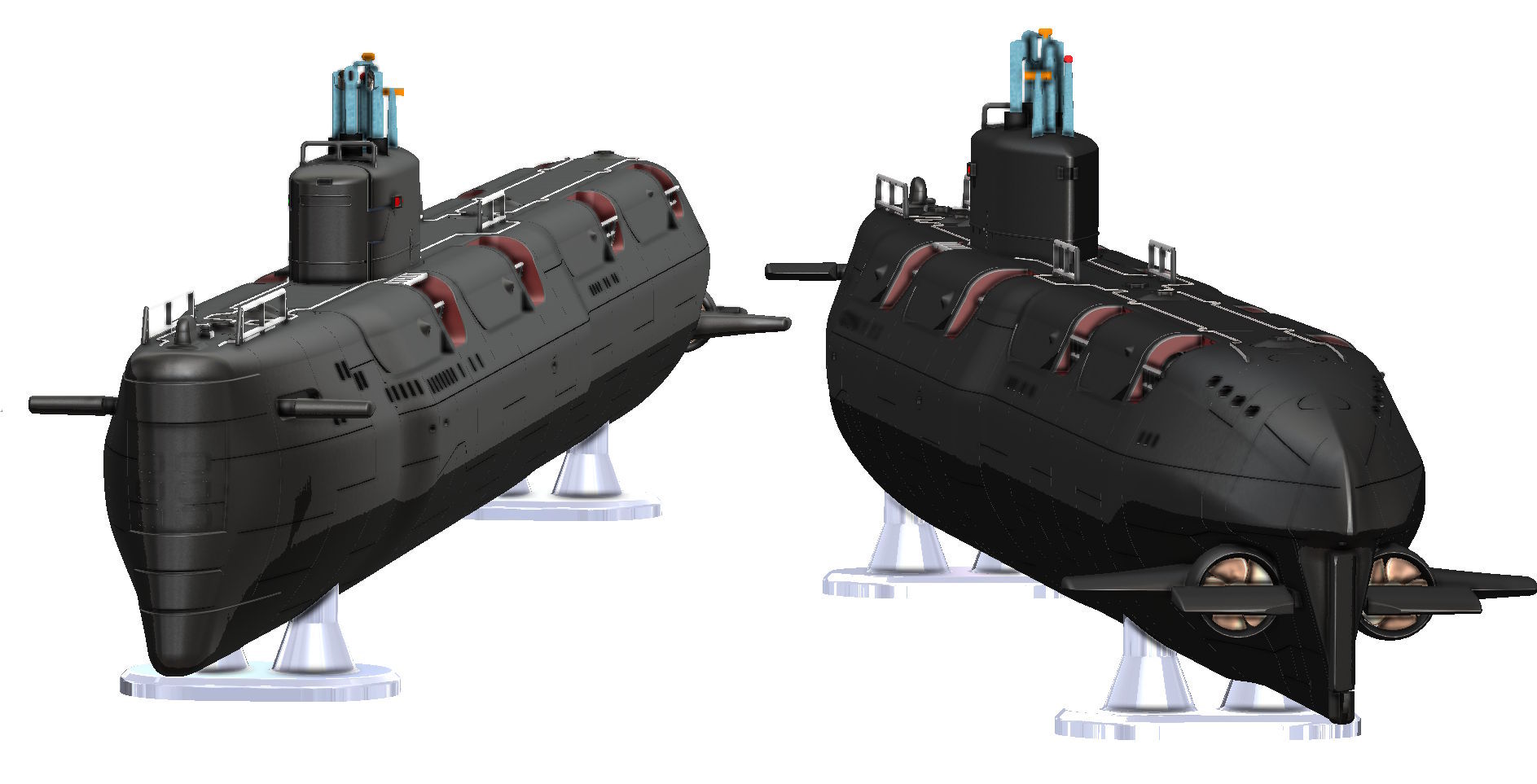
The Soviet Echo Class submarines (Project 659) were among the most distinctive nuclear-powered cruise missile submarines of the Cold War. Developed in the late 1950s and entering service in the early 1960s, the Echo Class was designed primarily to carry and launch long-range cruise missiles against carrier groups and land-based targets. These submarines featured a characteristic raised missile deck with paired silos, giving them their unmistakable silhouette. Armed with up to eight missiles and supported by torpedoes, the Echo Class represented a significant leap in Soviet naval strategy, reflecting the shift toward nuclear propulsion and underwater missile platforms as a counterbalance to Western naval superiority. Though eventually superseded by more advanced classes, the Echo Class played an important role in shaping submarine development and nuclear deterrence during the Cold War.
The 1.4 Meter Multi-Piece 3D Printable Echo Class Model
For enthusiasts, modelers, and Cold War historians alike, I’ve created a 1.4-meter-long, highly detailed 3D printable model of the Echo Class submarine(<<<—Click this link to get the model). This model is carefully divided into more than 50 parts, designed to fit on standard 3D printers with a 22 × 22 × 25 cm build volume. The hull is hollow, giving makers the freedom to customize it for RC projects, lighting installations, or static display builds. Functional features include articulated missile hatches, dive planes, rudder, periscopes, and radar domes, all modeled with precision for both visual appeal and interactive play. To ensure strong assembly, the junction points are fitted with screw-together connections, making it possible to achieve both sturdiness and easy handling during the build.
The Soviet Sea During the final decade of the Cold War, the Soviet Union unveiled one of the strangest and most ambitious machines ever to touch water: the Lun-class ekranoplan. Neither ship nor aircraft, it belonged to an unusual category known as ground-effect vehicles, designed to skim just a few meters above the surface of the sea.