Small Vessel with a Critical Job
Pilot boats are among the most specialized vessels operating in and around commercial ports. Their primary task is to transport maritime pilots between shore and large vessels arriving at or departing from a port. The pilot boards a tanker, container ship, bulk carrier, cruise ship, or other large vessel and provides local navigational expertise, helping the ship safely negotiate approaches, channels, traffic, currents, and other local hazards. Although the pilot boat itself may be relatively small compared with the vessels it services, its operation is an essential part of the maritime transportation system. Pilot boats must be ready to make these transfers repeatedly, often around the clock and in weather conditions that would keep ordinary small craft in harbor.
Continue reading for more information, or
directly visit our Cults3D page to preview and purchase our model. <<<—– Click
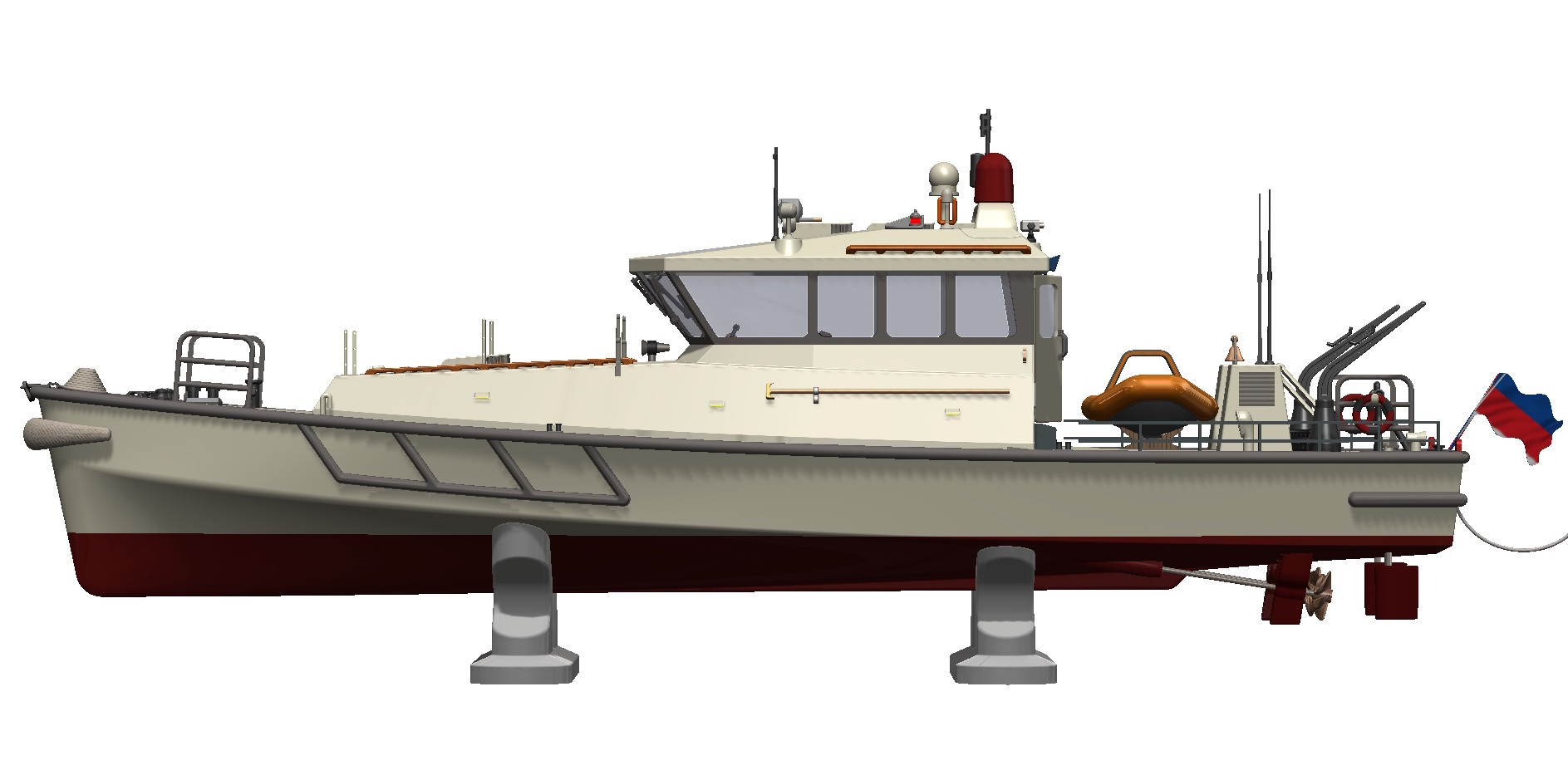
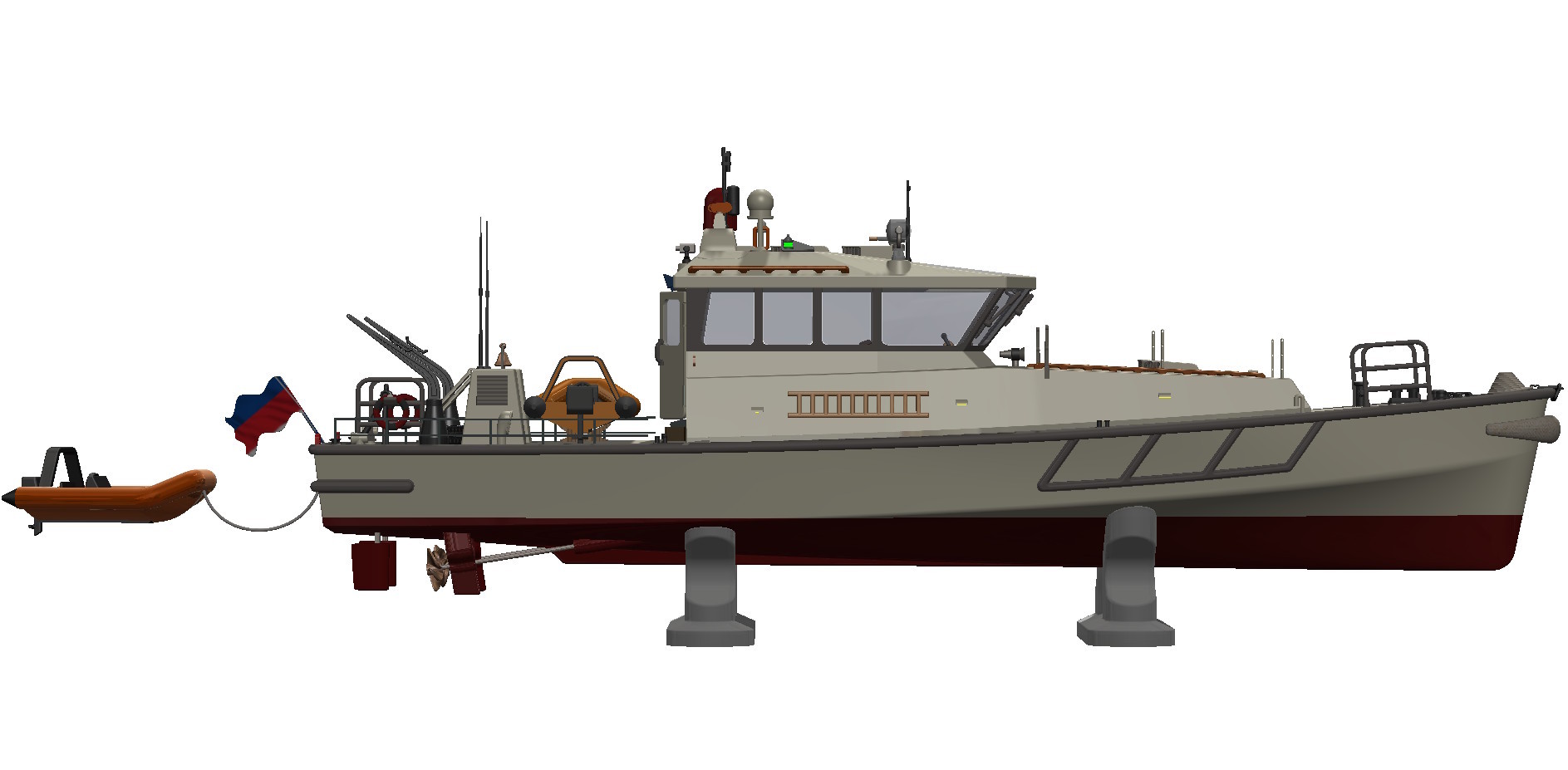
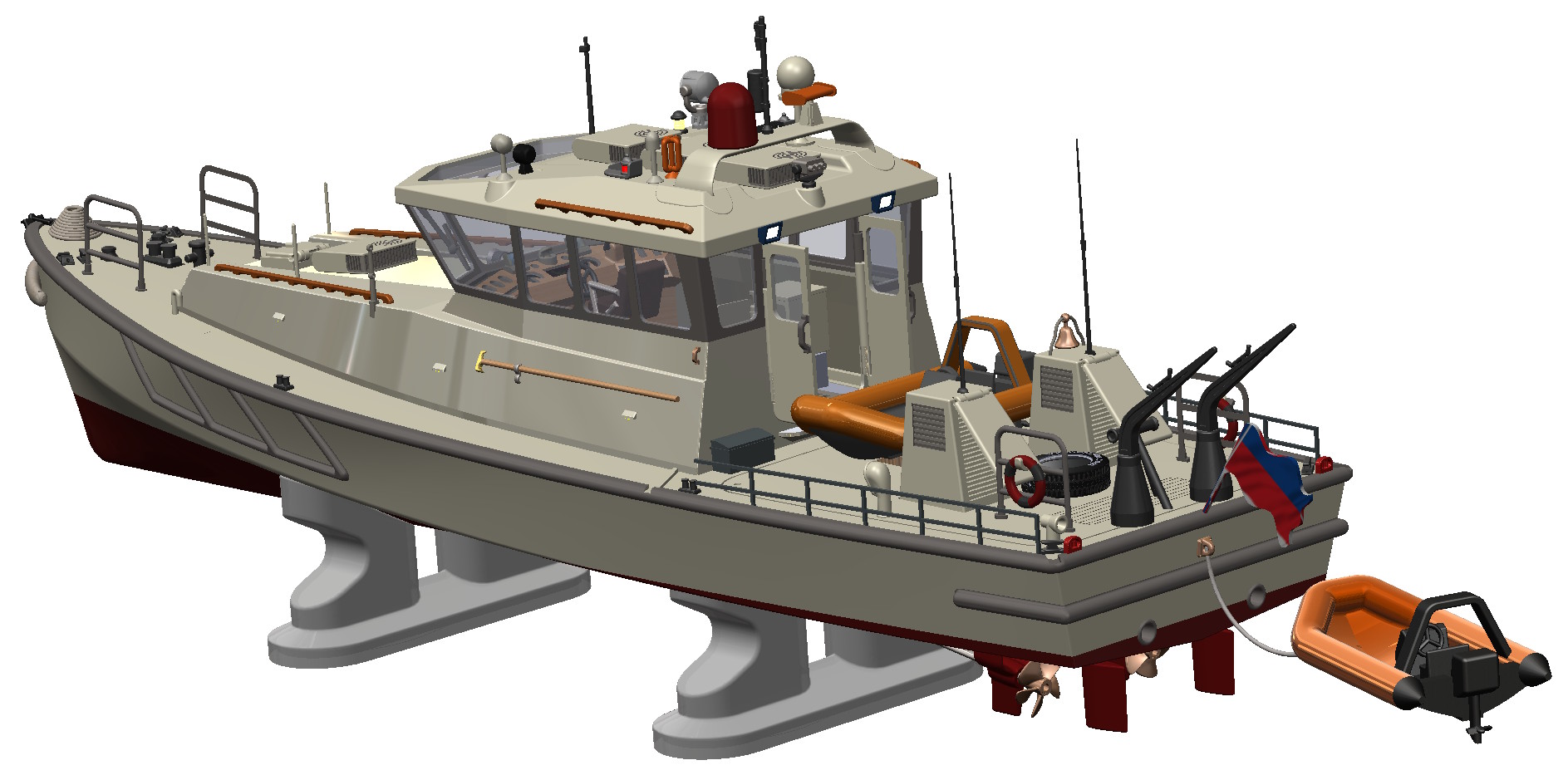
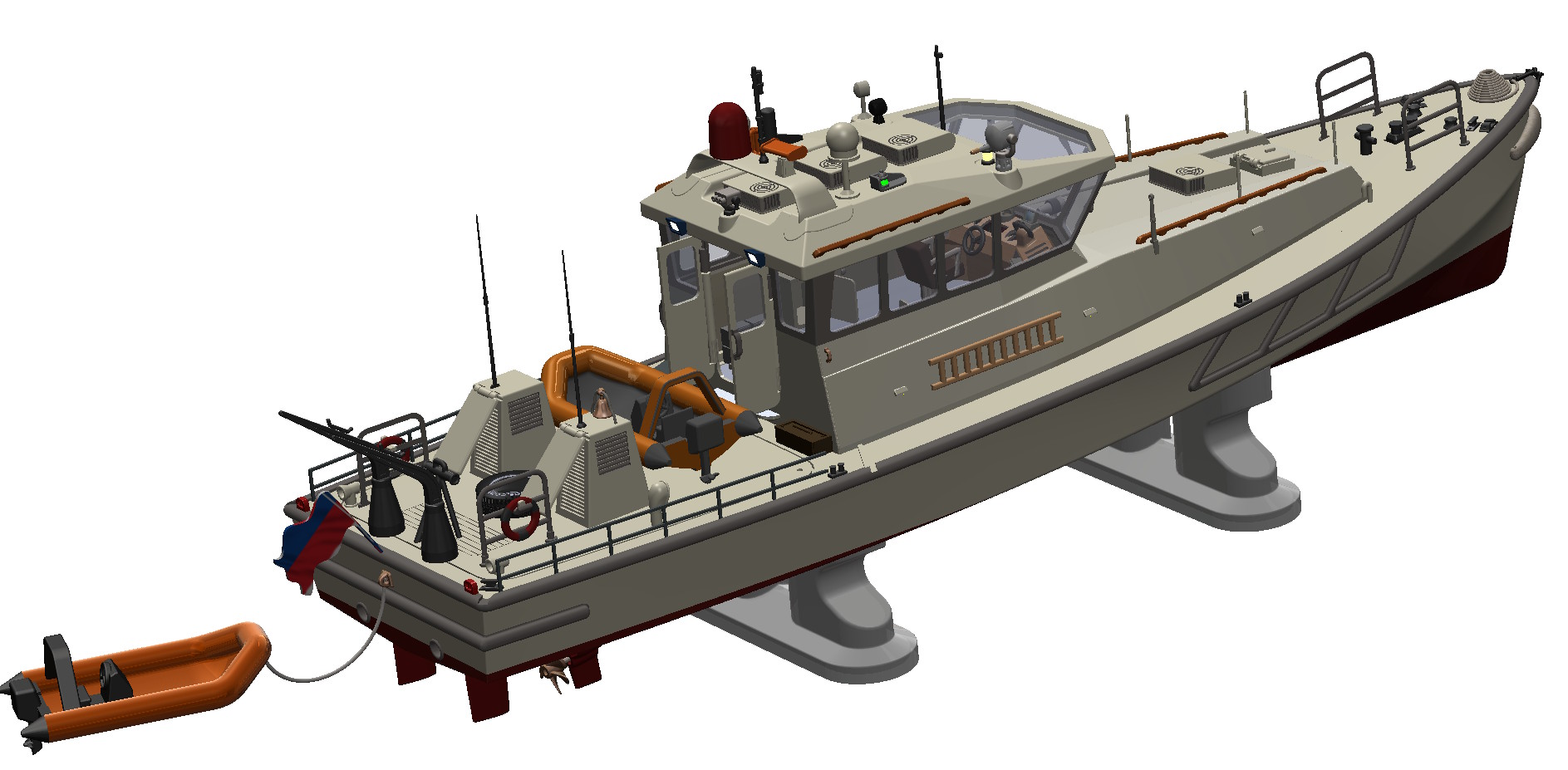
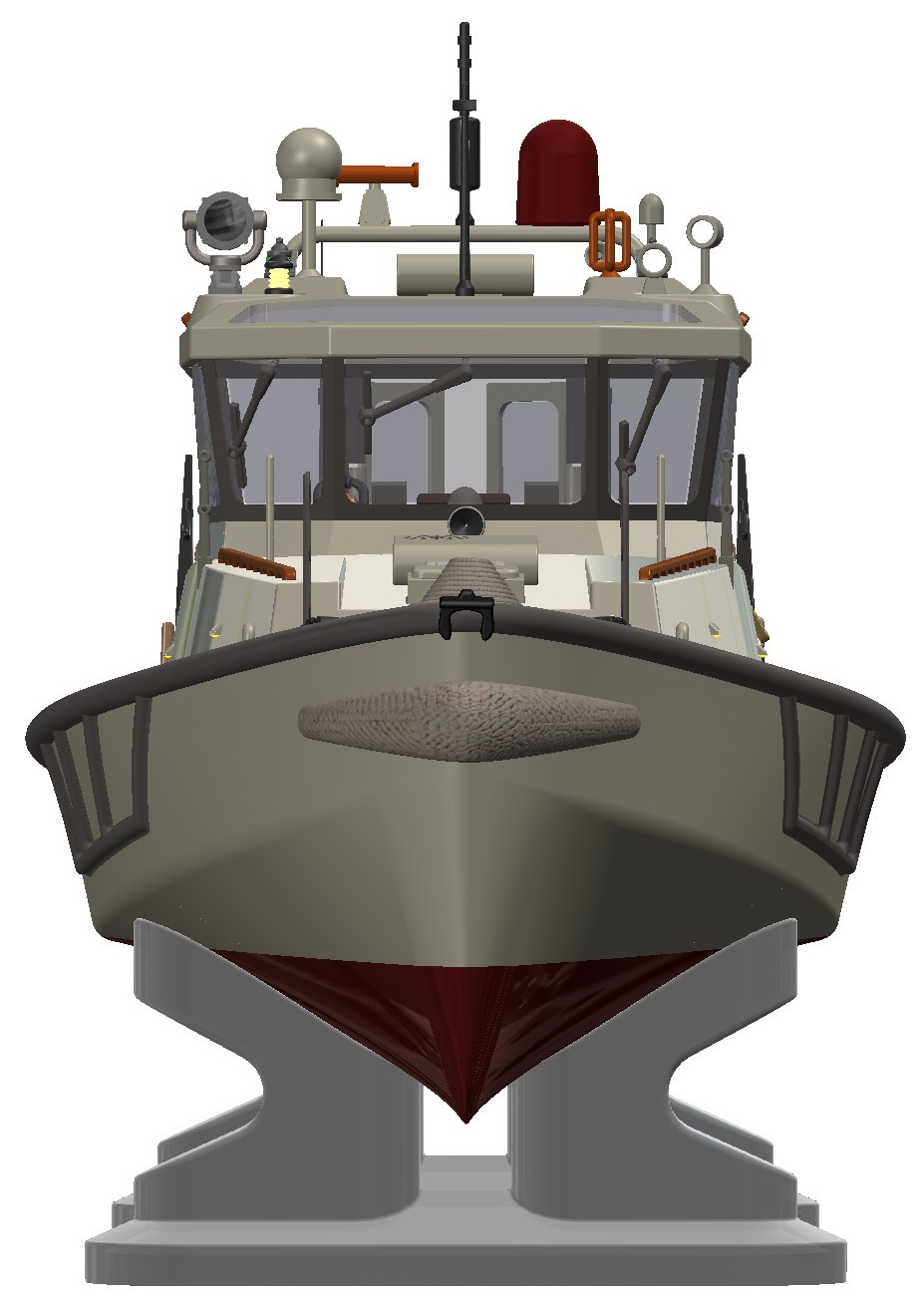
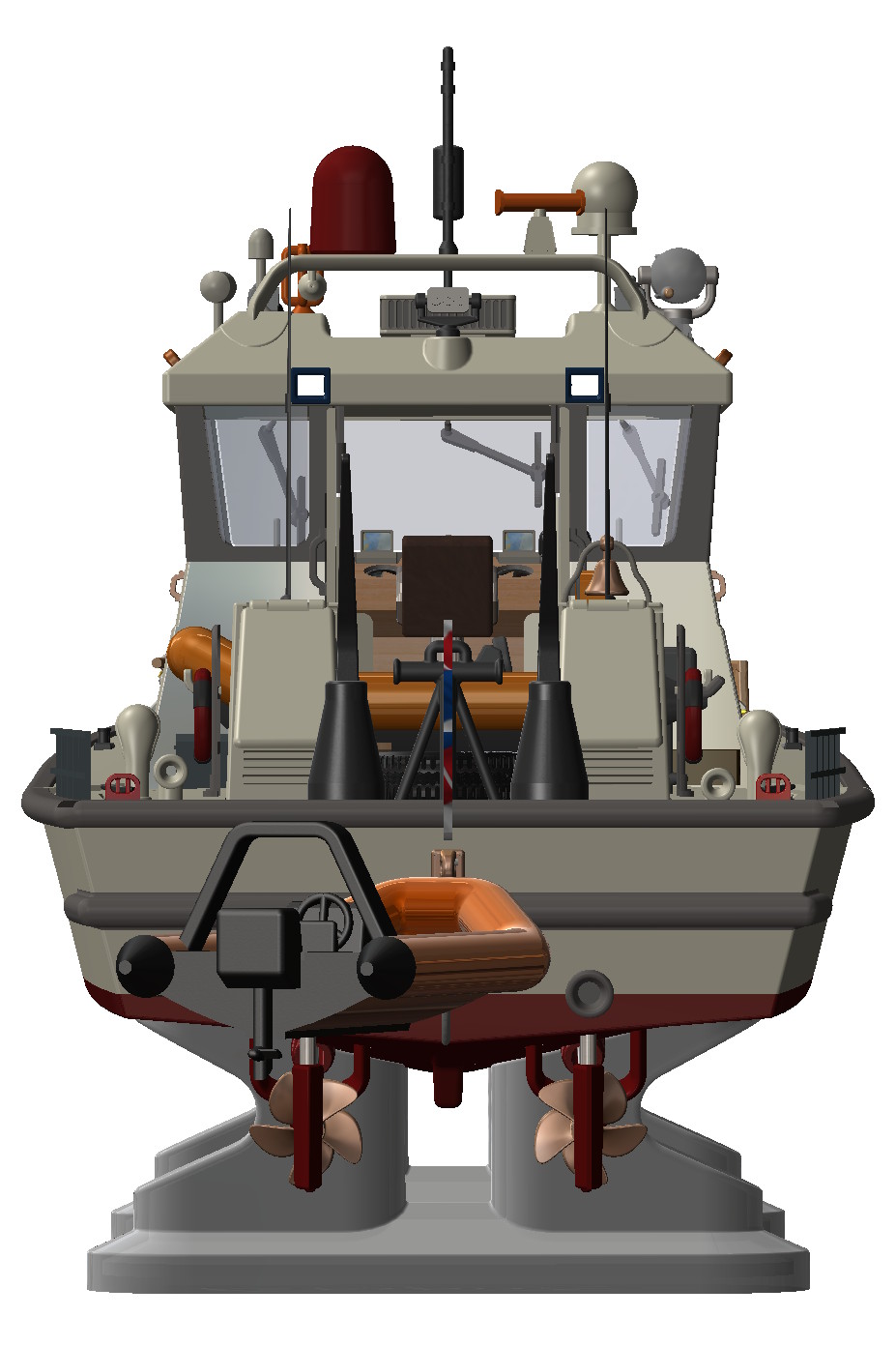
This demanding role has produced a distinctive category of high-speed workboats. Modern pilot boats typically combine high power, excellent maneuverability, good visibility, substantial freeboard, and hulls designed to maintain predictable behavior in rough water. Their construction also has to withstand the physical demands of coming alongside much larger ships during pilot transfers. The boarding area is particularly important: the boat may have to maintain position alongside a moving vessel while the pilot crosses between the two, sometimes in considerable swell. Designers therefore pay close attention to impact resistance, fendering, stability, working-deck arrangement, handrails, and visibility from the wheelhouse.
The evolution of these vessels has also followed developments in high-speed marine engineering. Traditional steel pilot boats have increasingly been complemented by lightweight aluminium, fiberglass, and composite constructions, allowing designers to reduce weight while maintaining the strength required for demanding service. Contemporary examples can range from roughly 15 to more than 20 meters and can reach speeds around 30 knots. The Damen Stan Pilot range, for example, uses lightweight FRP or aluminium construction, highly optimized hull forms, large working decks, and wheelhouses providing extensive visibility. Depending on the model, propulsion can include waterjets or conventional fixed-pitch propellers.
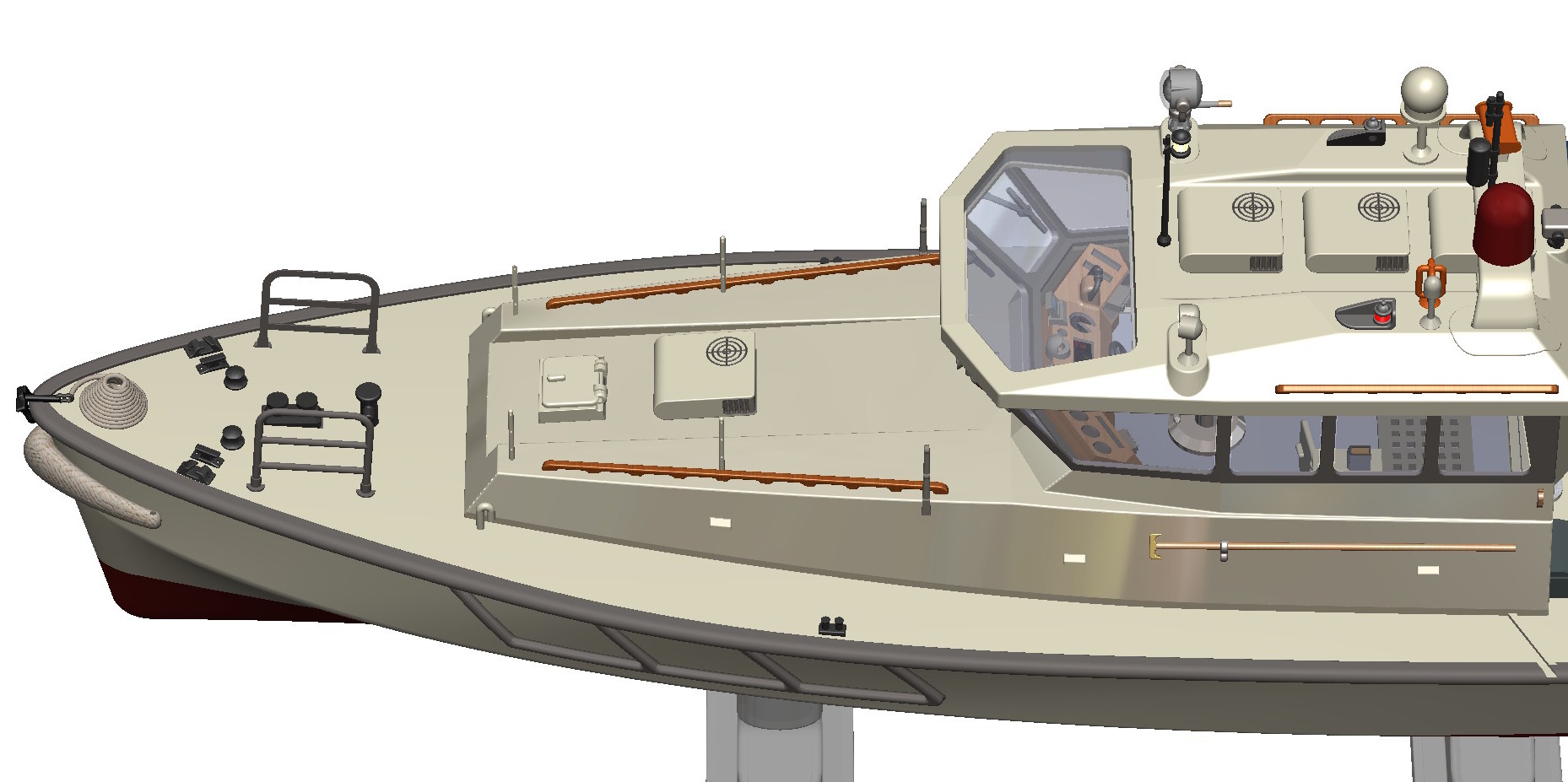
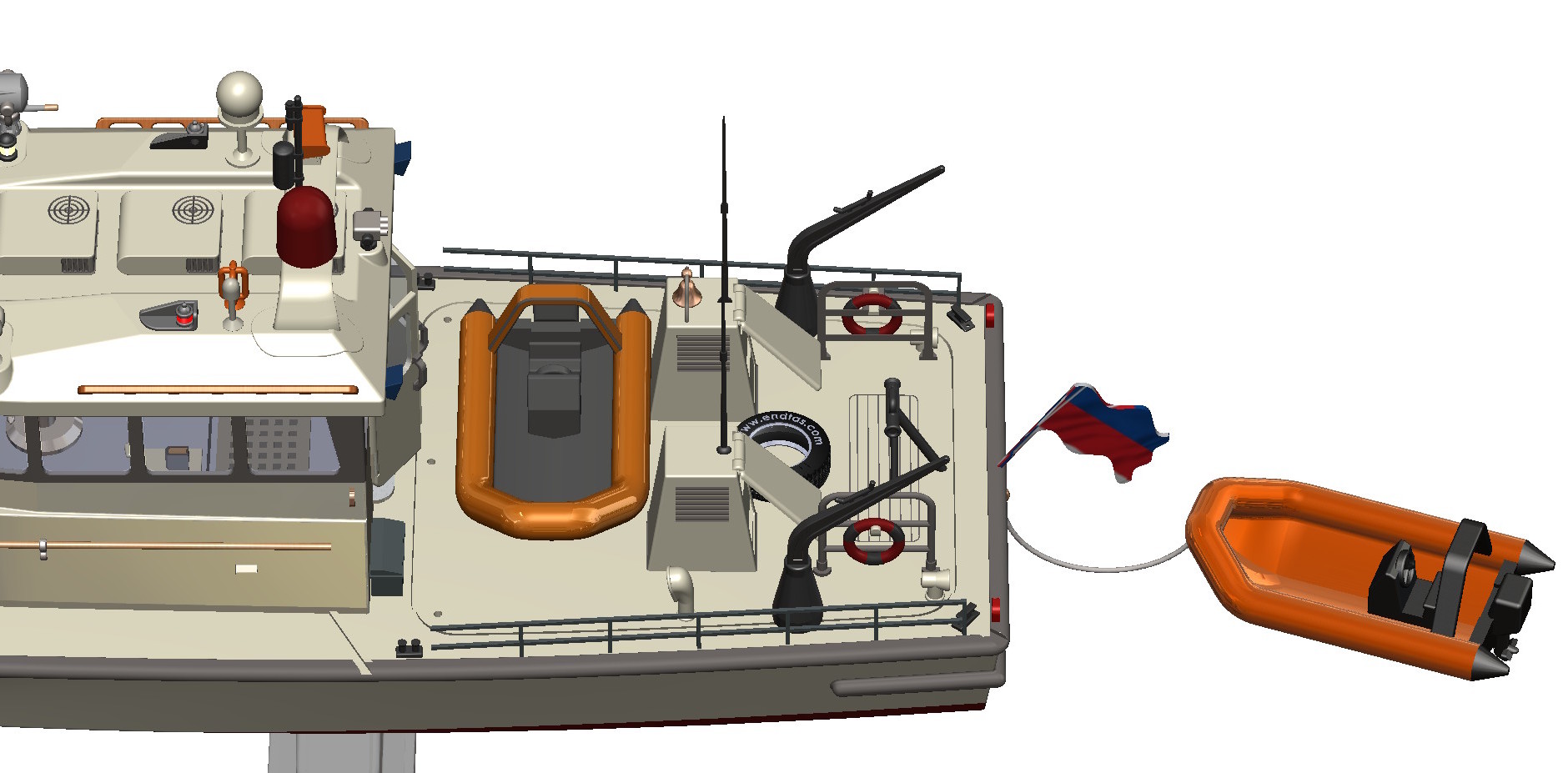
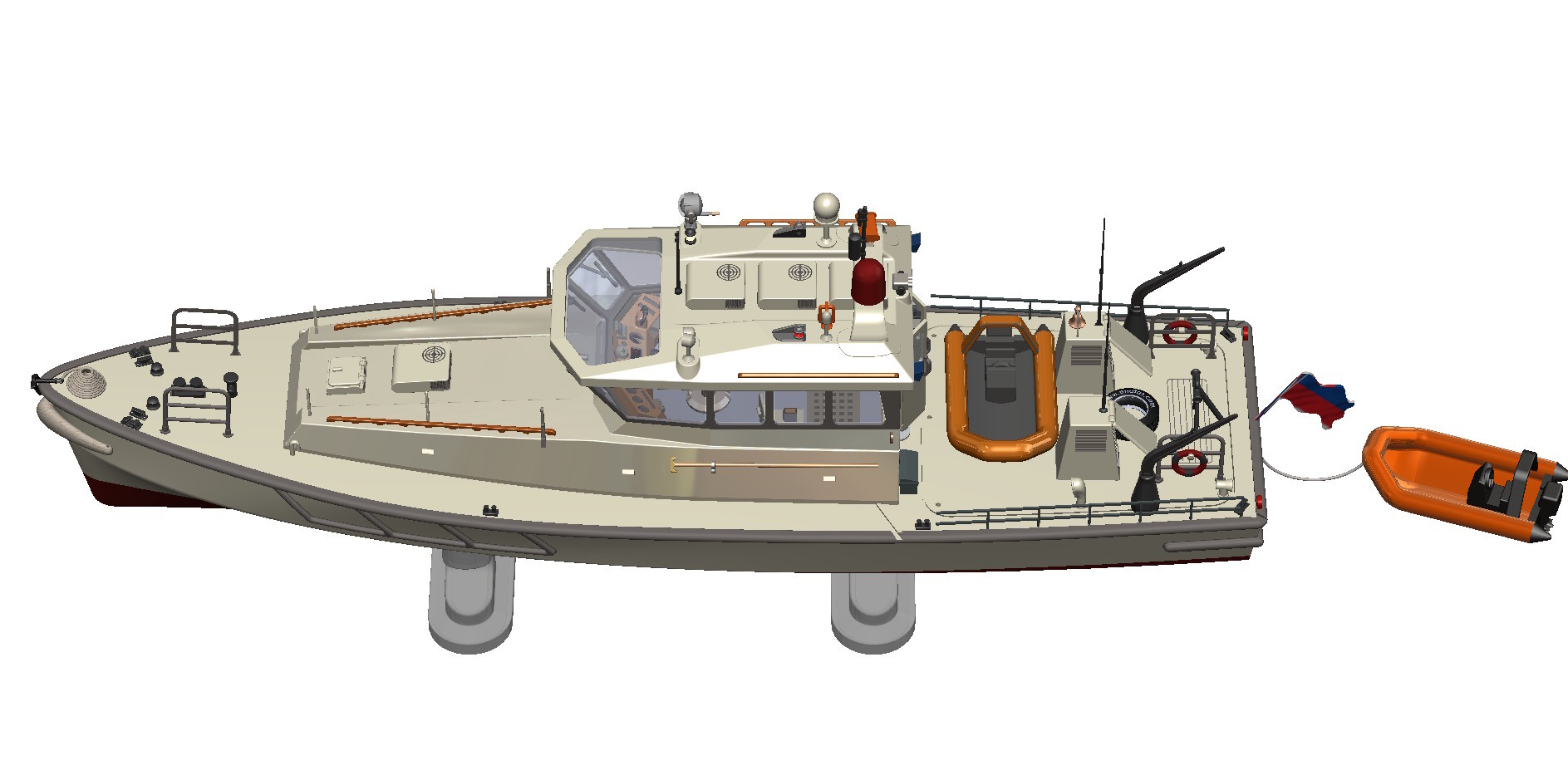
Another important characteristic is seakeeping. Speed alone is not enough for a pilot boat: the vessel needs to remain controllable and reasonably comfortable while operating at speed in coastal waters and approaching much larger ships. Modern hull forms therefore combine efficient planing or semi-planing characteristics with features intended to reduce impact and maintain course stability. Comfort has become an important part of the design as well, since pilots and crew may spend considerable time operating at high speed in demanding conditions. Modern designs consequently incorporate improved seating, reduced noise and vibration, ergonomic wheelhouses, and carefully arranged access and boarding areas.
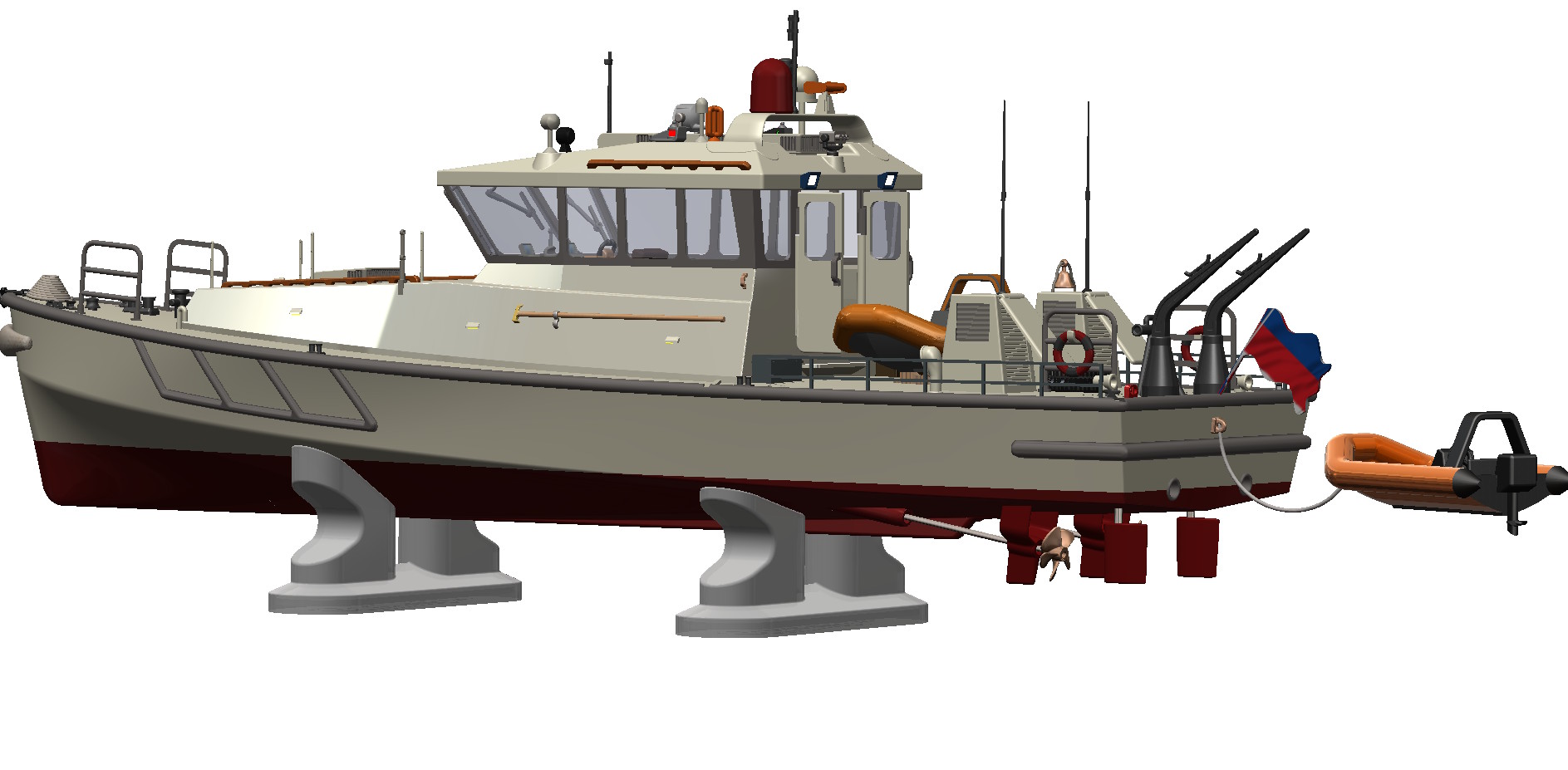
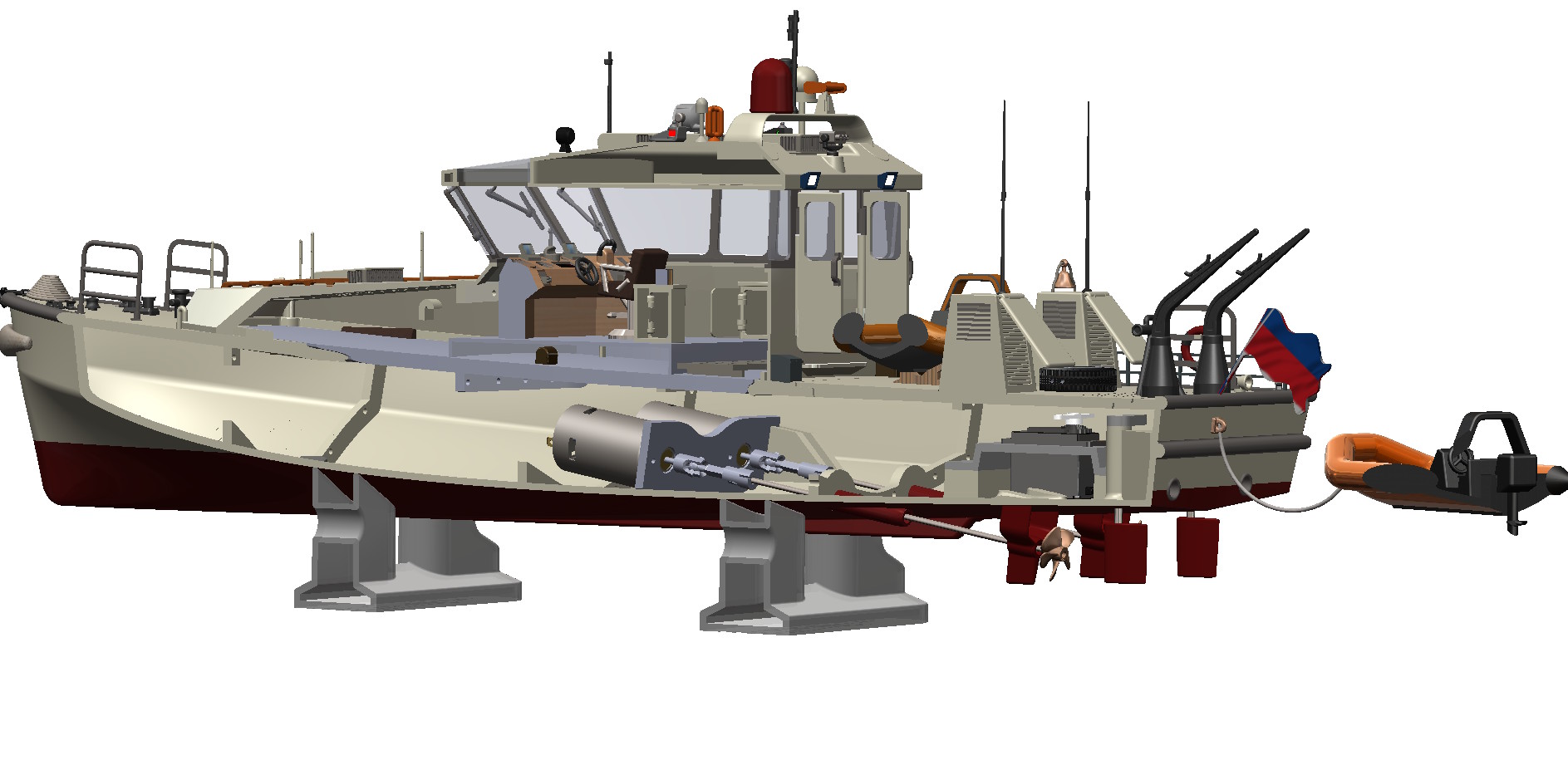
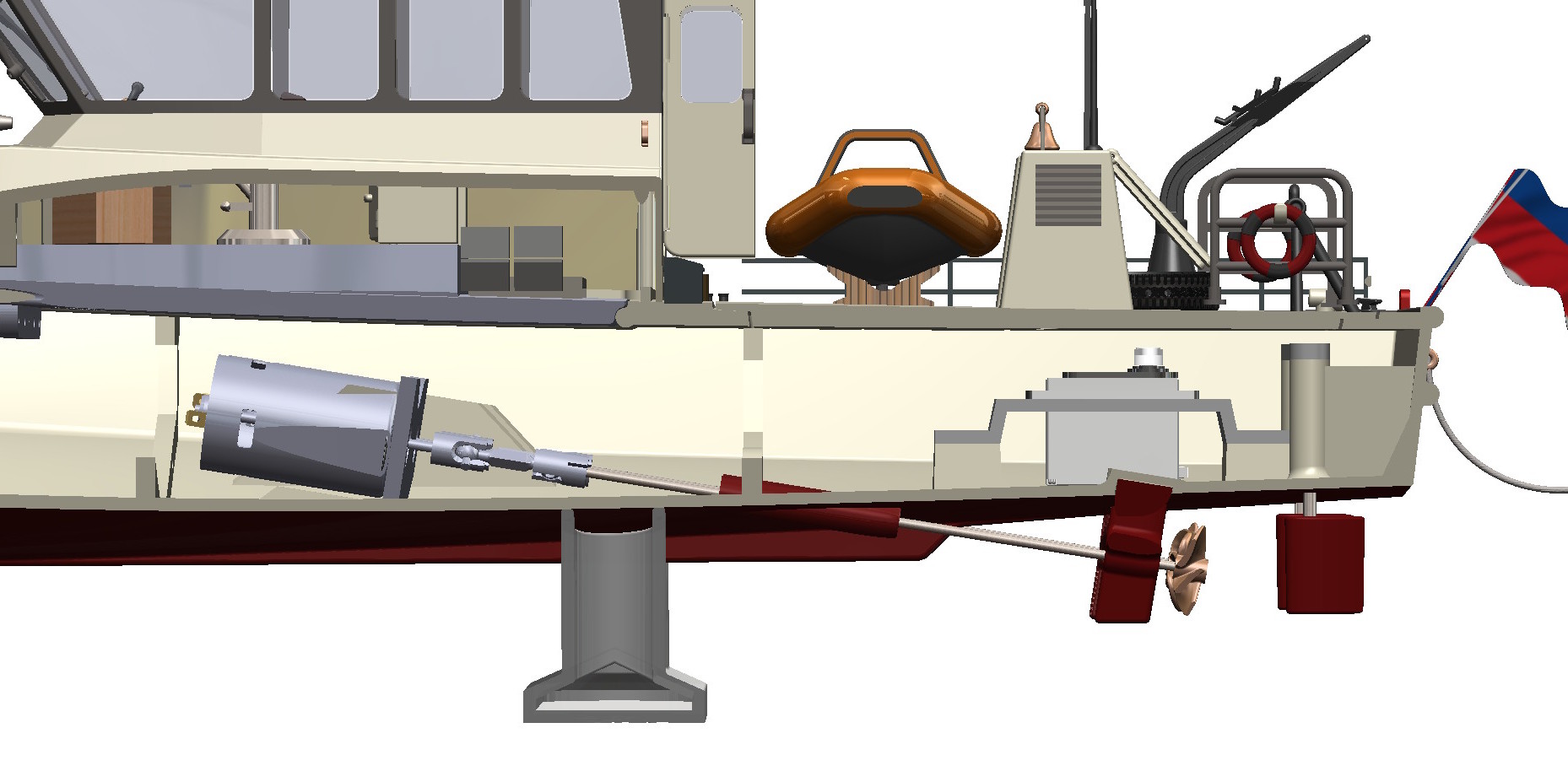
It is this combination of speed, maneuverability, durability, visibility, and practical functionality that makes modern pilot boats particularly interesting subjects for scale modeling. Unlike a purely recreational speedboat, almost every visible feature has a purpose: the heavy fendering protects the hull during ship-to-boat transfers, the open working decks provide space for boarding operations, the elevated wheelhouse gives the crew visibility, and the radar, navigation equipment, searchlights, communications equipment, and safety gear support continuous professional operation. In other words, the distinctive appearance of a modern pilot boat is largely a consequence of its job.
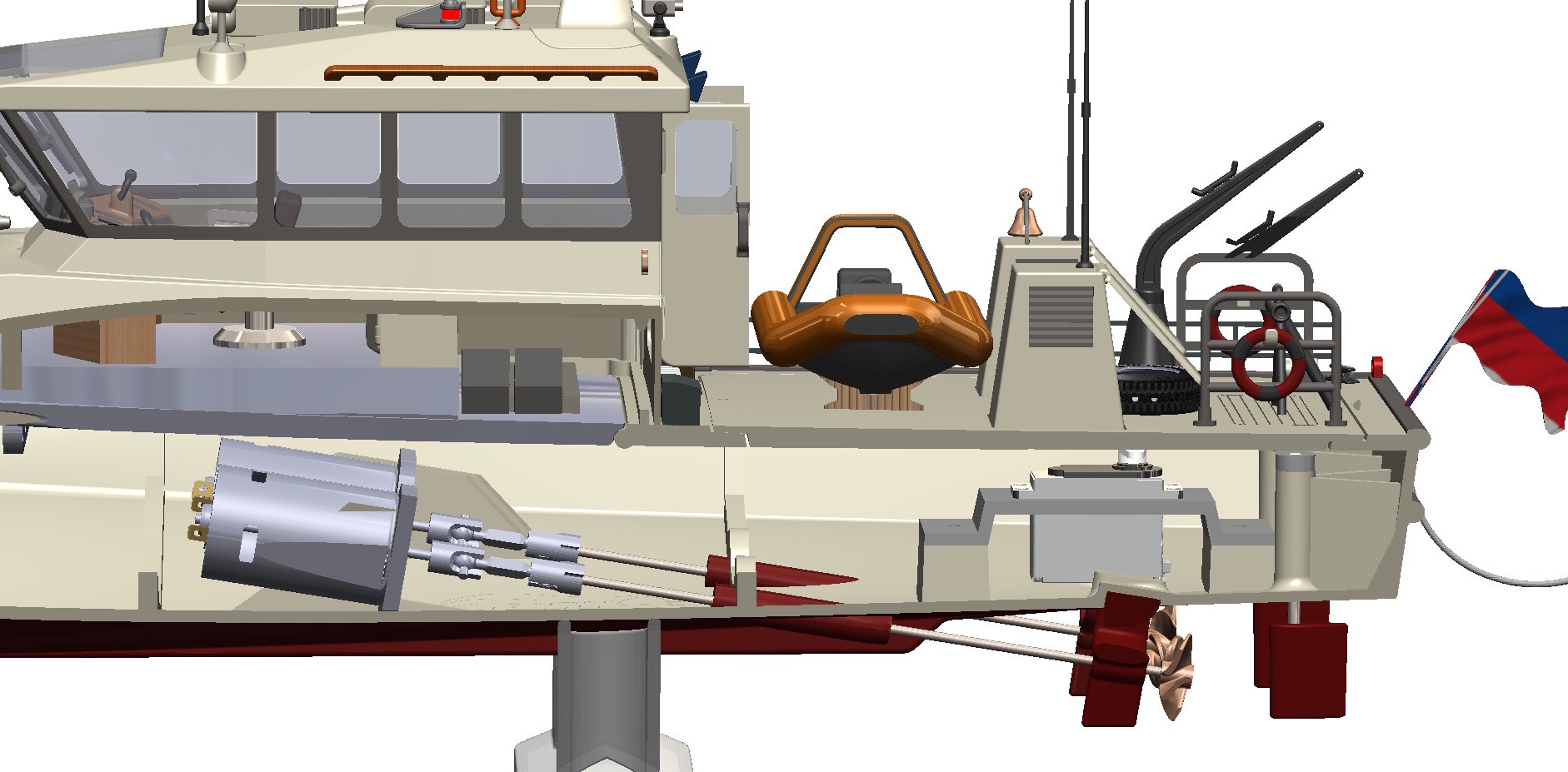
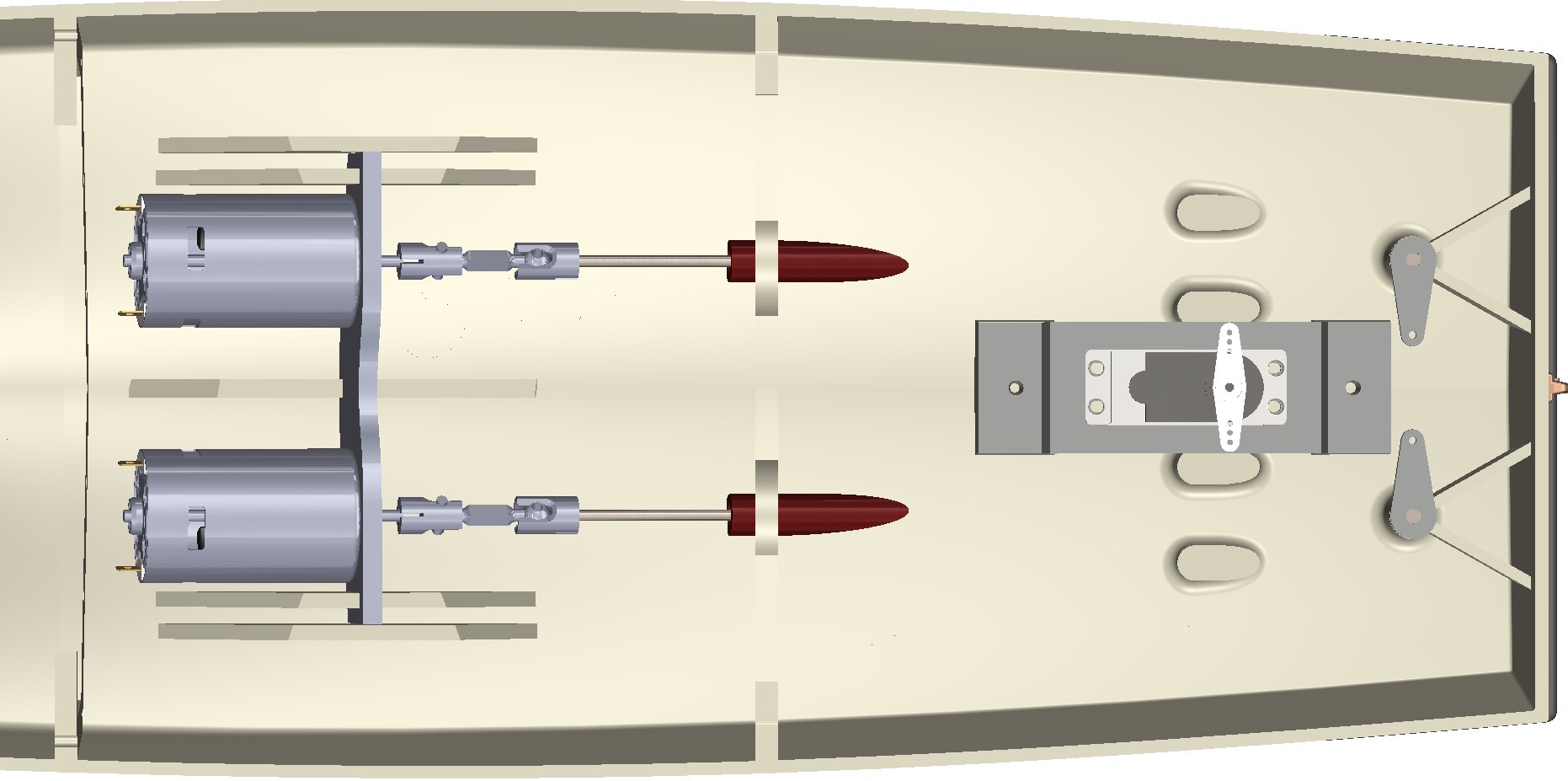
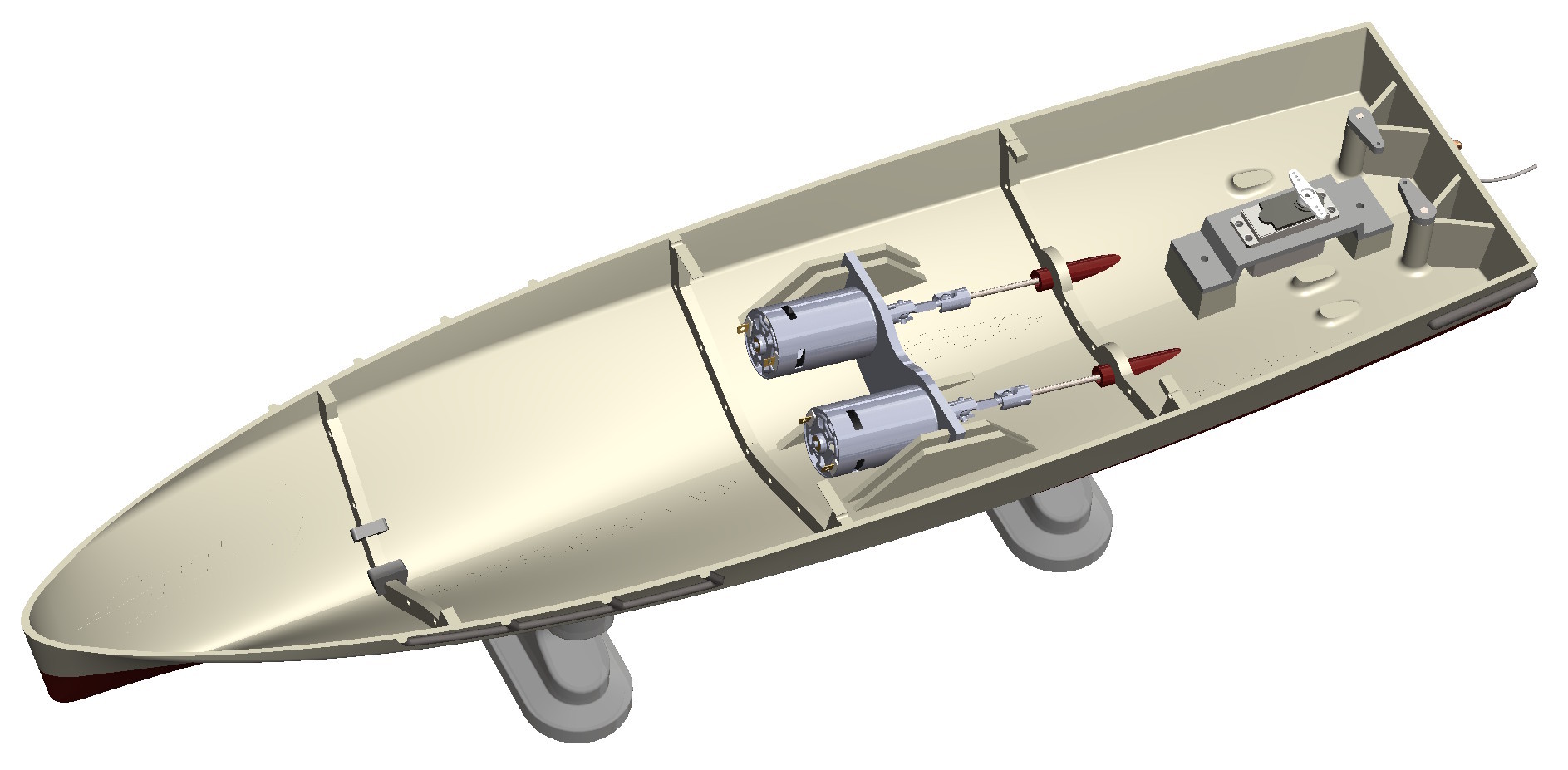
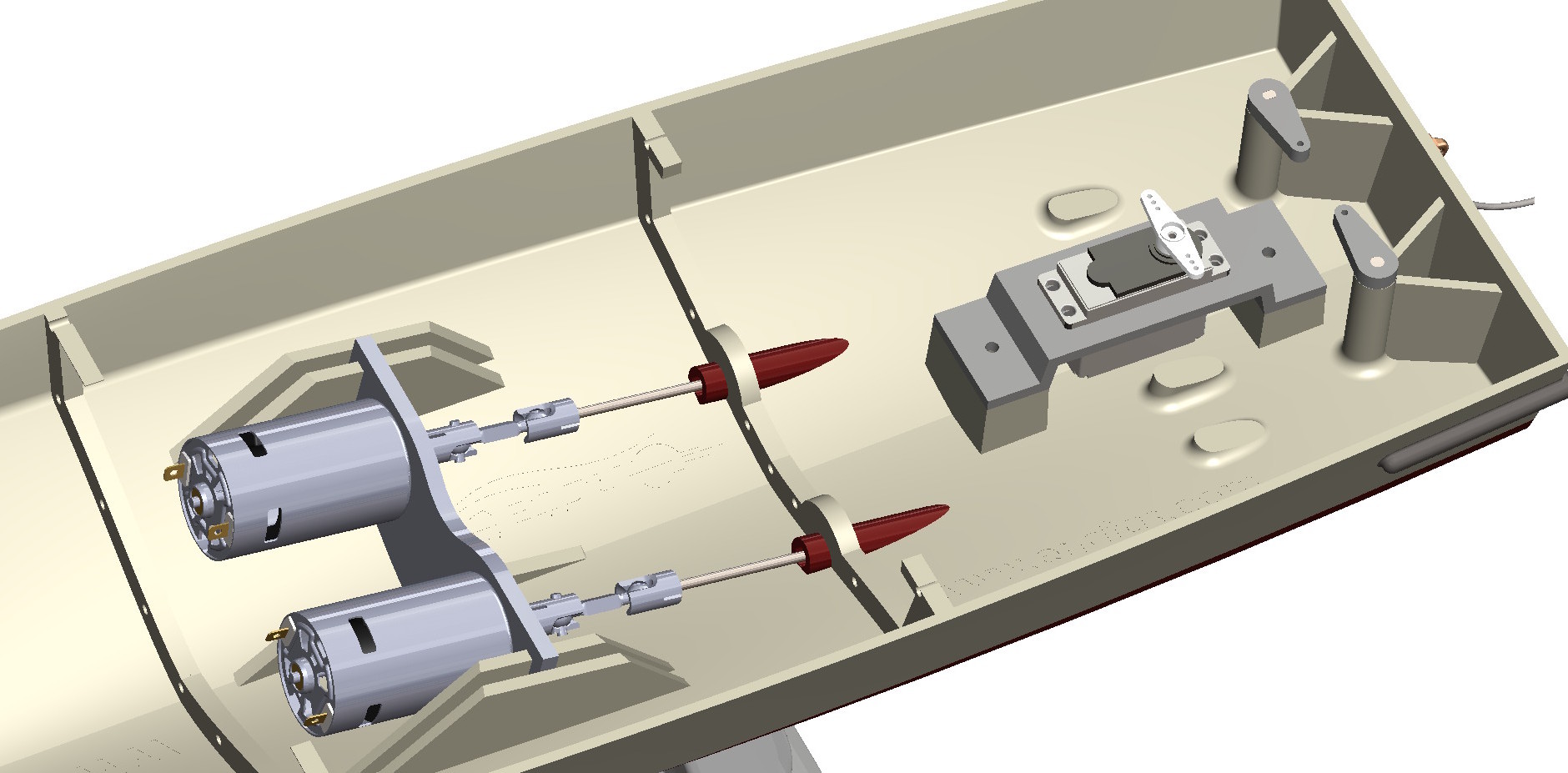
Our Modern Pilot Boat
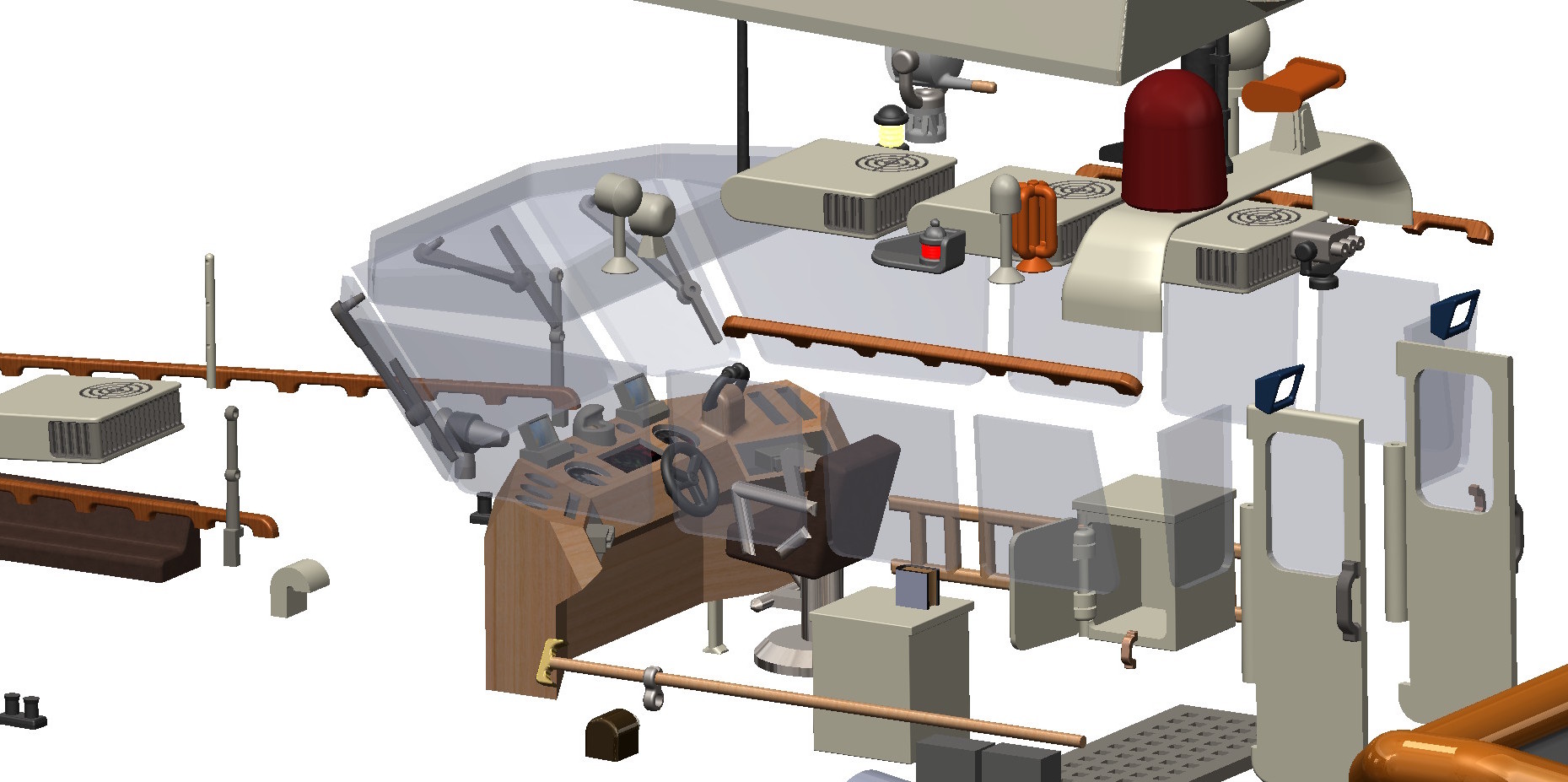
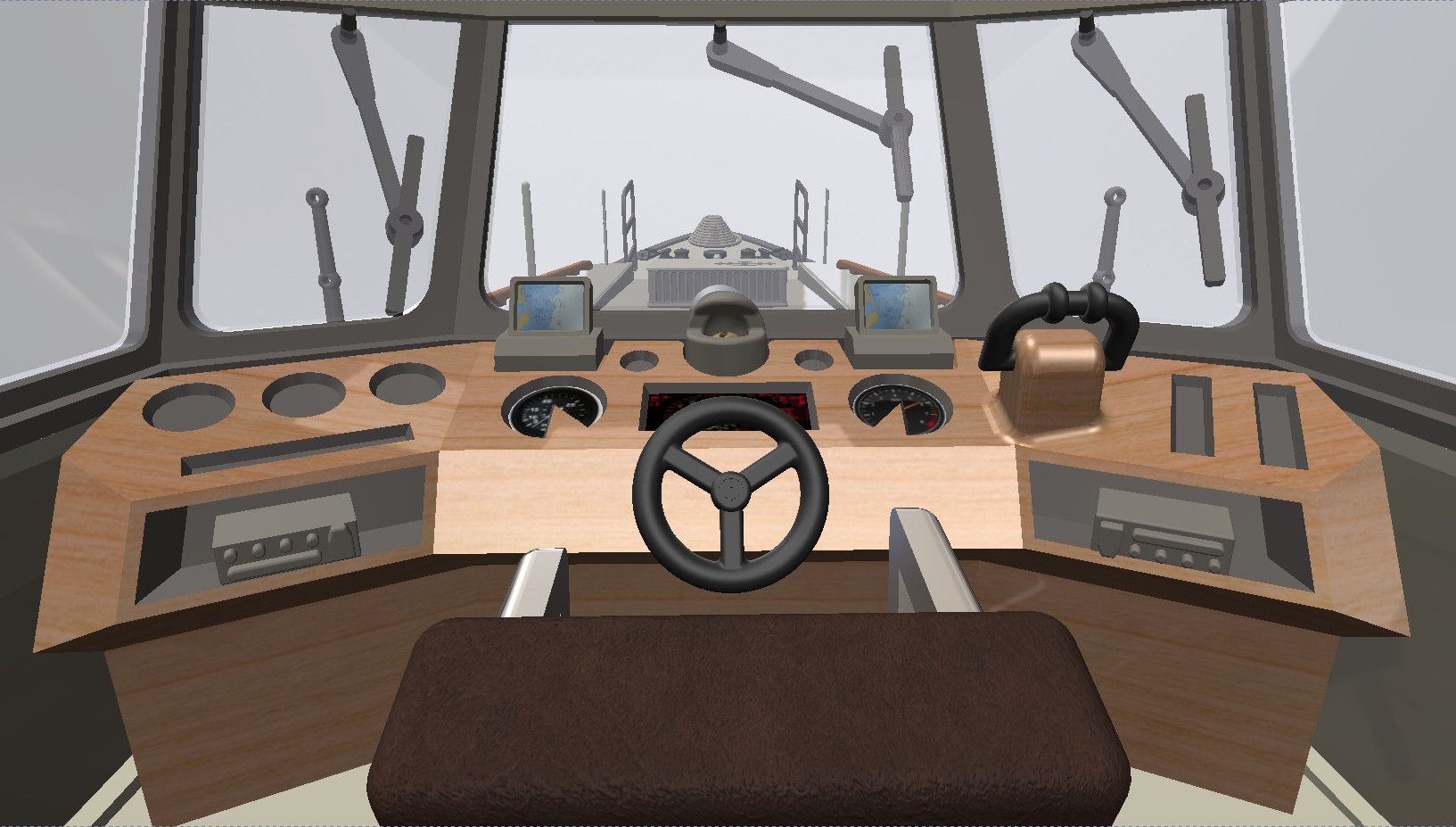
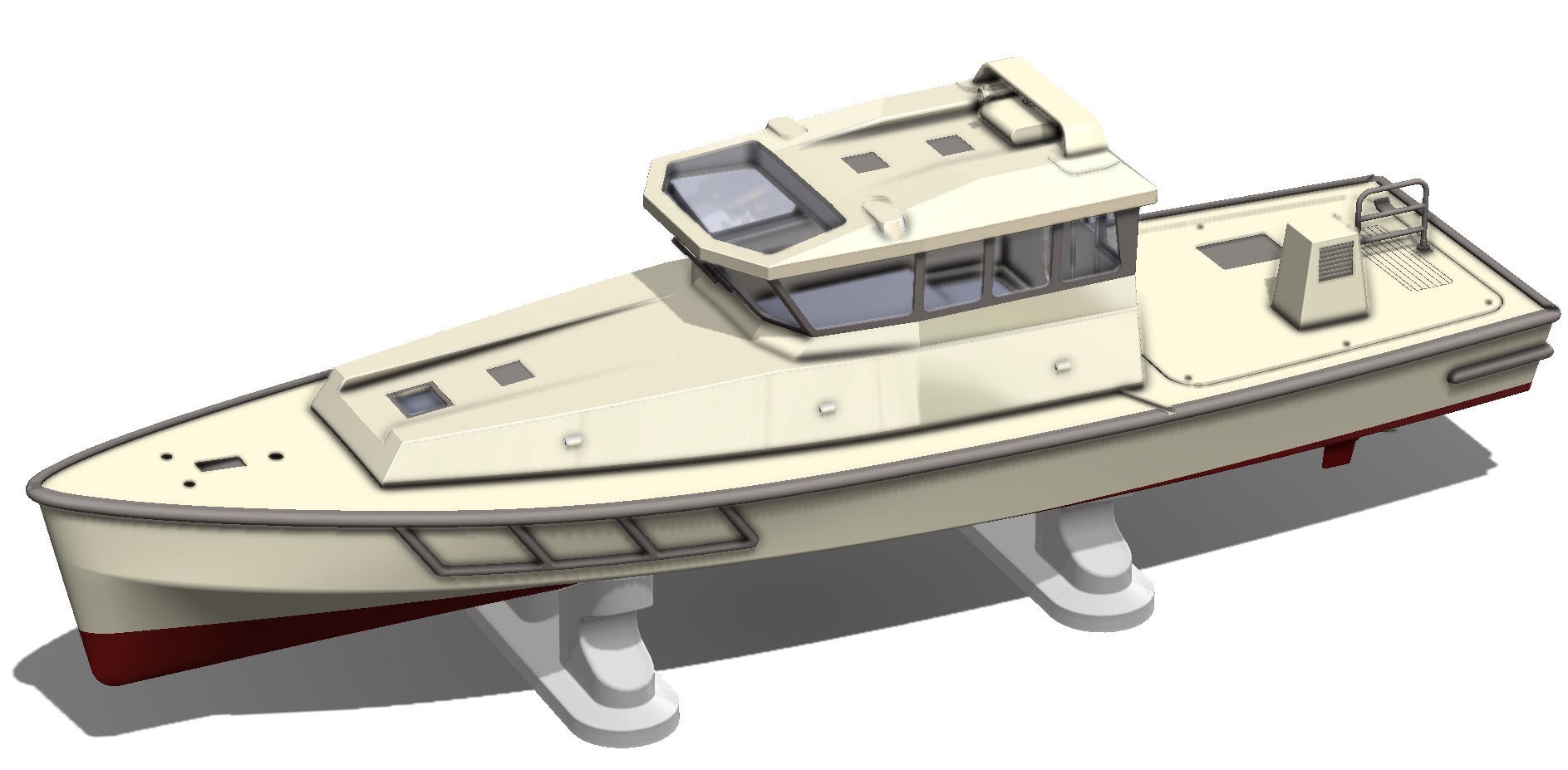
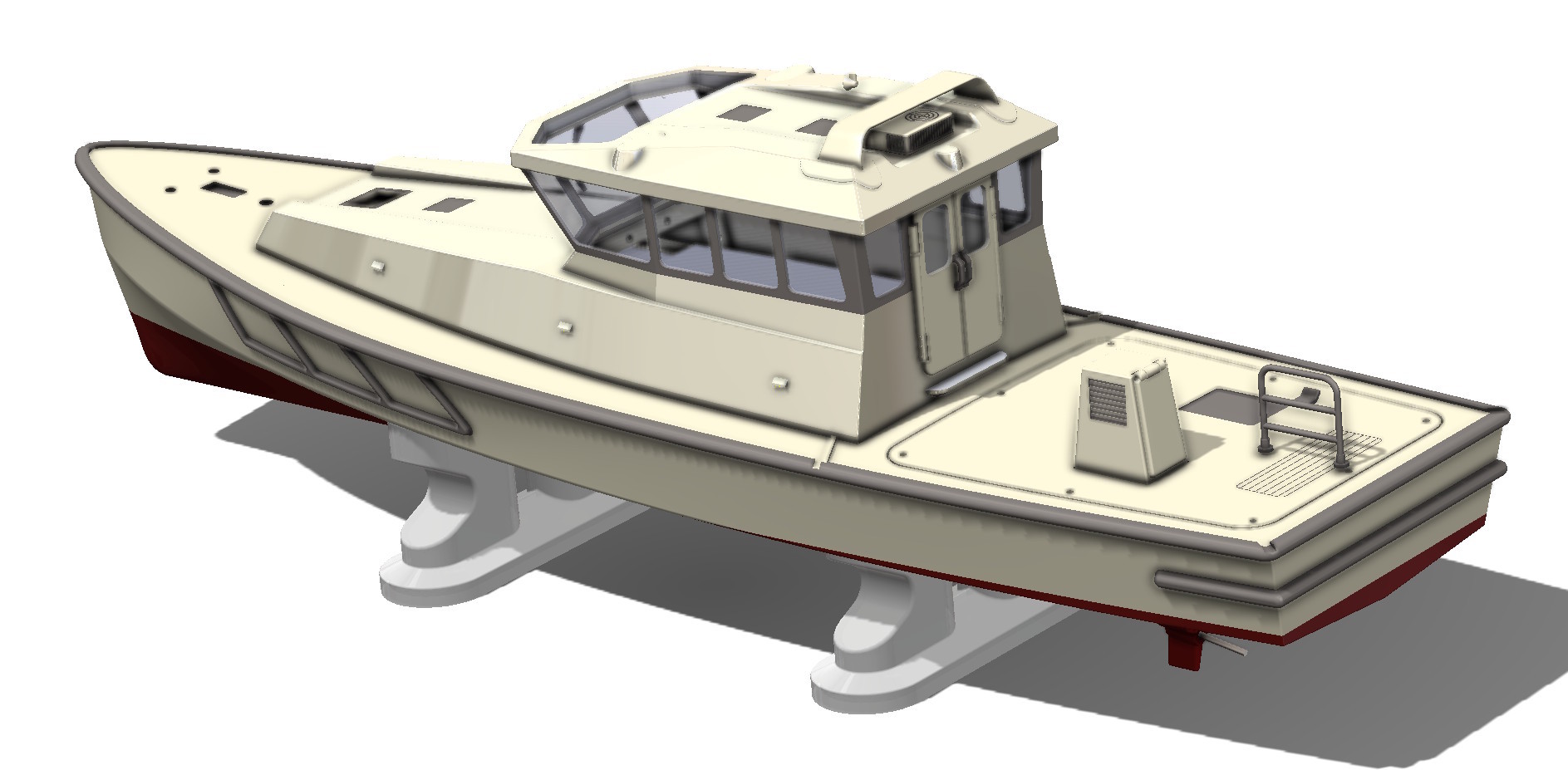
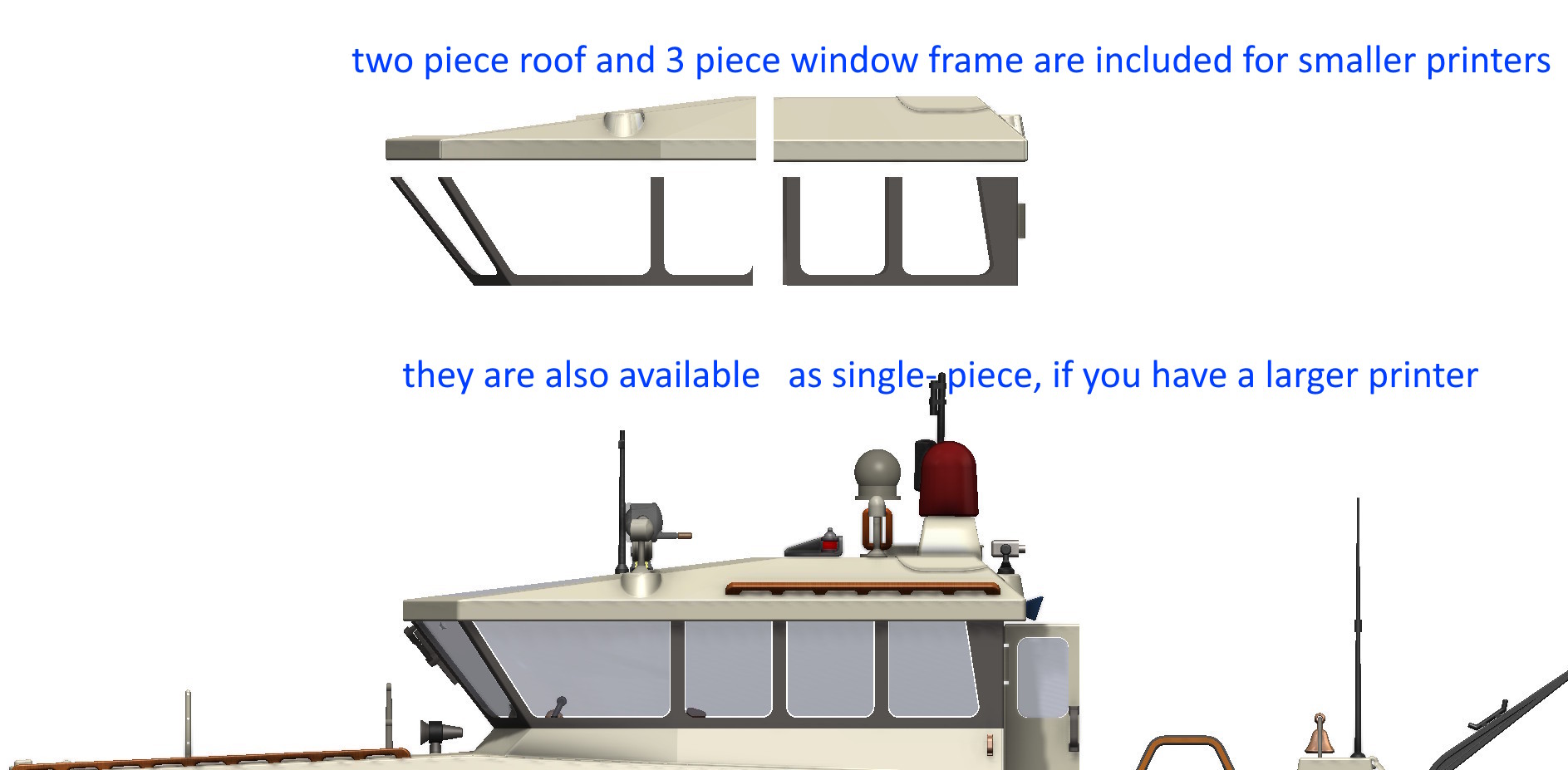
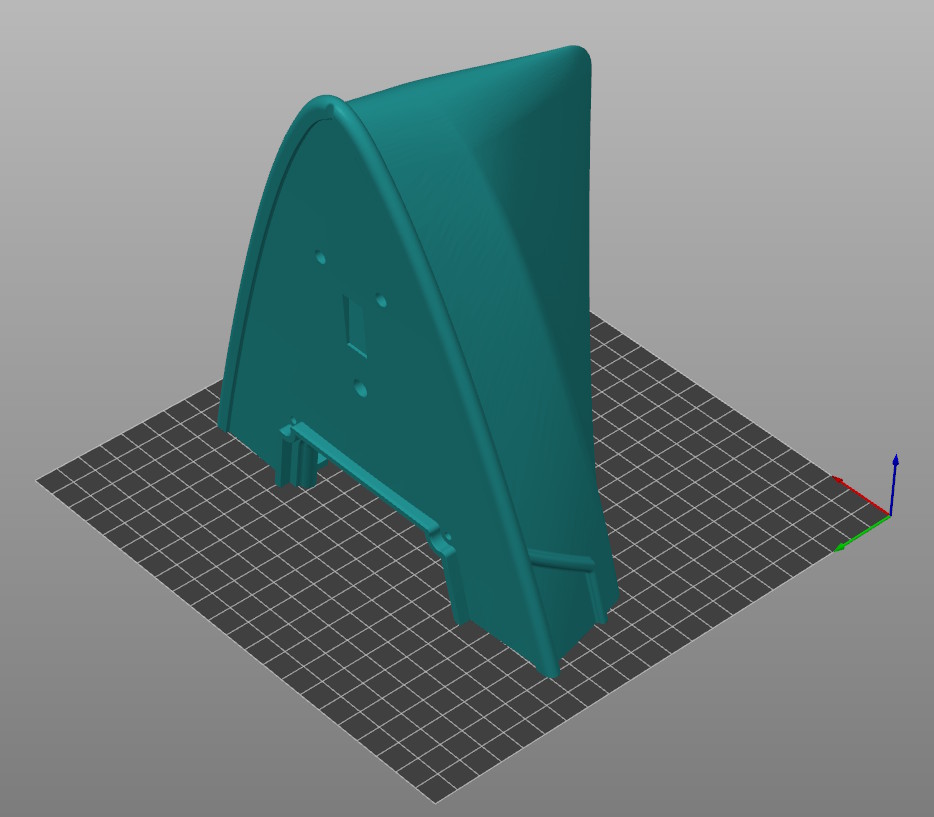
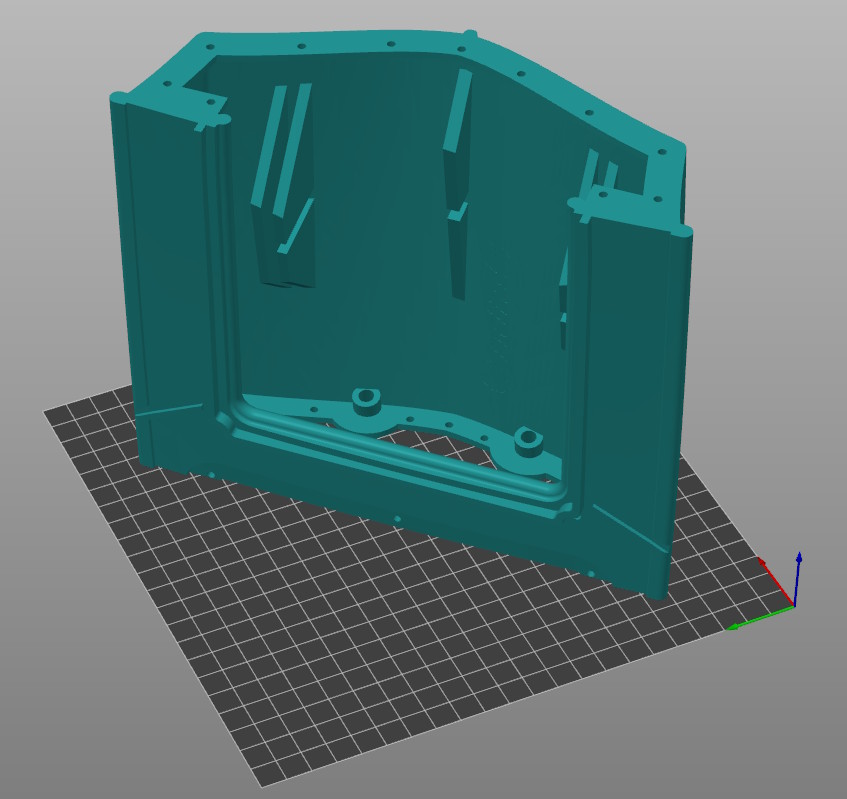
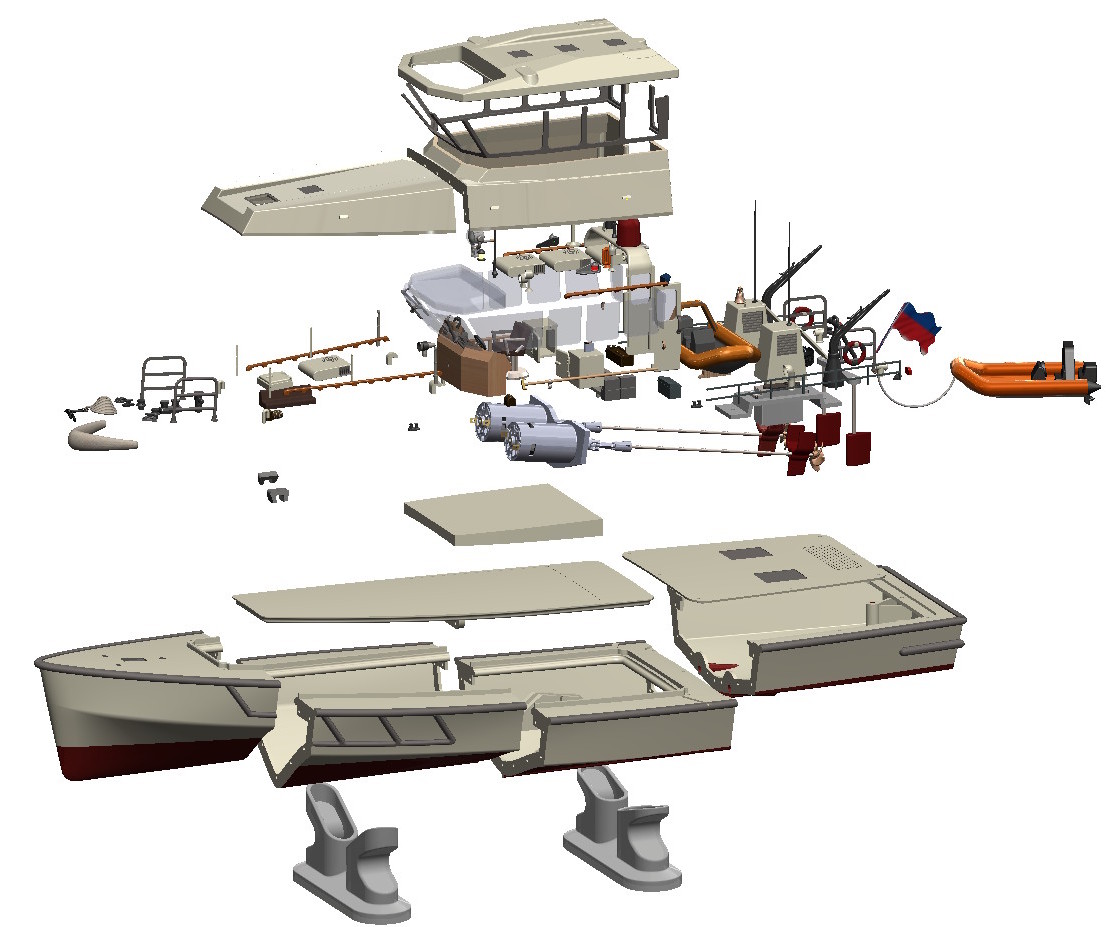
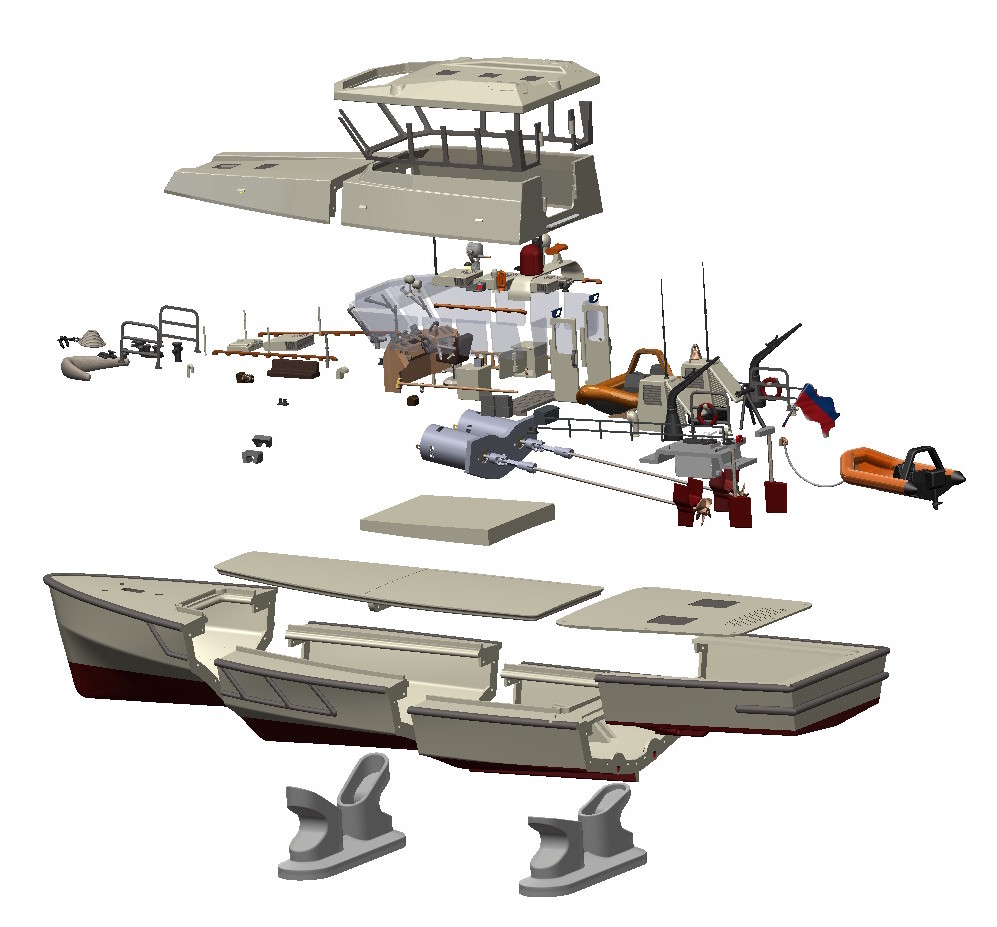
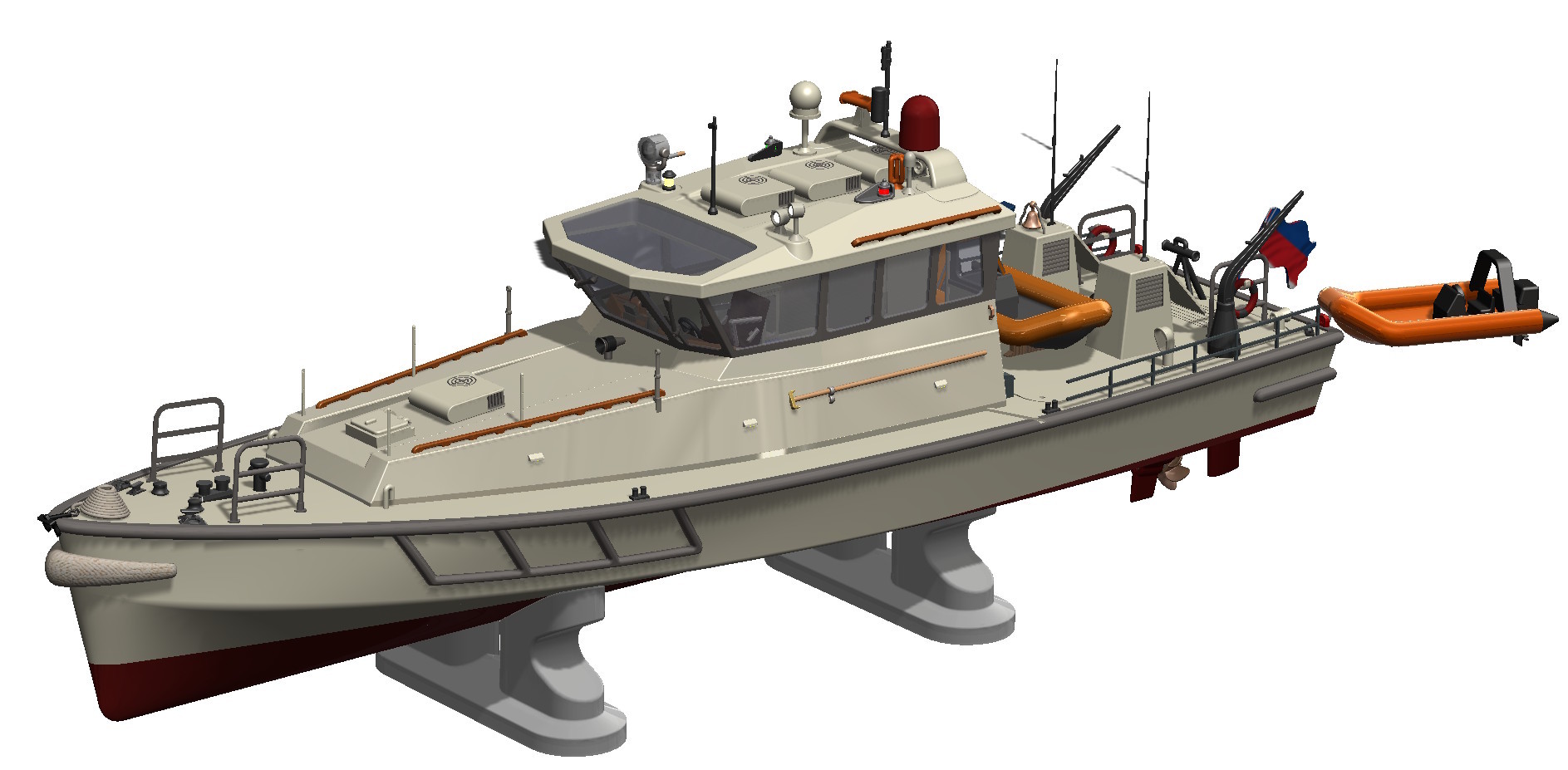
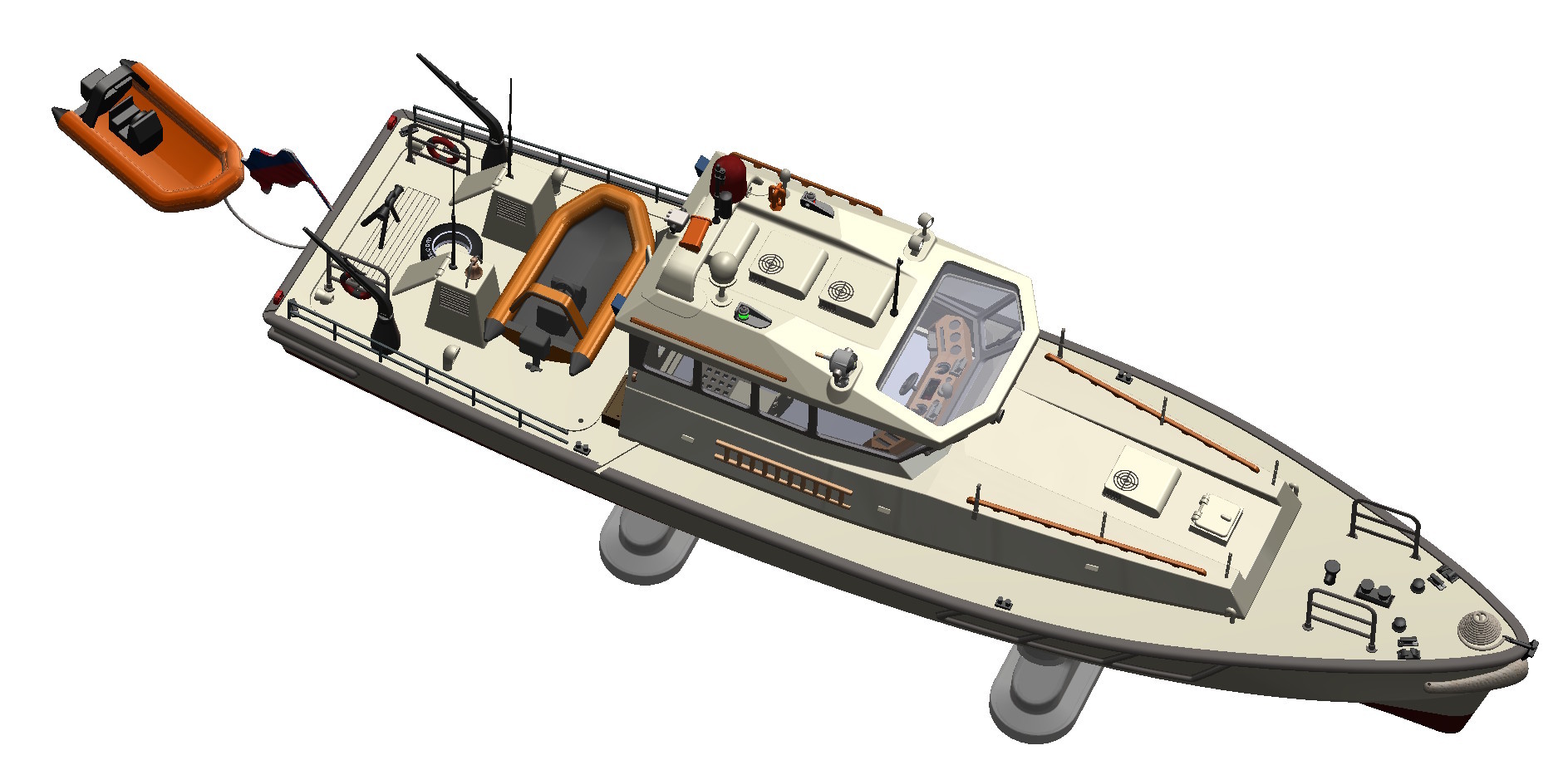
Our latest model takes inspiration from this contemporary family of pilot and crew-transfer vessels. Rather than reproducing one specific commercial vessel, we developed a modern pilot boat design incorporating characteristics found across several contemporary high-speed workboats. The result is an 80 cm-long, approximately 1:24-scale model designed from the beginning as both a detailed scale model and a functional RC platform. Visit our Cults3D page to purchase the model.