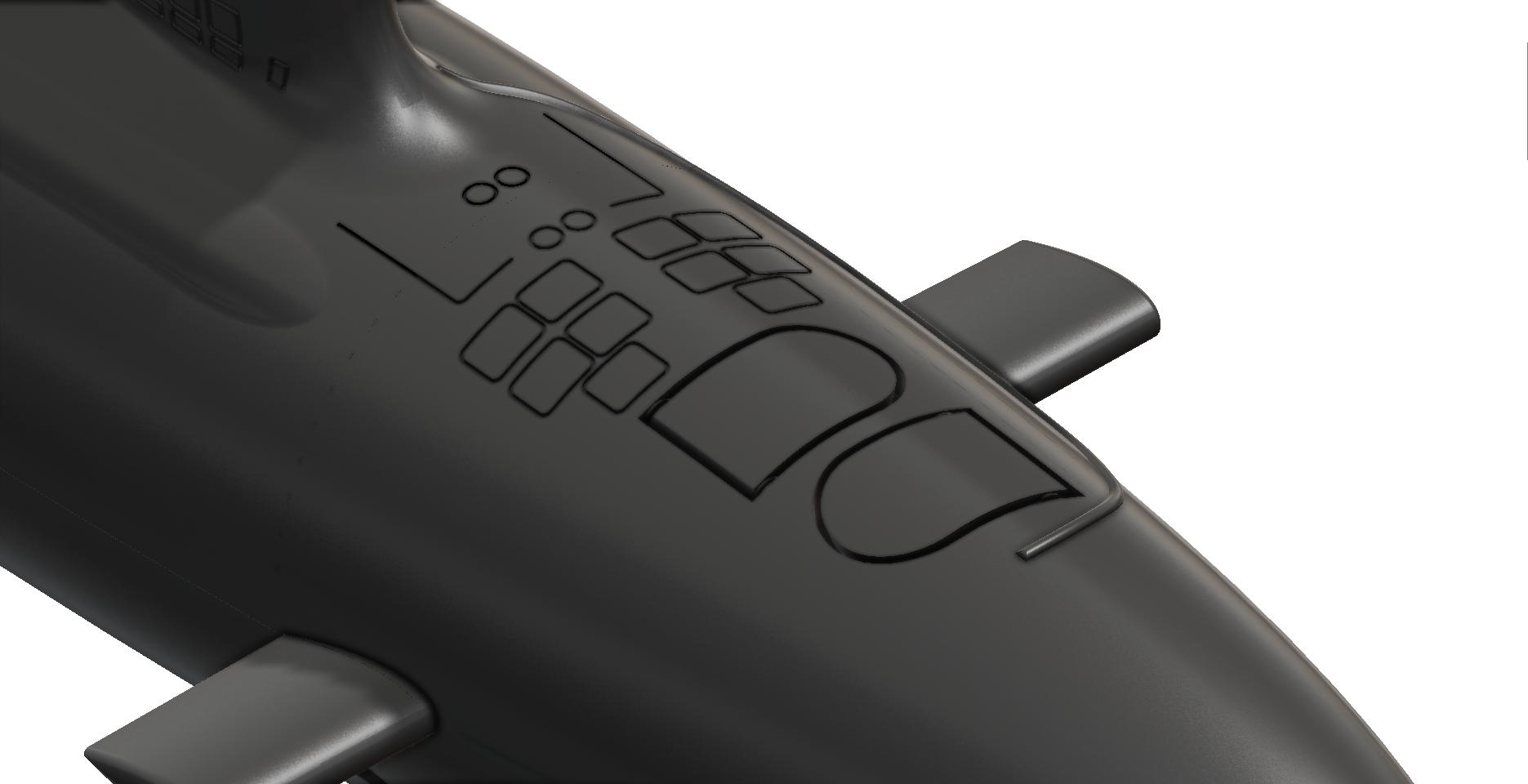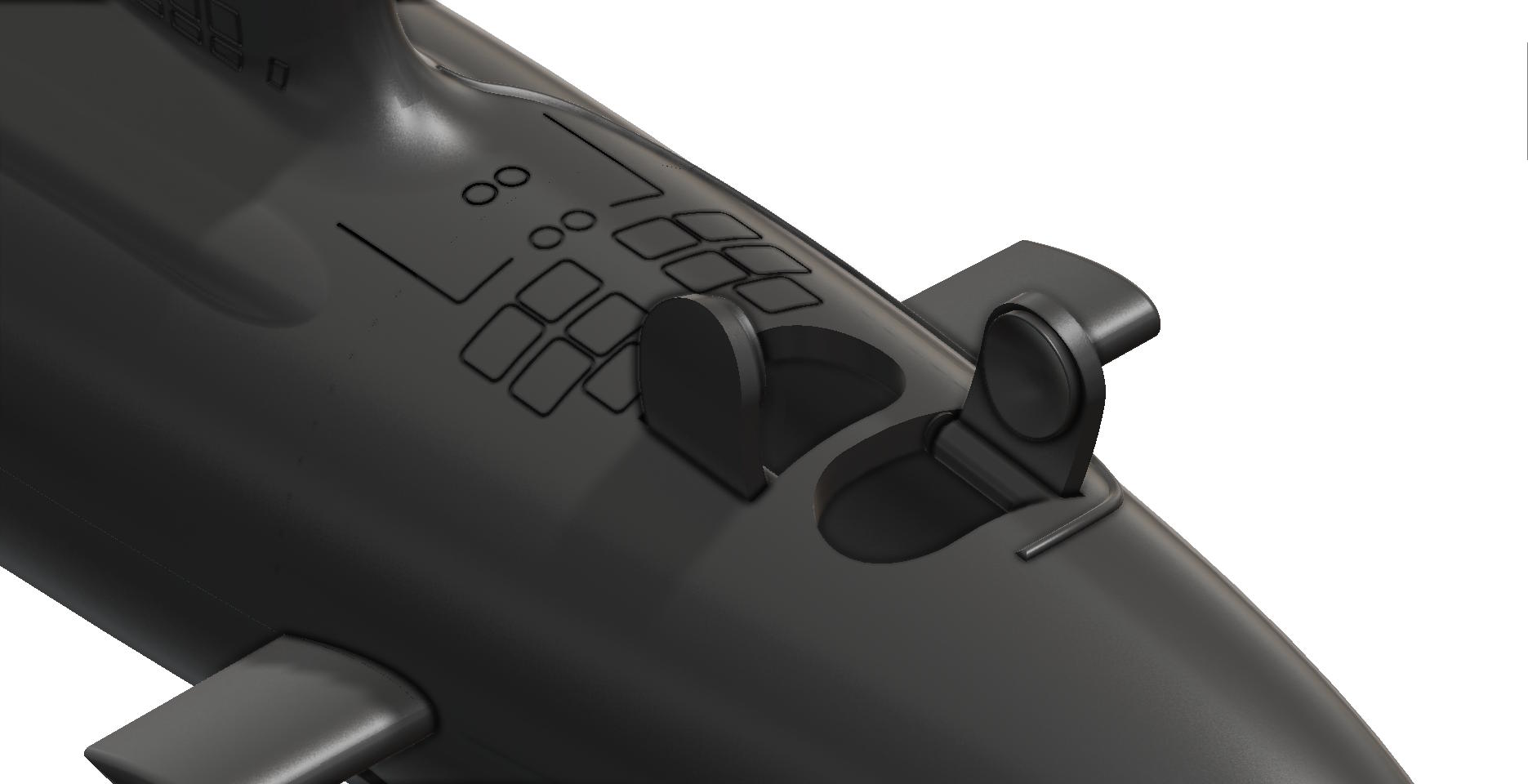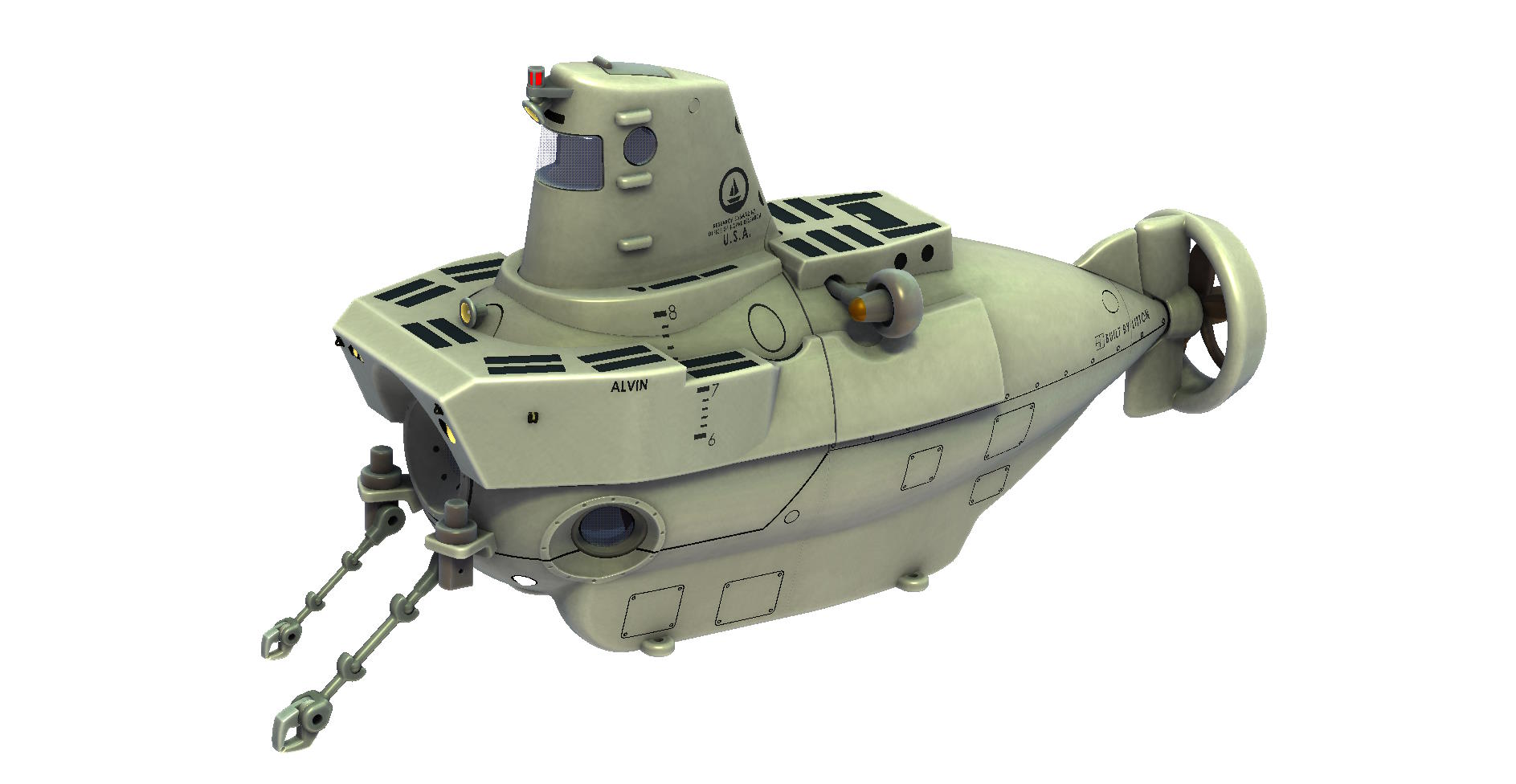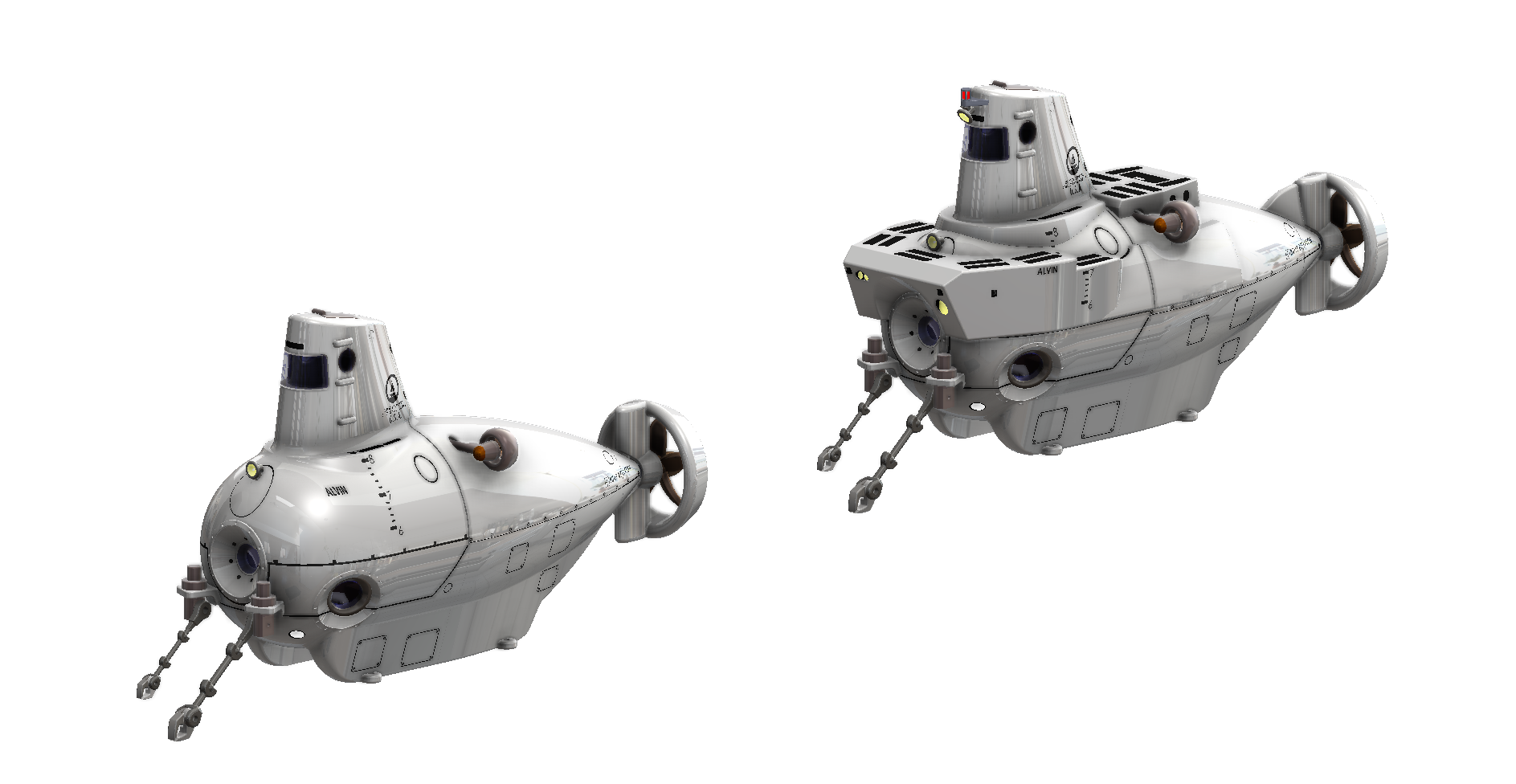
The ALVIN submersible is a deep-sea research submersible that has undergone several versions and modifications since its inception. I’ve updated our Alvin Submersible design to also include the parts necessary to build newer versions up to 1984. New fine details are also added to the earlier version files, increasing the realism of the finished model.
Continue reading for more information and a hirez STL file for 3d printing the Alvin version 2 sub. There is a huge 50+ MB file package that includes all versions of the Alvin model between 1964 and 1984 in 52 separate STL files. You can get it from here.
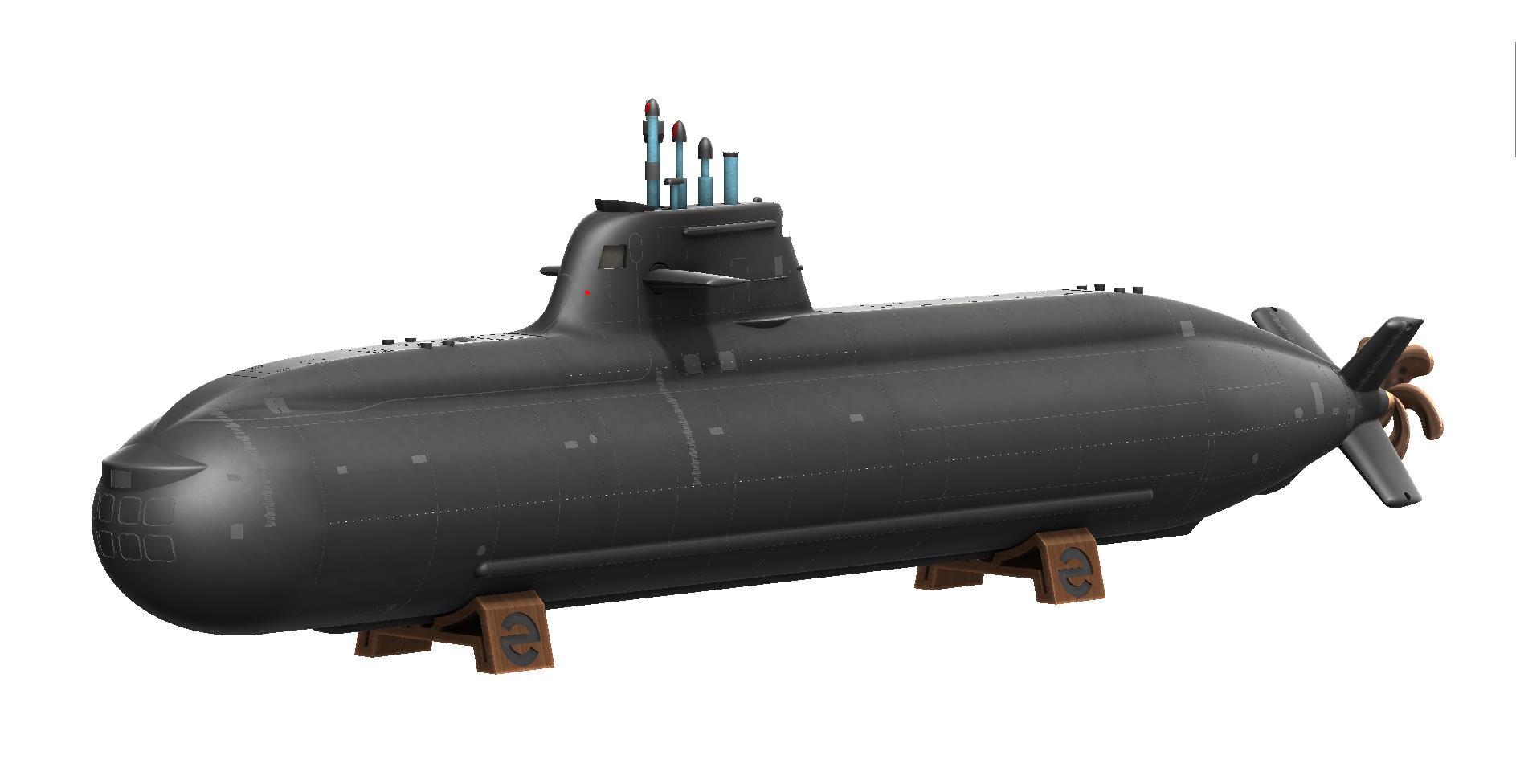
In the realm of naval warfare, submarines have always played a pivotal role, providing stealth, agility, and surprise to maritime operations. Among the latest and most advanced vessels in this category are the Type 212 submarines. Developed by the German shipbuilding company ThyssenKrupp Marine Systems (TKMS), these submarines have captured the attention of naval experts worldwide for their cutting-edge technology, impressive capabilities, and innovative design.
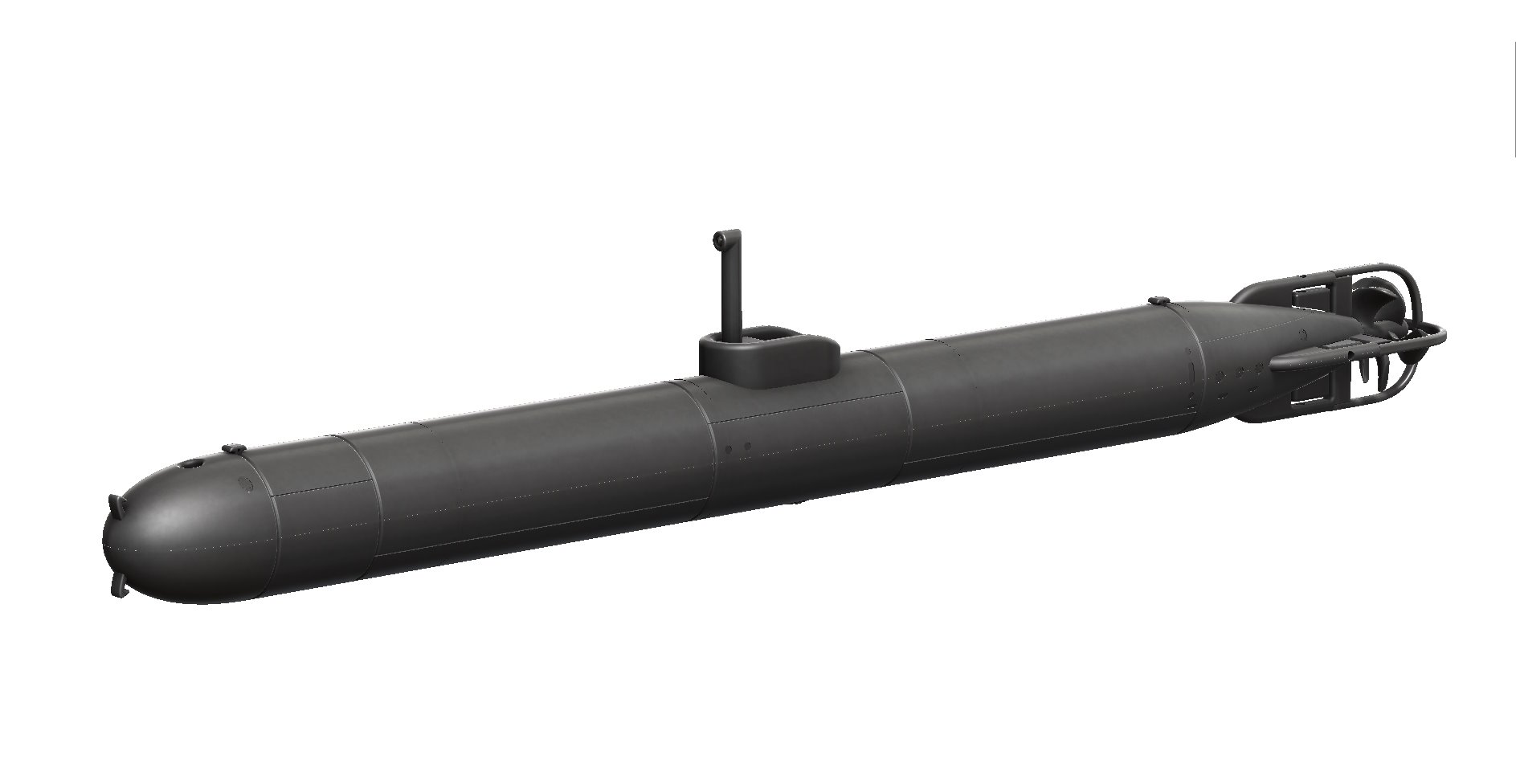
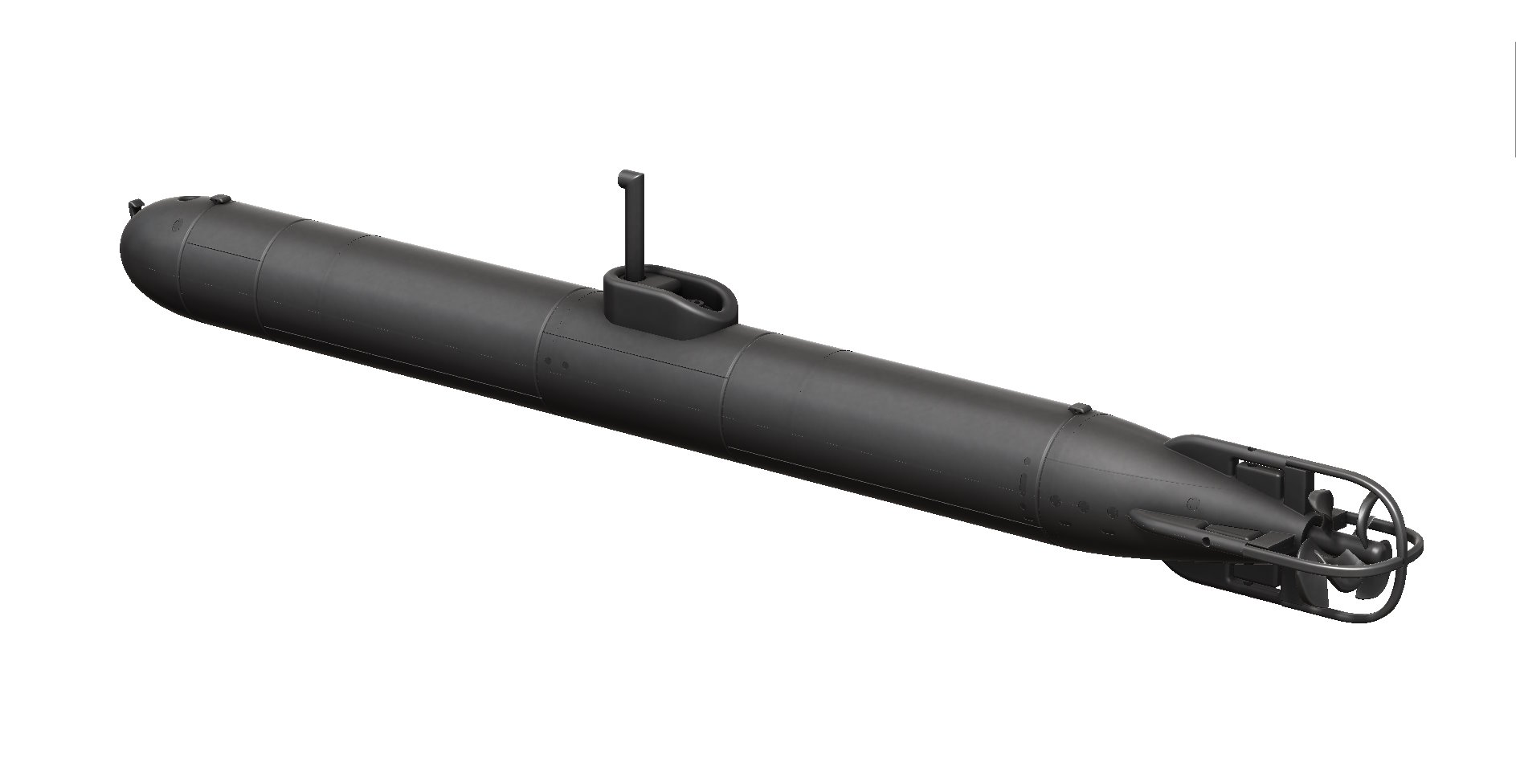
Naval warfare has seen numerous innovative and devastating weapons throughout history, each designed to gain a strategic advantage over the enemy. One such weapon, born out of desperation during World War II, was the Kaiten suicide submarine. With their primary purpose being to cause maximum destruction by sacrificing their own crew, these submarines represented a tragic chapter in naval warfare.
Origins and Development: The Kaiten suicide submarines were developed by the Imperial Japanese Navy towards the end of World War II. Facing a deteriorating military situation and in dire need of unconventional tactics, the Japanese sought ways to counter the overwhelming naval power of the Allied forces. Inspired by the successful deployment of human-guided torpedoes, known as the “kaiten” or “return to heaven,” the concept of the Kaiten submarine was born.
Continue reading for more information and STL file for 3d printing your own Kaiten.
Exploring the Depths: Alvin Unveils the Mysteries of the Deep since 1964 The vast and mysterious depths of the ocean have captivated human imagination for centuries. With more than 70% of our planet covered in water, it’s no wonder that we’re drawn to uncover the secrets hidden beneath the waves. Among the many tools that … Read more
OceanGate’s Cyclops submersibles have revolutionized deep-sea exploration, allowing scientists, researchers, and adventurers to venture into the most remote and inaccessible depths of the ocean. Designed and built by OceanGate Inc., these cutting-edge submersibles combine advanced technology, robust engineering, and human-centered design to provide an unprecedented window into the mysteries of the deep.
Project 908 Triton-2 small submarine was a highly classified project during the Cold War, and some mystery still surrounds the project. Museum display exemplars and models depict an entirely enclosed vessel with a vestigial conning tower of sorts and various portholes for surface navigation.
Tasks solved by the midget submarine “Triton-2” include covert transportation underwater, disembarkation and return of combat swimmers when they perform special tasks of the Navy in coastal areas. Project 908 “Triton-2” developed by CPB “Wave” St. Petersburg. Development of the project began in 1970, and in 1974 the first prototype was made. Triton-2 submarines were in service with the Soviet navy from 1975 to the 1990s.
Ahoy, mateys! Prepare to dive into the depths of humor as we explore the majestic and colossal world of the Russian Delta class submarines. These underwater wonders are not your average submarines; they’re more like floating cities with torpedoes and a quirky sense of humor. Join me as we embark on a hilarious journey through the quirks, adventures, and larger-than-life nature of these mighty vessels. So strap on your diving gear and get ready to giggle!
The USS Thresher, a nuclear-powered submarine of the United States Navy, stands as a testament to the bravery and dedication of those who serve in defense of their country’s freedom. Commissioned in 1961, this remarkable vessel was not only a technological marvel of its time but also an embodiment of the unwavering commitment of its crew. Though tragedy struck on April 10, 1963, resulting in the loss of the USS Thresher and all 129 crew members, it remains an indelible part of naval history and a poignant reminder of the sacrifices made to ensure our security.