The Tragic Tale of USS Scorpion: A Submerged Symphony of Sorrow
You can get the scorpion STL pack from here, the free STL file is in the article, please continue reading.

The Tragic Tale of USS Scorpion: A Submerged Symphony of Sorrow
You can get the scorpion STL pack from here, the free STL file is in the article, please continue reading.
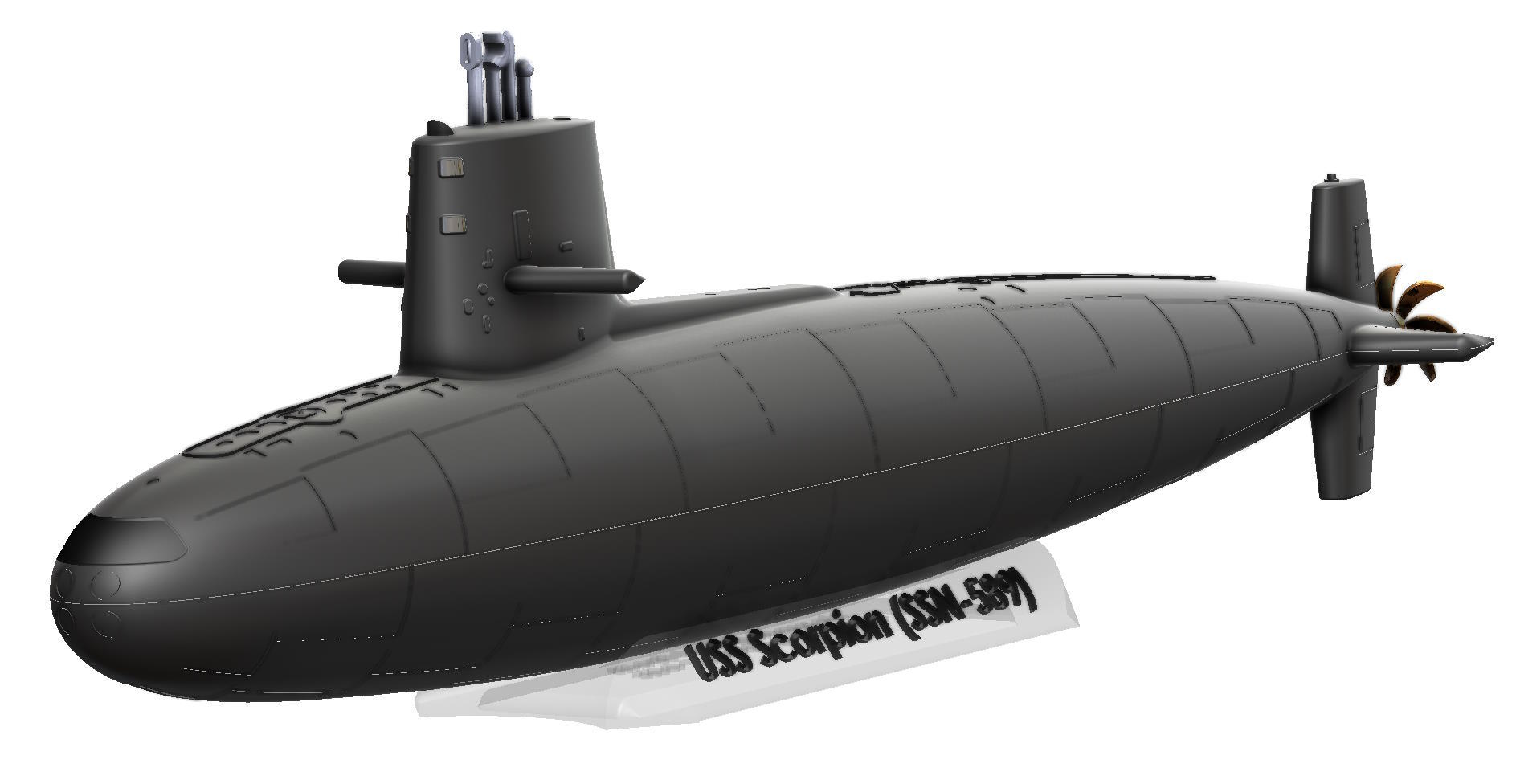
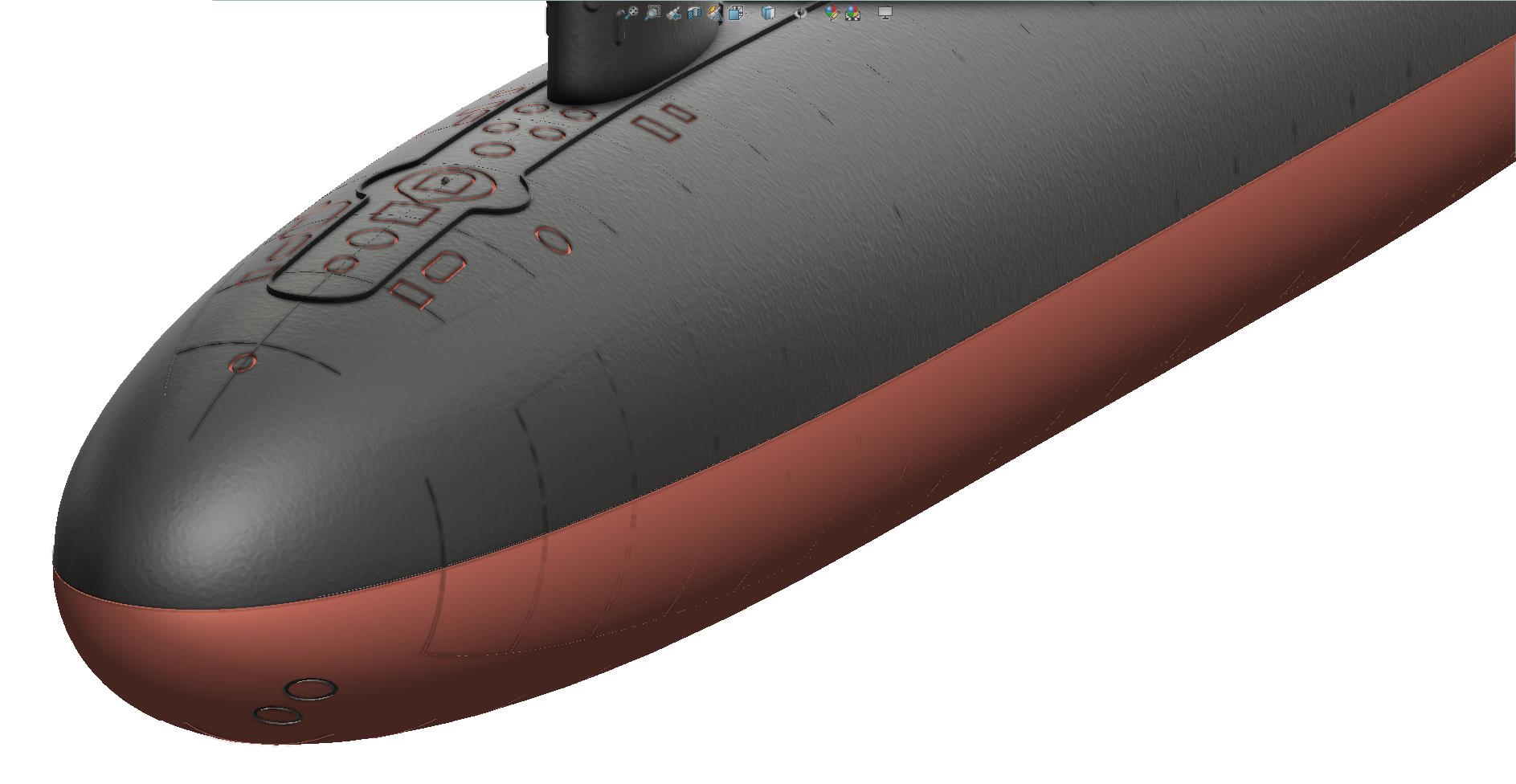
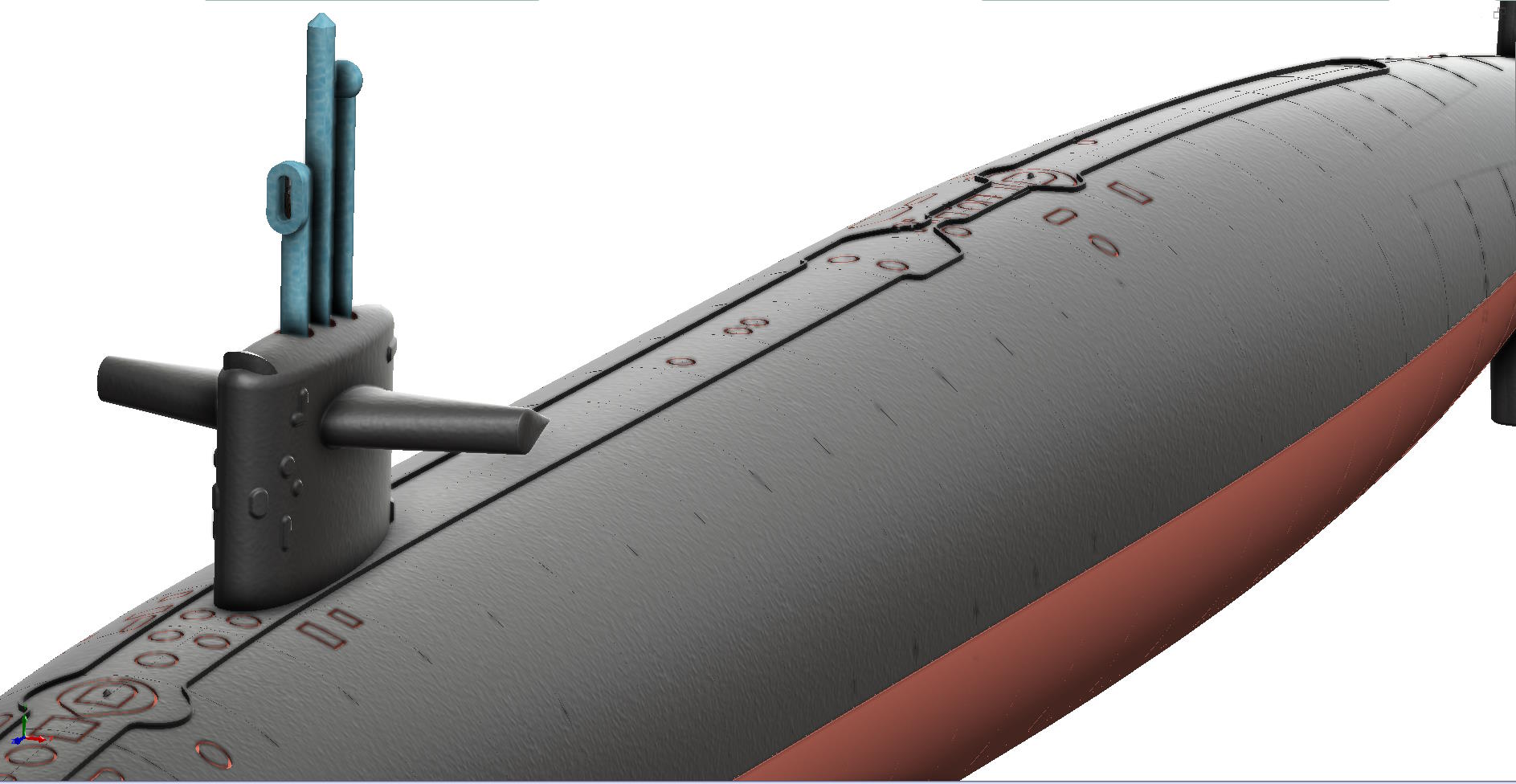
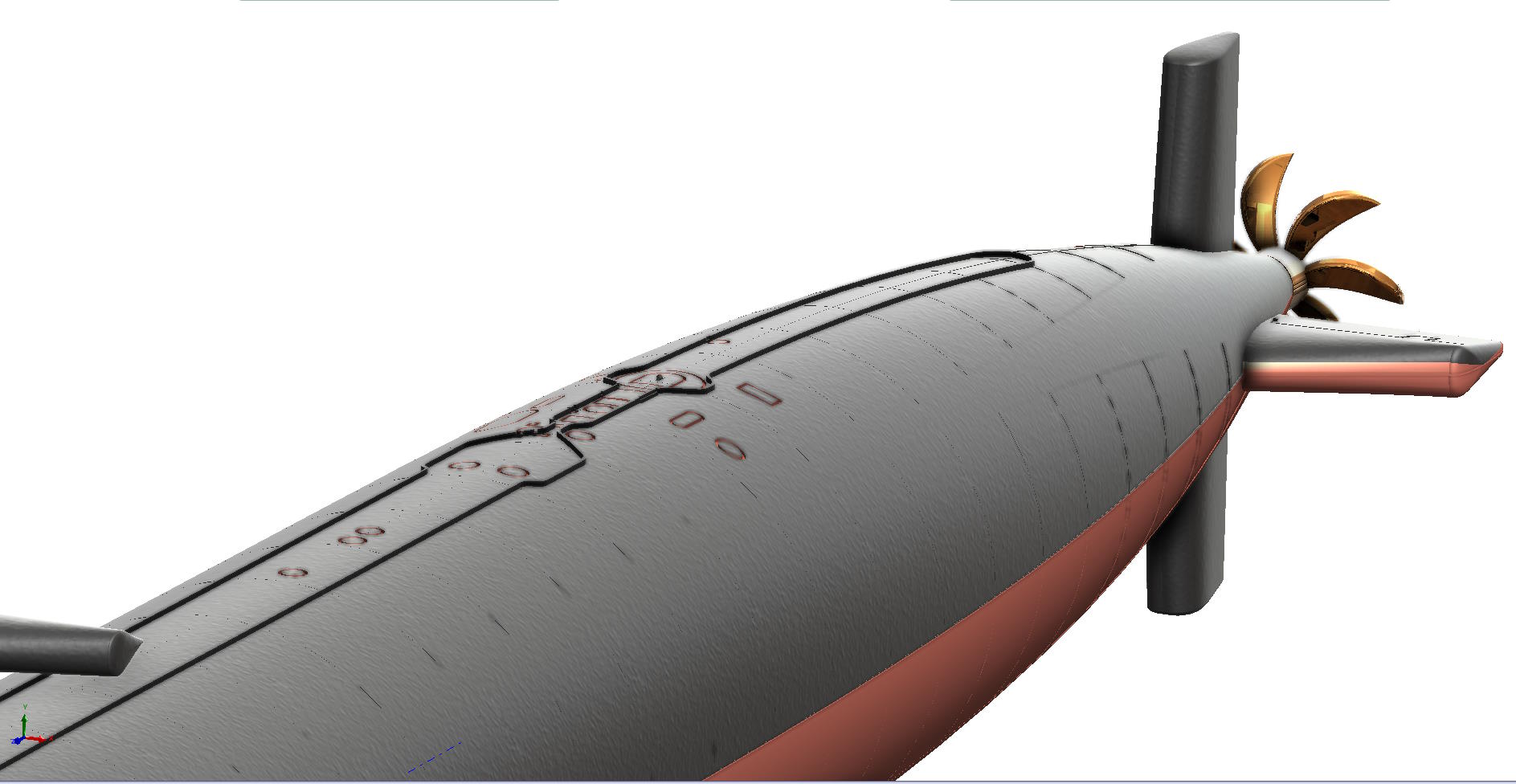
I’ve made a 3d model of the sub for Honoring her Legacy of Service and Sacrifice, you can find the link for the free STL file at the end of the article. If you are looking for a easier printing, higher quality, multi-STL pack, it is right here.
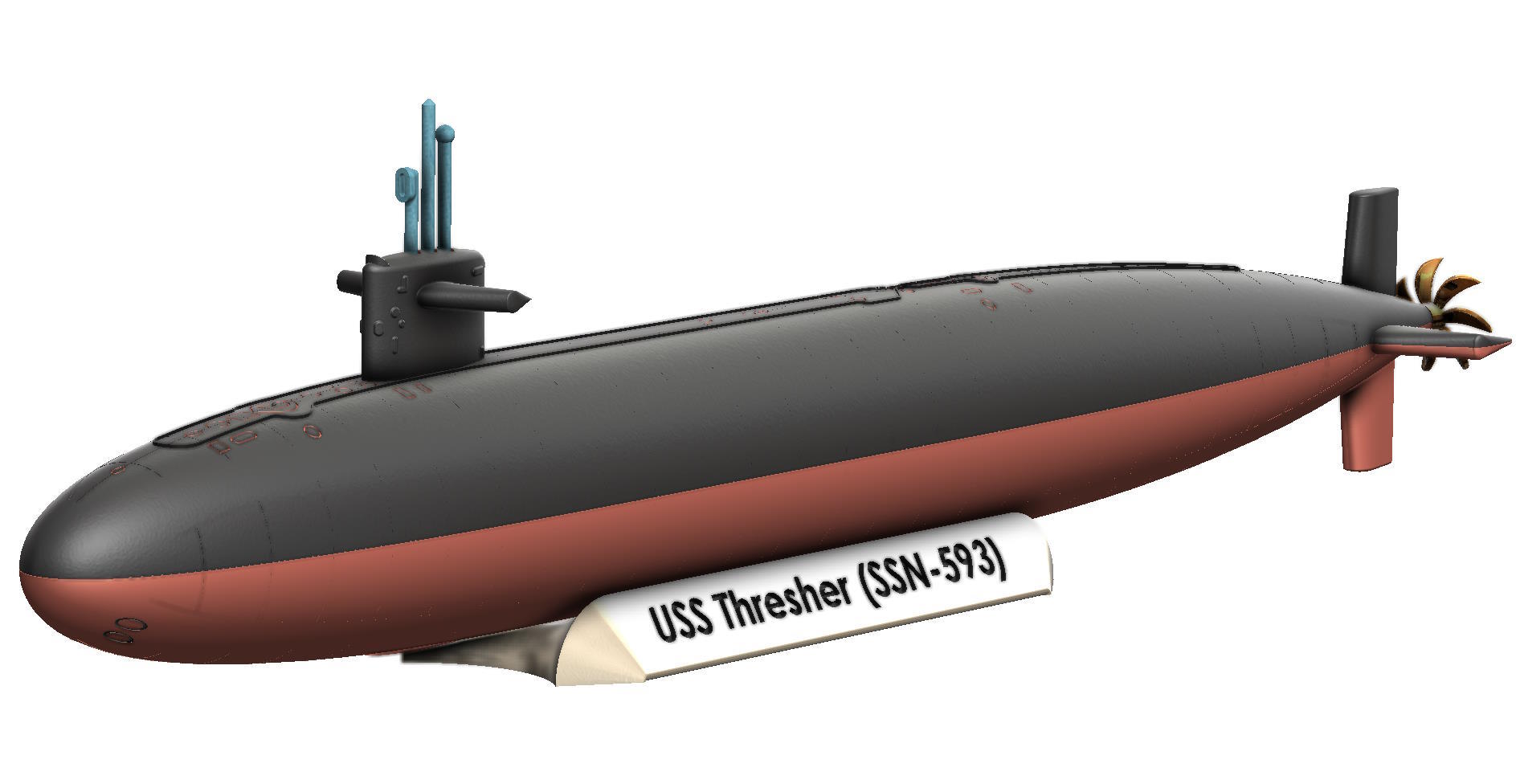
The USS Thresher, a nuclear-powered submarine of the United States Navy, stands as a testament to the bravery and dedication of those who serve in defense of their country’s freedom. Commissioned in 1961, this remarkable vessel was not only a technological marvel of its time but also an embodiment of the unwavering commitment of its crew. Though tragedy struck on April 10, 1963, resulting in the loss of the USS Thresher and all 129 crew members, it remains an indelible part of naval history and a poignant reminder of the sacrifices made to ensure our security.
A Remarkable Monument of Ancient Egypt
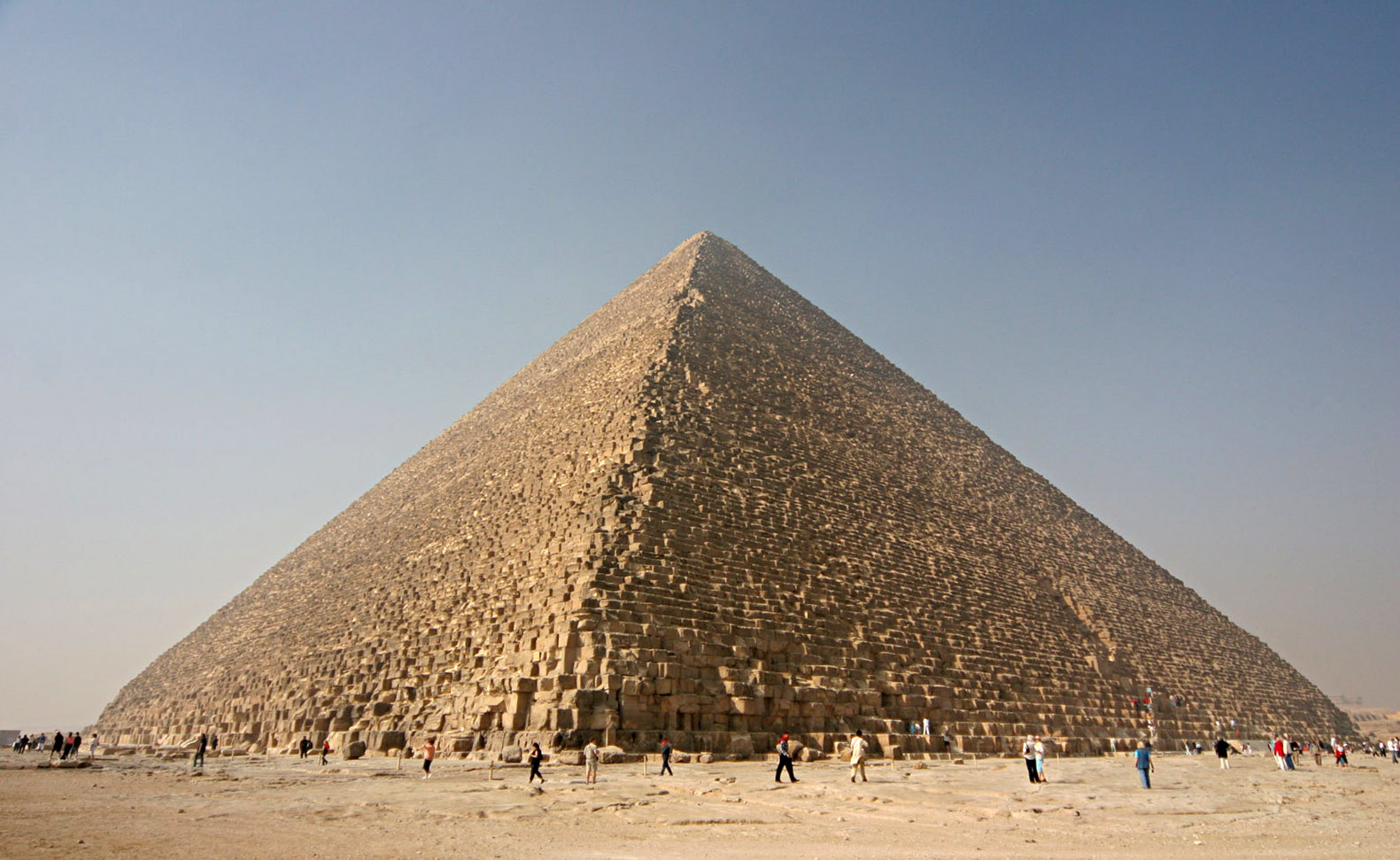
The Great Pyramid of Giza is one of the most impressive architectural marvels of the ancient world. Located on the outskirts of Cairo, Egypt, the Great Pyramid is the oldest and largest of the three pyramids in the Giza Necropolis. It is believed to have been constructed over a period of 20 years, from around 2580 to 2560 BCE, during the reign of the pharaoh Khufu. This incredible monument stands as a testament to the advanced engineering and architectural skills of the ancient Egyptians.
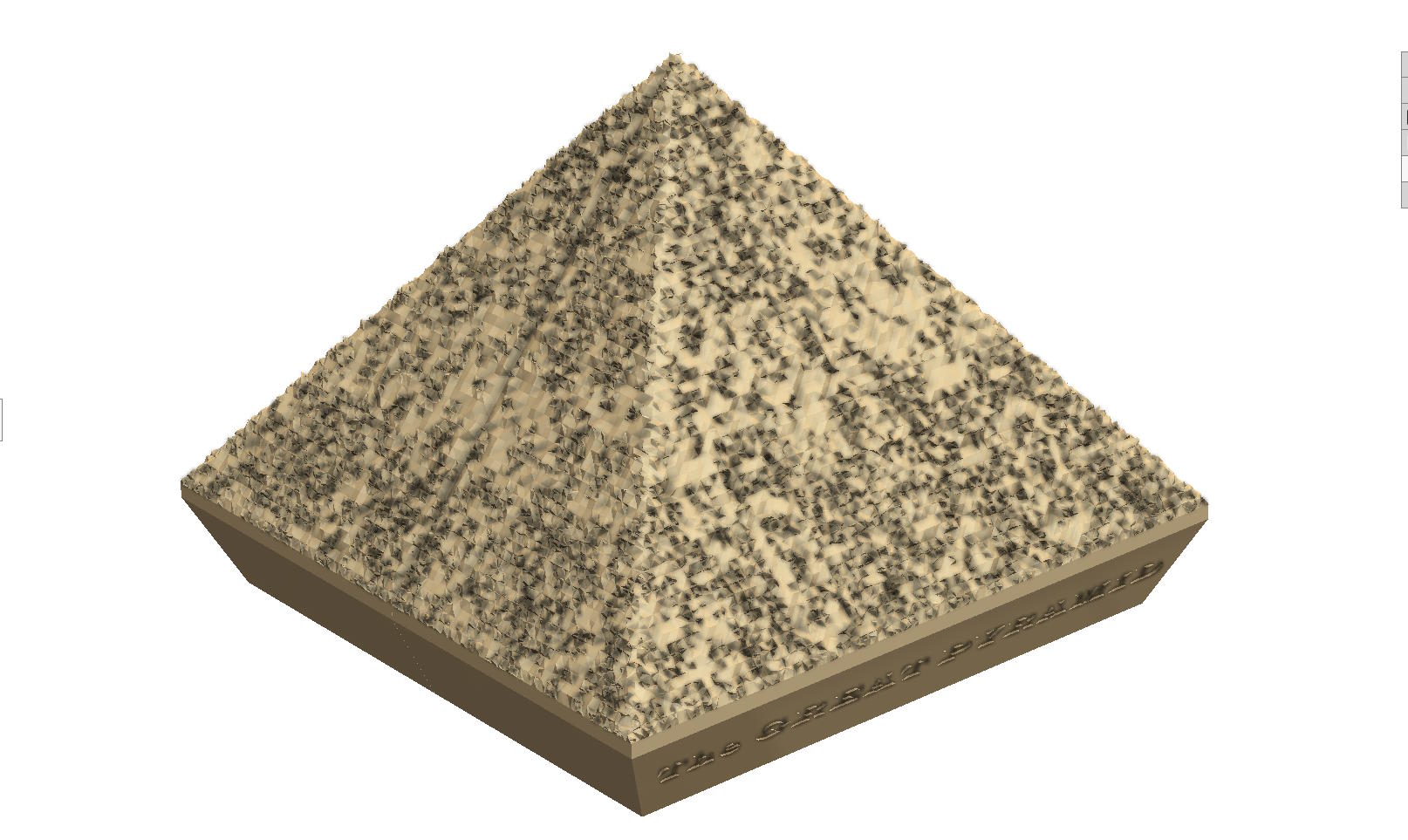
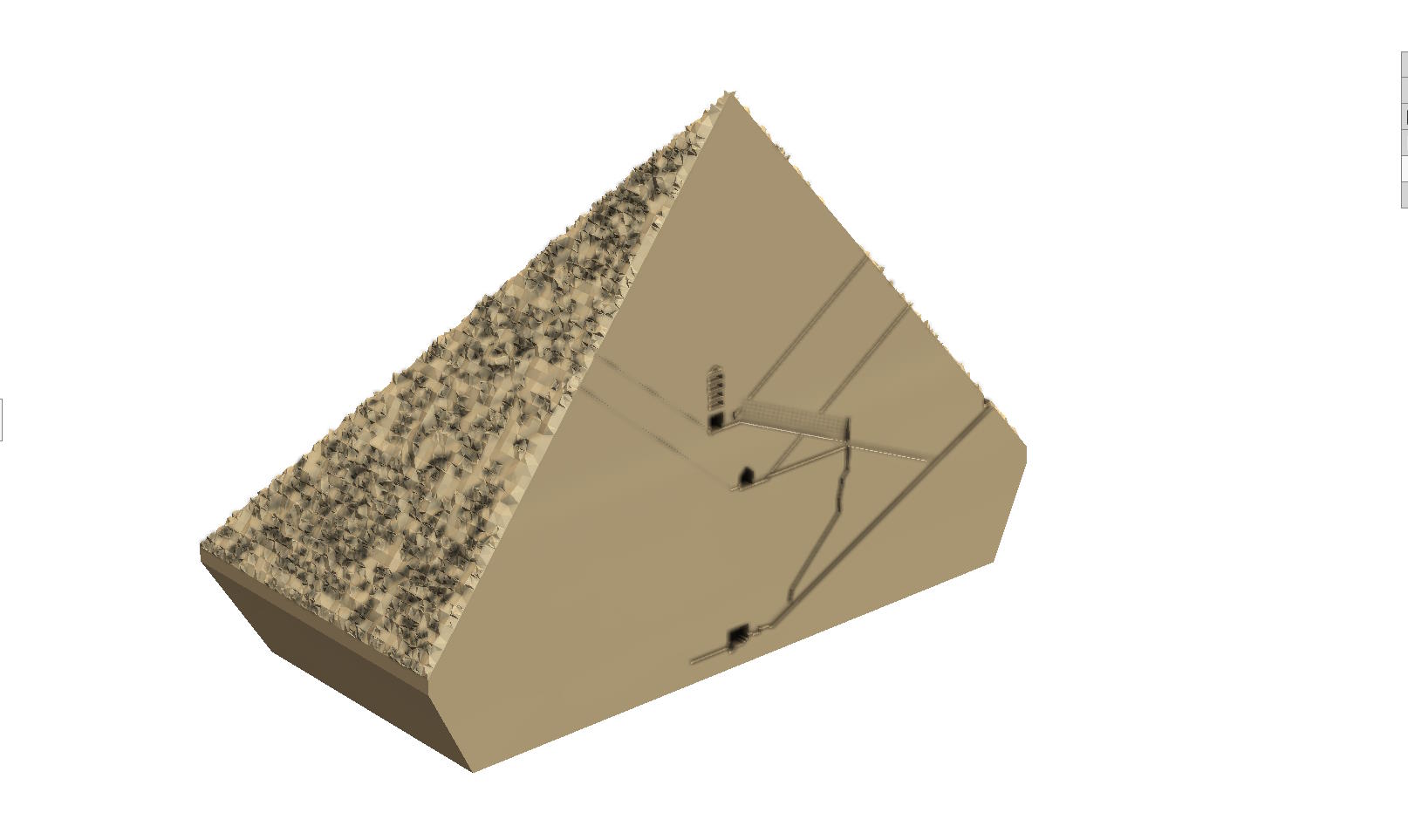
The Great Pyramid of Giza is a massive structure, standing at a height of 147 meters and covering an area of over 5 hectares. It was constructed using an estimated 2.3 million stone blocks, each weighing an average of 2.5 tons. The precision with which these blocks were cut and placed is astounding, with the joints between them so precise that a sheet of paper cannot fit between them. The fact that the structure has survived for over 4,500 years, despite numerous earthquakes and other natural disasters, is a testament to the quality of the construction.
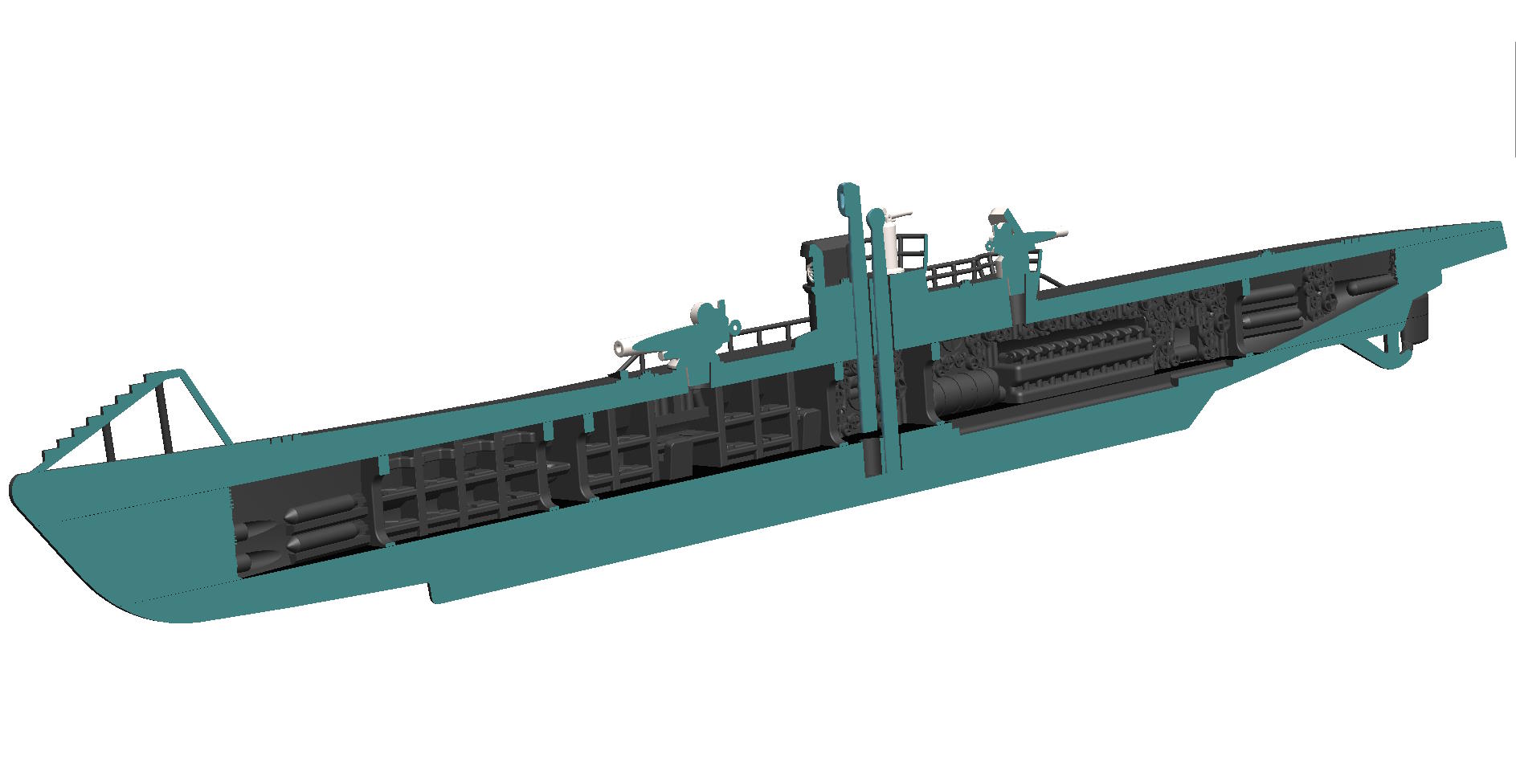
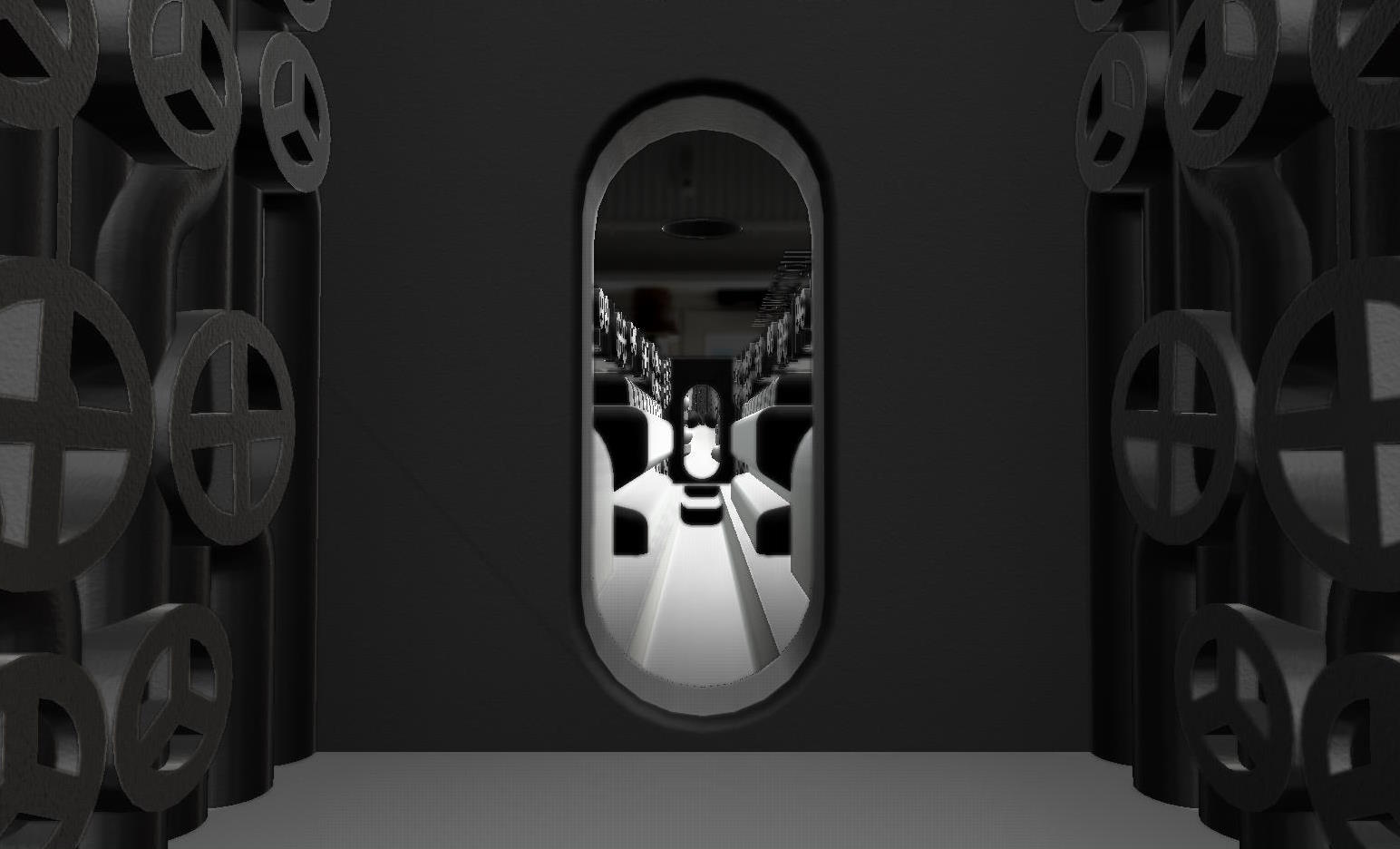
Here you can find a 3d printable type IX submarine with complete interior details.
And a 1m model with empty interior for RC and other projects.
First of all, what were they?
Type IX submarines were a class of German U-boats that served during World War II. Designed primarily for long-range missions in the Atlantic Ocean, these submarines were some of the most successful and versatile vessels in the German Navy.
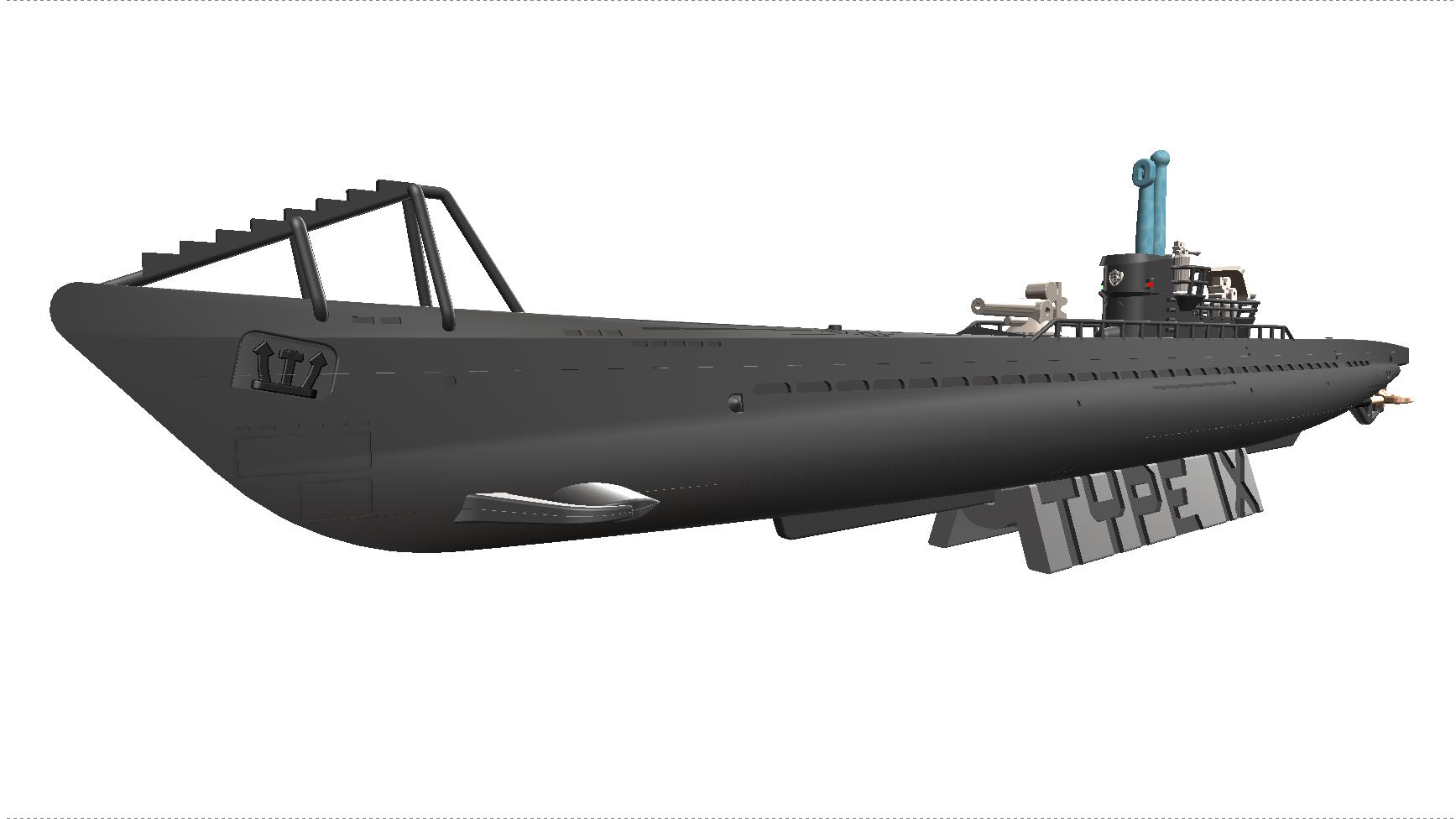
The Type IX submarines were built in three different variants, the first of which was the Type IXA. This variant had a length of 76.5 meters and could reach a maximum speed of 18.2 knots when surfaced and 7.7 knots when submerged. It had a range of 12,000 nautical miles and could carry up to 22 torpedoes.
Continue reading the article for free STL file to print your own type IX.
If you want our display model multi-piece, highest resolution STL pack, it’s here.
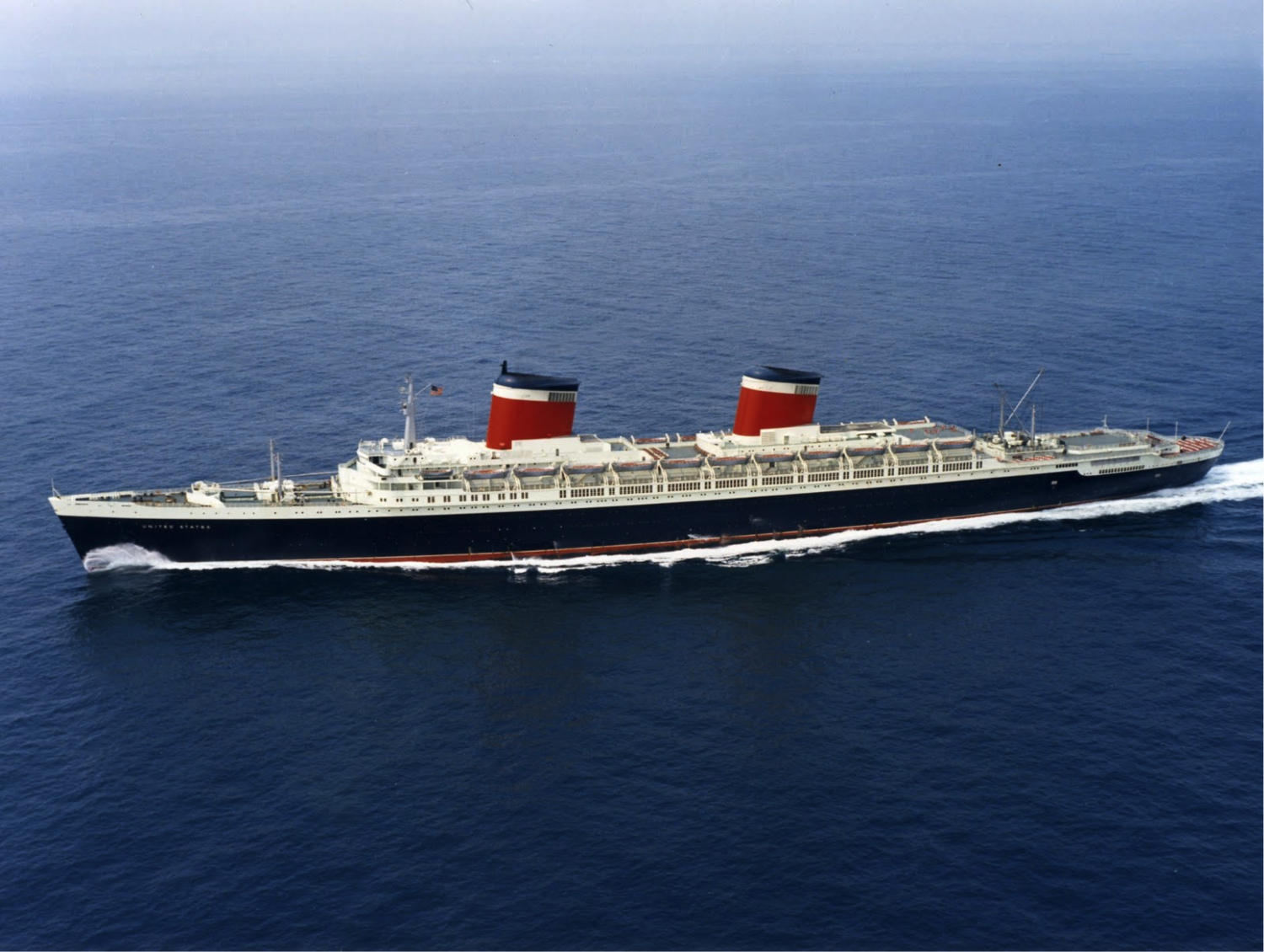
The SS United States was once the epitome of luxury travel. With its sleek design and state-of-the-art amenities, it was the go-to choice for celebrities, politicians, and even royalty. But these days, the ship is more of a relic than a travel destination. So, what happened to this once-great vessel? Well, let’s take a look.
Continue reading for more info and your free STL.
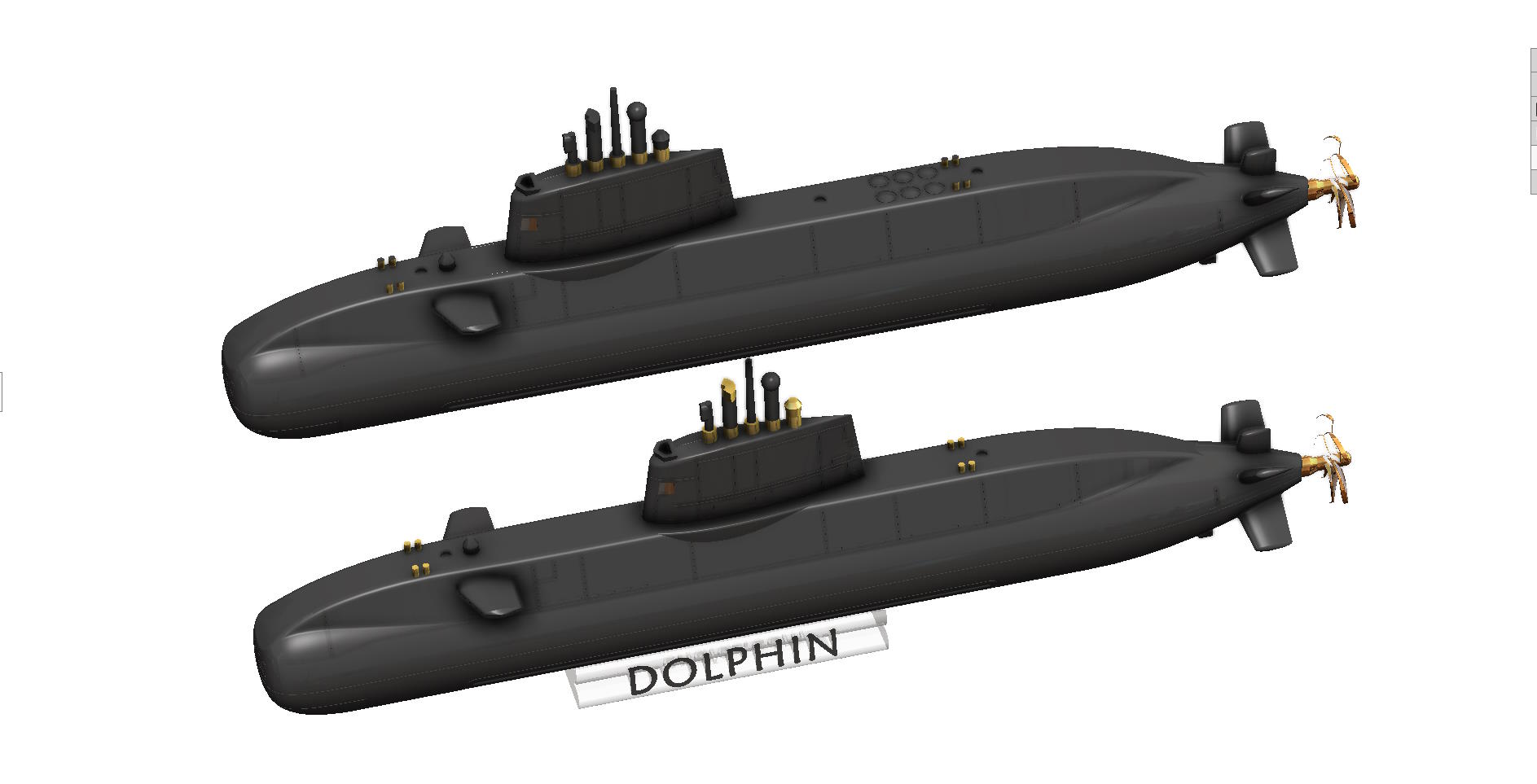
The Dolphin class (Hebrew: הצוללות מסדרת דולפין) is a diesel-electric submarine developed in Israel[6] and constructed by Howaldtswerke-Deutsche Werft AG (HDW) in Kiel, Germany, for the Israeli Navy.[7] The first boats of the class were based on the export-only German 209-class submarines, but modified and enlarged. The Dolphin 1 sub-class is slightly larger than the German NavyType 212 in length and displacement. The three newer air-independent propulsion (AIP) equipped boats are similar to the Type 212 vessels in underwater endurance, but are 12 metres (39 ft) longer, nearly 500 tonnes heavier in submerged displacement and have a larger crew than either the Type 212 or the Type 214. More info on Wikipedia.
This is a set of 3d models for 3d printing both Dolphin I and II submarines.
Continue reading for the free hi rez STL file, if you are in a hurry, you can get our multi-piece STL pack from here.
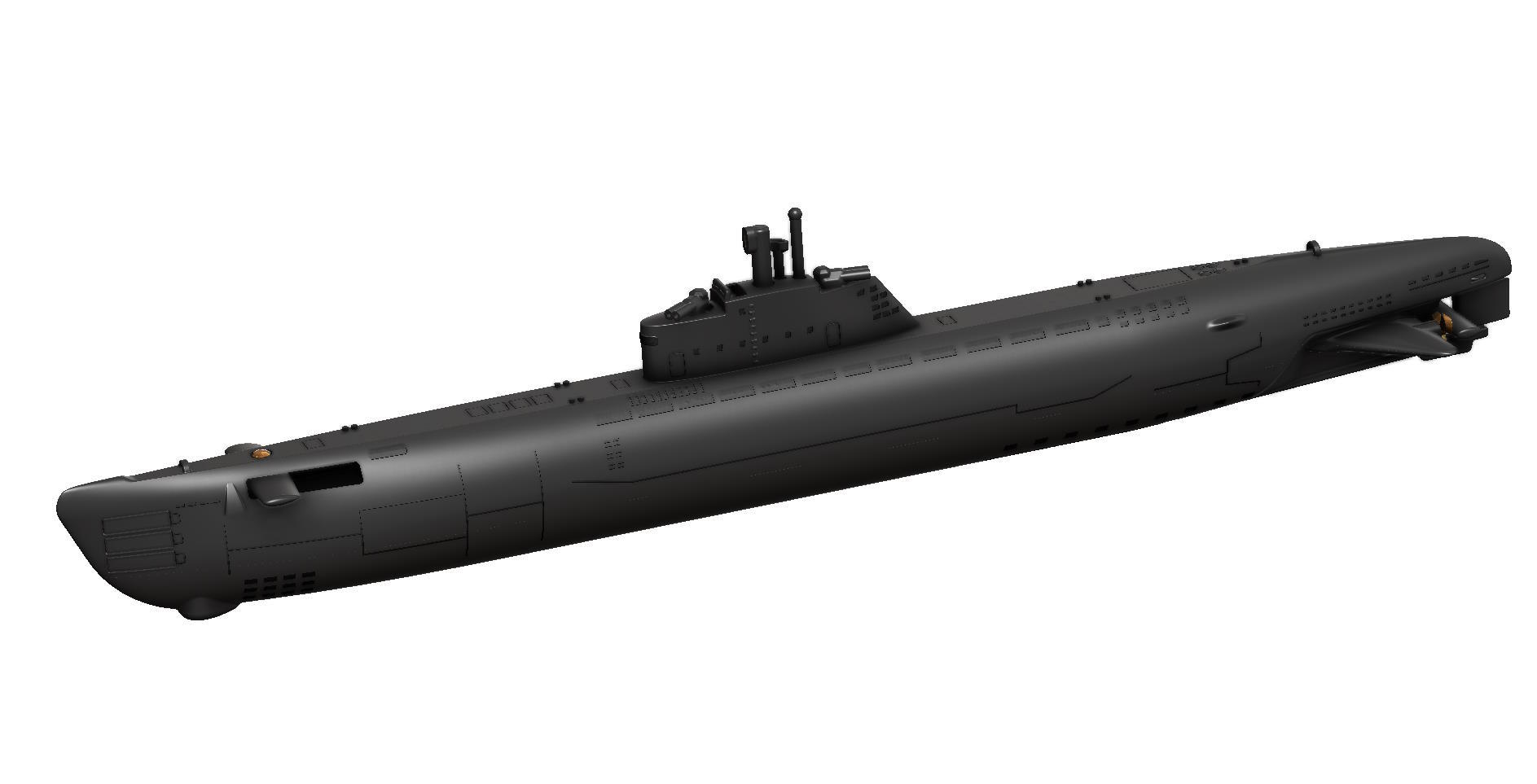
They were the first submarines designed to operate primarily submerged, rather than spending most of their time as surface ships that could submerge for brief periods as a means of escaping detection. They incorporated many batteries to increase the time they could spend submerged, to as much as several days, and they only needed to surface to periscope depth for recharging via a snorkel. The design included many general improvements as well: much greater underwater speed by an improved hull design, greatly improved diving times, power-assisted torpedo reloading and greatly improved crew accommodations. However, the design was also flawed in many ways, with the submarines being mechanically unreliable and vulnerable to combat damage. The Type XXI submarines were also rushed into production before design work was complete, and the inexperienced facilities which constructed the boats were unable to meet necessary quality standards. More info on Wikipedia.
This is a 3d printable model of the XXI class subs.
Free STL is in the artcle, quick get link to our STL pack.
Laika class Russian submarines, also known as the “puppy” class, are a curious bunch. They may not be the most advanced or powerful submarines in the Russian fleet, but they sure do have personality. Here are a few things you might not know about the Laika class:
First of all, the name “Laika” comes from the famous Russian space dog who was the first animal to orbit the Earth. It’s a fitting name, because the Laika class submarines are known for their small size and agility. They may not have the same firepower as some of the larger Russian subs, but they can slip in and out of tight spaces with ease.
Continue reading for the rest.
If you are in a hurry, you can get our improved STL pack from here.
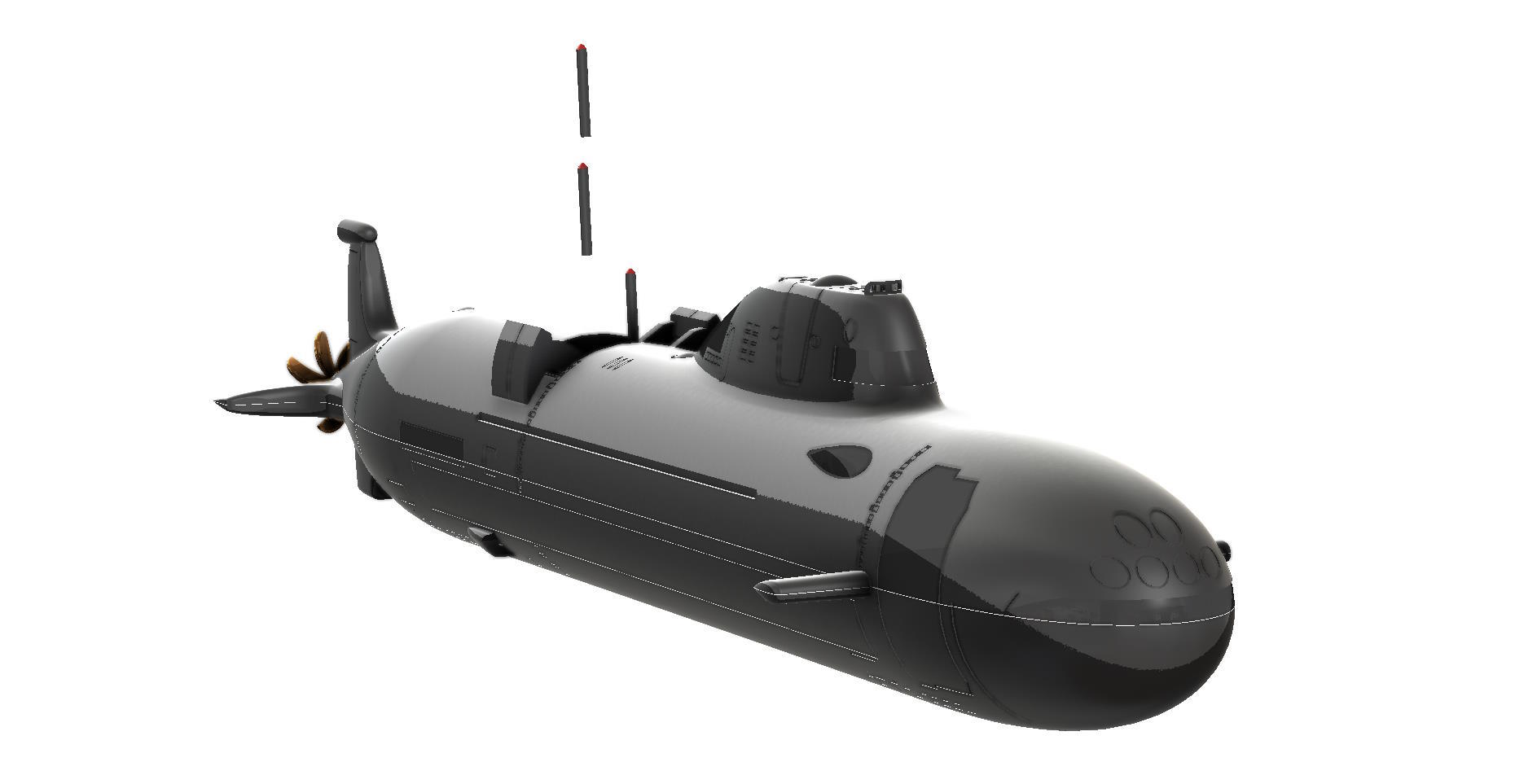
Ladies and gentlemen, hold onto your periscopes, because we’ve got a real treat for you today. Our website owner here has made a 3D model of the infamous Red October submarine. Yes, you heard that right. The submarine that almost started World War III, but with a funny twist.
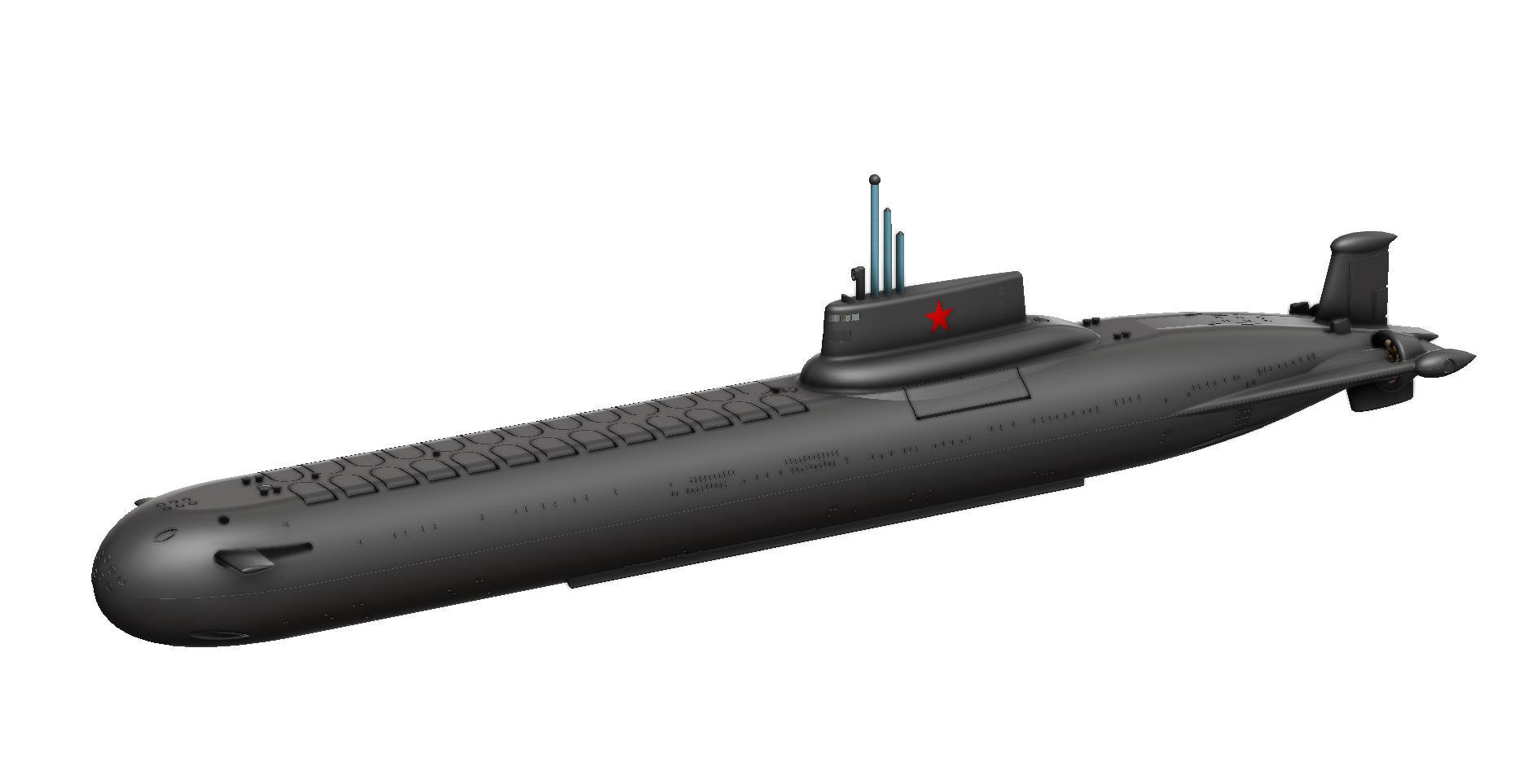
Now, I know what you’re thinking. “Why on earth would someone make a 3D model of a Russian submarine that doesn’t even exist?” Well, dear website visitors, I’ll tell you why. It’s because our website owner here has a serious obsession with all things submarine-related. And who can blame him? Submarines are basically like underwater spaceships, and who wouldn’t want to make a model of that? Before the model, lets talk about the movie first.

In 1990, Hollywood brought us the classic Soviet submarine thriller, “The Hunt for Red October.” Starring Sean Connery as a Russian submarine captain and Alec Baldwin as a CIA analyst, the film was a gripping Cold War tale of espionage and intrigue. But let’s be honest, it was also pretty darn funny.
For starters, the accents in this movie are absolutely hilarious. Sean Connery, a Scotsman, plays a Russian submarine captain who speaks English with a thick Scottish brogue. Meanwhile, Baldwin, an American, tries to sound like a Bostonian CIA analyst. The result is a lot of “Yahd” and “Cah” and “Pahked Cahs” that will have you giggling like a school kid.
But it’s not just the accents that make “The Hunt for Red October” such a comedic masterpiece. The film also has some truly ridiculous plot points. For example, at one point, the Russian submarine actually hides itself in the underwater canyons of the Atlantic Ocean. Because apparently, submarines can just disappear in a few hundred feet of water, no problem.
Continue reading for downloading the single piece hi rez STL. There is also a multi-piece version for easy printing and obtaining a model with animated parts, opening missile silo doors, escape pods, dive planes, propellers. You can get it from here. We also have a 1.2m R/C compatible model, here it is.
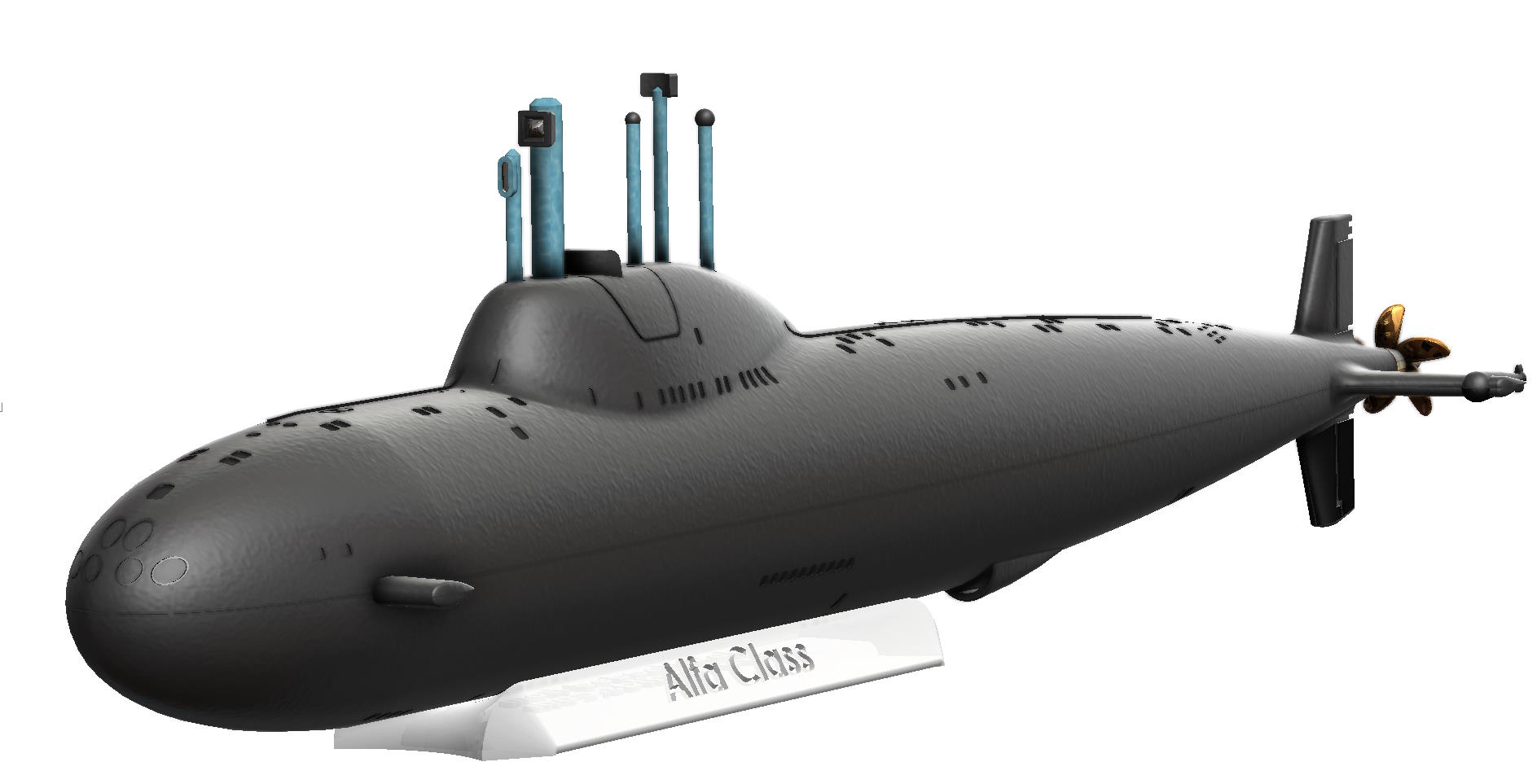
Alfa class submarines were a series of nuclear-powered submarines developed and manufactured by the Soviet Union during the late 1970s and early 1980s. These submarines represented a major leap forward in submarine design and technology and were considered among the most advanced submarines of their time.
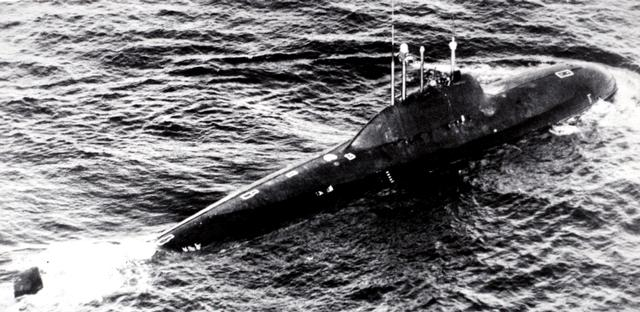
The Alfa class was designed for high-speed, deep-diving operations and was equipped with a state-of-the-art nuclear power plant that allowed the submarines to remain underwater for extended periods of time without the need to surface for air or refueling. The hull of the Alfa was made of high-strength steel and titanium. It was designed to withstand extreme water pressures at great depths, making these submarines ideal for deep-water operations.
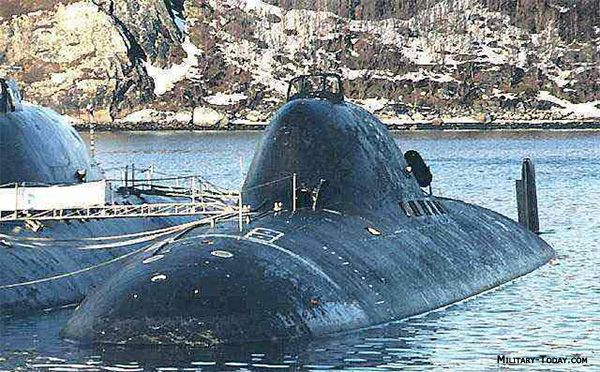
One of the most distinctive features of the Alfa class was its innovative propulsion system. The submarines were powered by a liquid metal-cooled nuclear reactor that generated steam to drive a pair of high-speed turbines. This propulsion system allowed the Alfa class to achieve high speeds and excellent maneuverability, even at great depths. The submarines were also equipped with advanced sonar and radar systems, as well as a sophisticated fire control system that made them highly effective in both offensive and defensive operations.
Continue reading for more renderings and STL files.