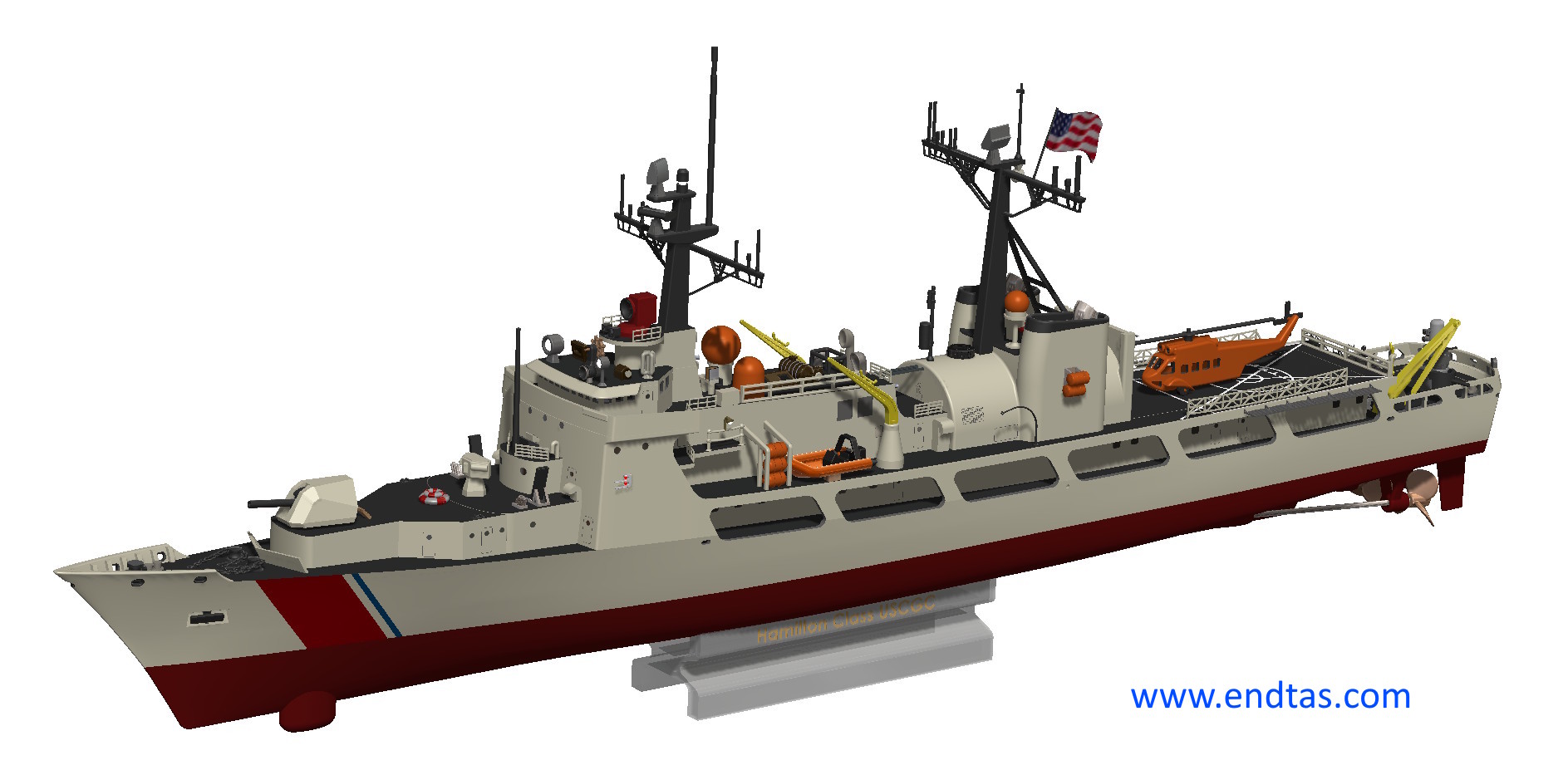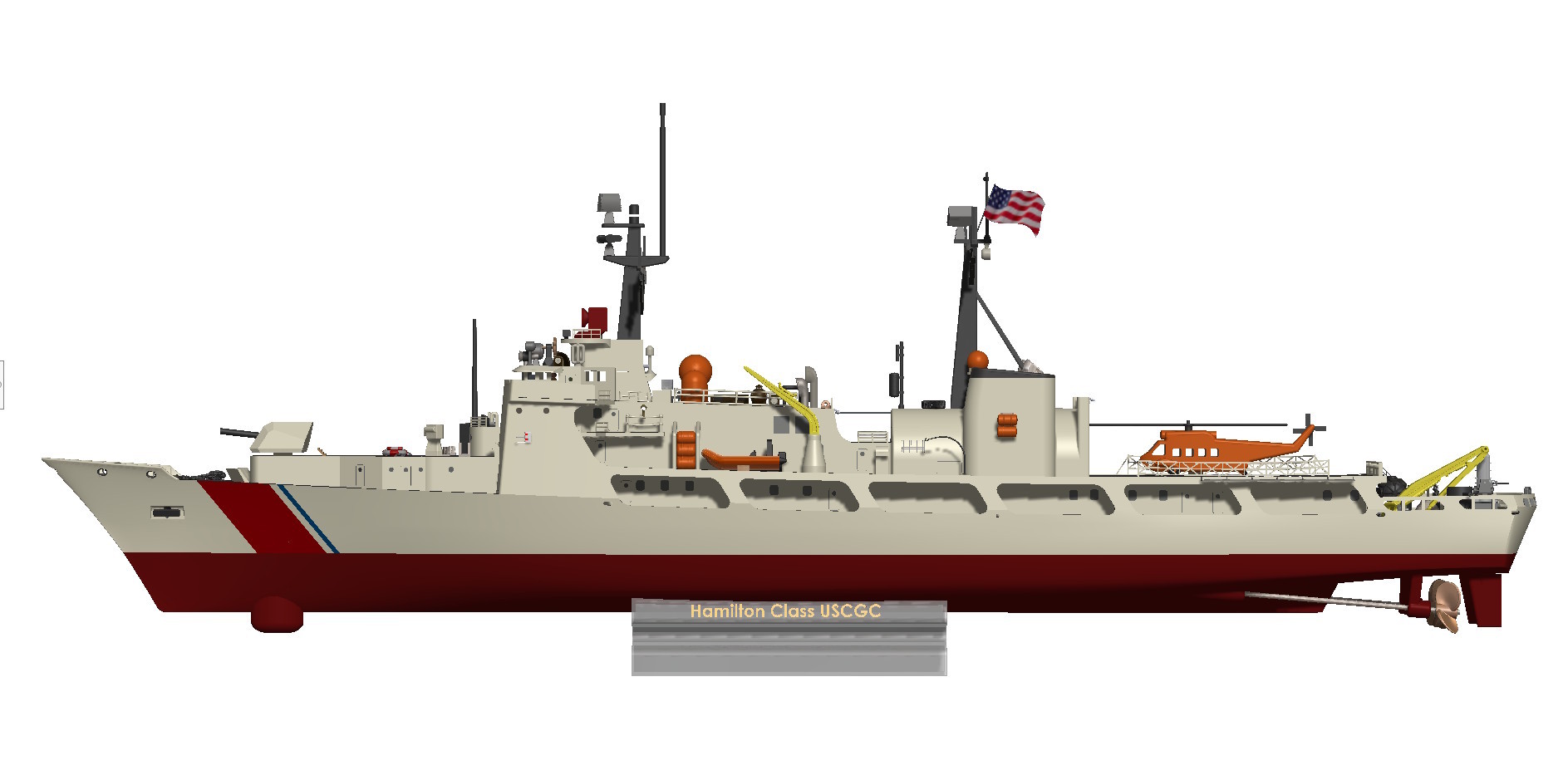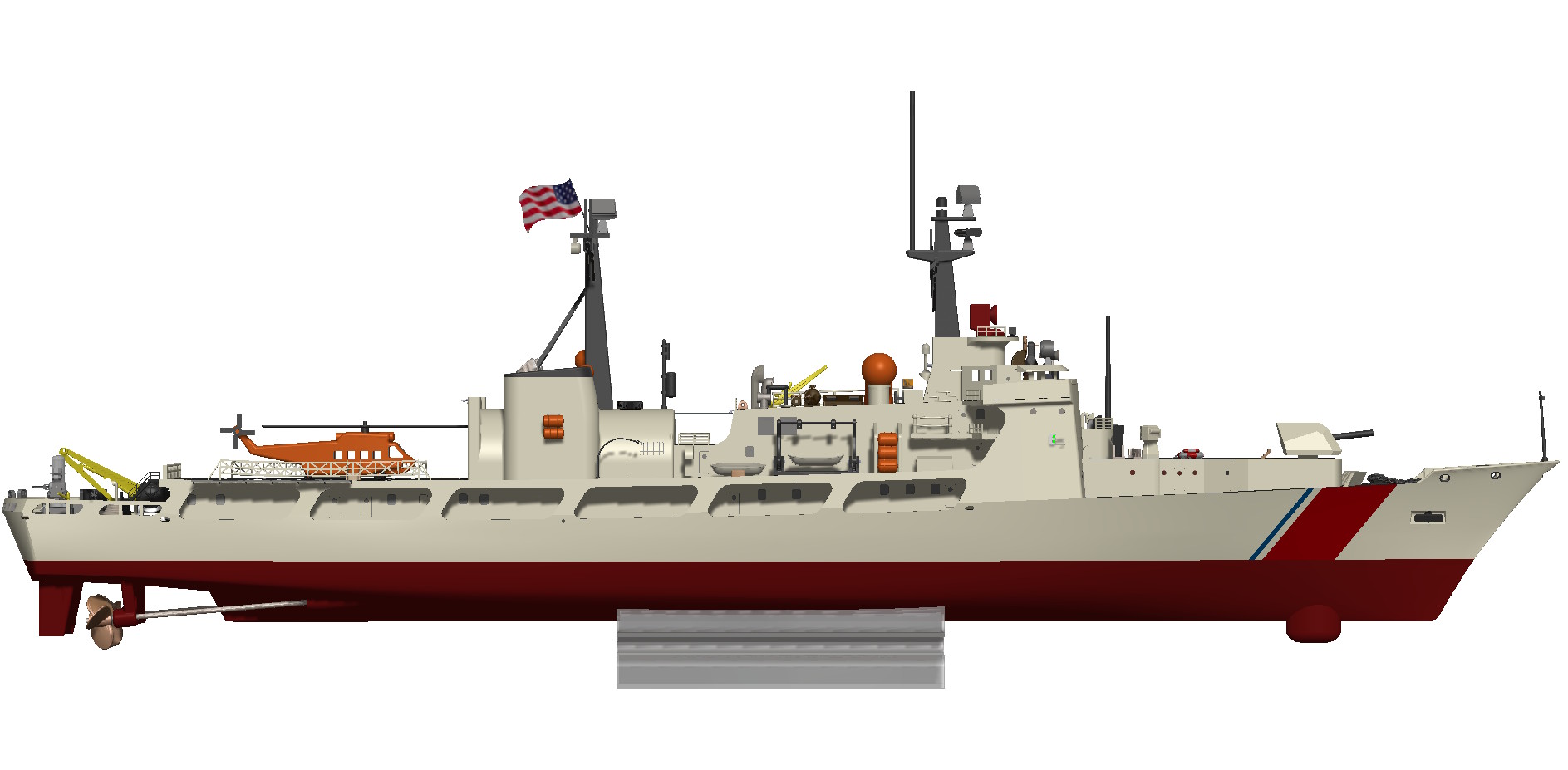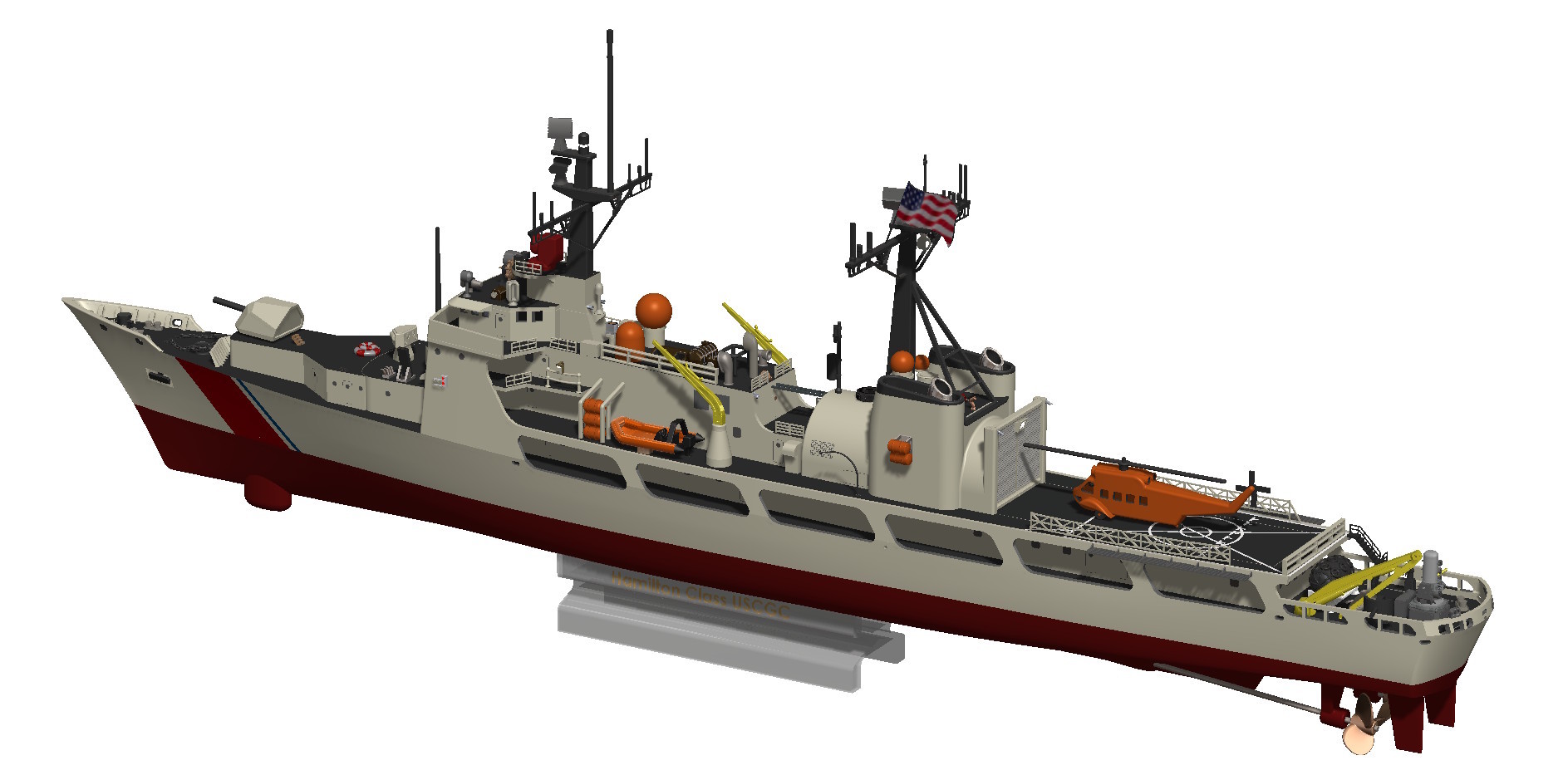
Freedom-Class Littoral Combat Ship

A New Kind of Warship

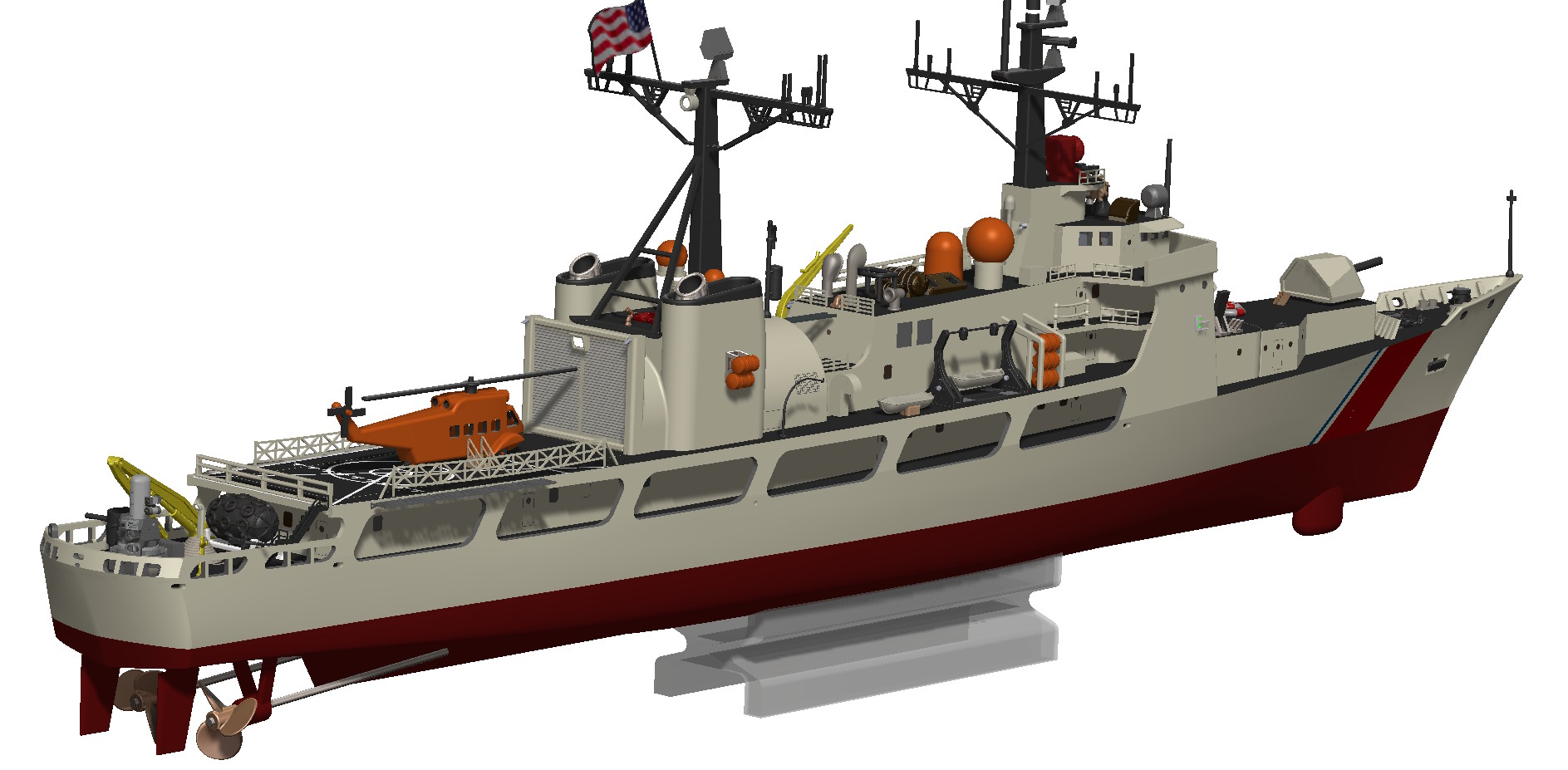
When the United States Navy introduced the Littoral Combat Ship concept in the early 2000s, it represented a fundamental rethinking of what a modern surface combatant could and should be. Traditional warships were large, heavily armed, and designed for blue-water operations far out at sea. The LCS was conceived for an entirely different environment — the littoral zone, the shallow coastal and near-shore waters where conventional warships struggle to operate effectively, yet where a growing number of real-world threats were emerging. Fast, nimble, and built around a modular mission system architecture, the LCS was envisioned as a vessel that could be rapidly reconfigured for entirely different combat roles depending on the threat — surface warfare one week, mine countermeasures the next, anti-submarine operations the week after.

The Freedom Class is one of two LCS variants developed for the US Navy, built by Lockheed Martin and Fincantieri Marinette Marine at their Wisconsin shipyard. Where its sister variant, the Independence Class, adopted a radical trimaran hull form, the Freedom Class took a more conventional semi-planing monohull approach — sleek, fast, and remarkably capable for its size. Displacing around 3,900 tons at full load and stretching just under 116 meters in length, Freedom-Class ships are powered by a combined diesel and gas turbine propulsion system driving quadruple waterjets, allowing them to reach speeds well in excess of 40 knots — making them among the fastest warships of their displacement in any navy in the world.

Continue reading for more info or here are the purchase links of the model.

Version with multiple water jet and propeller propulsion options.

Version with propeller propulsion option only, no water jets.

Read more

Thornycroft Coastal Motor Boat 55ft

Britain’s Secret Weapon of the Seas

From World War I Torpedo Raider to Modern 3D-Printed RC Model


Origins: A Bold Idea from Junior Officers

Few naval weapons have such an unlikely origin story as the Coastal Motor Boat (CMB). In the summer of 1915, three junior officers of the Harwich Striking Force — Lieutenants Hampden, Bremner, and Anson — hatched an audacious proposal: could a small, fast motor boat, armed with a torpedo, travel over enemy minefields and attack Imperial German Navy ships at anchor in their heavily defended bases?

The Admiralty gave tentative approval, and a Staff Requirement was issued for a new type of vessel to serve in the North Sea. The specifications were demanding. The boat had to be capable of at least 30 knots when fully loaded, carry enough fuel for a meaningful radius of action, and be armed with torpedoes, depth charges, or mines, supplemented by light machine guns. Several established shipbuilders were approached, but only one company believed the requirement could actually be met: John I. Thornycroft & Company.

Continue reading or quickly proceed to model’s purchase page on our Cults3D account.

Read more

Thornycroft Coastal Motor Boat 70ft

Speed, Innovation, and Our 1:16 Scale RC-Ready Model

At the dawn of modern naval warfare, speed became a weapon in its own right. Among the earliest and most daring embodiments of this philosophy were the Thornycroft Coastal Motor Boats (CMBs)—lightweight, high-speed attack craft developed by John I. Thornycroft & Company during the First World War.

Designed for surprise torpedo attacks against much larger enemy ships, CMBs were radical machines for their time. Built with lightweight wooden hulls and powered by powerful petrol engines, they achieved remarkable speeds while maintaining a shallow draft suitable for coastal and confined operations. Their missions required precision, courage, and mechanical reliability. These boats were not built for comfort or endurance—they were built for speed and impact.

Continue reading for more info and renderings, or visit our page on Cults3d to purchase this model.

Read more

Dingyuan-Class Chinese Ironclad Battleship RC

A 1-Meter Articulated Mega Model: Pride of Imperial China Reborn in 3D, now completely RC-Ready

The late 19th century was an era of iron, steam, and unprecedented naval ambition. As European powers carved their empires across the globe with steam-powered fleets, the Qing Dynasty faced a stark choice: modernize or perish. The result was one of the most remarkable warships ever to sail under the Chinese flag—the Dingyuan-class ironclad battleship. Now, through the precision of modern 3D printing technology, this engineering marvel has been reborn as a meticulously detailed, fully articulated one-meter model that captures both the grandeur and the tragedy of Imperial China’s greatest naval endeavor.

Continue reading for more information, renderings and historic photos

or proceed directly to purchase page on our Cults3D.
Read more

Offshore Tug Azimuth Propelled RC

A One-Meter Mega Project for Serious Builders

Offshore support vessels are among the most visually striking and mechanically complex working ships ever built. Designed to operate in harsh conditions, support offshore energy infrastructure, and perform demanding towing and handling tasks, these vessels combine raw power with dense, highly functional deck layouts. Our Offshore Tug – Premium 1-Meter 3D Printable Mega Project is inspired by this world, drawing clear lineage from the well-known ESVAGT Dana while intentionally reinterpreting and optimizing the design for advanced 3D printing and long-term model building.

At approximately one meter in length, this model is conceived as a flagship project rather than a quick build. The overall proportions, superstructure arrangement, and general character unmistakably echo the real vessel, but many surface details, structural solutions, and interfaces have been deliberately adjusted. These changes improve printability, increase durability, and make the assembly process more forgiving at large scale. The model with its functional azimuth thrusters, fully RC-READY.

Buy the model from here or continue reading for more information, and renderings.

Read more

SS Arthur M. Anderson

A Great Lakes Workhorse Reimagined in 3D

The Arthur M. Anderson is one of the most recognizable bulk carriers ever to sail the Great Lakes. Built during an era when industrial capability, endurance, and sheer physical presence defined commercial vessels, the Anderson represents a class of ships designed not for elegance, but for reliability and relentless service. For decades, she operated in demanding freshwater conditions, hauling iron ore and bulk cargo through narrow channels, heavy weather, and long seasonal cycles. Her story is inseparable from the working history of the Great Lakes and the communities and industries that depended on them.

Continue reading for more info or CLICK HERE for the purchase page on Cults3d.

If you are looking for our SS Edmund Fitzgerald model CLICK HERE.

Read more

Modular 3D Model File Packs for Serious Ship Modelers

We design 3D model file packs as reusable engineering libraries rather than single-use kits. Our approach is based on modularity, mechanical believability, and long-term value: once added to your digital workshop, these packs can be reused across multiple projects, scales, and eras. Whether you are building a historic sailing ship, a Cold War submarine, or a modern offshore vessel, our file packs are designed to integrate naturally into your workflow and expand what you can create.

You can check them out at our Cults3D page. Or continue reading for more information, renderings and download links to specific accesory packs.

Read more

CSS Neuse

Ironclad History Reimagined in 3D

The CSS Neuse remains one of the most compelling vessels of the American Civil War—an ambitious Confederate ironclad that, despite never fulfilling her intended combat role, gives modern historians an extraordinary window into 19th-century naval engineering under extreme resource constraints. Built on the Neuse River in North Carolina, the vessel featured a shallow-draft hull, a heavily armored sloped casemate, and twin Brooke rifles meant to challenge Union naval dominance.

Continue reading for more information and renderings.

Or you can proceed to our purchase page on Cults3D to get this model.

Read more

Sectioned Ship-of-the-Line Model

130-Gun Warship Cross-Section

This detailed sectioned model is based on two of the 19th century’s greatest first-rate warships: the French Montebello and the Ottoman Mahmudiye. Using structural cues from both vessels, the design captures the architecture of a 130-gun, three-deck ship of the line while presenting its interior through an elegant open cross-section.

Continue reading or proceed to our purchase page at cults3D to get this model.

Read more

AH-12 Class Offshore Tug

High-Detail 3D Printable Model Inspired by KL Saltfjord

Our AH-12 model has been updated to RC-READY level.

Powerful, compact, and built for some of the toughest maritime tasks, the AH-12 class offshore tugs have become a recognizable form in the world of ocean-handling operations. Our model draws direct inspiration from the KL Saltfjord, a capable and modern anchor-handling tug that features a strong working profile, high maneuverability, and the rugged equipment sets expected from vessels that routinely operate in harsh seas. The KL Saltfjord’s broad beam, elevated superstructure, reinforced bow, and heavy-duty winch deck all serve as distinctive hallmarks of this class of vessels—ideal shapes for a detailed and technically satisfying 3D model. Our AH-12 interpretation blends the recognizable lines of these real-world workhorses with optimizations tailored specifically for 3D printing, resulting in a model that honors the industrial design while remaining practical for makers.

Continue reading for your free display model or proceed to our purchase page on Cults3D to get the full model consisting of 170+ separate parts.

Read more