Canopus Class Battleships

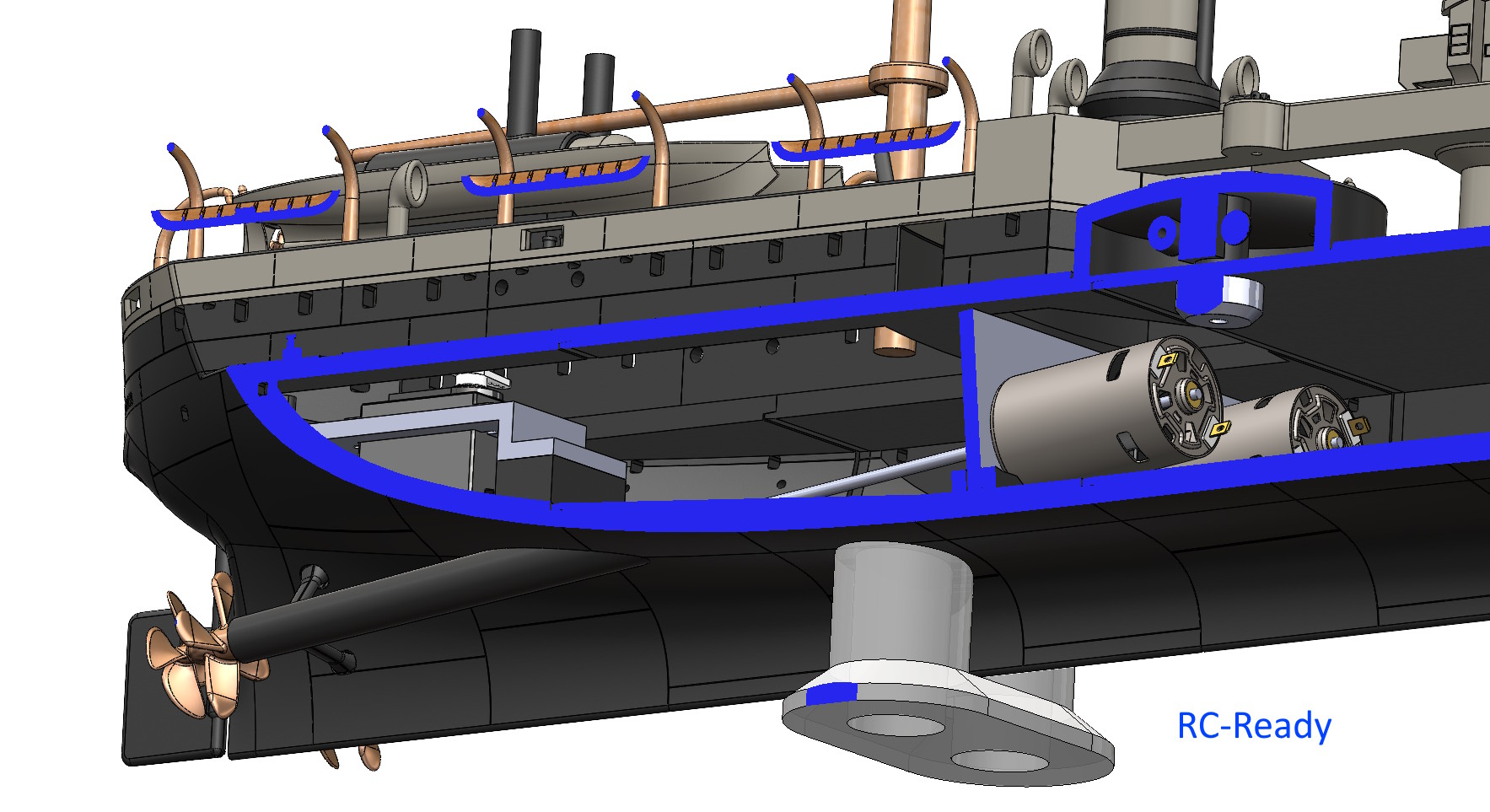
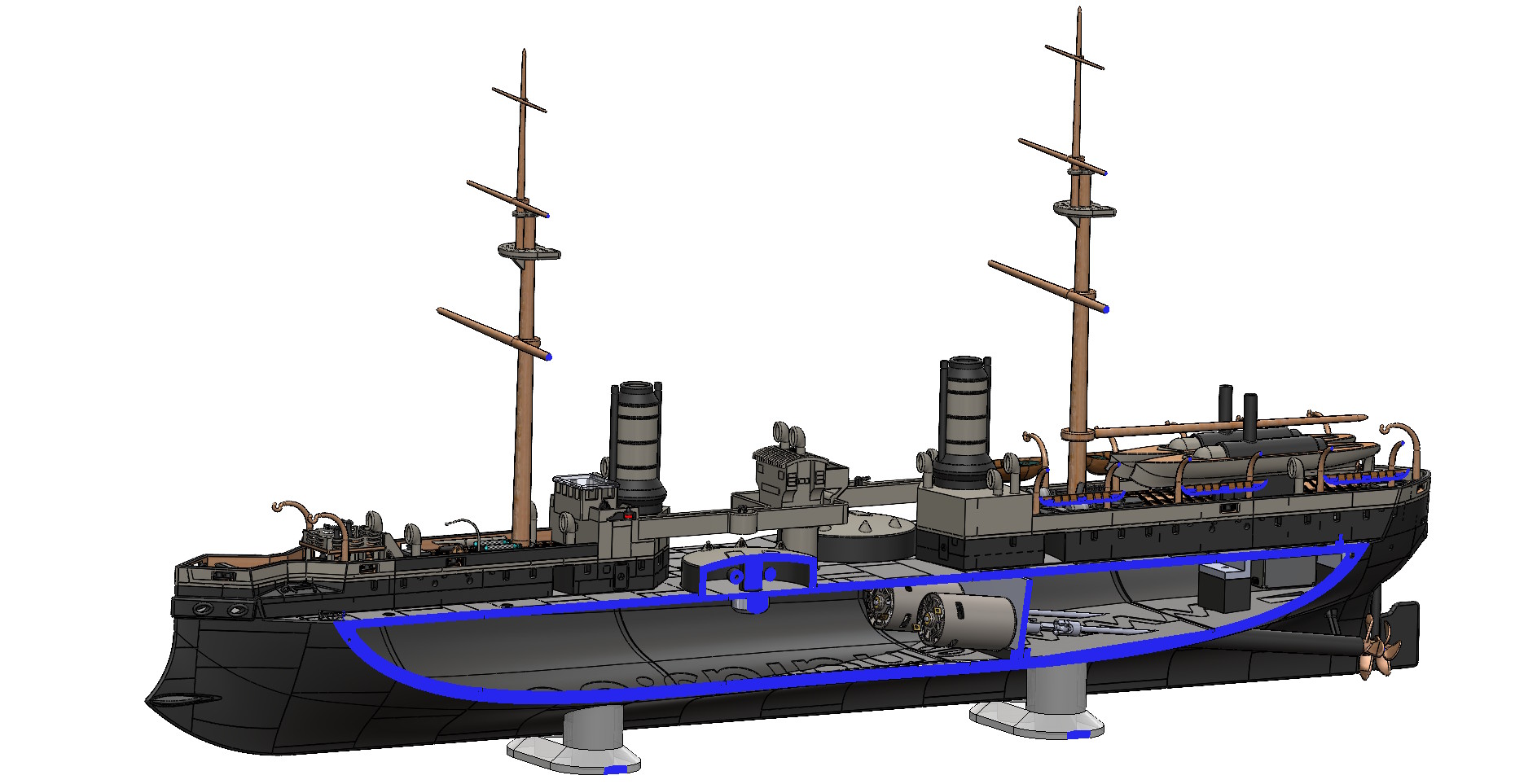
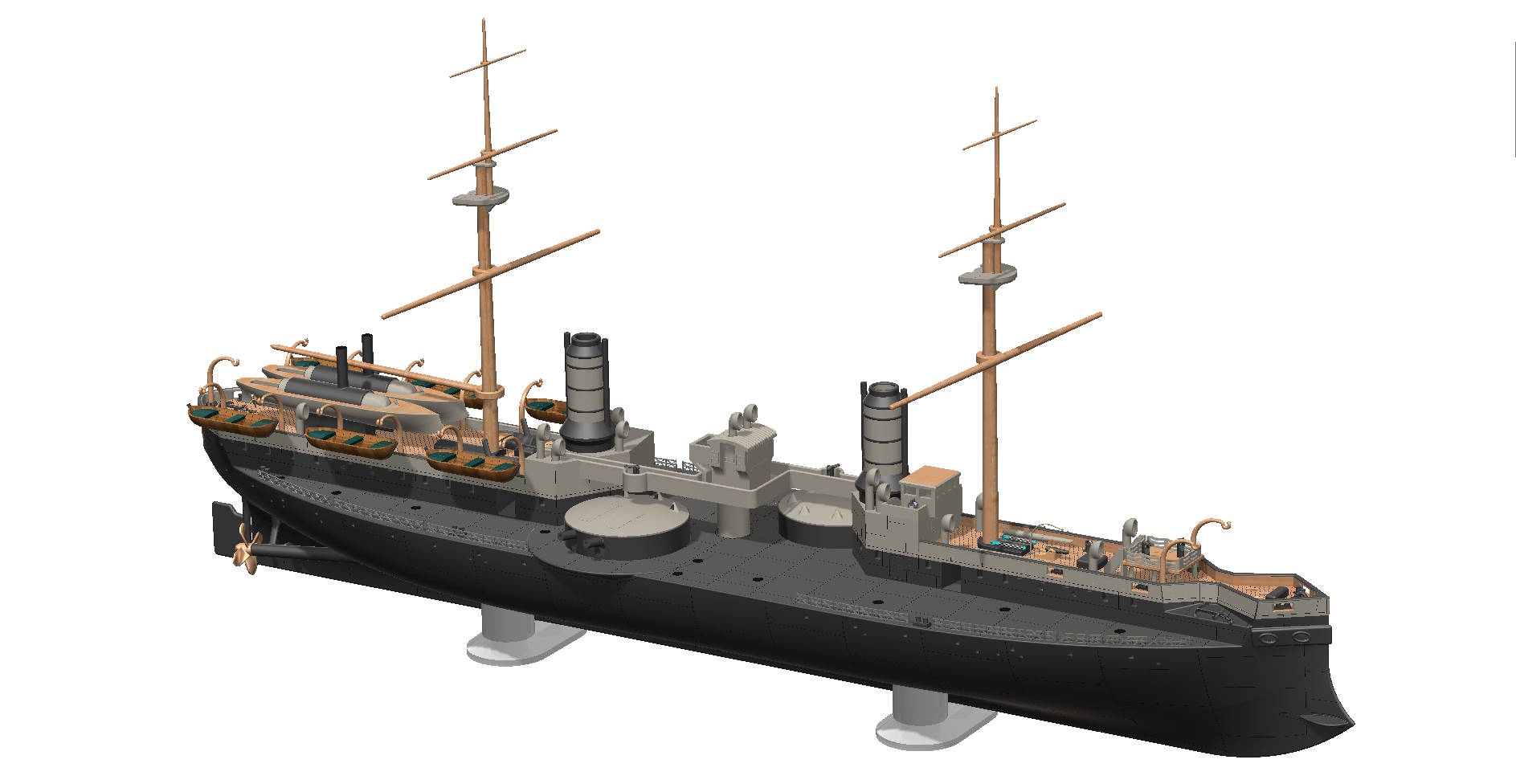
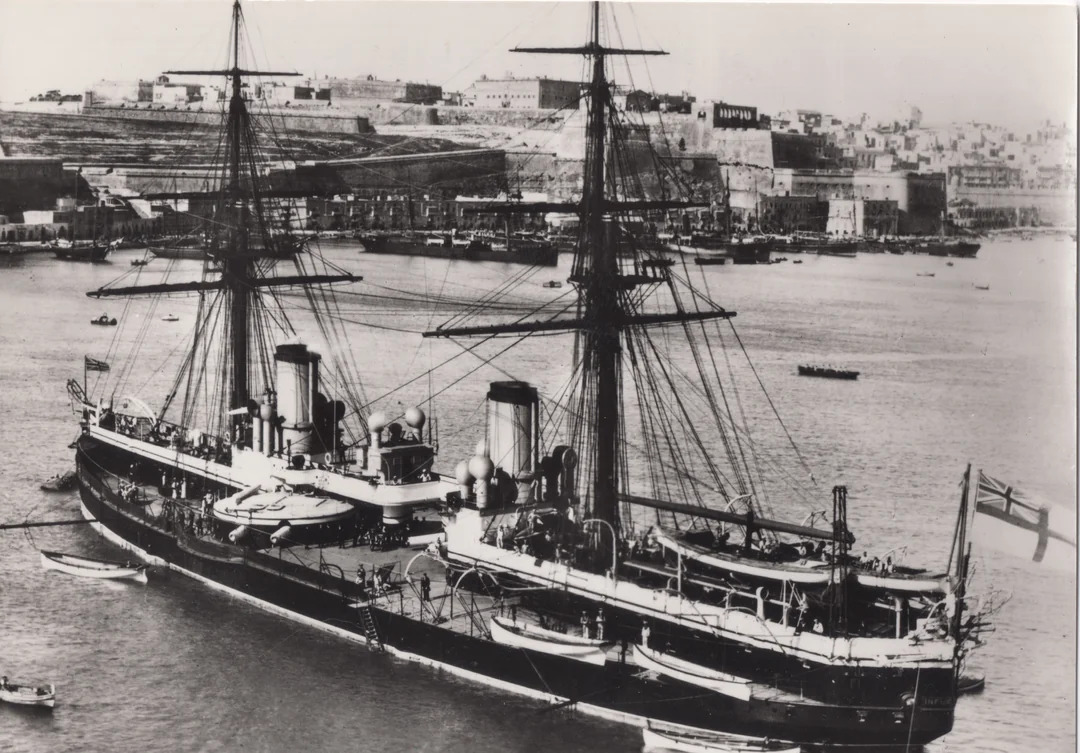
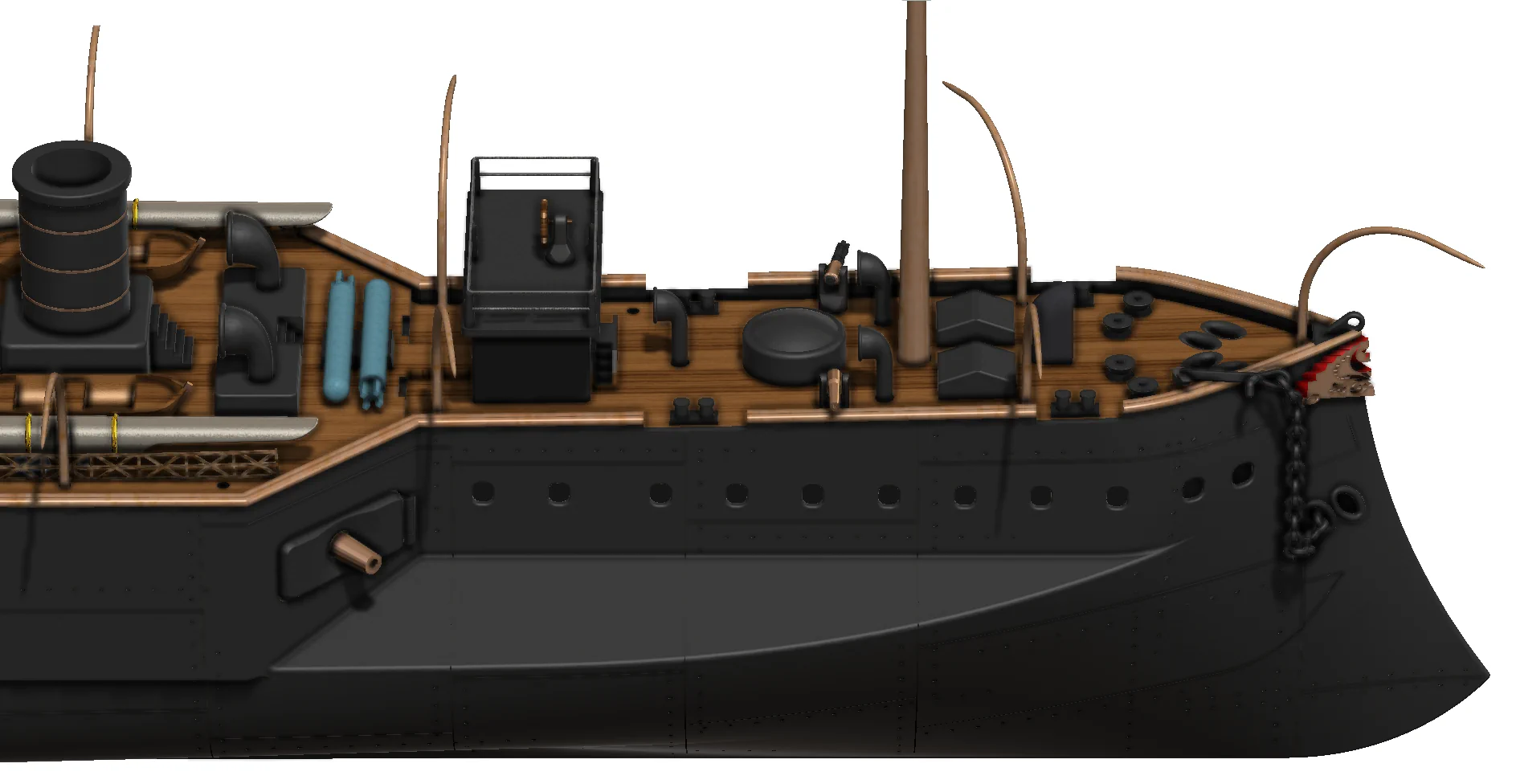
The HMS Canopus was part of a fascinating era in naval history, representing the might of the Royal Navy at the turn of the 20th century. She was the lead ship of the Canopus-class battleships, a class known for its balance of firepower, armor, and speed, crafted with the intention of projecting British naval power across the globe, especially in far-flung colonial waters.
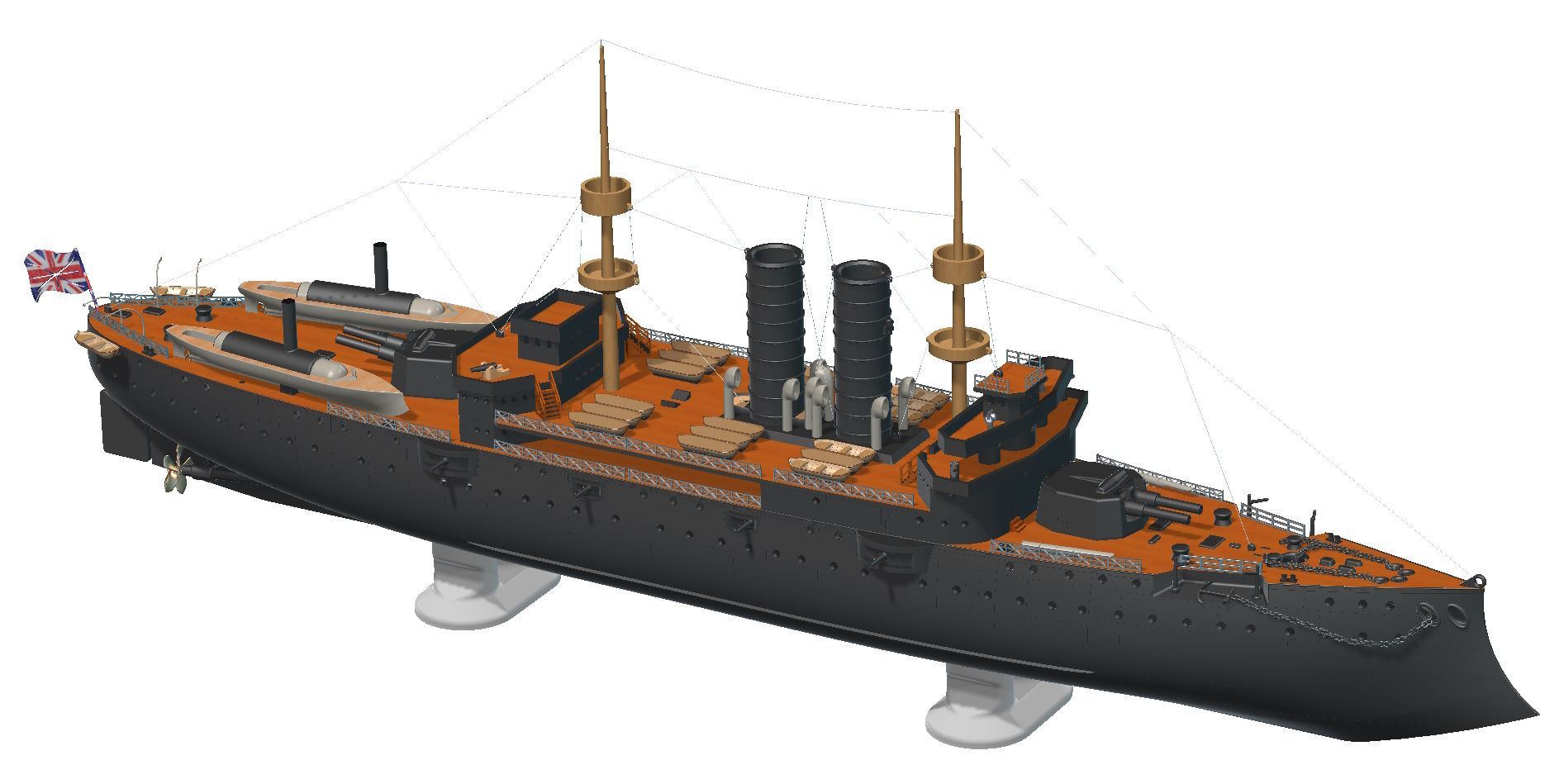
Launched in 1897, HMS Canopus and her five sister ships—Albion, Goliath, Glory, Ocean, and Vengeance—were designed to be faster and more agile than their predecessors. This was achieved in part by reducing their overall armor thickness compared to previous classes but compensating with advanced Krupp steel, which provided better protection without the extra weight. Their slimmer form, combined with a more efficient engine system, meant they could reach a respectable top speed of 18 knots—crucial for the fast-paced, far-reaching duties of the British Empire.

You can get the model file pack from here or continue reading for the rest of the article and a free STL file.
Read more

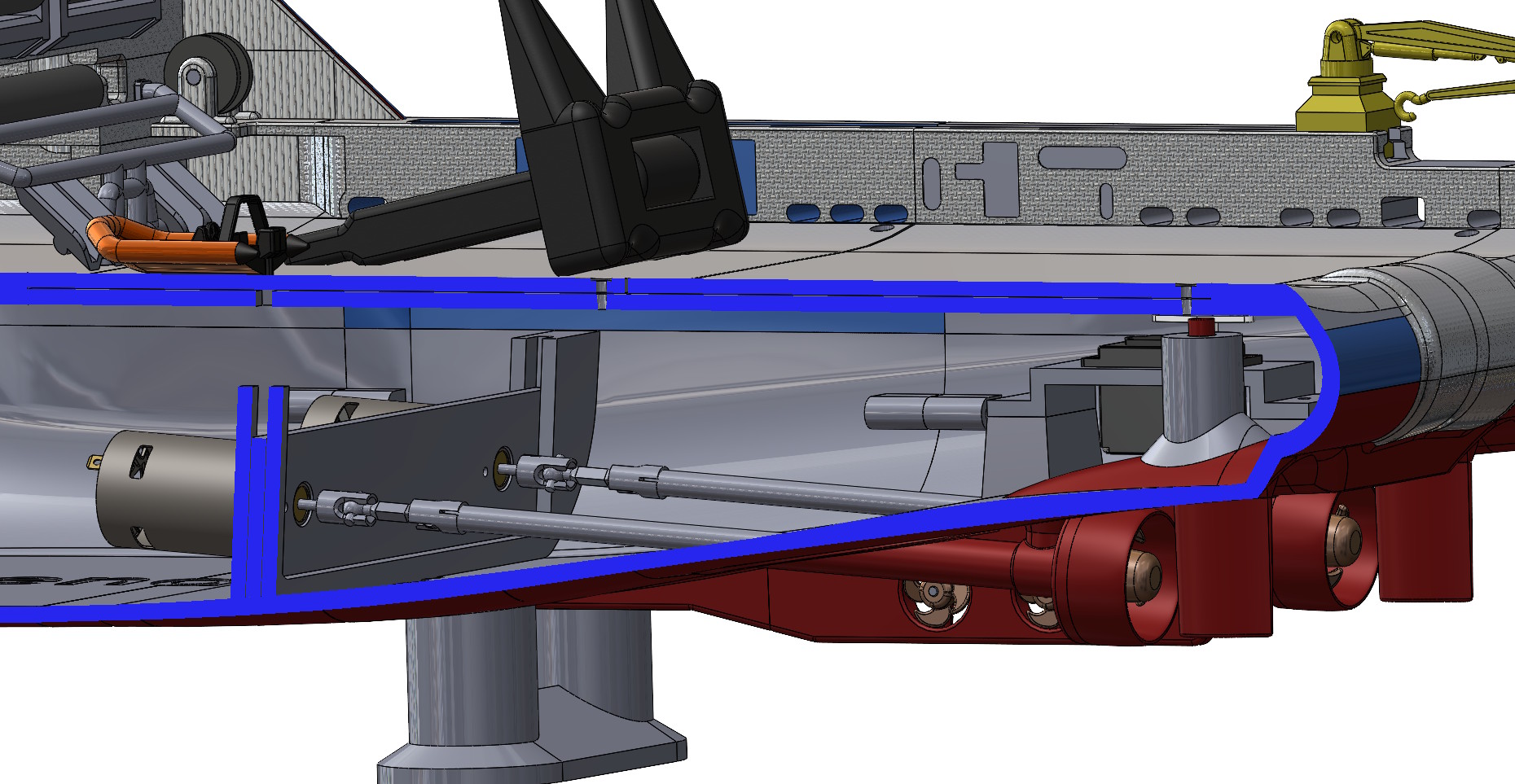
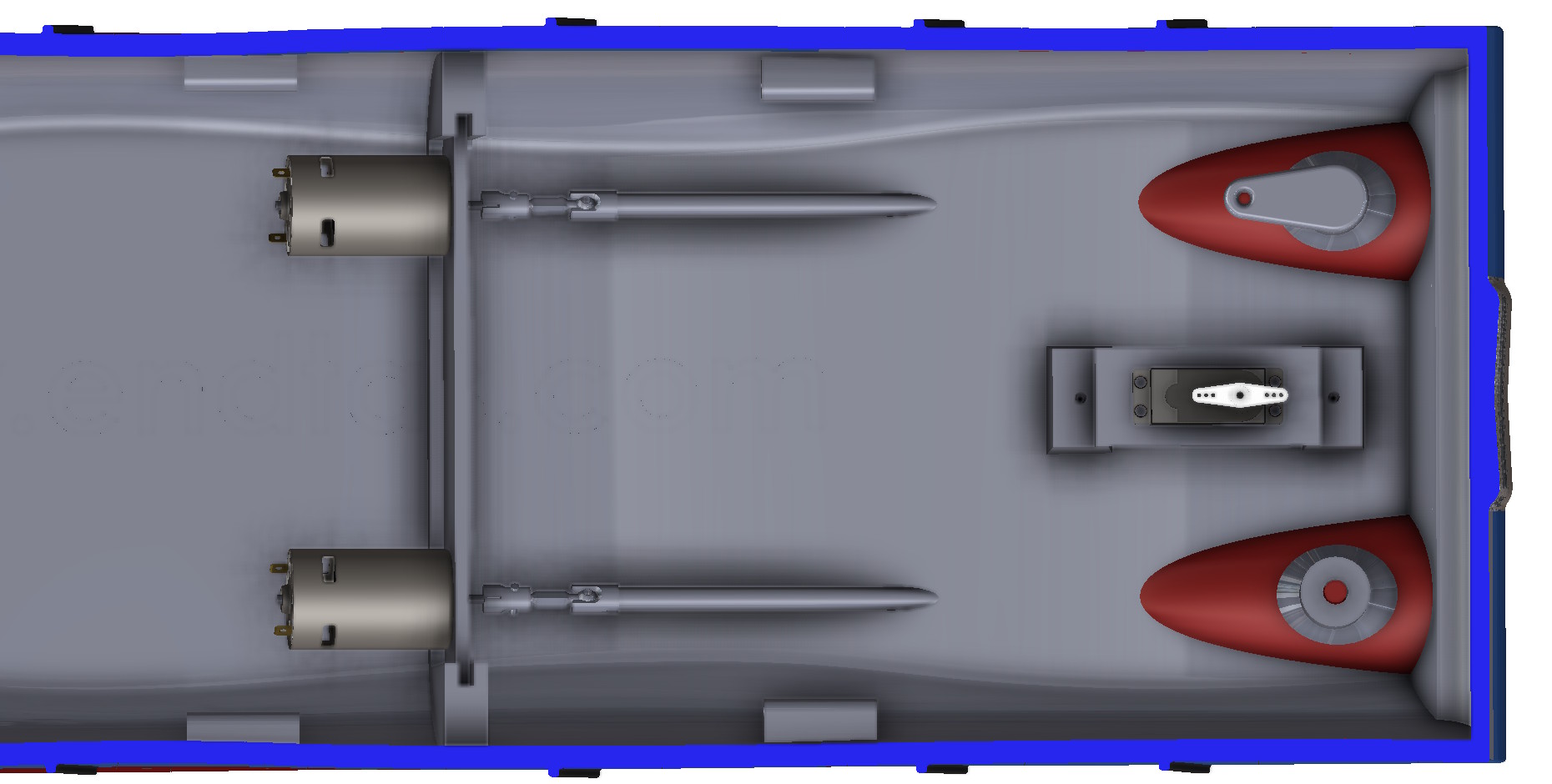
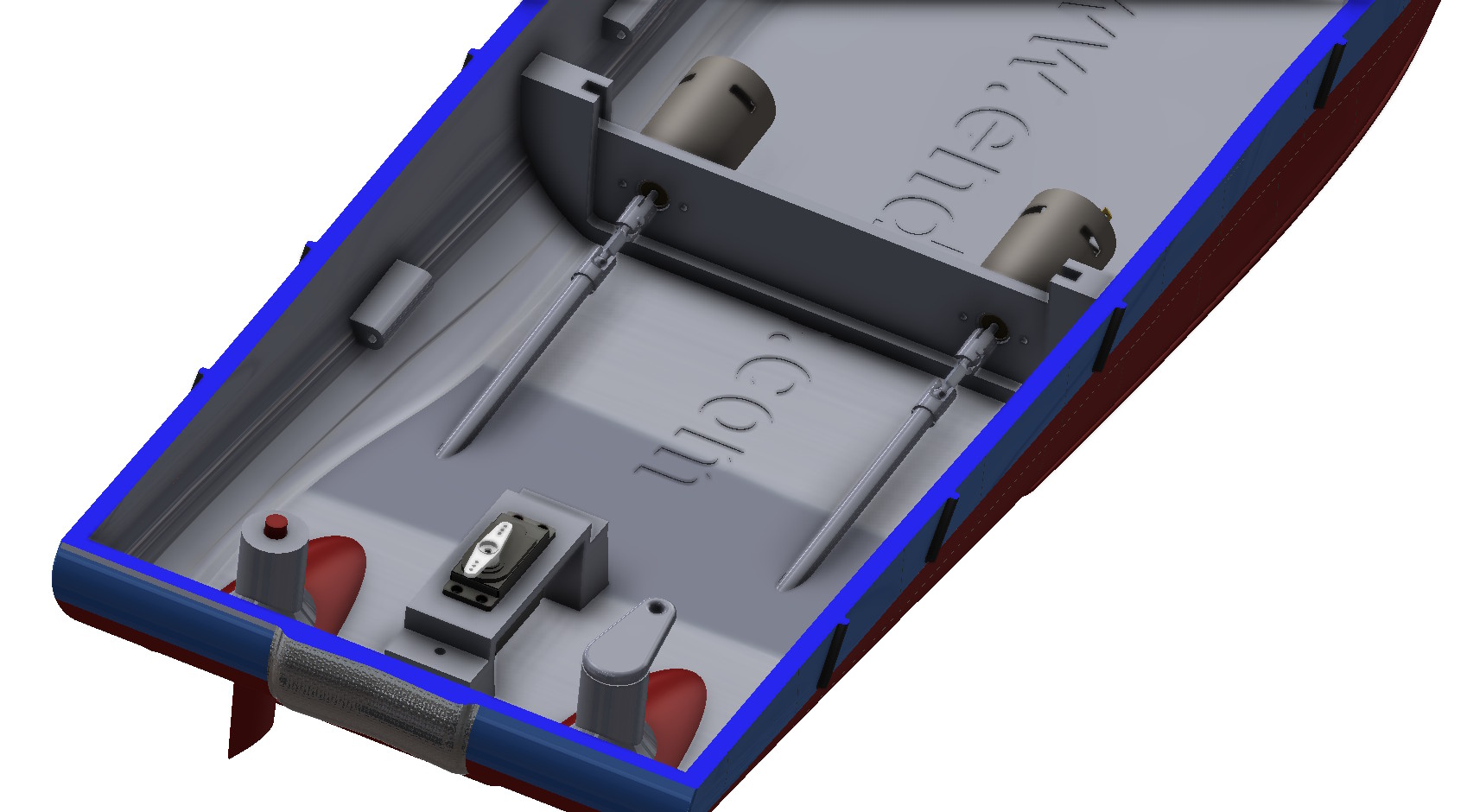
Narco Ship-Submarine RC

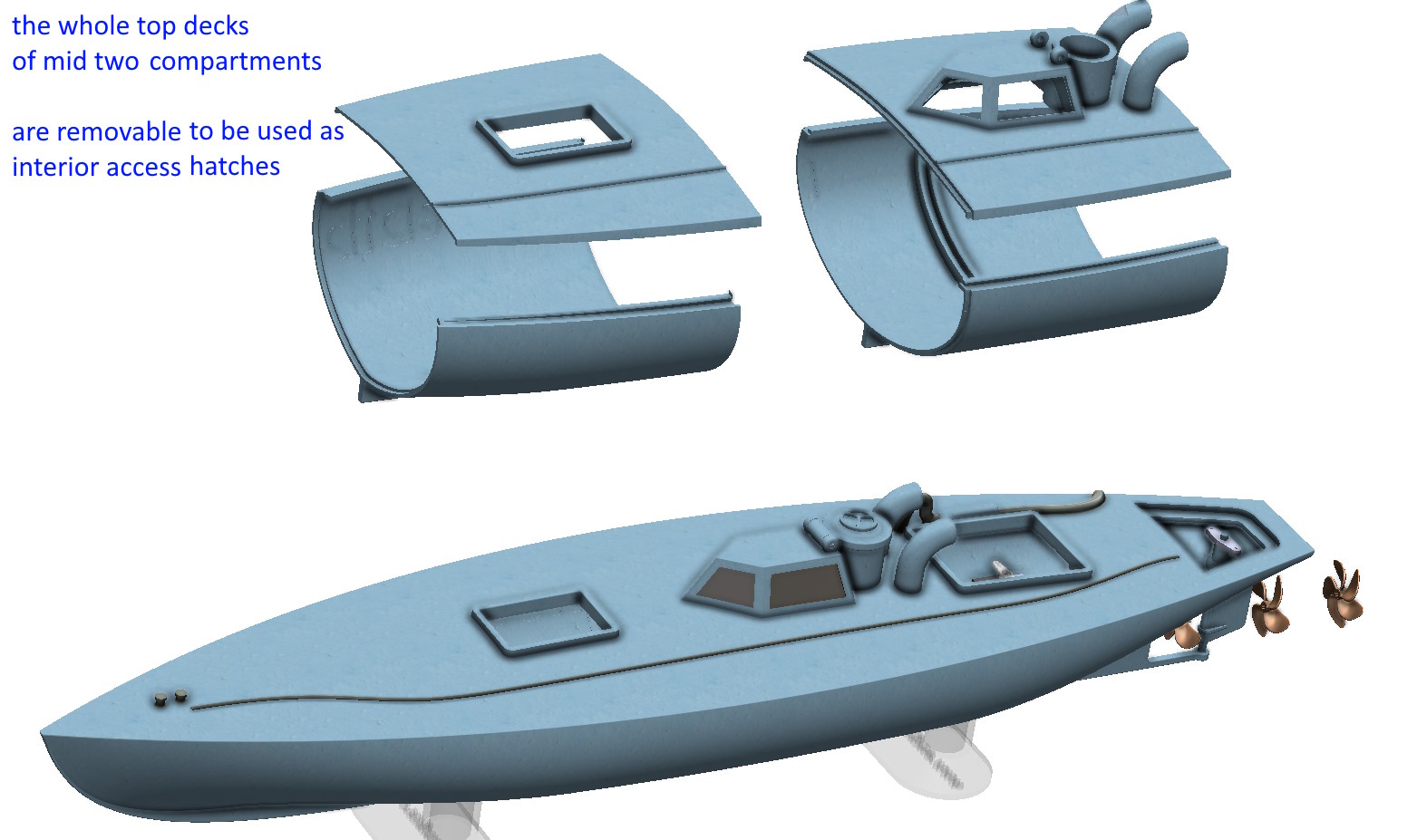
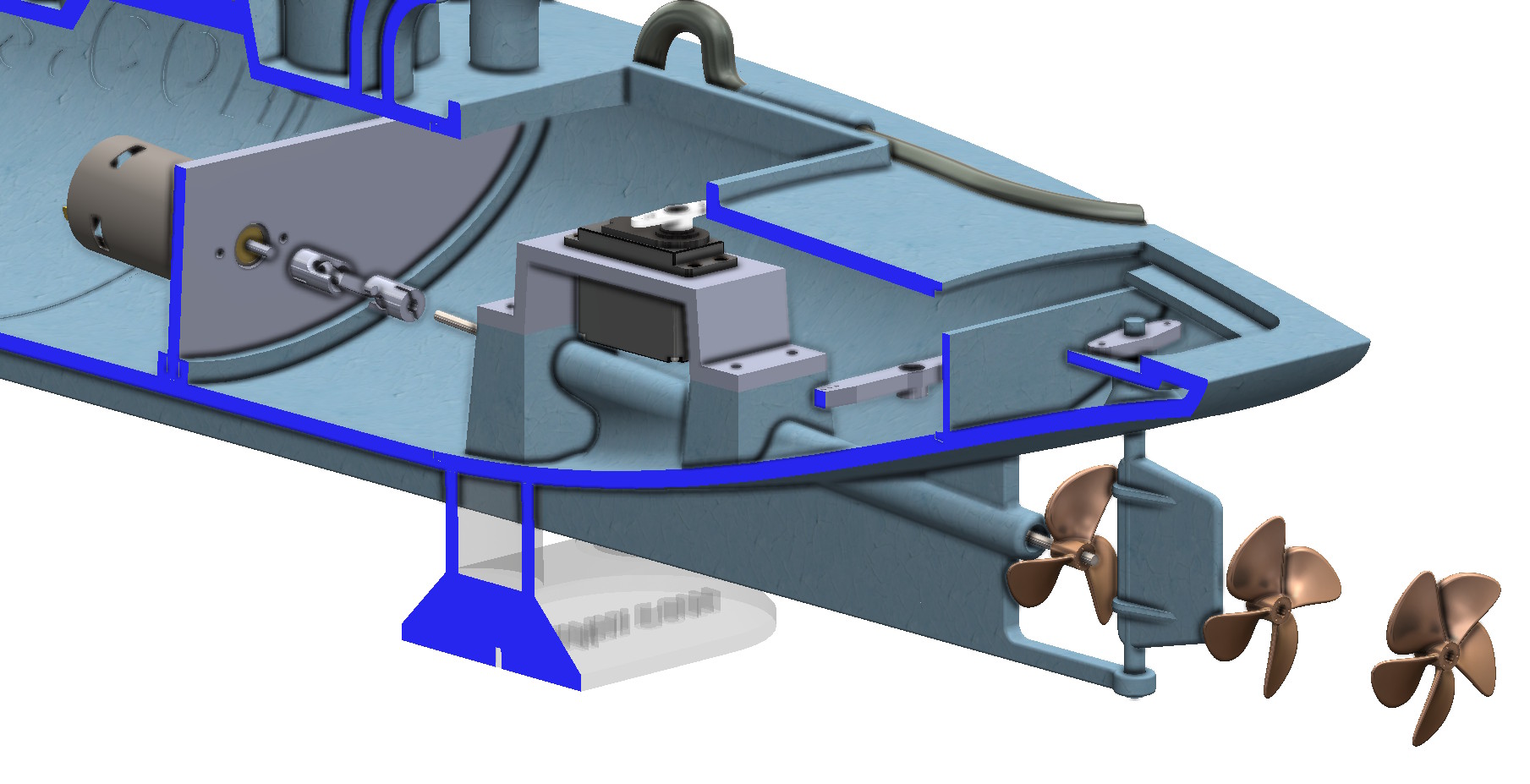
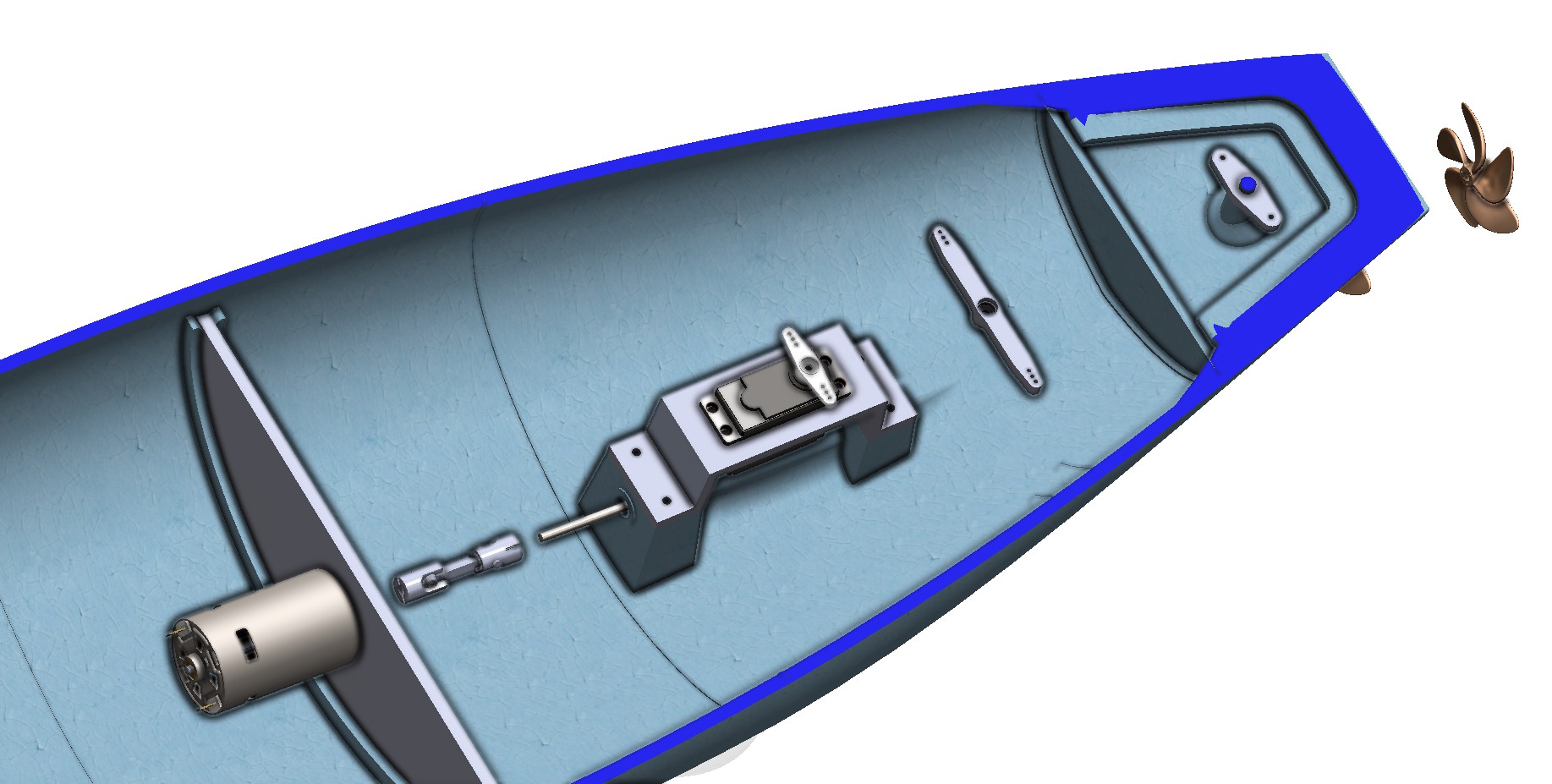
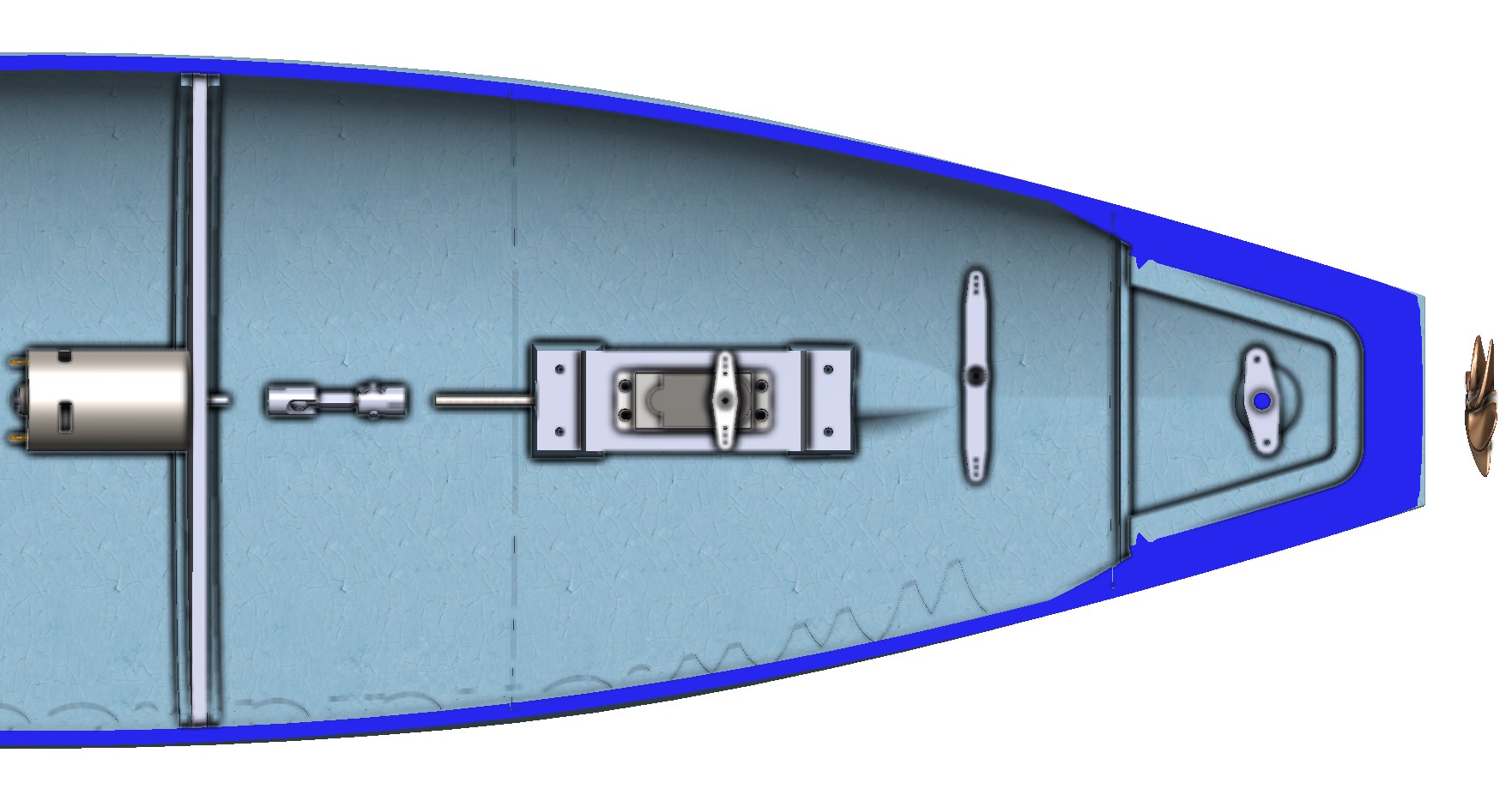
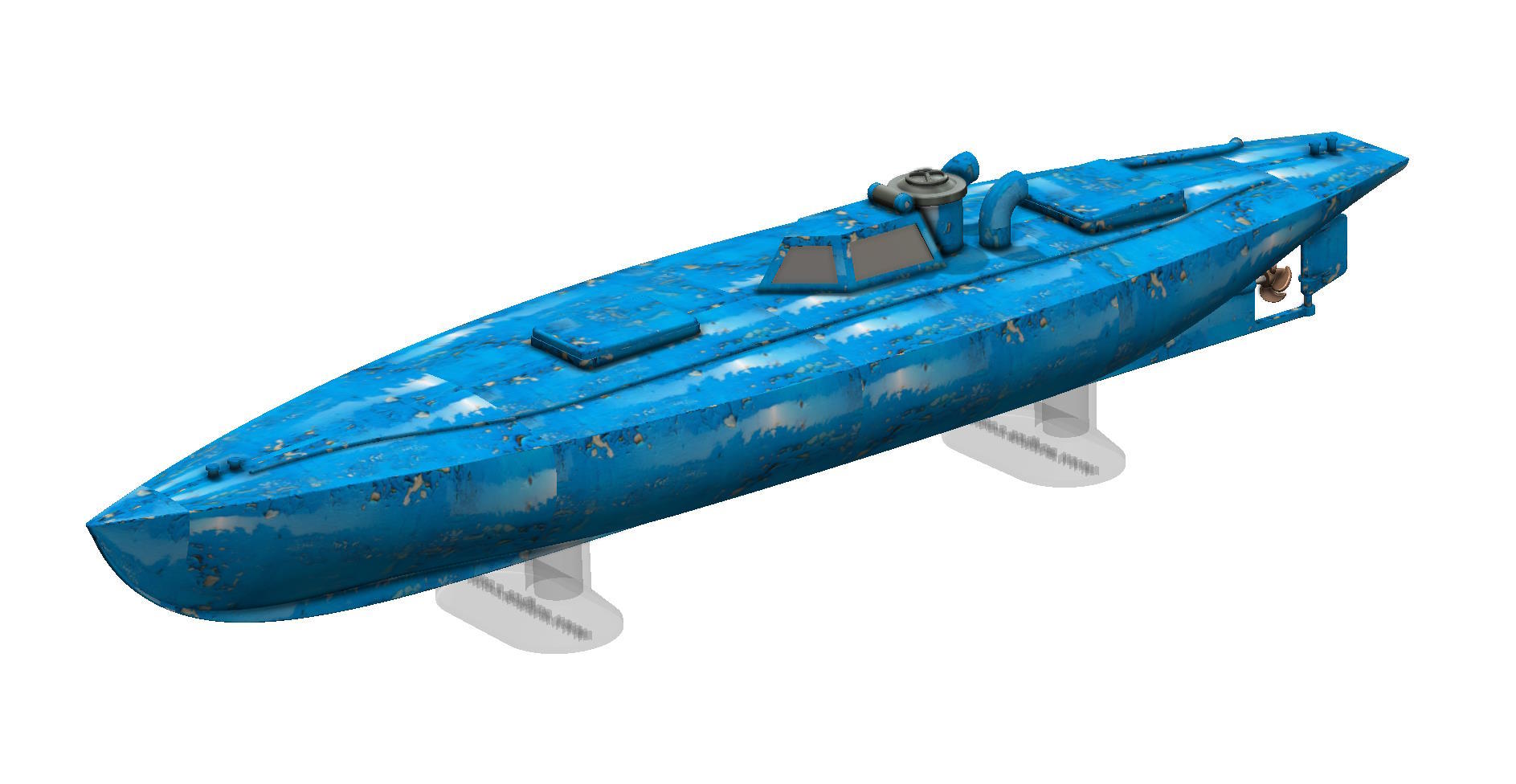
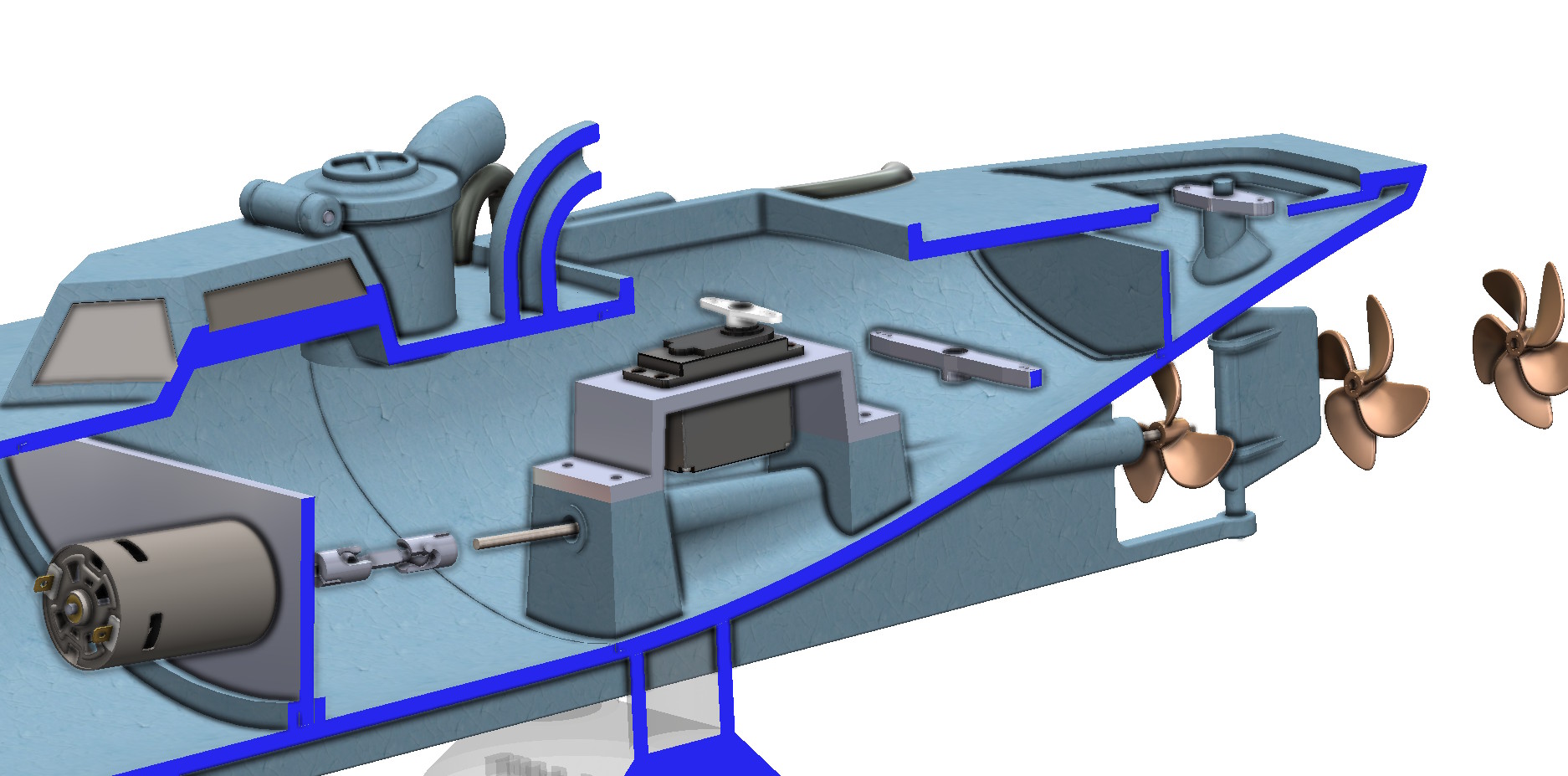
This article includes a multi-part narco semi-submersible 3d model free to download for hobby purposes.

Our model has been updated to RC-Ready level.

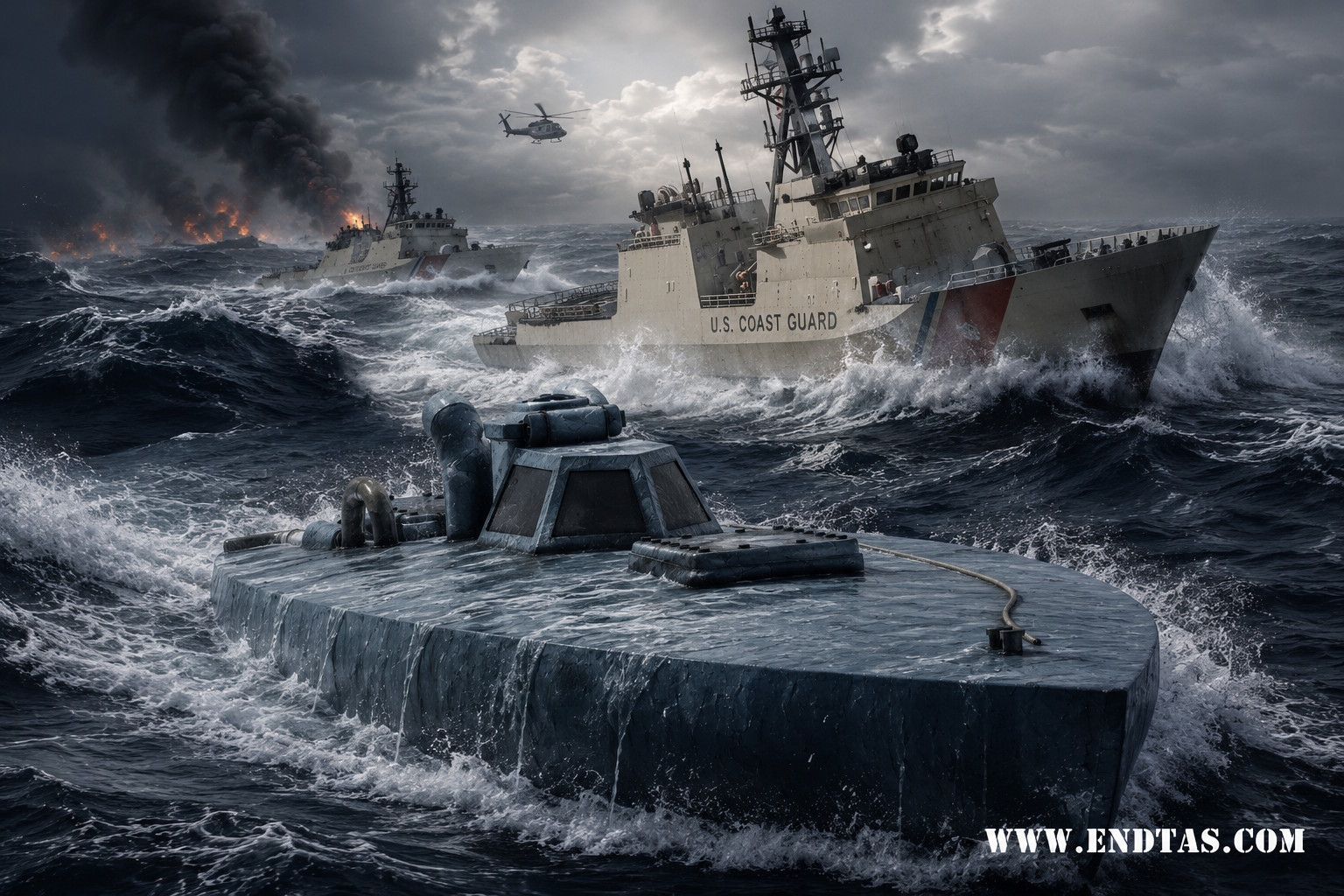
Narco ships, also known as narco submarines or drug subs, are vessels used primarily by drug cartels and organized crime groups to smuggle illegal narcotics, particularly cocaine, across international waters. These vessels have become more common as a method to evade detection by law enforcement agencies like the U.S. Coast Guard, Navy, and other international forces.

Continue reading for the rest of the article and the free STL model. There is also a high poly version with improved details for easy 3d printing and assembly. You can buy it from this link.

Thank you for your support to our site.

Read more

Çektirme: Traditional Turkish Boat

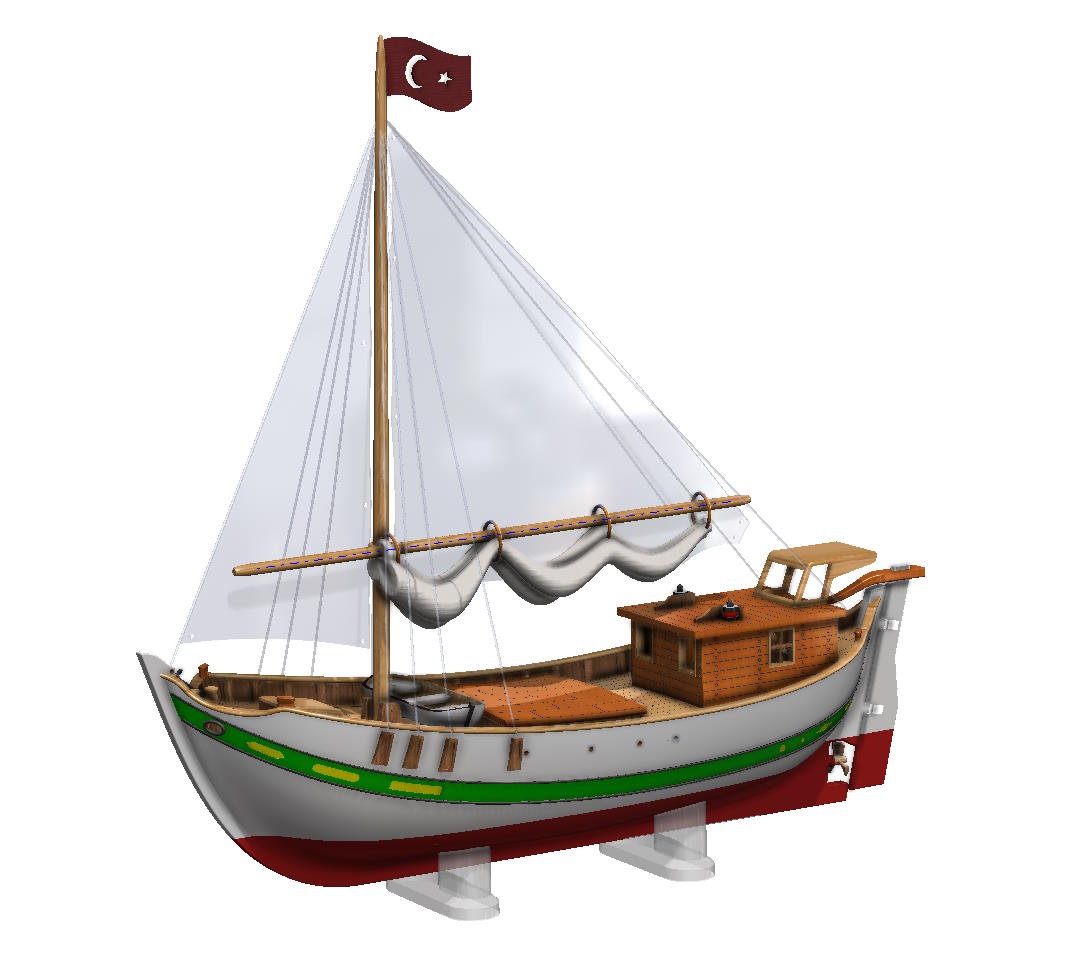
Çektirme is the kind of boat that effortlessly steals the spotlight. Long, sleek, and designed for both speed and style, it has graced the waters of the Aegean and Mediterranean for centuries. This Turkish sailboat, once a staple of Ottoman maritime life, is more than just a vessel—it’s a symbol of seafaring elegance and craftsmanship.

Typically spanning between 15 to 30 meters in length, the çektirme was built with speed in mind. Its narrow hull, usually around 4 to 5 meters wide, allowed it to slice through the water with minimal resistance, making it perfect for the breezy, calm waters of the Mediterranean. What really set the çektirme apart, though, was its lateen sail configuration—those iconic triangular sails mounted on tall, elegant masts. This sail setup wasn’t just for show. Lateen sails allowed the boat to tack against the wind efficiently, giving it a leg up when maneuvering through the often gusty Aegean Sea.

——> Get STL files from this link. <——- This file pack includes 38 hi-rez STL files which will enable you to build your own Çektirme of 70cms in length.

Or continue reading for more info and renderings.

Read more

Bourbon – Horizon Arctic Tugs RC

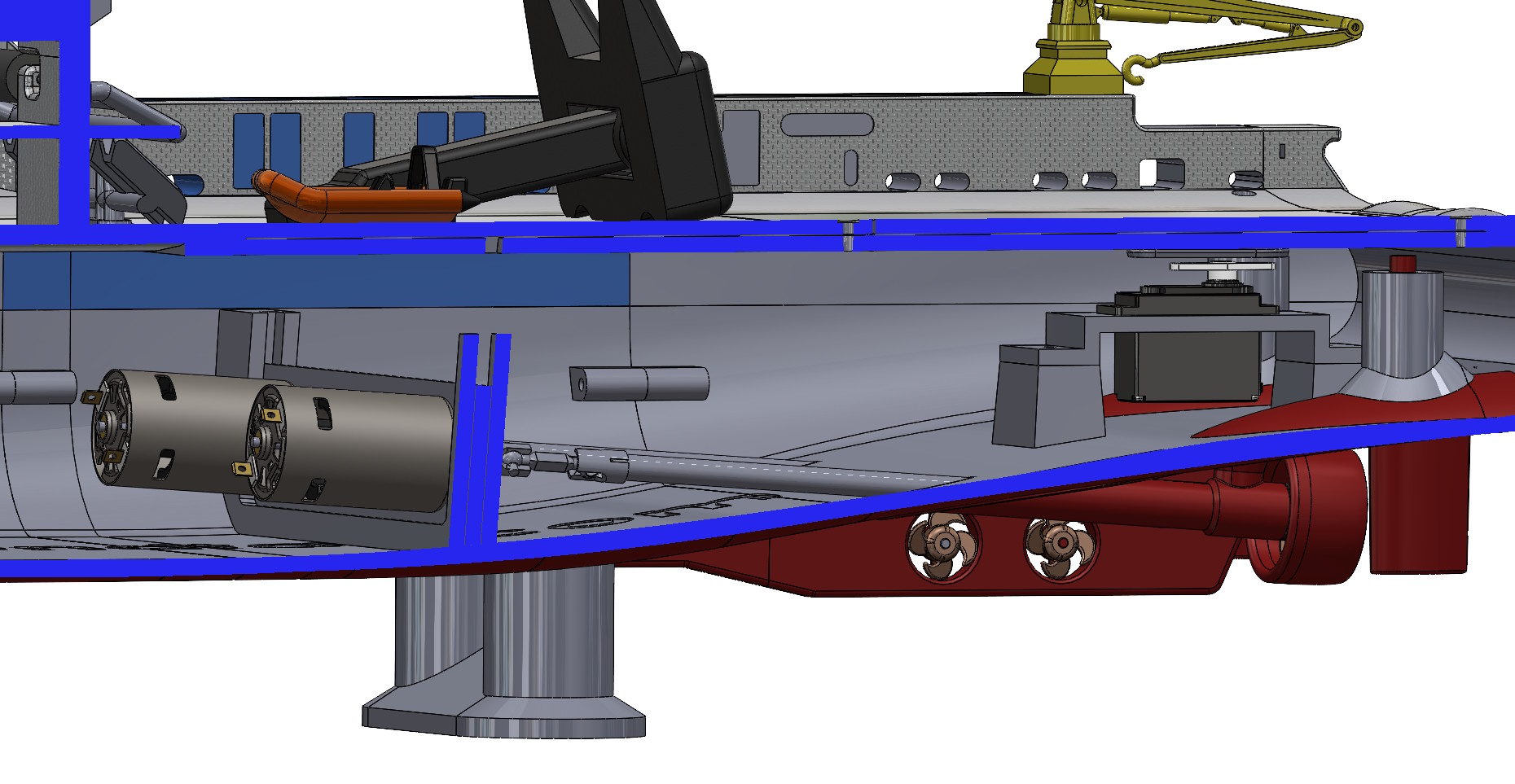
Our Arctic model is now RC-READY

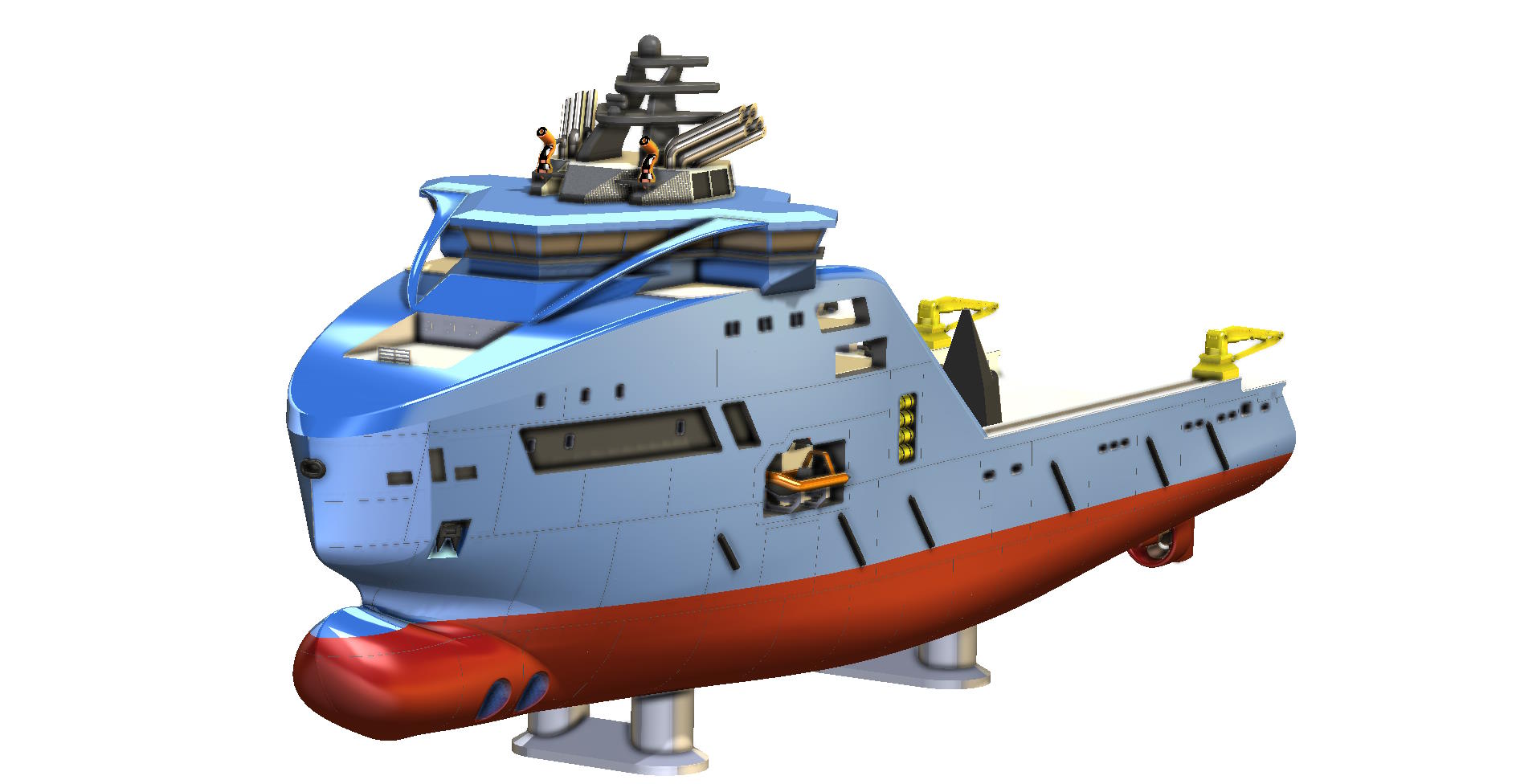
Today, we’re about to embark on a thrilling voyage into the icy frontiers of the Arctic, where two of the most extraordinary vessels on Earth—the Bourbon Arctic and the Horizon Arctic—are conquering the wild, frozen seas with power, precision, and a dash of high-seas heroism!

If you want to get the 3d printable model of the Arctic class, here it is. There is also a free STL file available; you can download it from the link at the end of this article. For more info and images, read on…

Read more

HMS inflexible RC

Includes a 1meter long 3d printable, fully RC-Ready model.

HMS Inflexible was a revolutionary warship, a marvel of Victorian naval engineering that represented the pinnacle of British maritime power in the late 19th century. Launched in 1876 and commissioned into the Royal Navy in 1881, this ironclad battleship was designed to be the ultimate answer to the growing threat posed by the French and Italian navies. Its construction was a bold statement of Britain’s determination to maintain its dominance over the world’s oceans, no matter the cost or the challenges.

Continue reading for more info and your free STL file for 3d printing the HMS Inflexible. You can get our multiple-piece high quality STL pack directly from here.

Read more

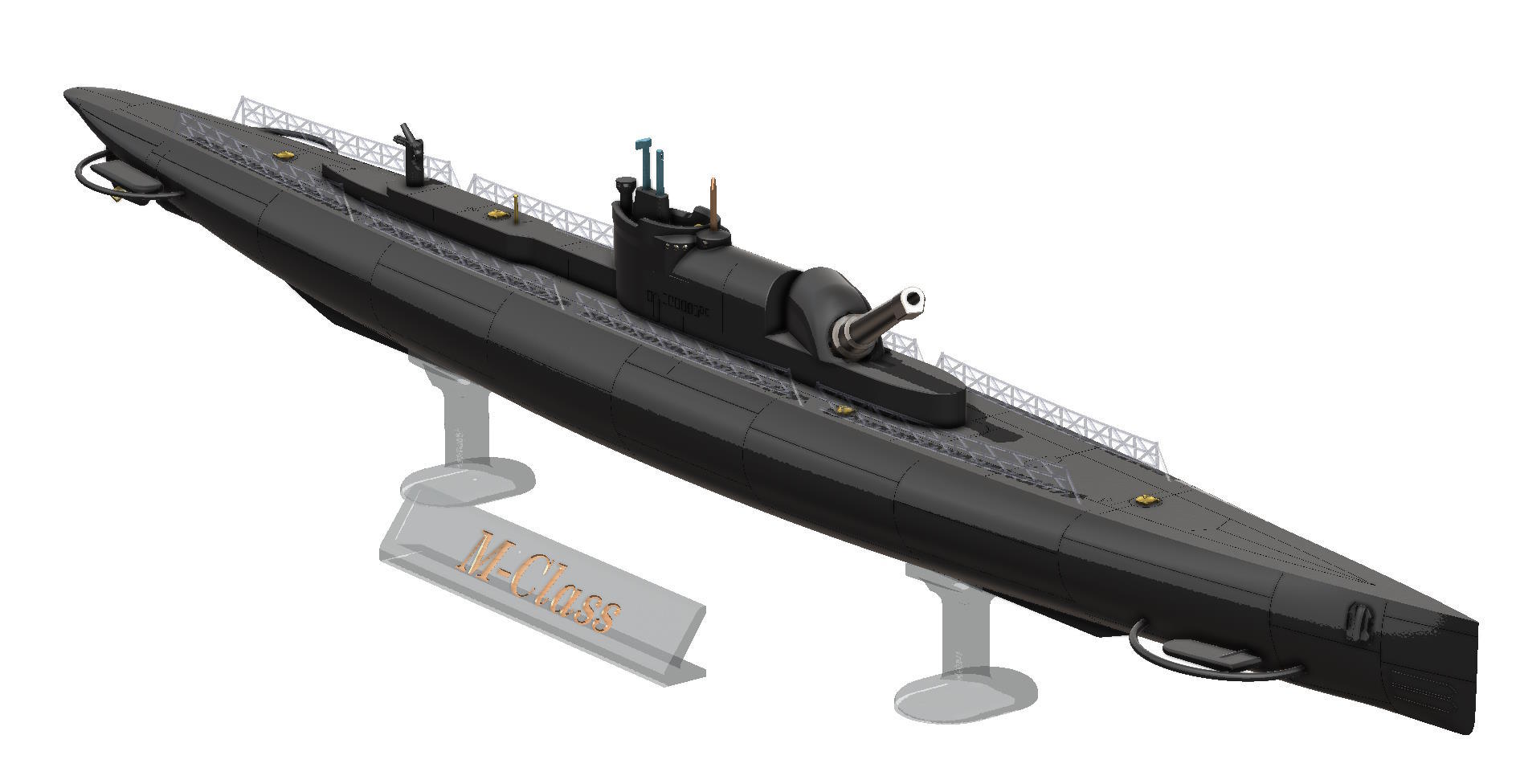
M-Class British Submarine

The British M-class submarines were a fascinating and unconventional series of underwater vessels that captured the imaginations of naval enthusiasts and history buffs alike. Imagine a submarine that, instead of relying solely on torpedoes, was equipped with a massive 12-inch gun on its deck. This is precisely what made the M-class submarines so unique and intriguing. Conceived during World War I, these submarines were designed to combine the stealth and surprise of a submarine with the firepower of a battleship. The result was a hybrid that promised to pack a punch from beneath the waves.

Purchase our 1m long m-class submarine 3d printable model FROM HERE. Continue reading for more info and a free STL file of the M-Class sub.

Read more

Ottoman Ironclad Feth-i Bülend

The Historic Legacy of Feth-i Bulend: Ottoman Empire’s Ironclad Marvel

(Her sistership was “Mukaddeme-i Hayir“)

Turkish Ironclad warships  Feth-i Bülend and Mukaddeme-i Hayir,
off Tulca / Tulcea in Danube River during Russian War of 1877-78.

In the late 19th century, amidst a period of rapid technological advancements and naval modernization, the Ottoman Empire embarked on a remarkable journey in maritime innovation with the commissioning of the ironclad warship Feth-i Bulend. This vessel, with its impressive design and strategic significance, left an indelible mark on Ottoman naval history.

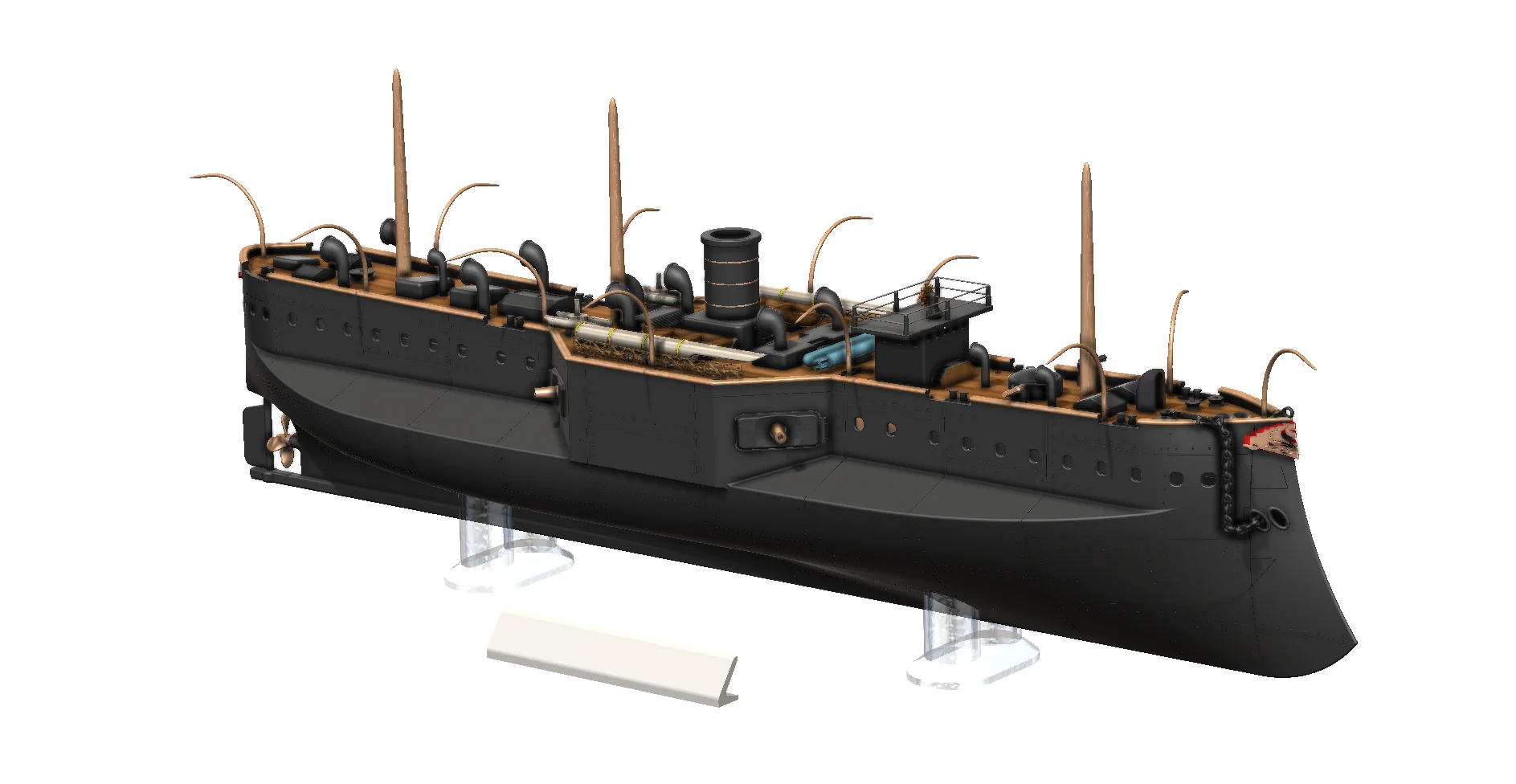
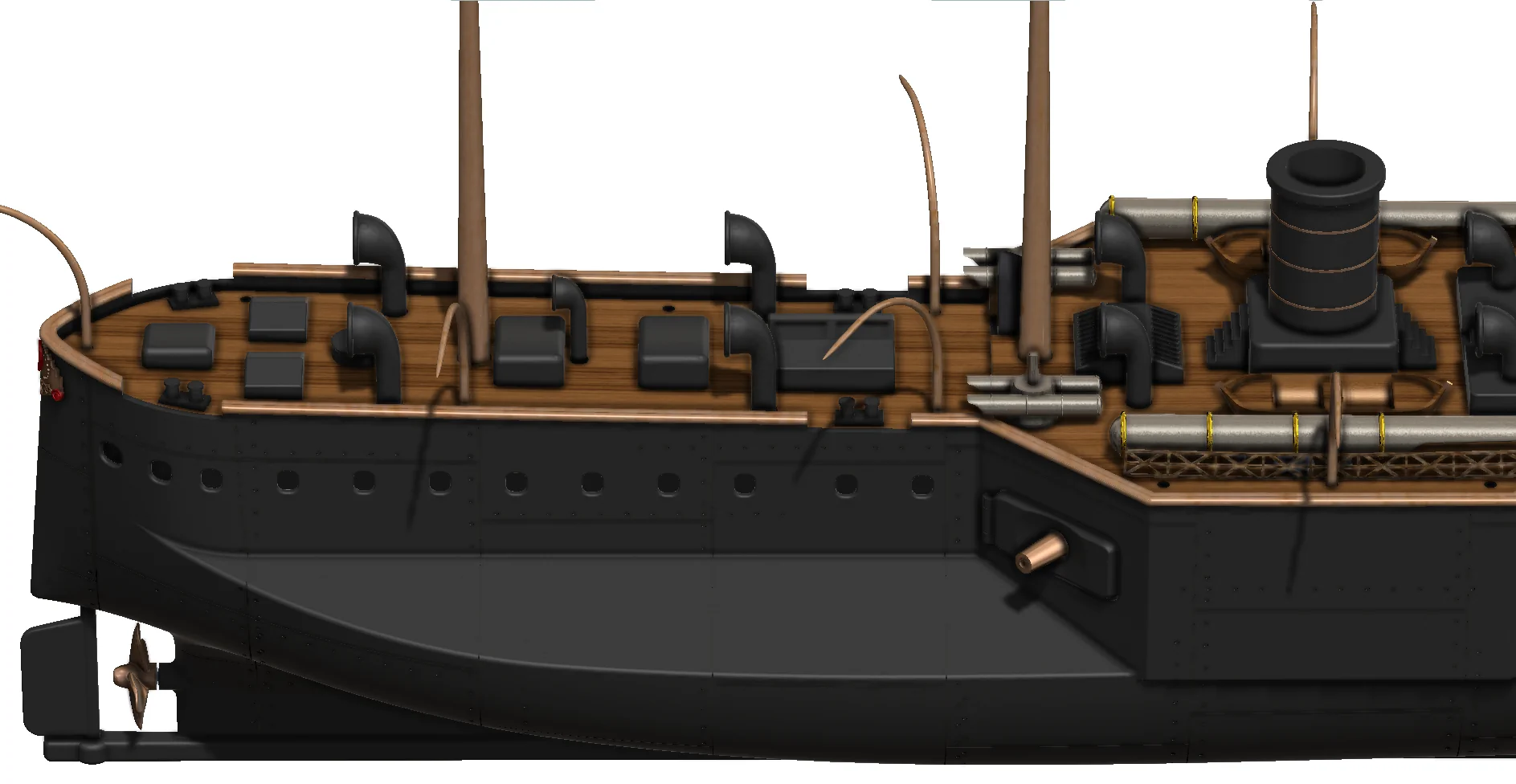
Feth-i Bülend Ironclad Corvette

Feth-i Bülend (Ottoman Turkish: “Great Victory”) was an Ottoman ironclad warship built in the late 1860s, the lead ship of her class. The Ottoman Navy ordered her from the British Thames Iron Works, and she was laid down in 1868, launched in 1869, and commissioned in 1870. She was armed with four 229 mm (9 in) guns, was powered by a single-screw compound steam engine with a top speed of 13 knots (24 km/h; 15 mph).

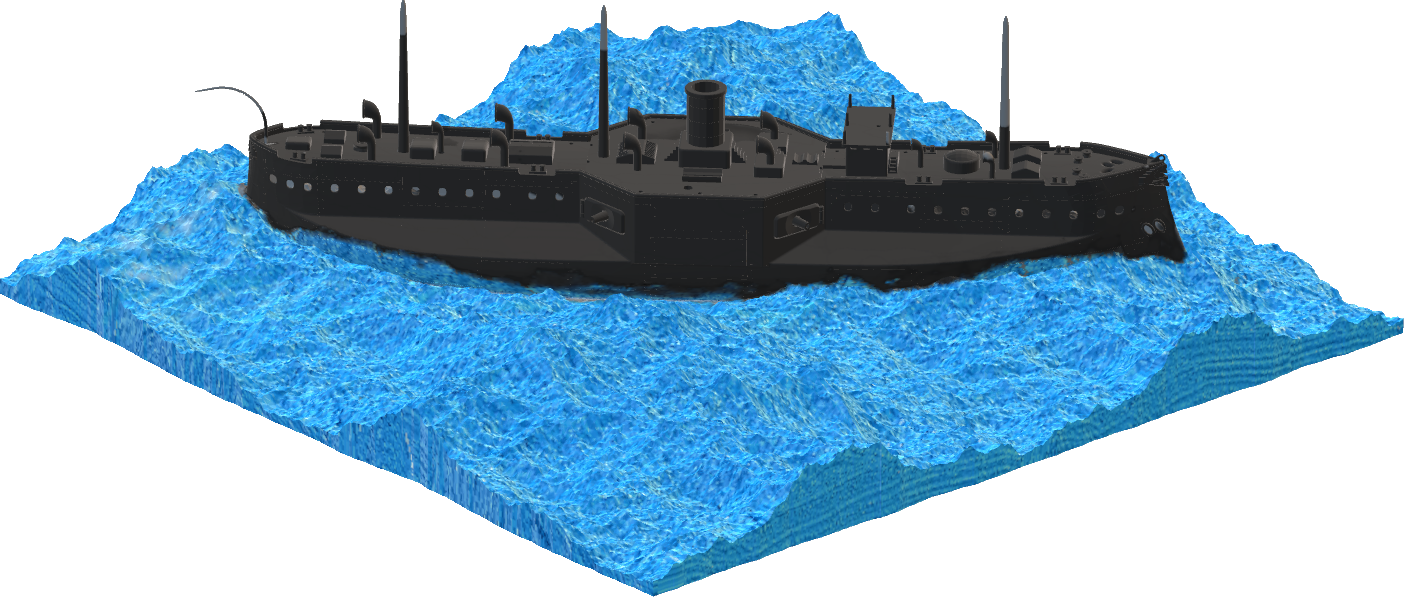
download this 3d printable panorama from this article

Continue reading for more images, info and a free STL file of a panorama of Feth-i Bülend on the high seas. You can proceed to purchasing our 3d printable, multi-piece model of the ironclad for building your own legend by clicking here. <<<———Click

The model is a 3mm thick hull with empty interior, well suitable for R/C projects. This is a huge file pack that includes Feth-i Bülend in high quality STL files (50+ separate files).

Read more

British K-class submarines

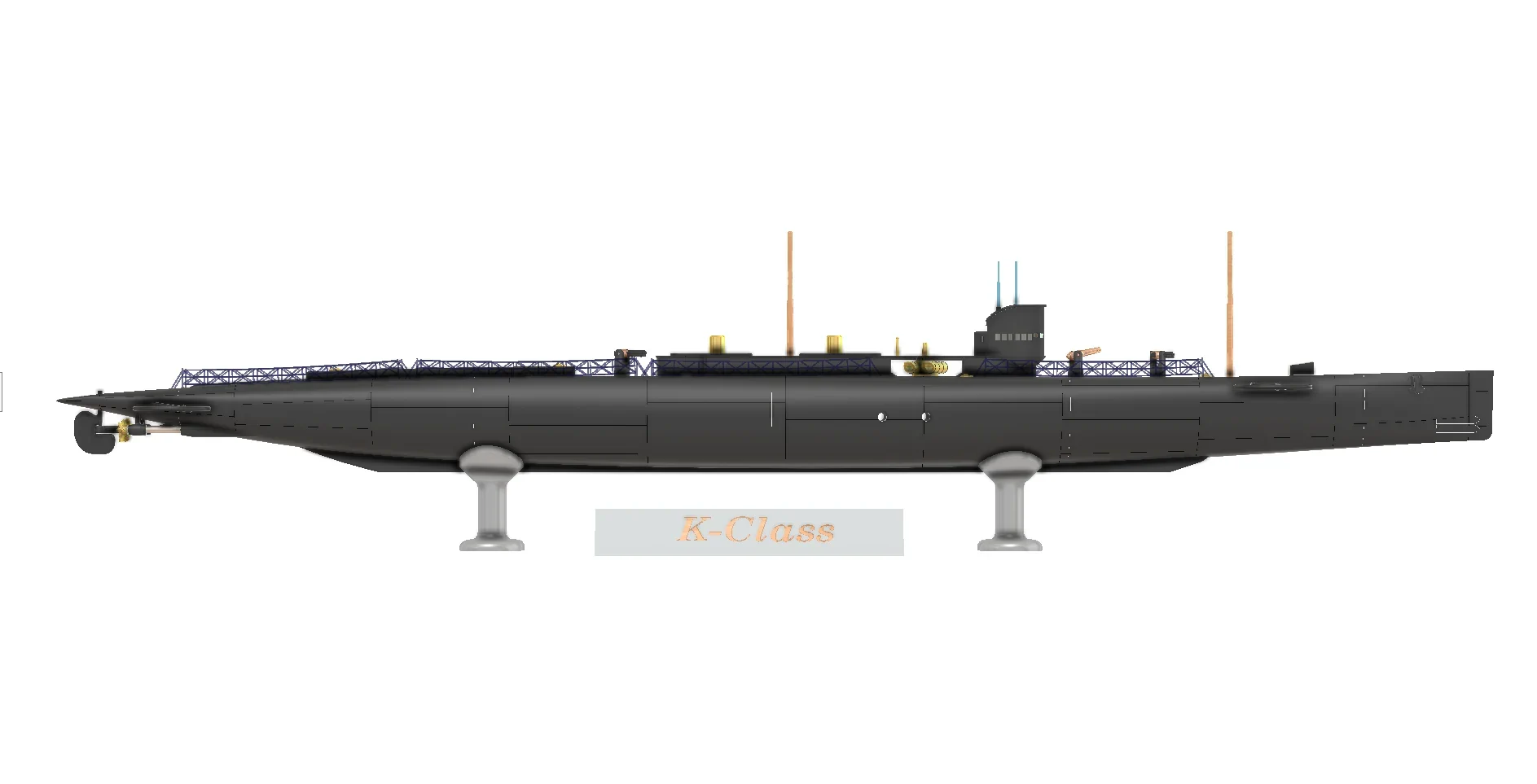
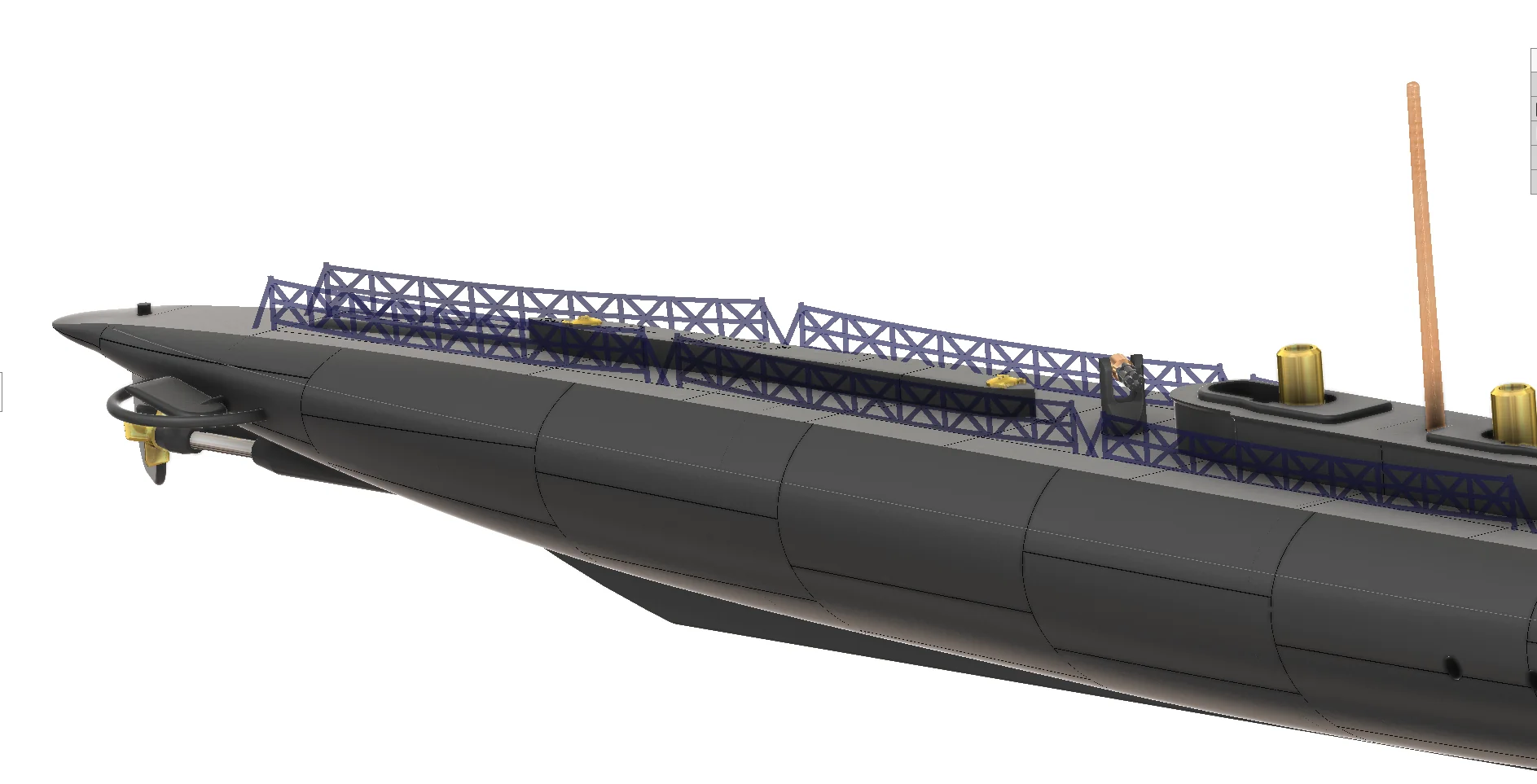
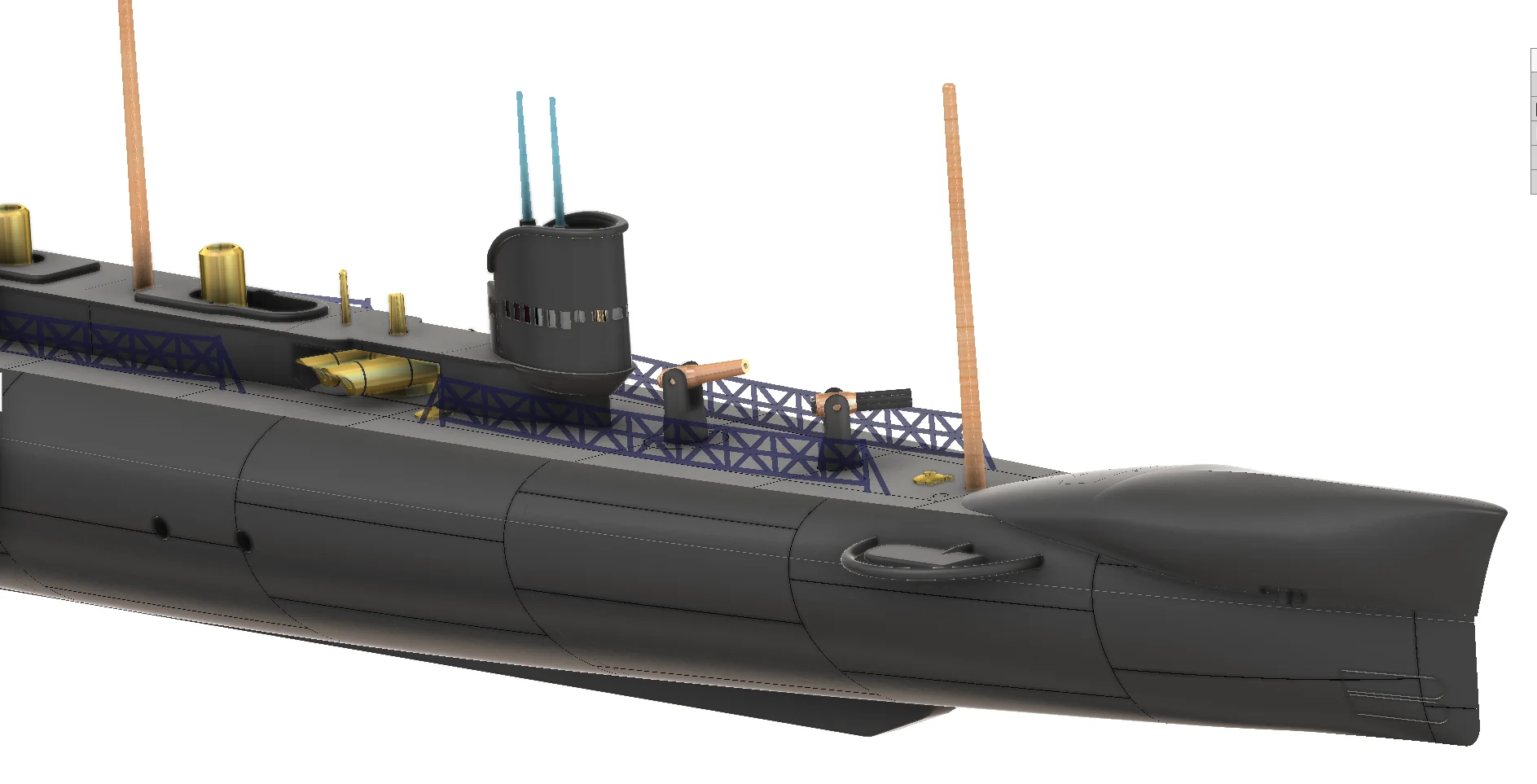
They were a series of steam-propelled submarines built for the Royal Navy during World War I. However, they were notorious for being plagued with design flaws and accidents.

These submarines were much larger than their predecessors, with the intention of carrying a significant number of torpedoes and having longer endurance. However, they were beset with issues such as instability, poor handling characteristics, and mechanical failures. The most infamous incident involving the K-class submarines was the Battle of May Island in 1918, where a collision during a night exercise led to the loss of two submarines and 104 crew members.

Continue reading for more info and renderings. Your free hi-rez STL file for our K-Class model is at the end of the article. You can get our multi-part 30+mb file pack from here.

Read more

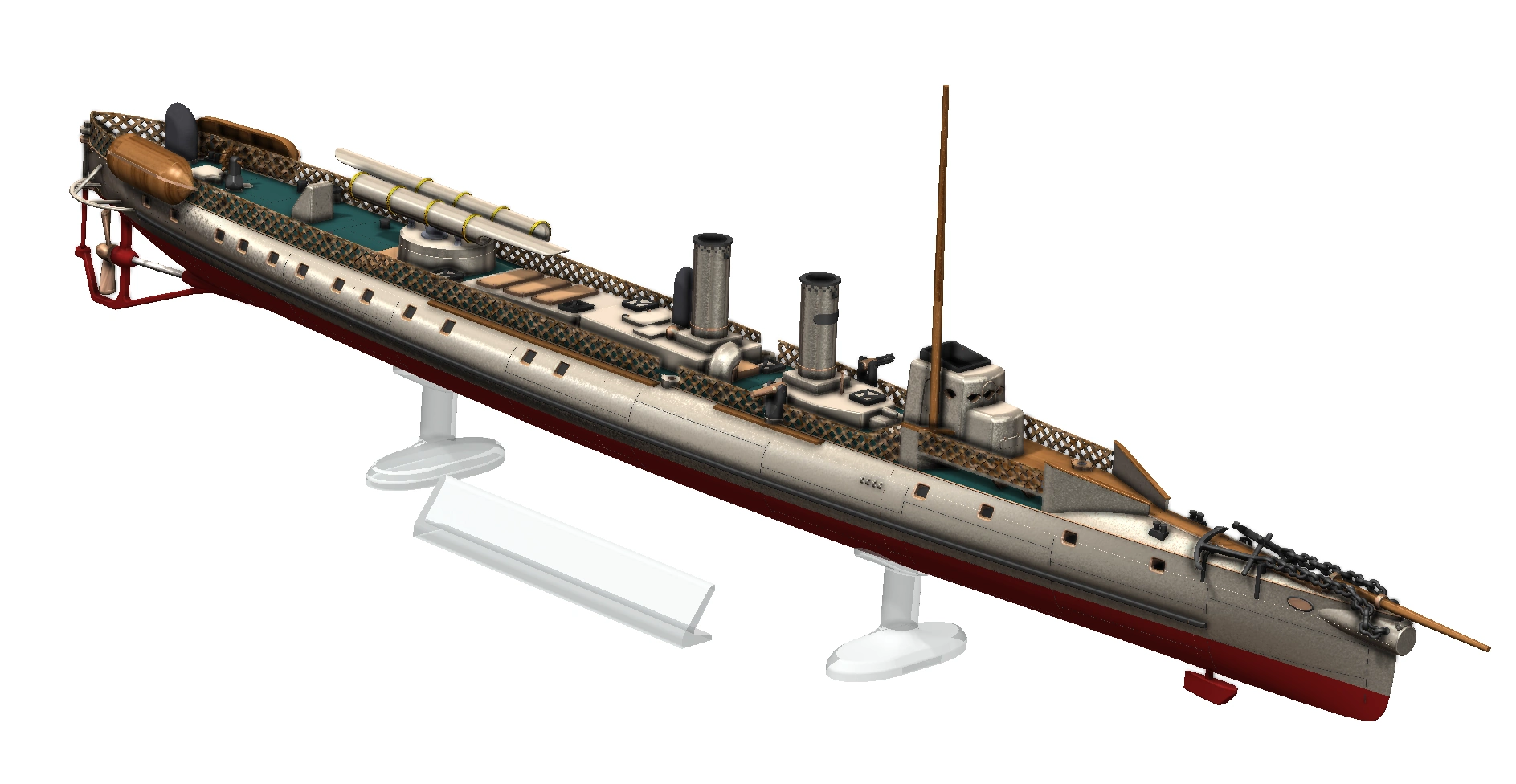
Sultanhisar Torpedo Boat(Schneider 38m Class)

Sultanhisar was a torpedo boat of the Ottoman Navy. She was built in 1907 by Schneider & Cie in Chalon-sur-Saône, France, and transferred the same year to Turkey (more info on Schneider 38m class torpedo boats). She is best known for her action during the Gallipoli Campaign of World War I as she sank Royal Australian Navy submarine HMAS AE2 in the Sea of Marmara and captured her crew.

The model is 1 meter long

As of 16 October 1912, Sulthanisar was assigned to the Bosporus Fleet Command. From 19 December 1912 on, she served at the Armoured Warship Division.

During the naval operations in the Dardanelles Campaign of World War I, the torpedo boat Sultanhisar was tasked with patrolling in the Dardanelles Strait. In addition, she daily transported German general Otto Liman von Sanders, who was the adviser and military commander of the Ottoman Army, between Eceabat and Gallipoli. On 29 April 1915, she received orders to return to Constantinople by sailing along the west coast of the Sea of Marmara. On the way, Commander Ali Rıza Bey changed his route and sailed eastwards in response to reports of the presence of a possible enemy submarine in that area.

Continue reading for the rest of the story and free 3d printable model. You can purchase the full model pack from here. The file pack includes the model in high resolution STL files(62 in total) and Unreal Engine compatible .GLB format. Free Sultanhisar model is at the end of the article.

Read more

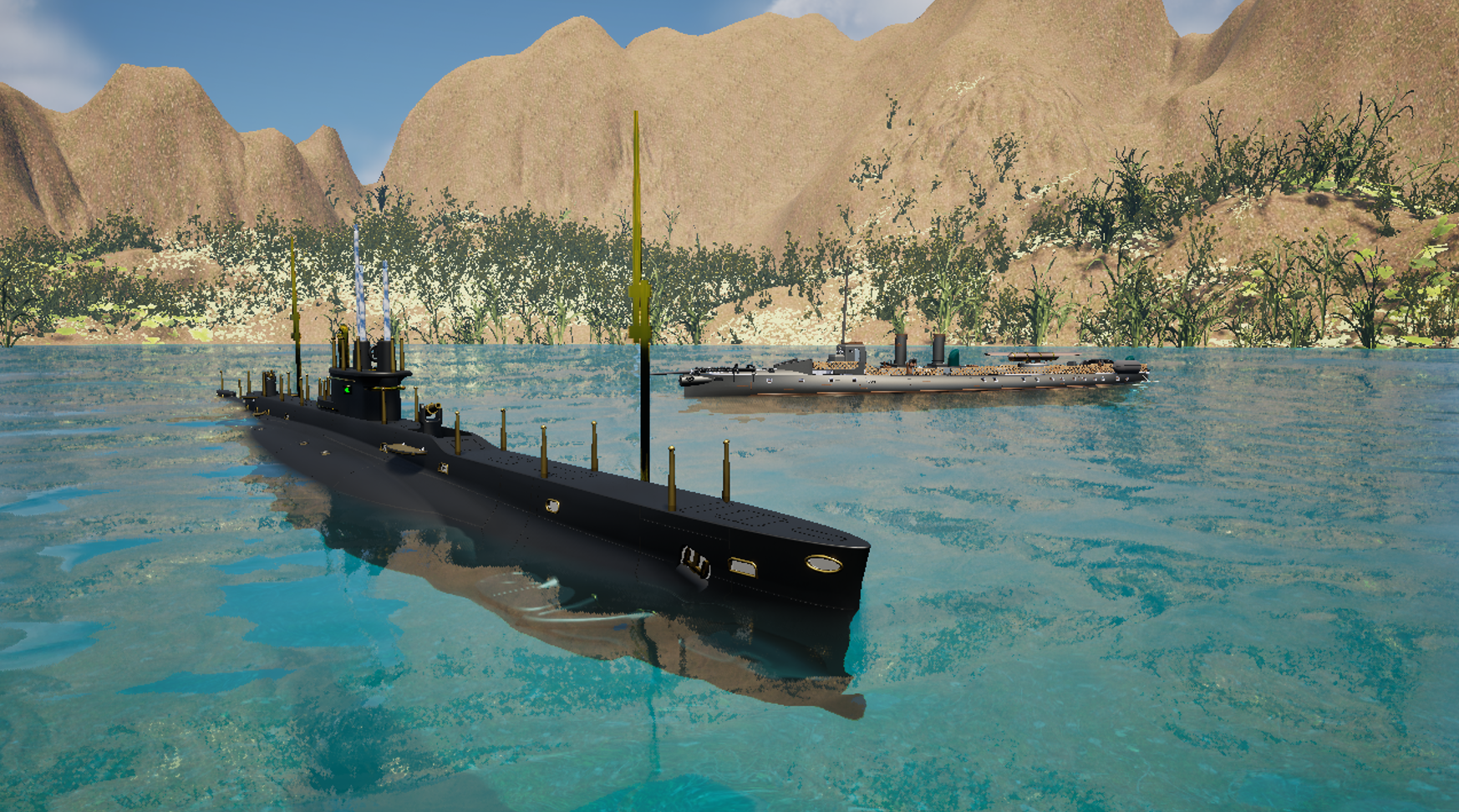
AE-2 and Sultanhisar Sea Battle

In the annals of naval history, there are battles that stand out not just for their strategic significance but also for the sheer audacity and courage displayed by the sailors involved. One such remarkable encounter took place during World War I in the waters of the Marmara Sea, where the Australian submarine AE-2 faced off against the formidable Sultanhisar torpedo boat, creating a saga of bravery and maritime prowess.

The stage was set in April 1915, a time when the Great War was raging across Europe and its theaters extending into the Mediterranean. The Ottoman Empire, a key player in the conflict, controlled vital sea routes in the eastern Mediterranean, posing a threat to Allied shipping and military operations. The Allies, including Australia, were keen to establish naval dominance in these waters.

Continue reading for the rest of the article and the free 3d model of the battle diorama.

Read more