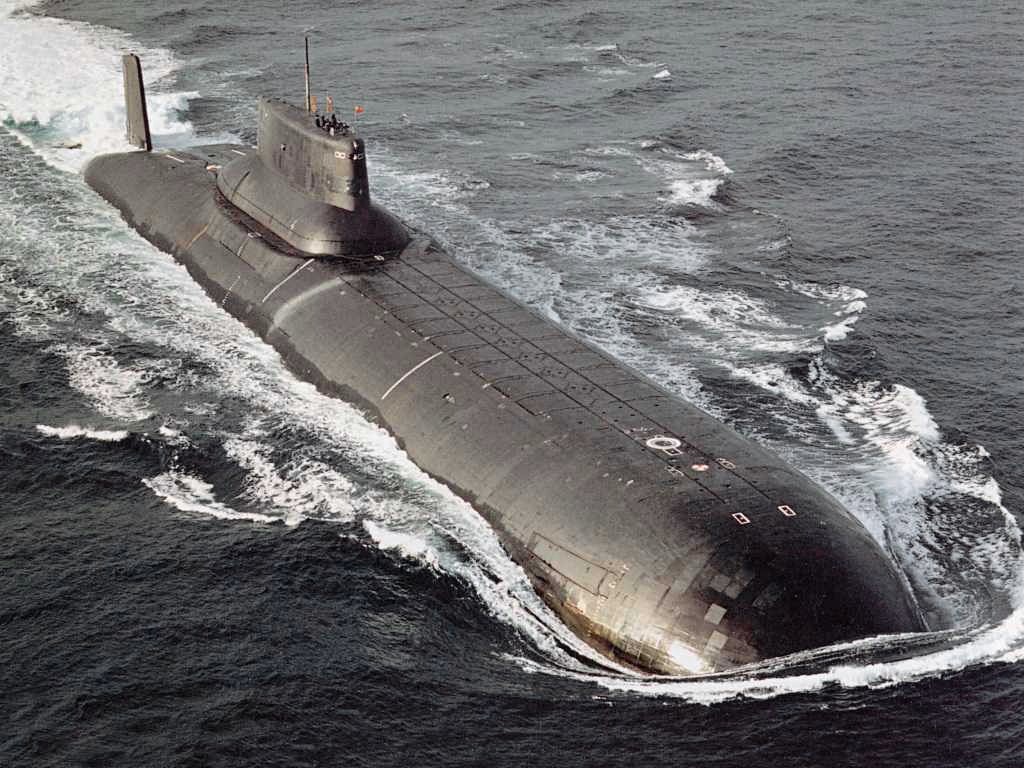
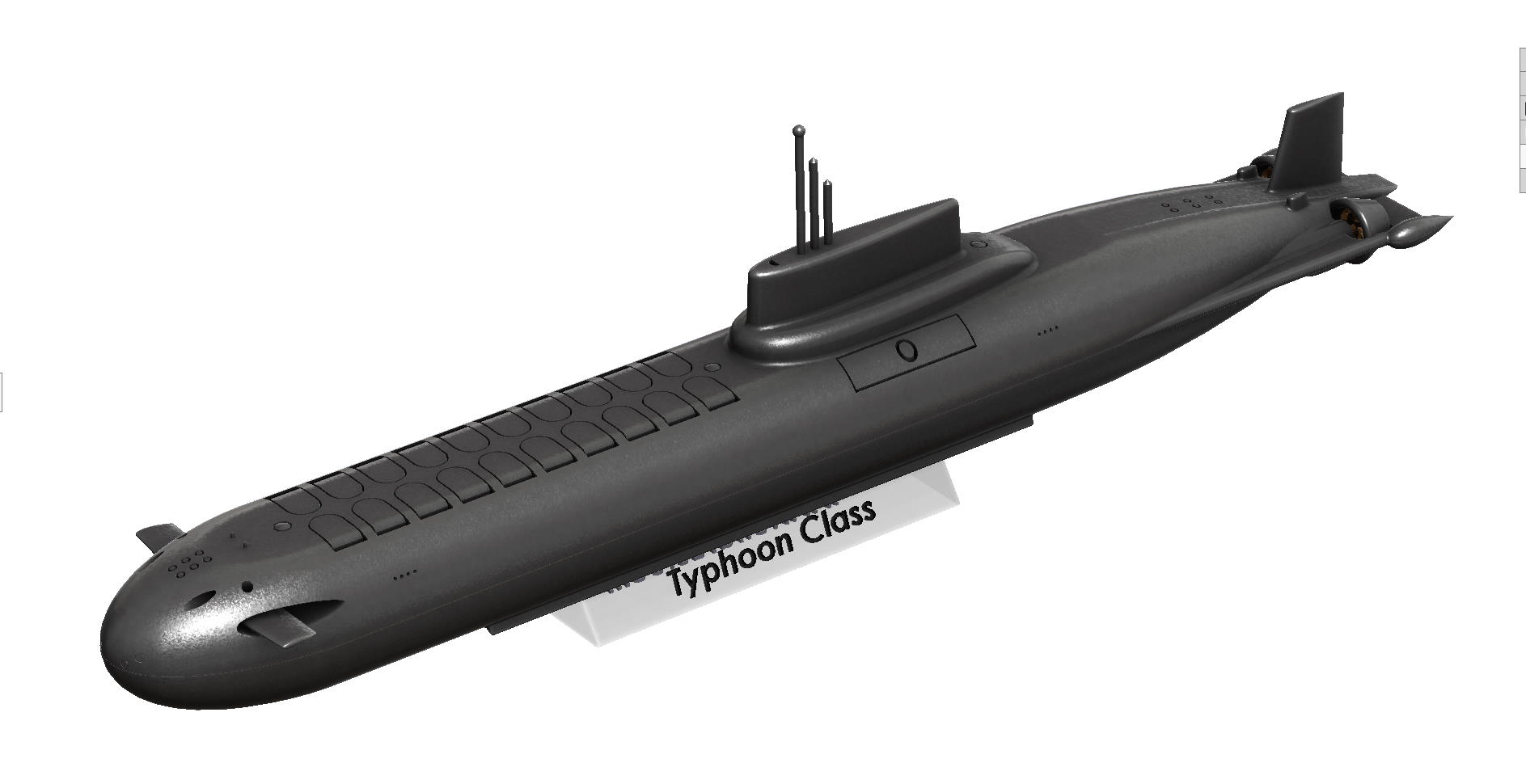
The Typhoon class, Soviet designation Project 941 Akula (Russian: Акула, meaning “shark”, NATO reporting name Typhoon), is a class of nuclear-powered ballistic missile submarines designed and built by the Soviet Union for the Soviet Navy. With a submerged displacement of 48,000 tonnes, the Typhoons are the largest submarines ever built, able to accommodate comfortable living facilities for the crew of 160 when submerged for months on end.
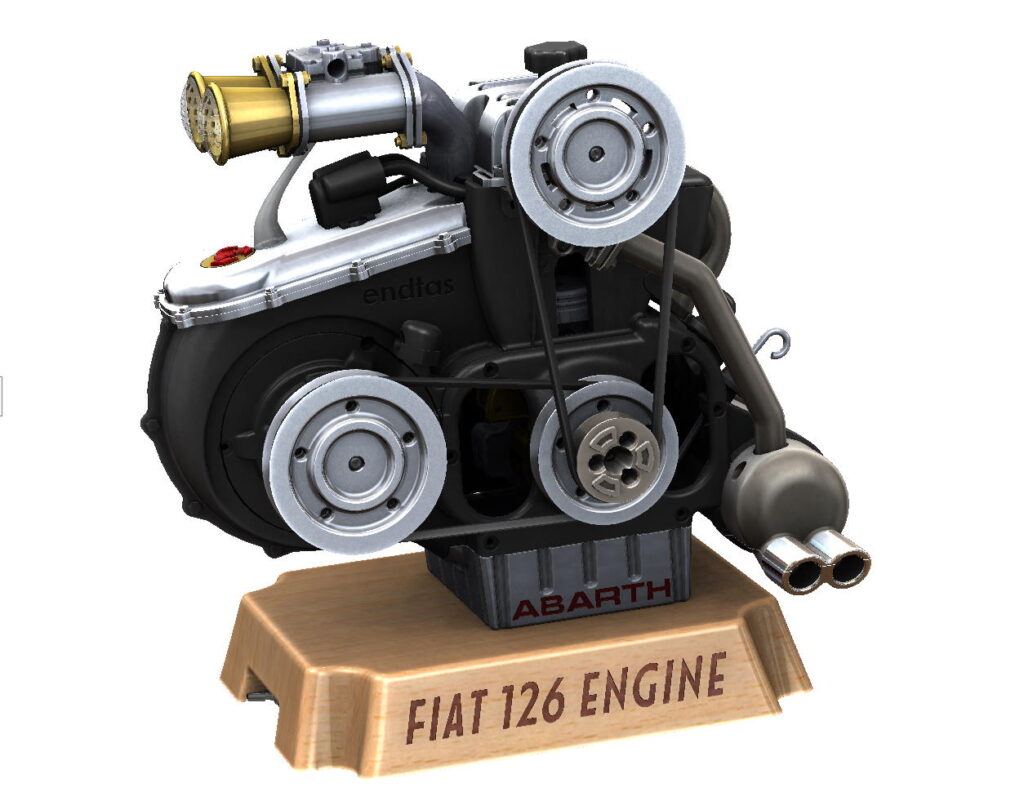
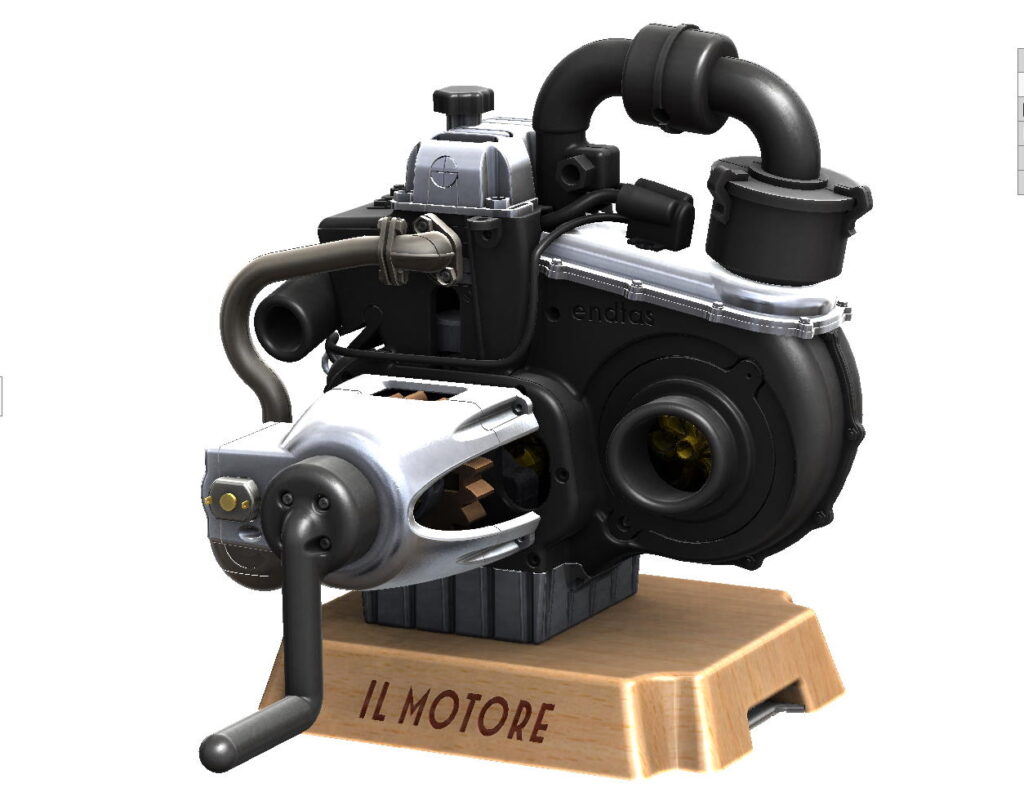
Maybe you already know that I’d made a fiat 126/500 engine before. Which was smaller and easy to print with internal moving parts; pistons, crank, fan etc (It is here).
Later I’ve improved it quite a bit and added space for interior electronics for operating it, a reductor dc motor to power it and volume for leds simulating spark plugs.
There are two versions, the sport and the standard as seen below 😀
sport version (left) and standard version engine models.
The engine models can be hand cranked or ran by a small reductor DC motor located in place of the actual engine’s starter motor. Read more for more information and links.
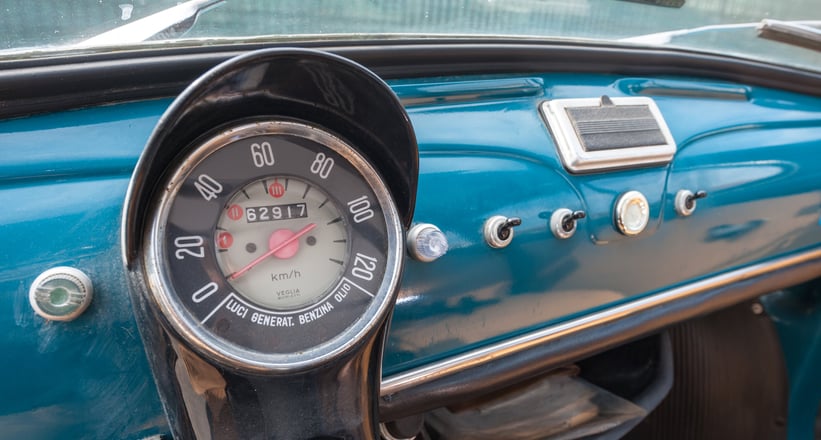
Well, buckle up folks, because we’ve got a real speed demon of an idea here. Our website owner made a digital clock in the shape of a classic car dashboard. Yes, you heard that right. A clock that looks like it belongs in a vintage fiat 126, but with a digital twist.
Now, I know what you’re thinking. “Why on earth would someone want a clock that looks like a car dashboard? Isn’t that just a bit ridiculous?” Well, dear website visitors, I’m here to tell you that ridiculous is just another word for awesome. And this clock is awesome.
Just imagine it: a sleek digital clock nestled into the dashboard of a classic car. It’s like something out of a futuristic sci-fi movie, only it’s actually real. And the best part? You won’t even have to rev the engine to see what time it is.
But this isn’t just any old digital clock. Oh no, this is a clock with style. With a dashboard design, you’ll feel like you’re behind the wheel of a vintage muscle car, even if you’re just sitting at your desk. It’s like having your own little time machine, but without all the messy time travel paradoxes.
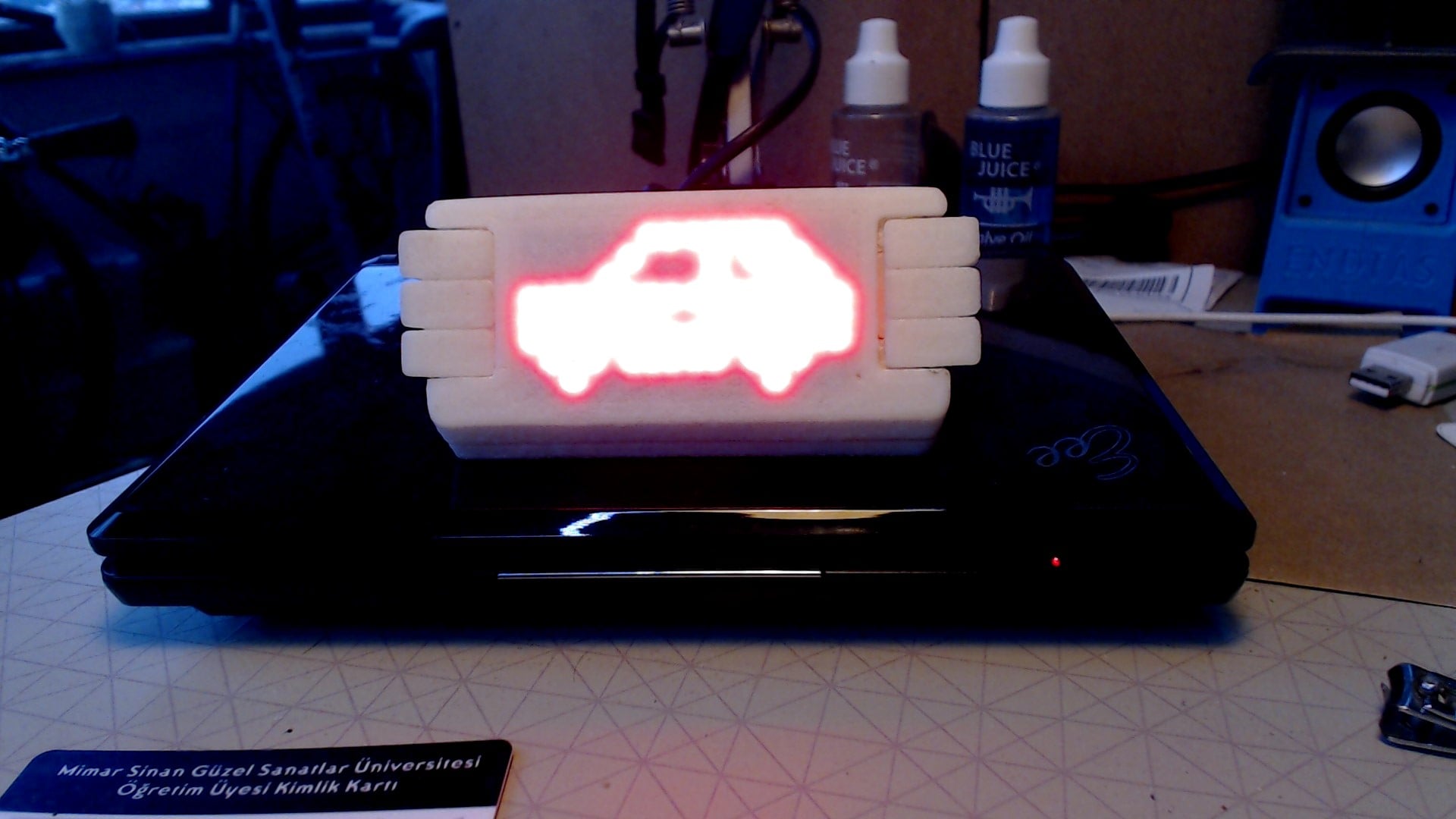
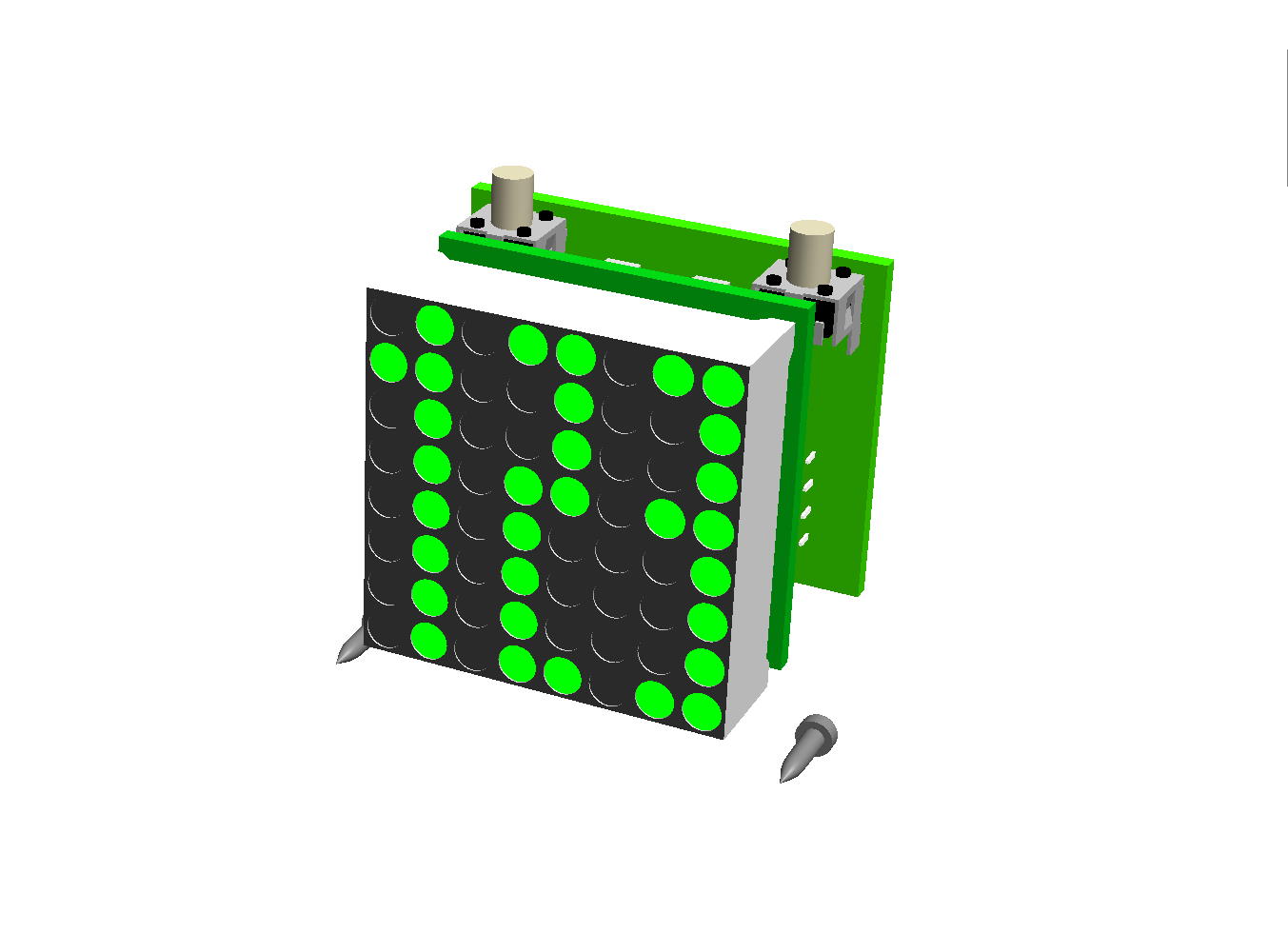
The power-on screen is a 126.
So, if you’re a fan of classic cars, or just really into unique clocks for some reason, you’re in for a real treat. Check out our website owner’s dashboard clock and be transported to a world of automotive cool. Who knows, maybe one day he’ll make a clock that looks like a spaceship dashboard, or a pirate ship’s steering wheel, or whatever other wacky idea they can come up with. But for now, let’s just enjoy this ride and watch time fly by in style.
Read more for more photos and renders, circuit schematics and all necessary information to build this clock for your table.
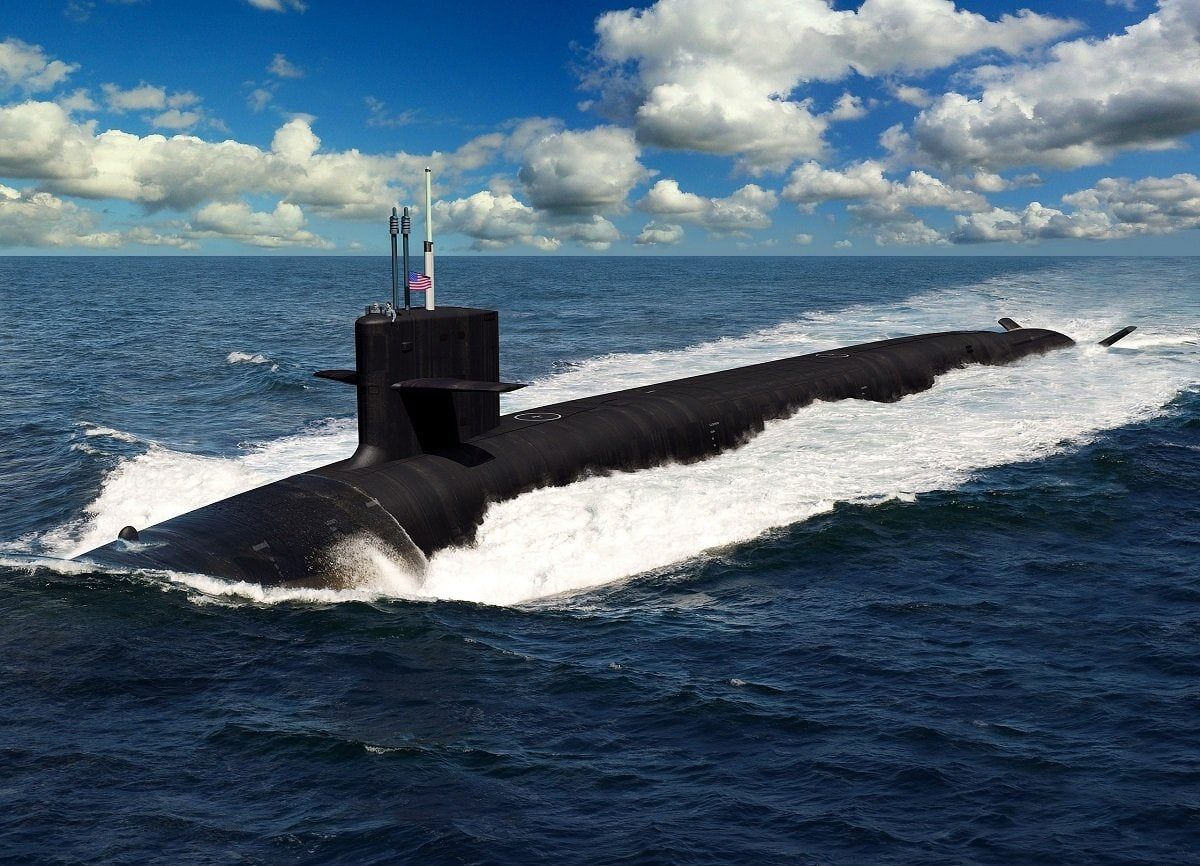
The Columbia-class submarine, formerly known as the Ohio Replacement Submarine and SSBN-X Future Follow-on Submarine, is an upcoming class of nuclear submarines designed to replace the Ohio-class ballistic missile submarines in the United States Navy. The first submarine officially began construction on October 1, 2020, and is scheduled to enter service in 2031.
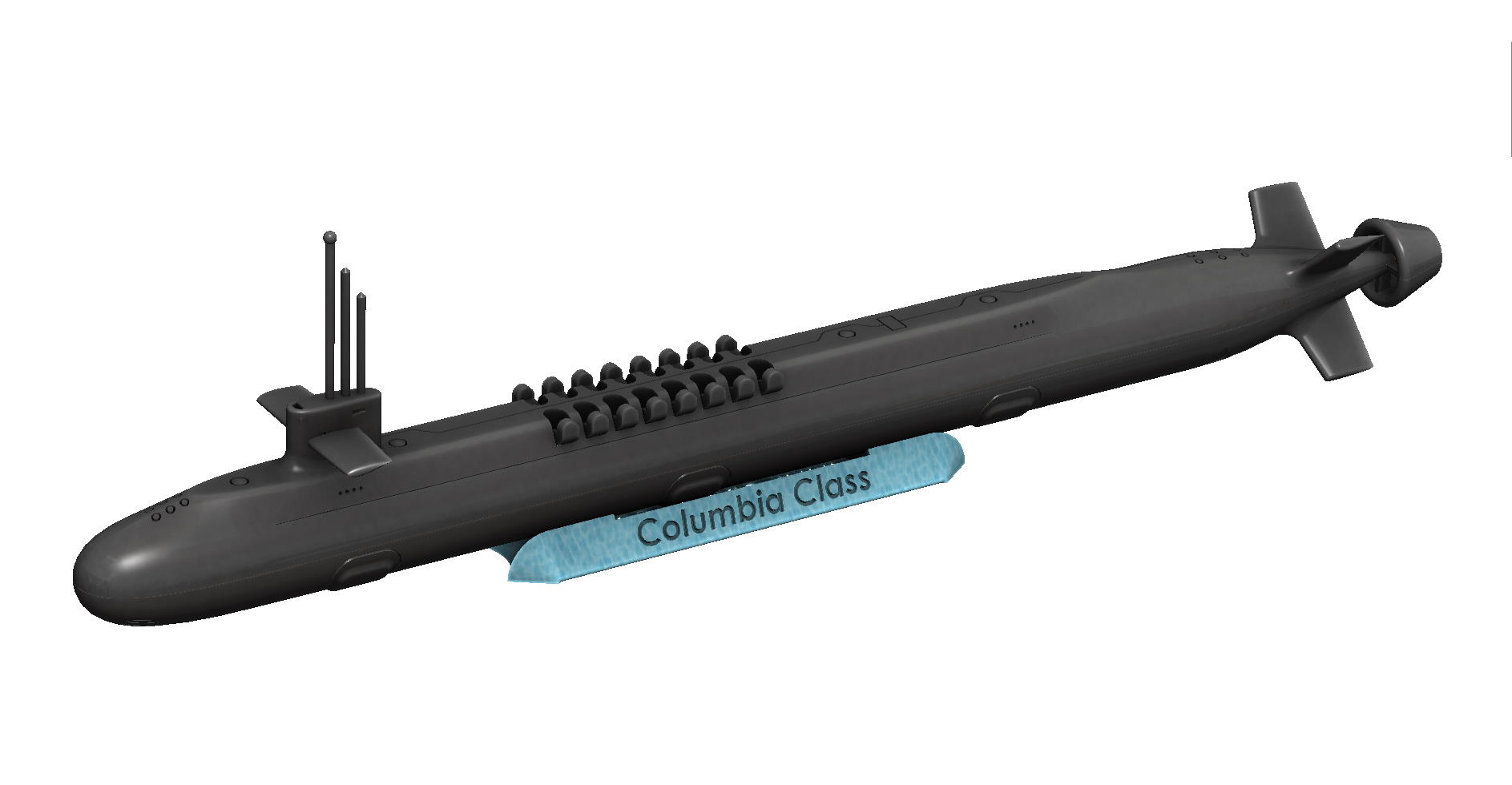
This model is made according to the public renderings, artists’ impressions and other images of the vessel.
The model has movable front dive planes, a rotating propeller and opening-closing missile doors.
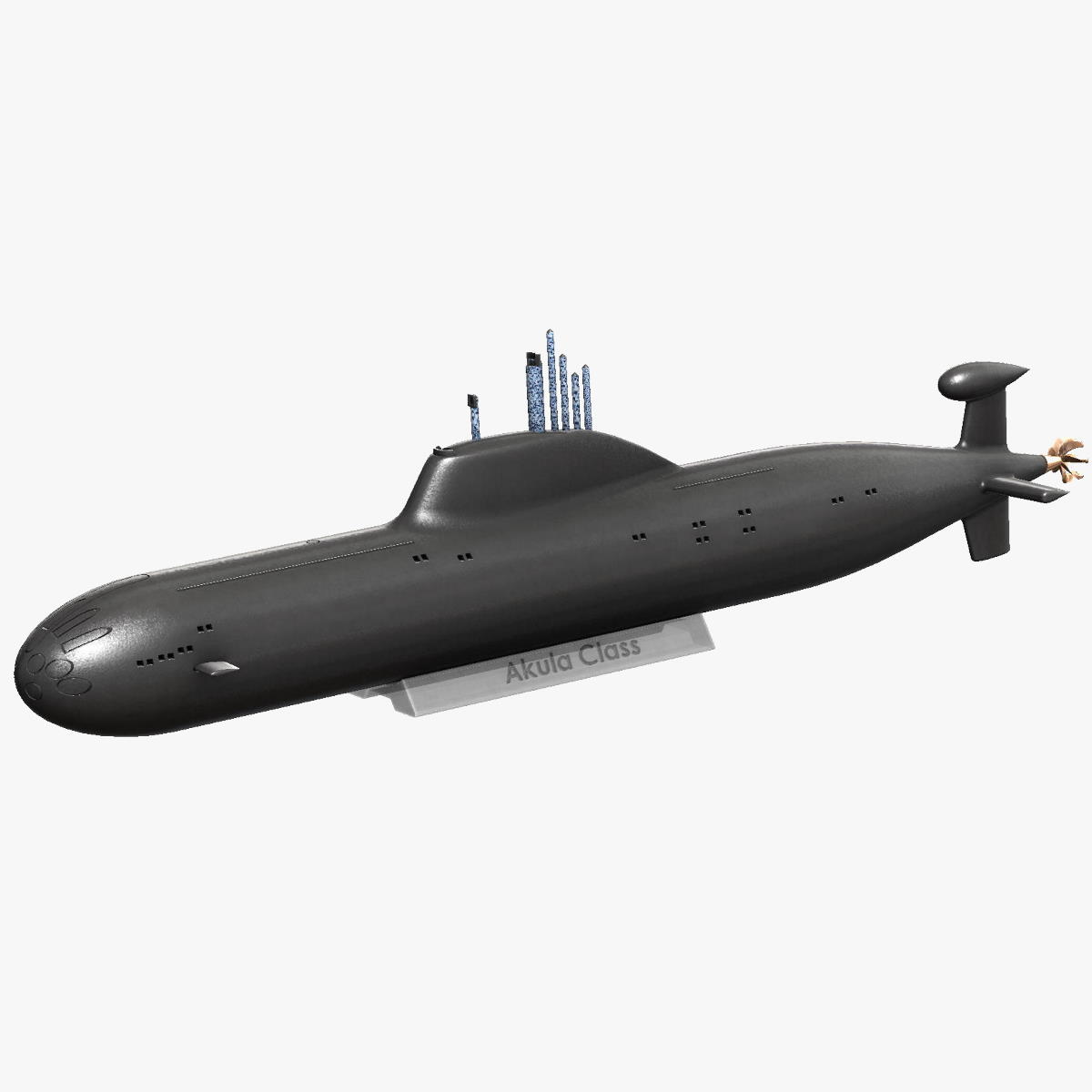
The Akula class submarines, also known as Project 971 Shchuka-B (NATO reporting name: Akula), stand as a testament to Russia’s prowess in submarine technology. These formidable underwater vessels have played a crucial role in the country’s naval capabilities and have garnered attention for their advanced features and capabilities. In this article, we delve into the fascinating world of the Russian Akula class submarines, examining their history, design, capabilities, and strategic significance.
History and Development:
The Akula class submarines were developed during the Cold War era by the Soviet Union to counter the perceived threat posed by the United States Navy’s submarine fleet. The construction of the first Akula-class submarine, the K-284 Akula, began in the early 1980s, and the class eventually included several submarines with different modifications.
Design and Features:
Size and Dimensions: The Akula-class submarines are sizable vessels, measuring around 110 meters (360 feet) in length. Their large size allows for greater endurance and accommodates a substantial crew and advanced equipment.
Stealth and Hydrodynamics: The Akula submarines are designed with stealth in mind, featuring a streamlined hull and advanced sound-dampening technologies to reduce their acoustic signature. This enhances their ability to operate covertly and avoid detection by enemy vessels.
Armament: Armed with a variety of weapons, including torpedoes and anti-ship missiles, Akula submarines are versatile in their offensive capabilities. They can carry a mix of torpedoes in their forward torpedo tubes and have the ability to launch cruise missiles from vertical launch systems.
Nuclear Propulsion: The Akula-class submarines are powered by a nuclear reactor, providing them with an extended range and the ability to remain submerged for prolonged periods. This nuclear propulsion system significantly enhances their operational capabilities compared to conventionally powered submarines.
Crew Accommodations: These submarines feature advanced living quarters for the crew, equipped with amenities to support long deployments beneath the ocean’s surface. This includes sleeping quarters, a galley, and recreational spaces, ensuring the crew’s well-being during extended missions.
Operational Capabilities:
Underwater Endurance: The Akula class submarines are known for their impressive underwater endurance, enabling them to conduct extended patrols and remain submerged for weeks or even months at a time. This makes them formidable assets for strategic and tactical naval operations.
Surveillance and Intelligence Gathering: Equipped with advanced sonar systems and sensors, Akula submarines are capable of conducting surveillance and intelligence-gathering missions. Their ability to operate quietly and stealthily enhances their effectiveness in monitoring and tracking potential adversaries.
Strategic Significance:
The Akula class submarines hold strategic importance for the Russian Navy, serving as both a deterrent and a powerful tool for projecting force. Their ability to operate in various environments, coupled with advanced technology, ensures that they remain a formidable presence in the underwater domain.
Conclusion:
The Russian Akula class submarines stand as a testament to the nation’s commitment to maintaining a powerful and technologically advanced naval fleet. With their impressive design, advanced features, and strategic capabilities, these submarines continue to play a crucial role in shaping the dynamics of naval warfare and undersea operations. As technology evolves, the Akula class submarines remain a key component of Russia’s maritime defense strategy, securing their place in the annals of naval history.
Read on for more information and free file downloads.
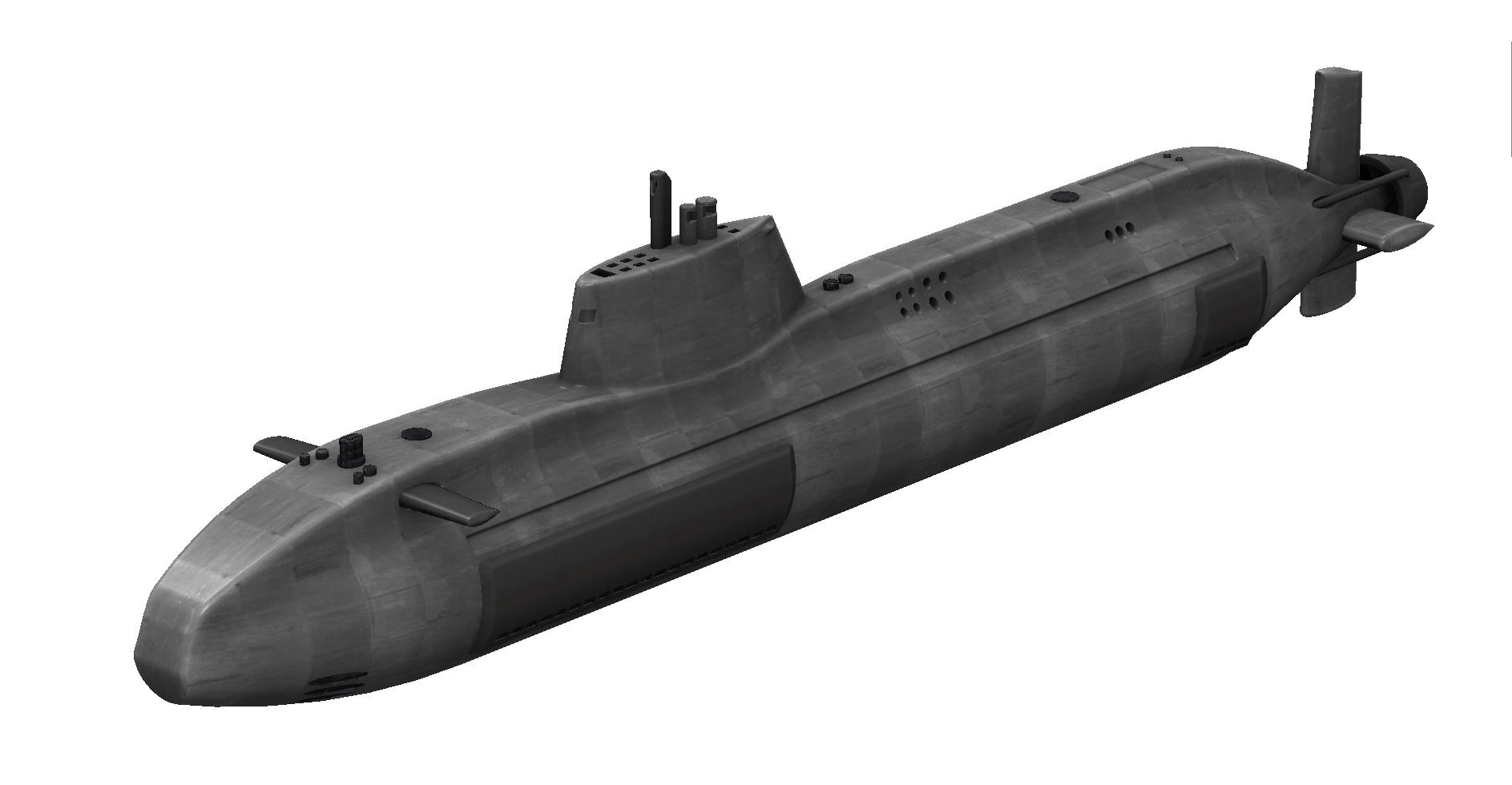
The Astute class is the latest class of nuclear-powered fleet submarines (SSNs) in service with the Royal Navy. The class sets a new standard for the Royal Navy in terms of weapons load, communication facilities and stealth. The boats are being constructed by BAE Systems Submarines at Barrow-in-Furness. Seven boats will be constructed: the first of class, Astute, was launched by Camilla, Duchess of Cornwall, in 2007, commissioned in 2010, and declared fully operational in May 2014. The Astute class is the replacement for the Trafalgar-class fleet submarines in Royal Navy service.
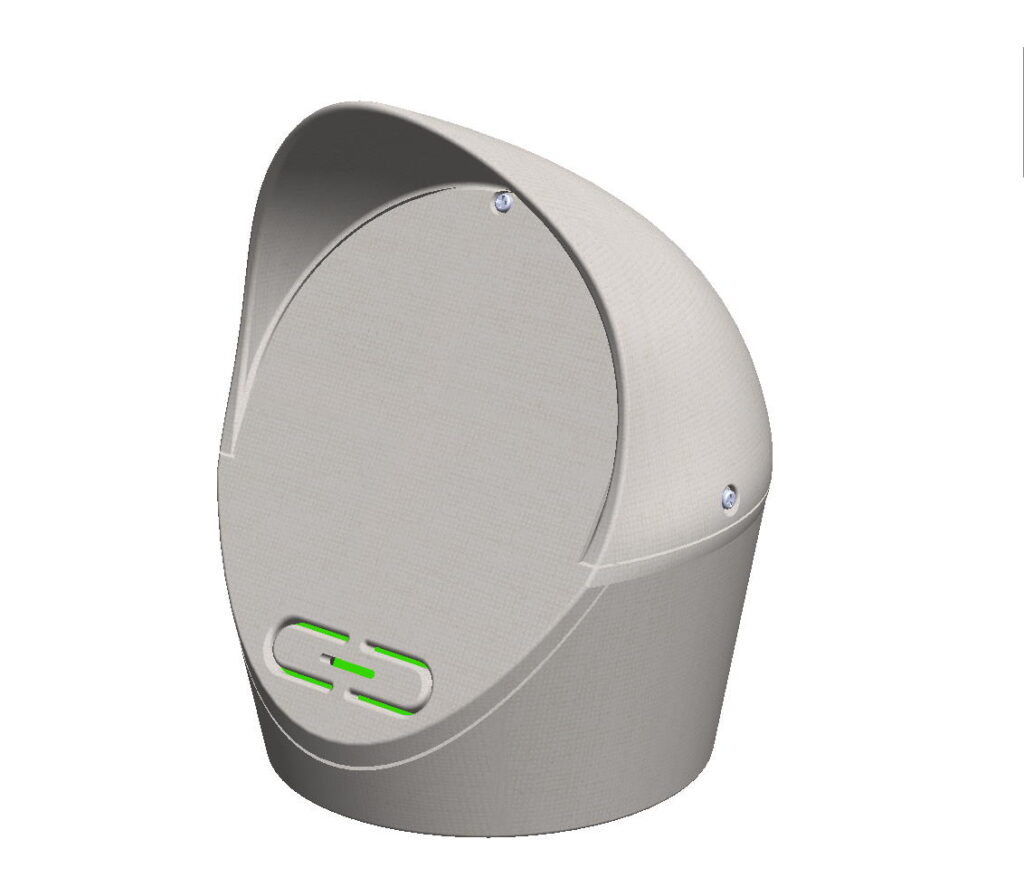
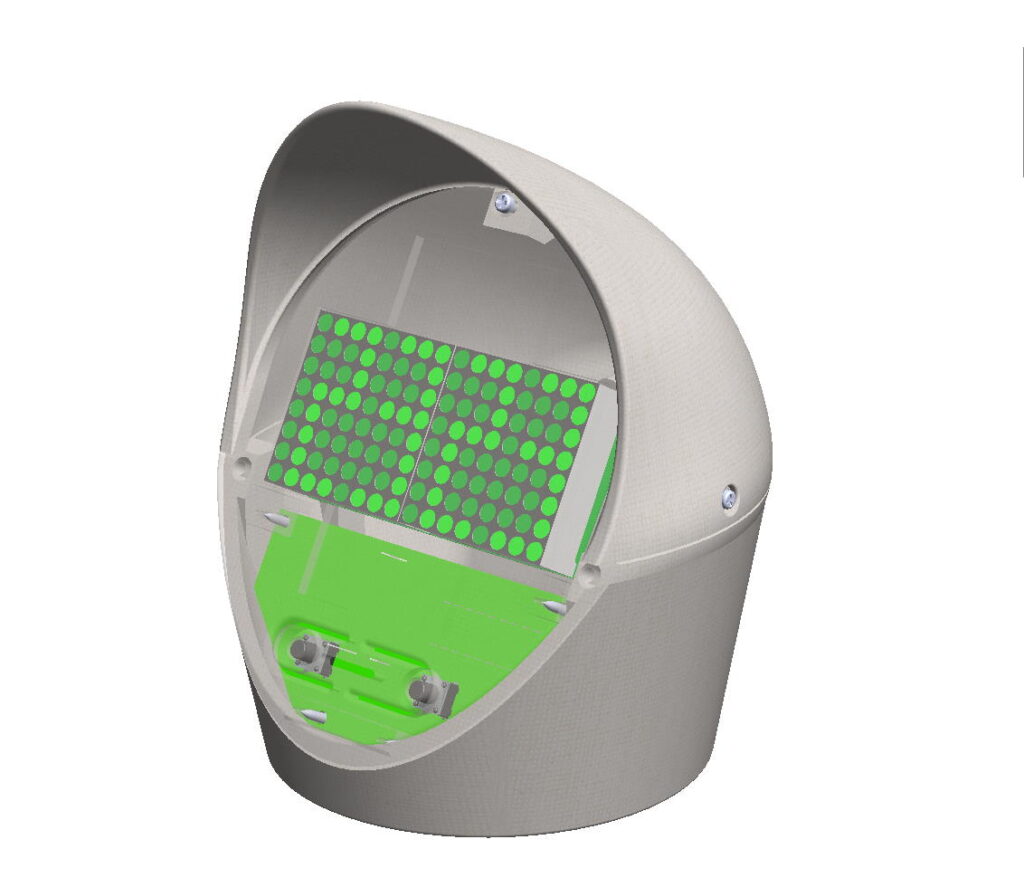
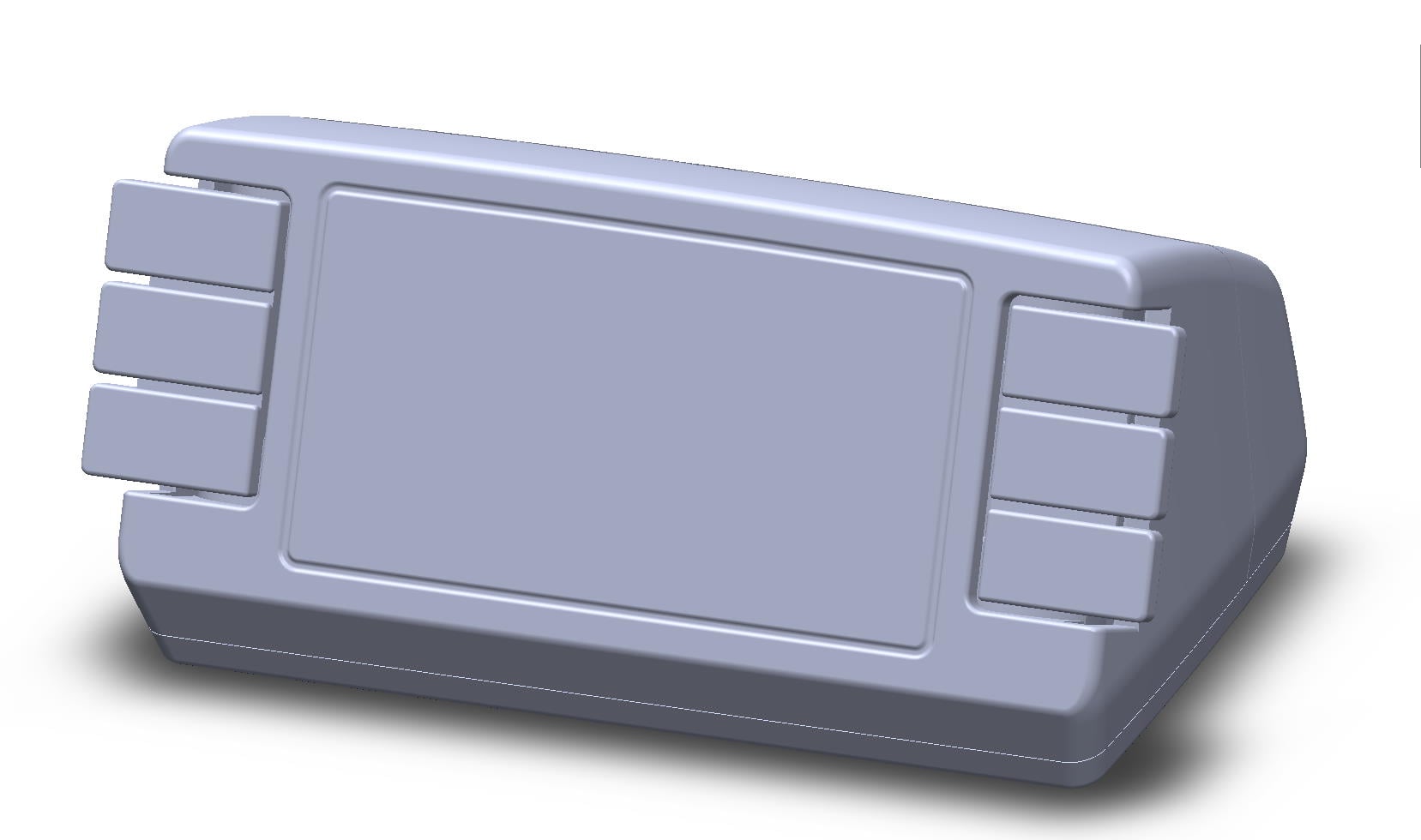
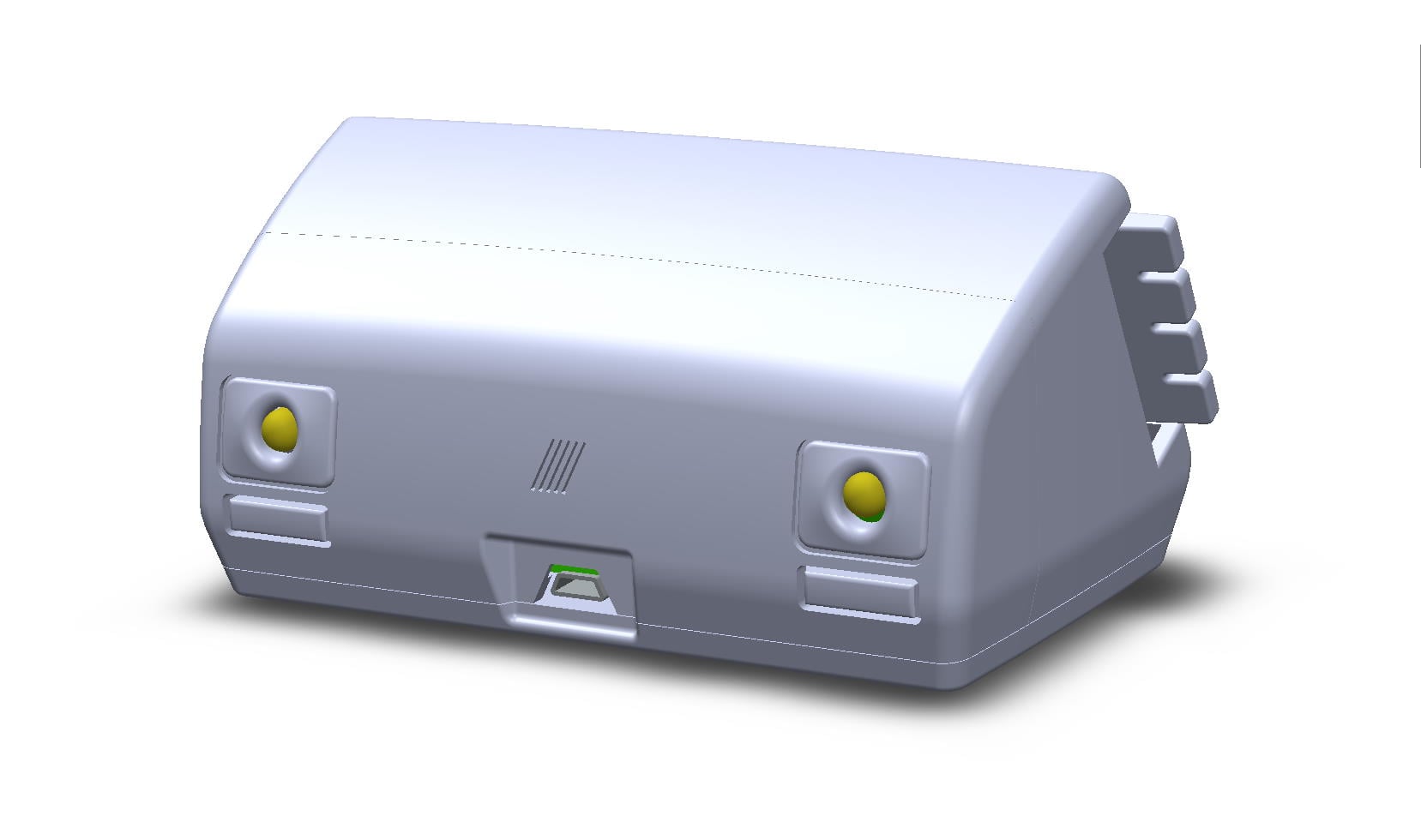
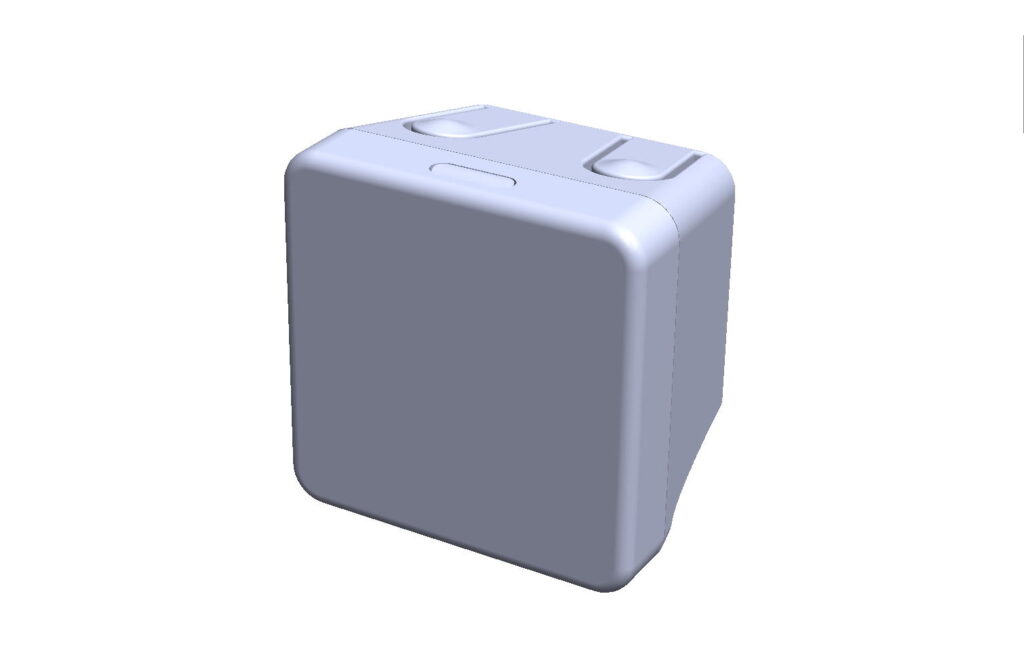
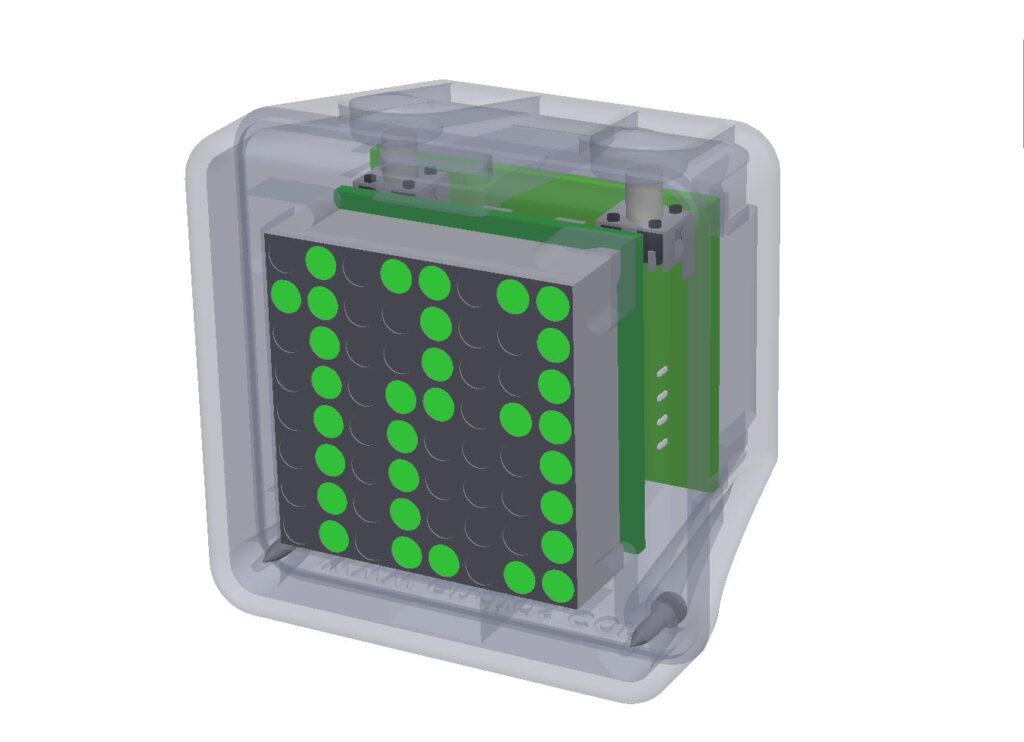
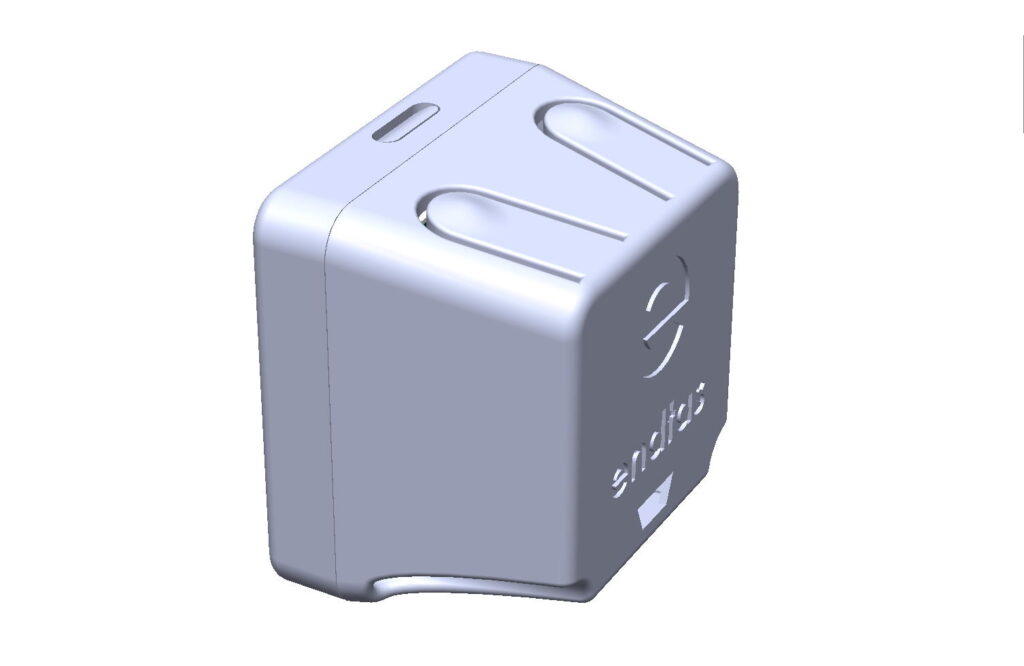
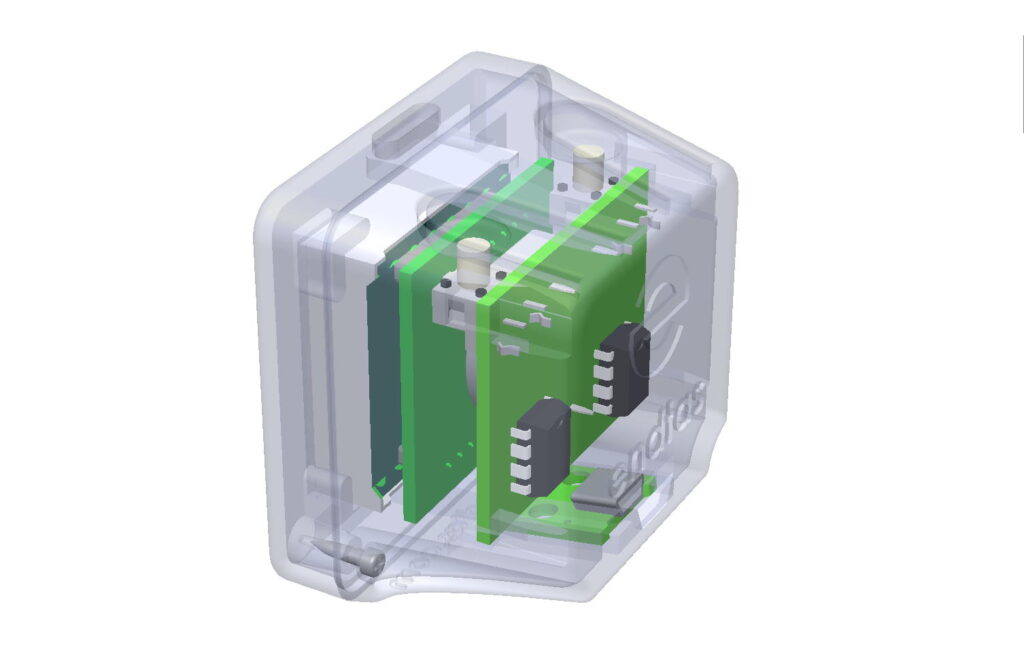
This is a design for use as a table or a in-vehicle clock. It utilizes a DS 1307 real time clock chip and powered by a pic 12F683 microcontroller. The power can be supplied via a standard USB cable.
Read more for more informatin, renderings, step by step assembly photos, STL files for 3d printing as well as source C codes for the microcontroller. Have fun building it.
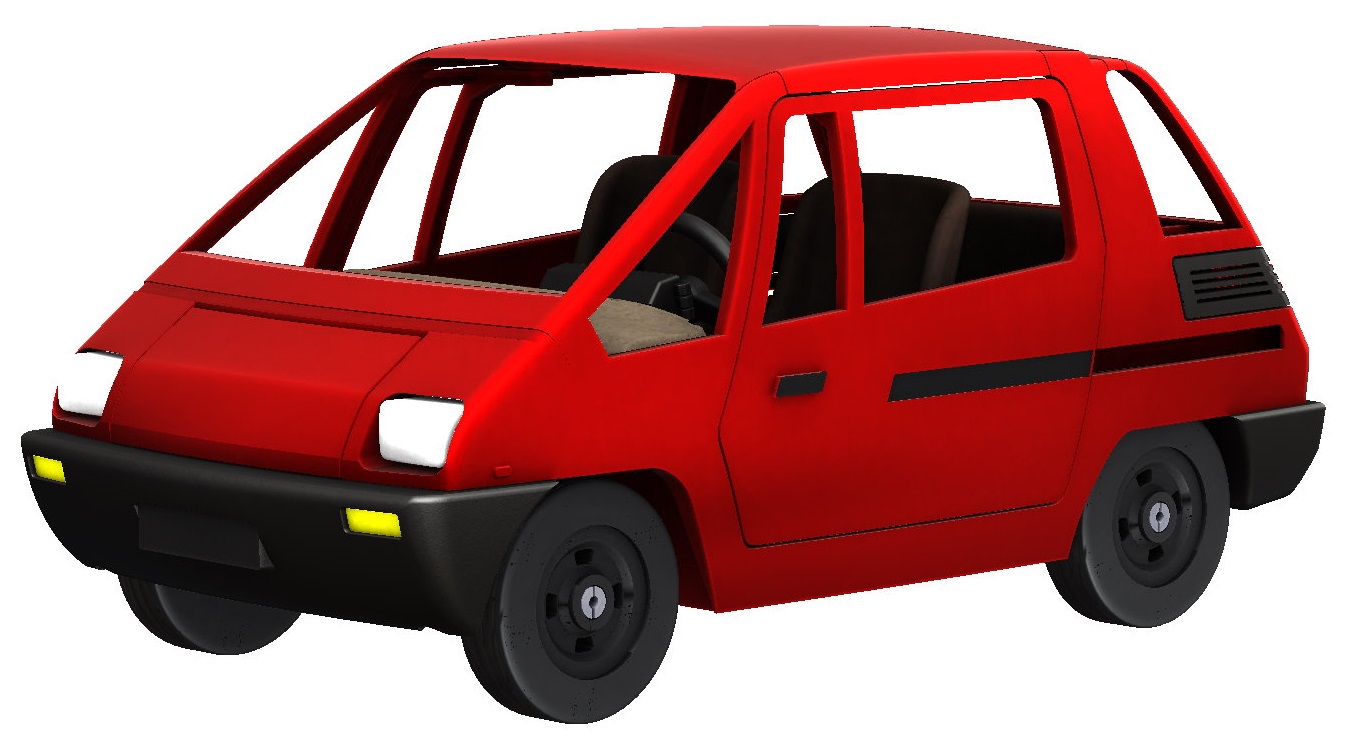
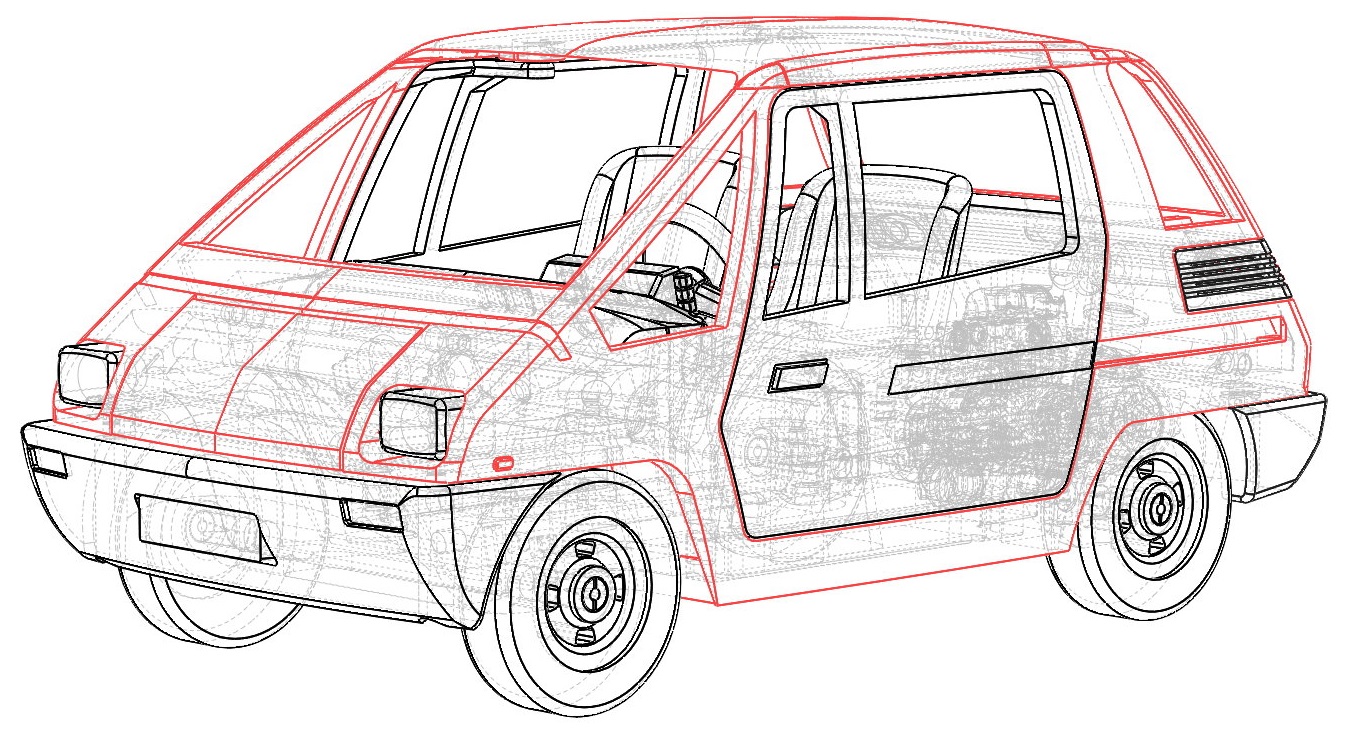
This is the Fiat 126 Vettura Urbana concept (or ‘city car’ concept, if you translate the Italian… everything sounds better in Italian), revealed in 1976 and designed for Fiat by venerable designer Giovanni Michelotti, who penned lots of nice stuff you haven’t really heard of. His 1961 Alpine A110 was alright, mind. This particular vision of the future was based on the teeny 126 city car, and although small, it wasn’t a toy.
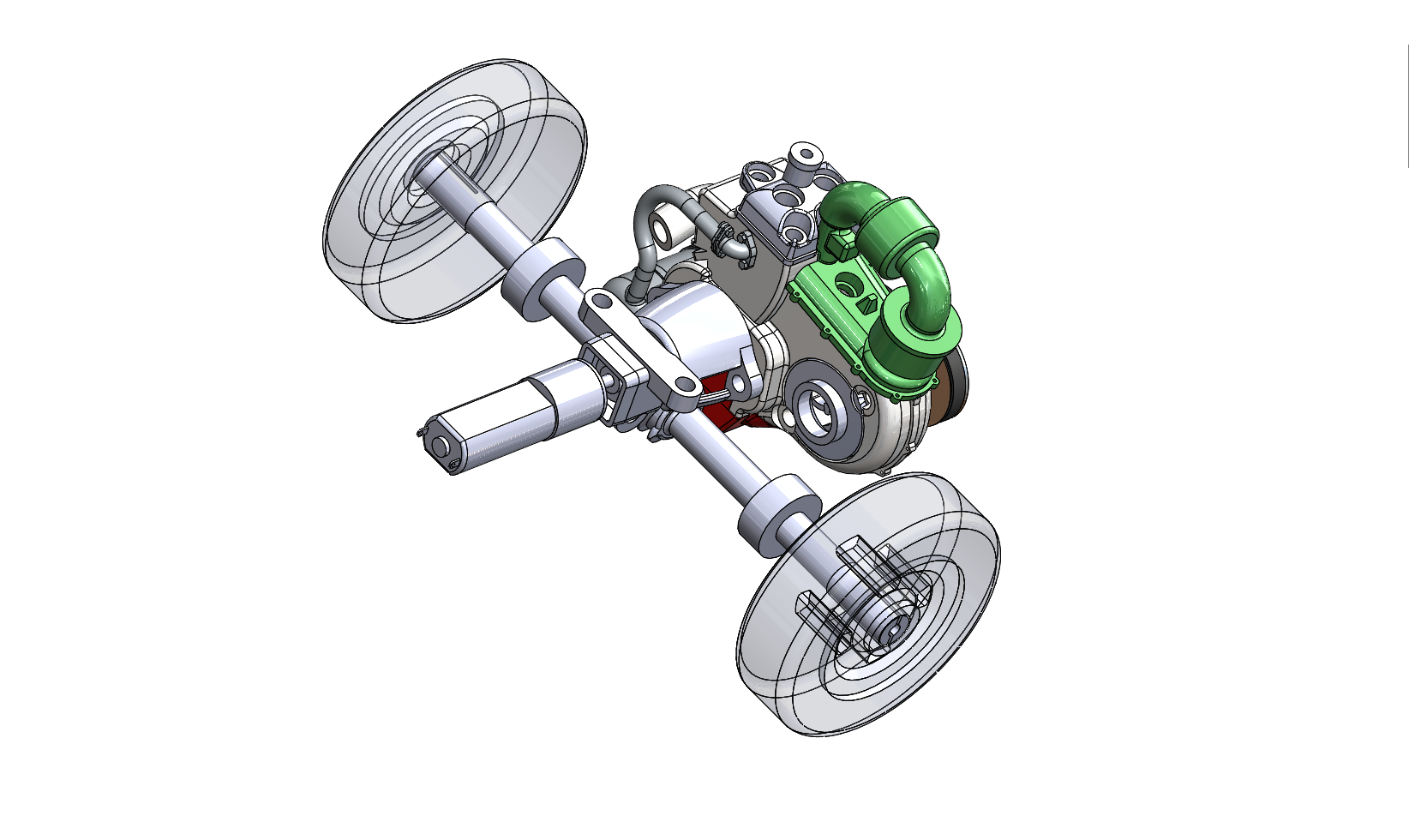
The body STL including the engine can now be downloaded at the following pages. There is also a version with separate STL files for each piece, sliding doors, operational engine parts. The engine parts, pulleys, pistons etc, can be driven by a small electric motor hidden in the transmission which is also connected to the rear wheels. So this model can drive with electric power. With additional work, can be made to run with remote control. A challenging and very nice project to build.