USS Keokuk

A Modular 1:48‑Scale Ironclad

When the Civil War broke out, the U.S. Navy was forced to rethink warship design. Traditional wooden hulls could not survive the new, high‑powered guns that were being fielded on land. In response, designers began experimenting with iron‑clad hulls that would shrug off cannon fire and resist the very bullets that had once devastated wooden ships. The USS Keokuk, launched in December 1862, was one of the first of these experimental “casemate” ironclads.

With a 159‑foot length, 36‑foot beam, and a displacement of 677 long tons, the Keokuk was built from a solid iron hull, with a wooden deck and a thin layer of filler armor that protected the gun positions. Powered by two 250‑hp steam engines that drove twin 7‑foot screws, the vessel could reach 9 knots – a respectable speed for a warship of its time.

Armed with two 11‑inch Dahlgren smoothbore guns and a ram bow, it joined the South Atlantic Blockading Squadron in March 1863 and saw action in the Charleston campaign. Though its operational record was brief, the Keokuk’s design paved the way for the next generation of iron‑clad warships.

Our 1:48‑scale file pack brings the historic ironclad into the hands of hobbyists and RC enthusiasts alike. The design has been carefully optimised for 3‑D printing while preserving the ship’s iconic profile:

Continue reading for more info and renderings.

Or proceed directly to our purchase page on Cults3D.

Read more

SMS Sachsen Ironclad

A Coastal Defender from the Early German Empire

The SMS Sachsen was the lead ship of the Sachsen-class ironclads, a group of four armored vessels built for the Imperial German Navy in the 1870s. Alongside her sister ships—Bayern, Württemberg, and Baden—she represented a distinctly different approach to naval warfare compared to the ocean-going ironclads of Britain and France. Rather than projecting power across distant seas, these ships were designed with a more focused mission: defending Germany’s coastline and controlling the confined waters of the North Sea and Baltic.

This role shaped every aspect of their design. The Sachsen-class ships were relatively compact but heavily armored, with a low freeboard and a strong emphasis on protection and firepower over range. Their layout reflected the transitional nature of naval engineering at the time—positioned between earlier broadside ironclads and the more advanced turret ships that would follow. Central battery arrangements, thick armor belts, and powerful main guns gave them serious defensive capability, even if their seaworthiness in rough open water was limited.

Although not as famous as later battleships, the Sachsen-class played an important role in the early development of the Imperial German Navy. They embodied a strategic mindset focused on coastal defense, deterrence, and controlled engagement, rather than global reach. Over time, as naval doctrine evolved and larger, more capable ships entered service, the Sachsen-class became less central—but they remain a fascinating example of a navy defining its identity during a period of rapid technological change.

Continue reading for more info about our 3d printable Sachsen model,

or you can directly proceed to our purchase page on Cults3D.

Read more

The Hamilton-Class High Endurance Cutter

The Coast Guard’s Workhorse for Half a Century:

A New Kind of Cutter for a New Era
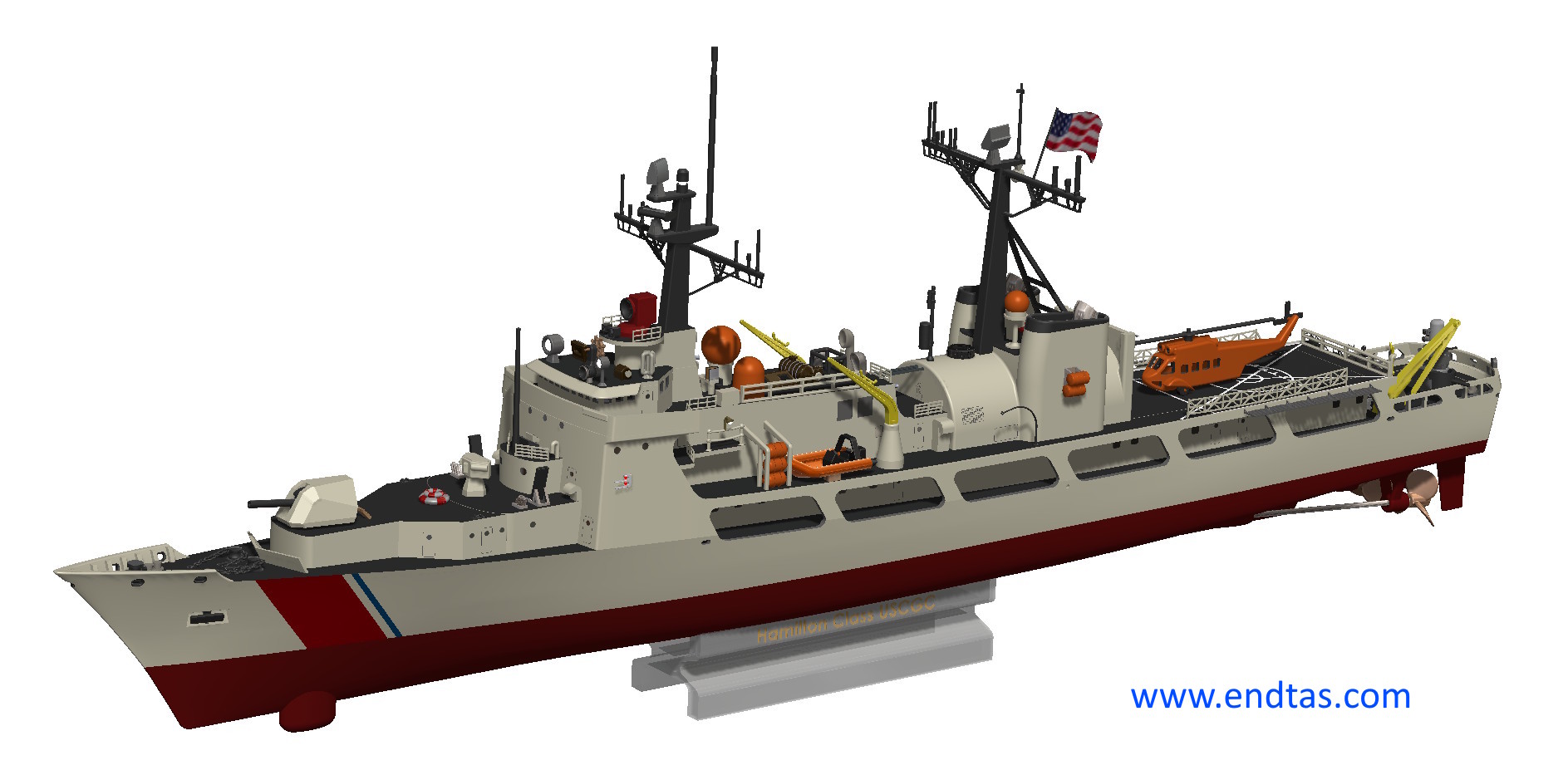
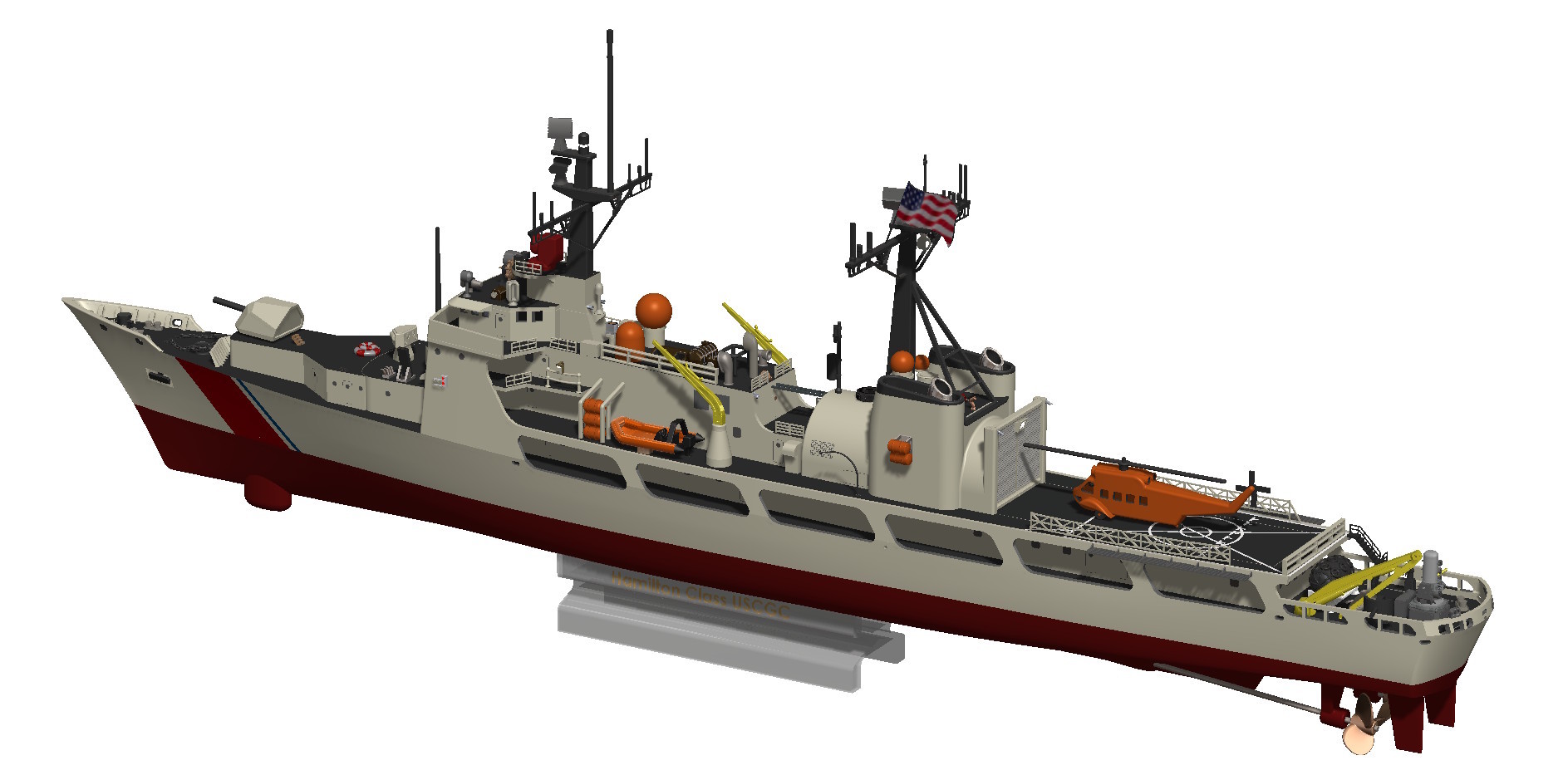
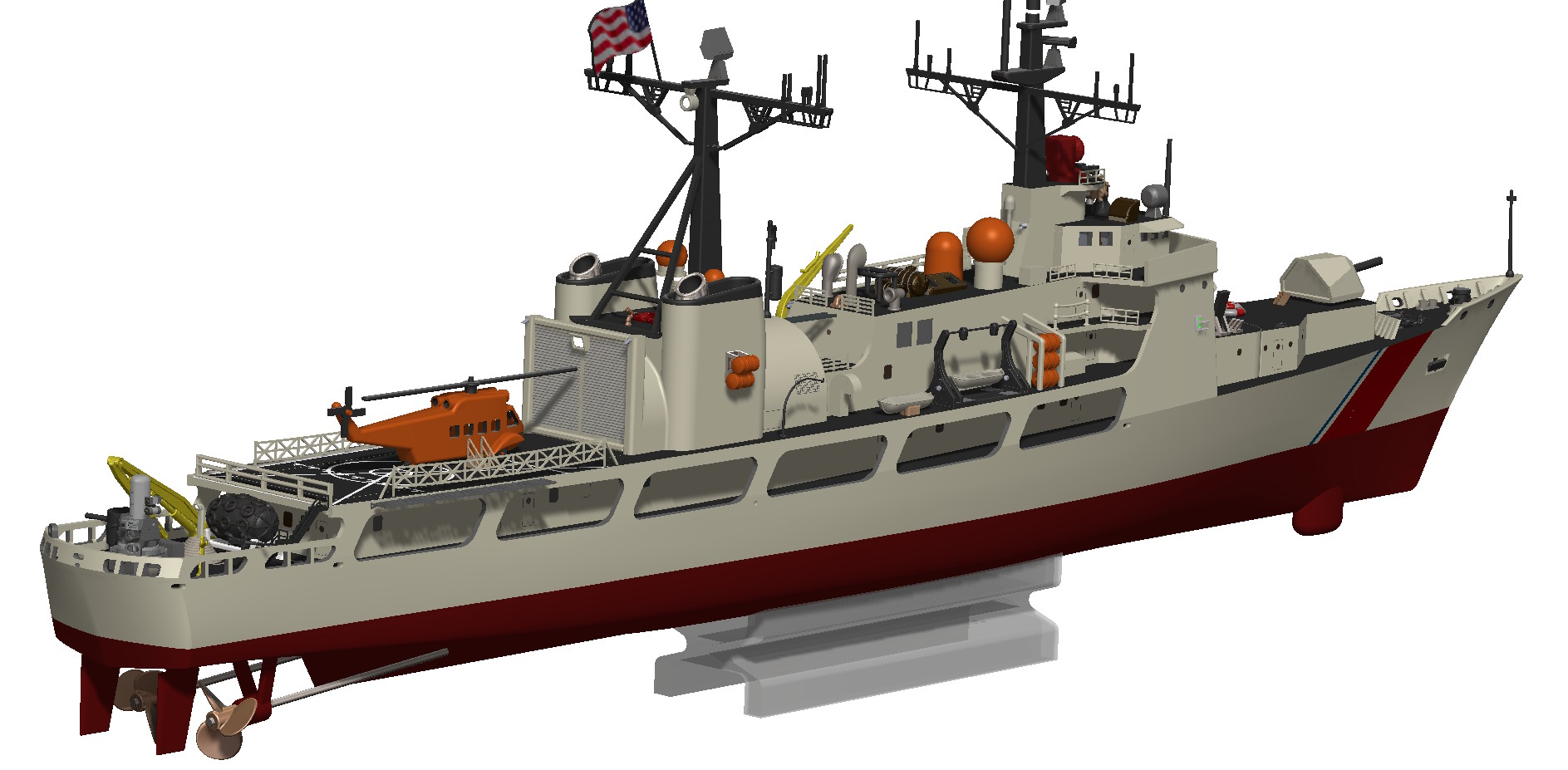
When the United States Coast Guard began planning its next generation of large ocean-going cutters in the early 1960s, the service had been operating converted World War II-era Navy vessels for nearly two decades. The ships were aging, increasingly difficult to maintain, and unable to fully meet the demanding operational requirements of a modern Coast Guard. What emerged from that planning process was one of the most successful and enduring cutter designs in the history of American maritime law enforcement — the Hamilton-class High Endurance Cutter, a vessel so capable and well-conceived that it would serve the Coast Guard for nearly half a century.
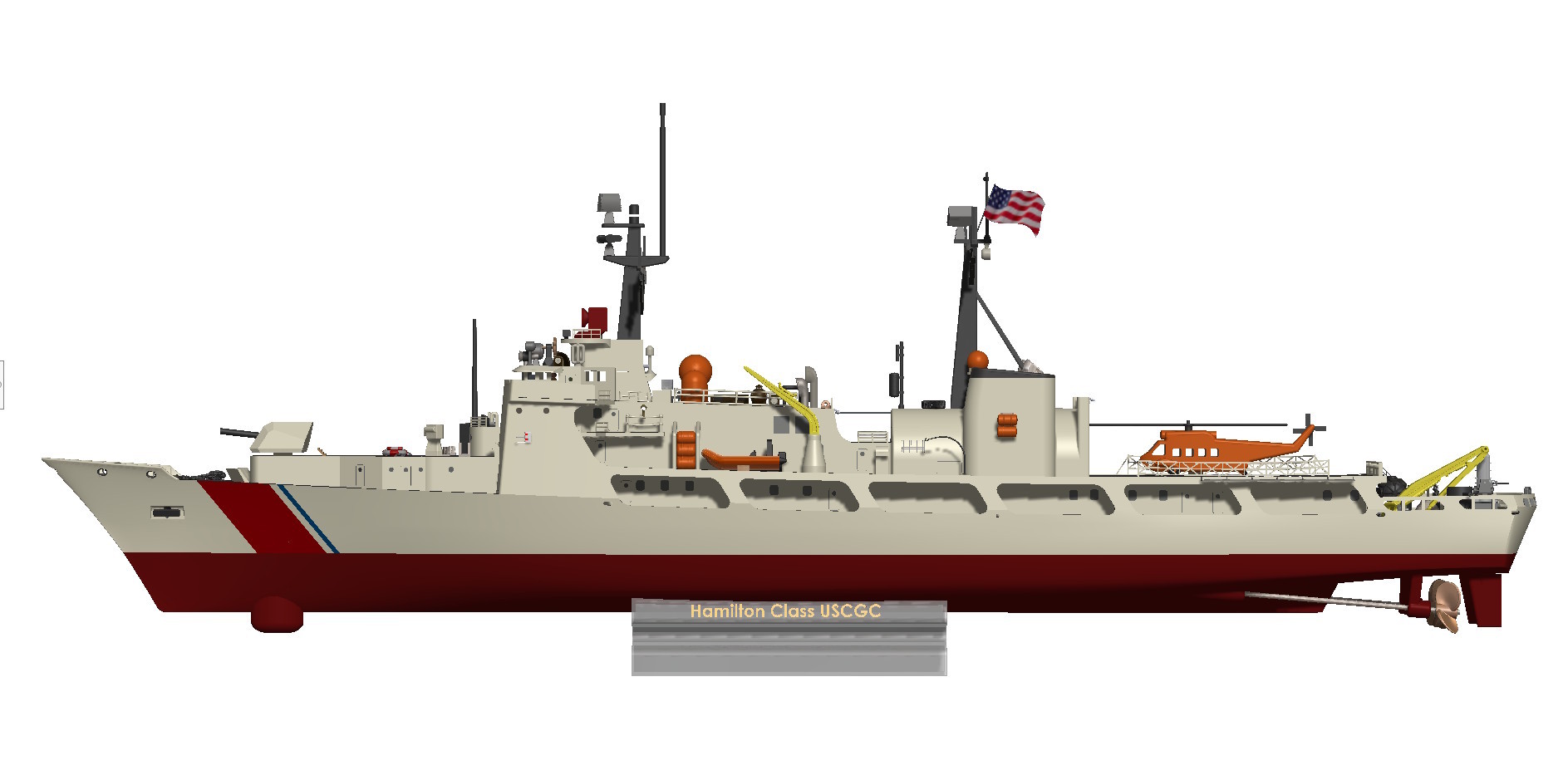
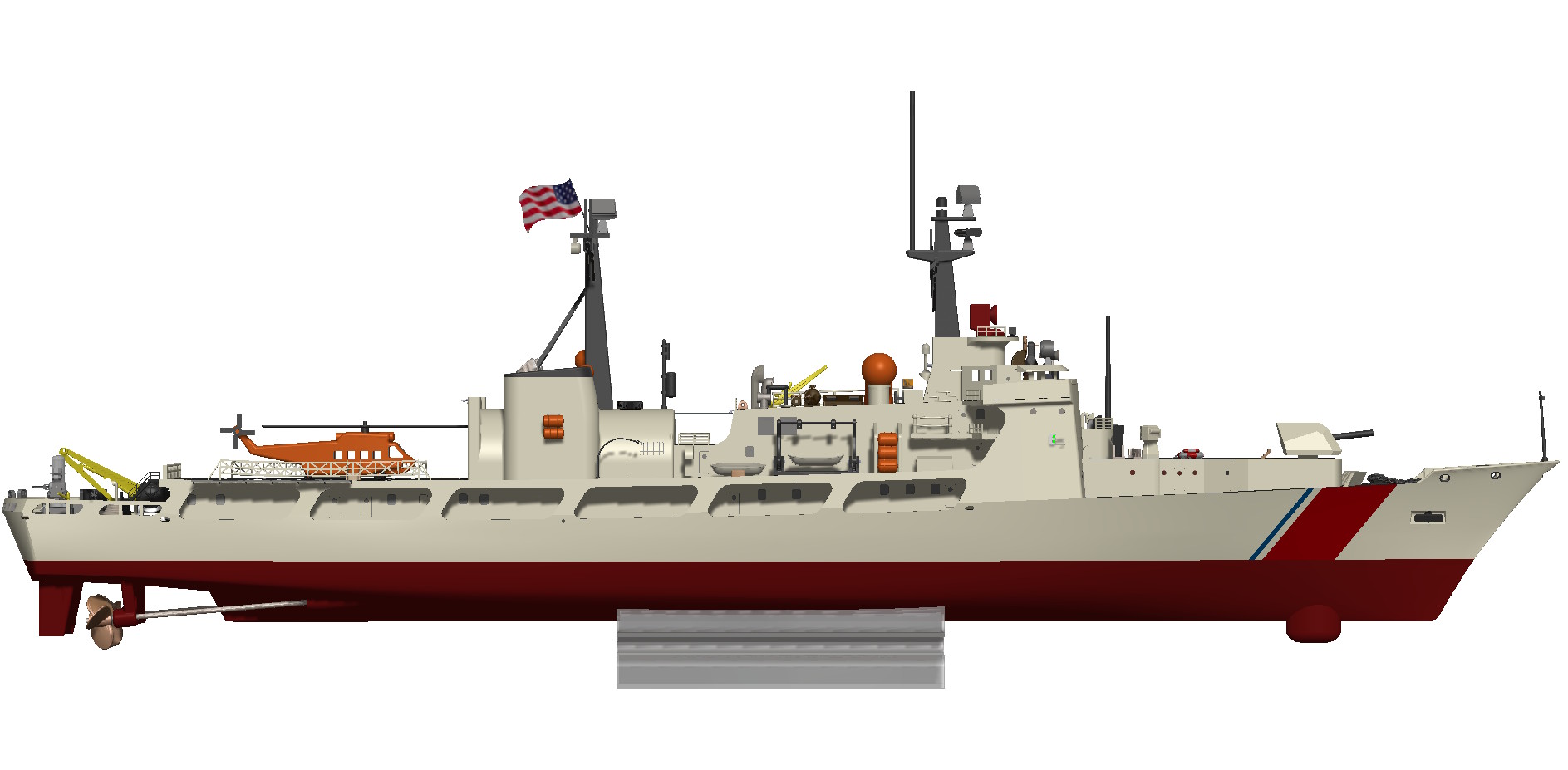
The initial contract for the lead ship, USCGC Hamilton (WHEC-715), was awarded to Avondale Shipyards in New Orleans, Louisiana in January 1964, with construction beginning shortly thereafter. Hamilton was launched on December 18, 1965 and commissioned on March 18, 1967, named for Founding Father Alexander Hamilton, the first United States Secretary of the Treasury and founder of the United States Revenue Cutter Service. She was the first genuinely new high-endurance cutter the Coast Guard had received in more than twenty years, and from the moment she entered service it was clear she represented a significant leap forward in capability. Originally envisioned as a large-scale procurement, long-range plans called for up to 38 cutters to be constructed over the following decade, but budget constraints and the wind-down of the international ocean stations program reduced the authorized number to just 12 ships, all built at Avondale between 1965 and 1972.

Continue reading for more information or go to our model’s purchase page on cults3d.

Read more